The latest version of the iPad mini (7th generation) was launched on October 23, 2024. However, the iPad mini has always occupied a unique position that combines tablet features with those of highly specialized e-readers, thanks to its screen size and the ease of one‑hand use. Now, with growing rumors about an OLED screen for the next generation, could the iPad mini finally replace devices such as Kindle and Kobo?

OLED Screens: A Qualitative Leap for the Reading Experience
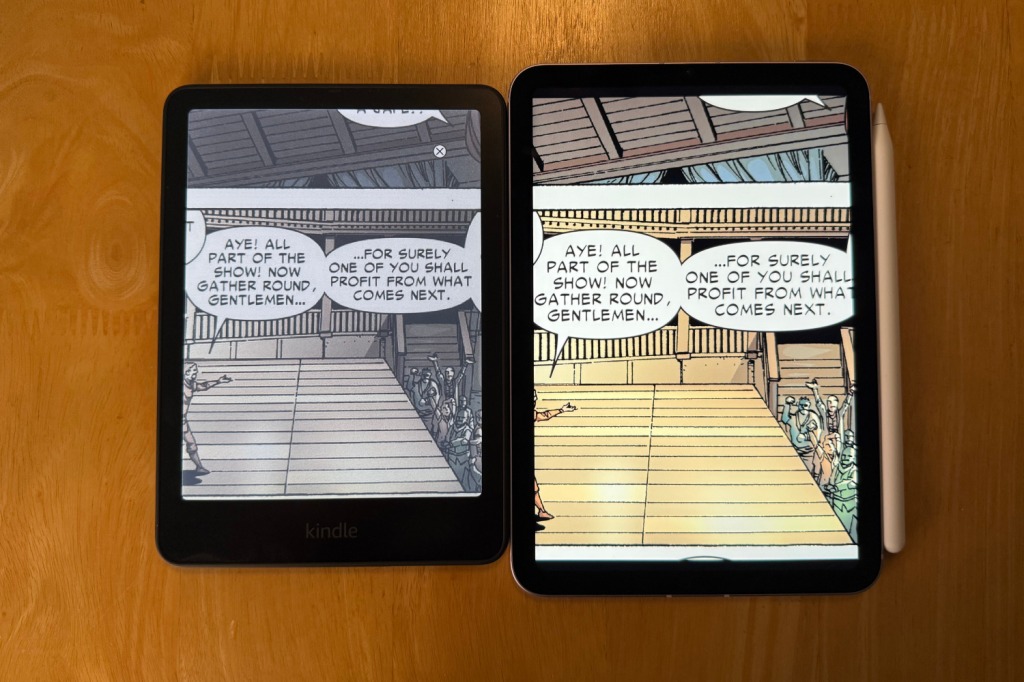
The shift from LCD to OLED could make the iPad mini more appealing as a reading device. OLED screens allow each pixel to operate individually, so black pixels are turned off, resulting in true blacks and extremely high contrast.
Superb Clarity and Eye Comfort
Text appears sharper and more defined against a dark background, especially in night mode. Night reading also becomes generally more comfortable because the screen emits less light. Color accuracy and viewing angles improve with OLED, which could make a big difference when reading comics, magazines, and illustrated books.
Energy Efficiency
Another benefit of OLED screens is their energy efficiency. They can consume less power when displaying dark content, potentially extending battery life during reading sessions.
Water Resistance: A Long‑Awaited Feature
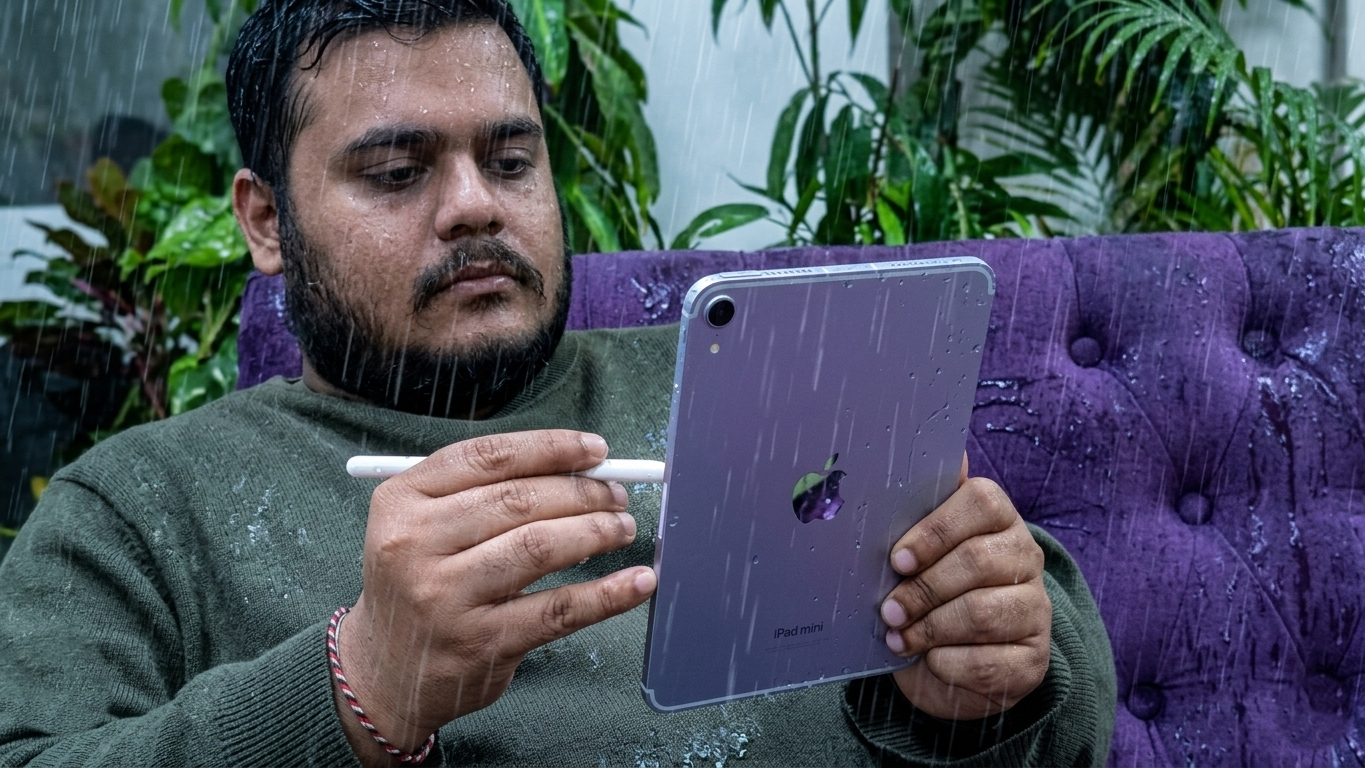
Not all current iPad models have an official water‑resistance rating. In contrast, devices such as Amazon Kindle Paperwhite and Kobo Libra Color are typically designed to withstand immersion, allowing users to read in the bathroom, by the pool, or at the beach without worry. Rumors suggest Apple is exploring a tighter design for the upcoming iPad mini, possibly using vibration‑based speakers and fewer entry points to add water resistance. This could eliminate one of the daily practical advantages that e‑readers currently have over the iPad mini.
E‑Readers: Will They Stand Up to the Challenge?
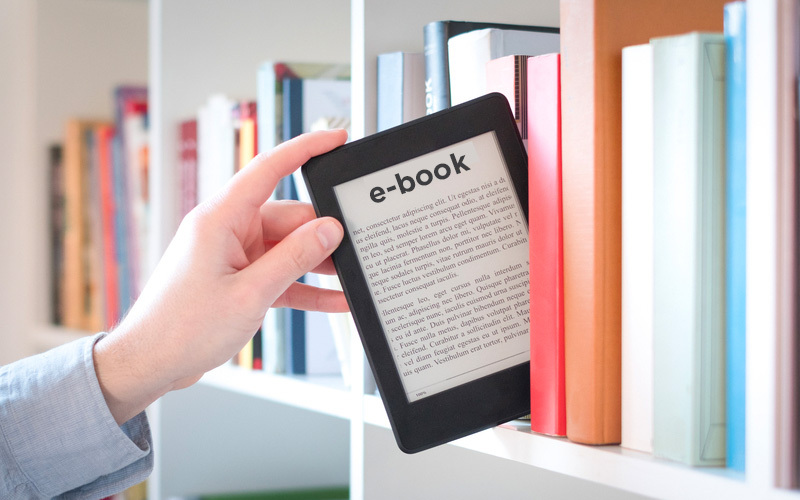
Even with these improvements, specialized e‑readers will retain some key advantages over the iPad mini. Kindle and Kobo devices use e‑ink displays that reflect ambient light instead of emitting light directly into the eyes, making them feel much like paper.
Superior Outdoor Reading Comfort and Battery Longevity
Many readers find e‑ink screens cause less strain during long reading sessions. Outdoor readability is another area where e‑ink excels, as it becomes easier to read the brighter the surrounding light.
Battery life also differs dramatically. Most e‑readers last weeks on a single charge because the screen only uses power when turning a page. In contrast, the iPad mini typically lasts only a day or two of mixed use at most.
Focused Reading Experience
E‑readers are also purpose‑built devices that focus solely on reading, whereas tablets have multiple functions, which can make focused reading more difficult for some users.
Price: A Decisive Factor in the Competition
Even if OLED screens improve the reading experience, the iPad mini will still compete in a different price segment. The current iPad mini starts at $499, and rumors suggest an OLED version could cost up to $100 more. In contrast, many Kindle and Kobo models range from $110 to $300 depending on features.
OLED screens will make the iPad mini a much better reading device than it already is, but the physics of e‑ink displays provide advantages that OLED cannot replicate, especially for reading. What OLED can do is shift the balance slightly; for the average reader, an OLED iPad mini may become good enough that a separate e‑reader is no longer necessary.
The OLED iPad mini with an A19 Pro chip is expected to launch in the second half of 2026.
Source:
Leave a Reply