While smartphone manufacturers smartphones race to flood the market with foldable phones in various forms, Apple remains committed to its strict selective approach. Although recent leaked reports from supply chain corridors revealed that the company did not just watch, but actually dissected and studied the “clamshell” (Flip) design in depth, ultimately reaching a surprising decision to halt the development of a foldable iPhone with a clamshell design. The question here is, what drove Apple to abandon this design? In this article we reveal the full story and uncover the real reasons that made Apple reject launching an iPhone with this design.
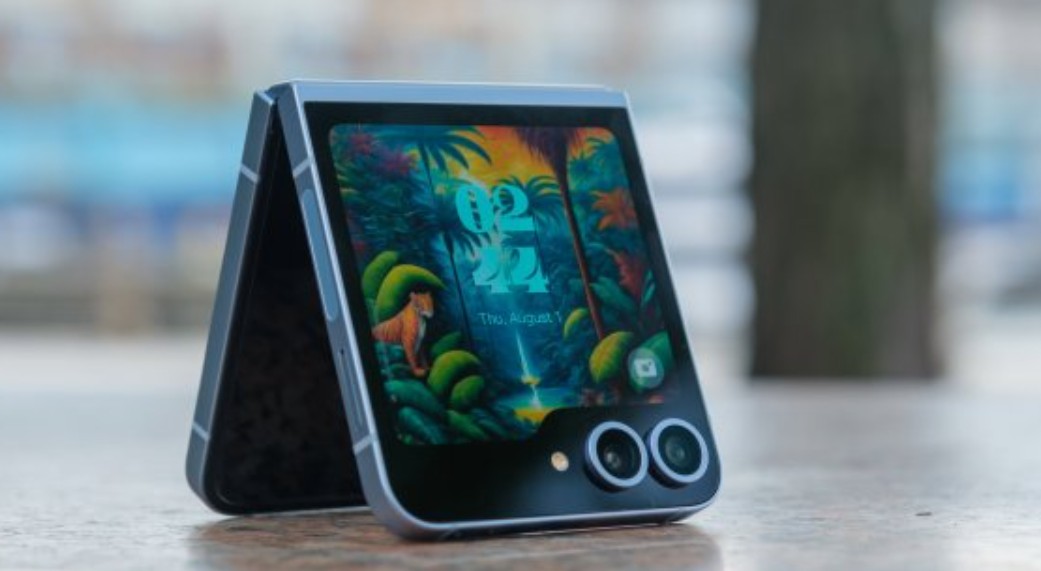
Foldable iPhone with a Clamshell Design
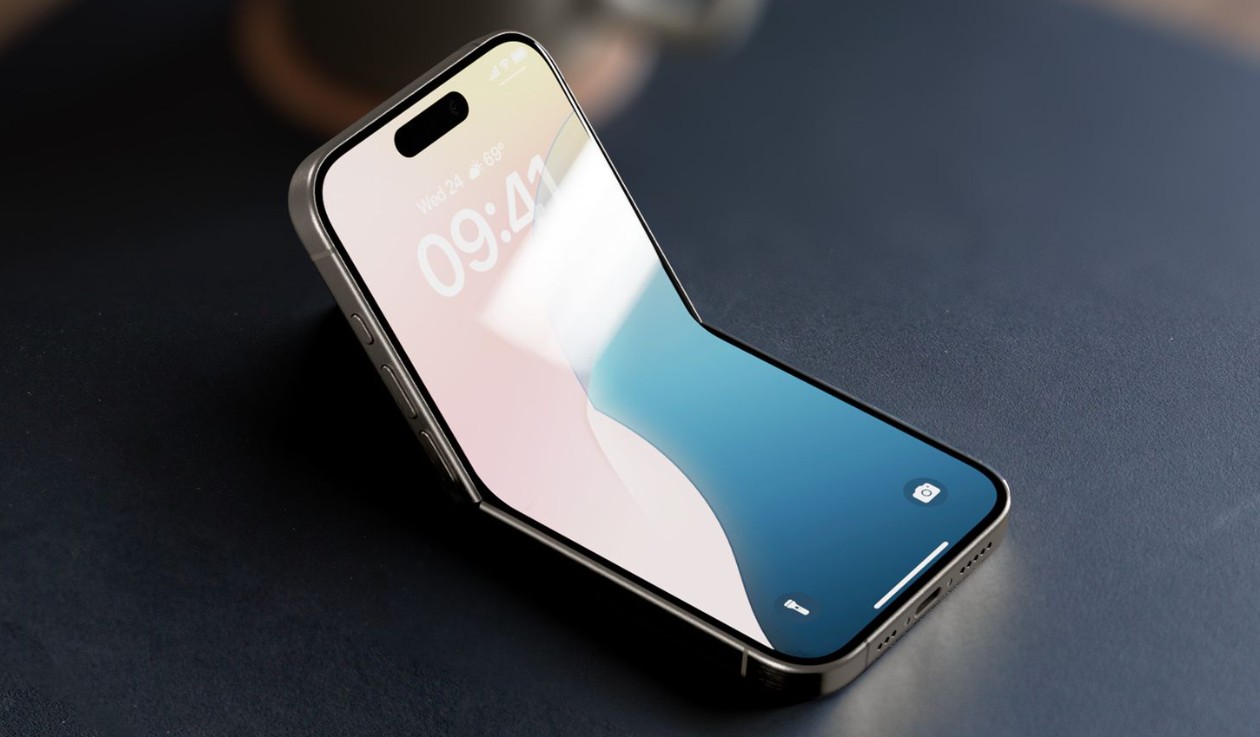
Despite rumors about Apple’s intention to launch an iPhone that folds in half to become smaller when closed like some competing devices, recent reports and leaks indicate that the company has already studied the idea, but decided not to move forward with its development at this time.
According to information published by the well-known Chinese leaker Instant Digital on Weibo, after examining the idea from multiple angles, Apple concluded that this type of device does not provide sufficient real-use value to justify its launch. The primary advantage of this design is largely limited to reducing the phone’s size when carried, which the company did not feel was enough to make a significant difference in user experience.
Internal Technical Constraints
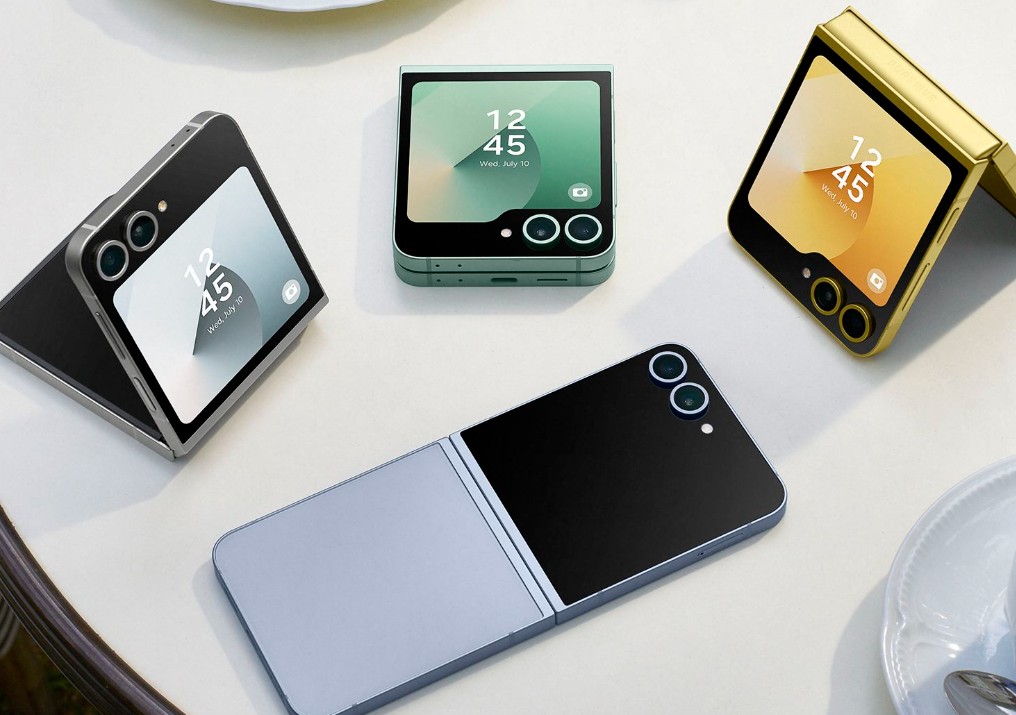
Usage alone was not the reason for abandoning the idea; the clamshell design also imposes complex technical challenges within the device itself. The hinge in the middle of the phone splits the internal space into two parts, creating several issues such as:
- Reduced space available for the battery.
- Constriction of space allocated for the camera system.
- Difficulty in distributing internal components smoothly and comfortably.
Leaks indicate that one proposed solution was to reduce the capabilities of the rear camera, which does not align with Apple’s philosophy of always delivering a strong and integrated photography experience in its smartphones.
Simpler, Smaller Traditional Alternative
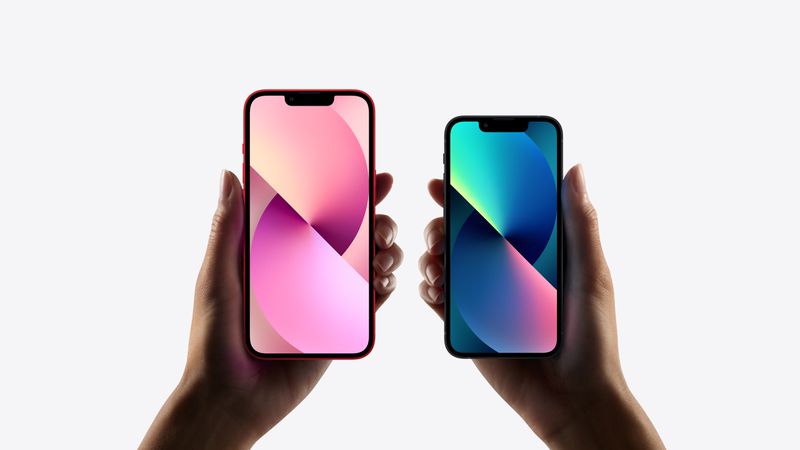
According to the leaks themselves, Apple saw that if the goal is to offer a small-sized phone, it is simply easier to launch a smaller traditional device rather than resort to a foldable design that could require greater technical compromises. This thinking reflects the company’s usual product development approach, where Apple tends to postpone any new technology until it can be delivered with high quality without sacrificing the device’s core components.
Foldable iPhone Design
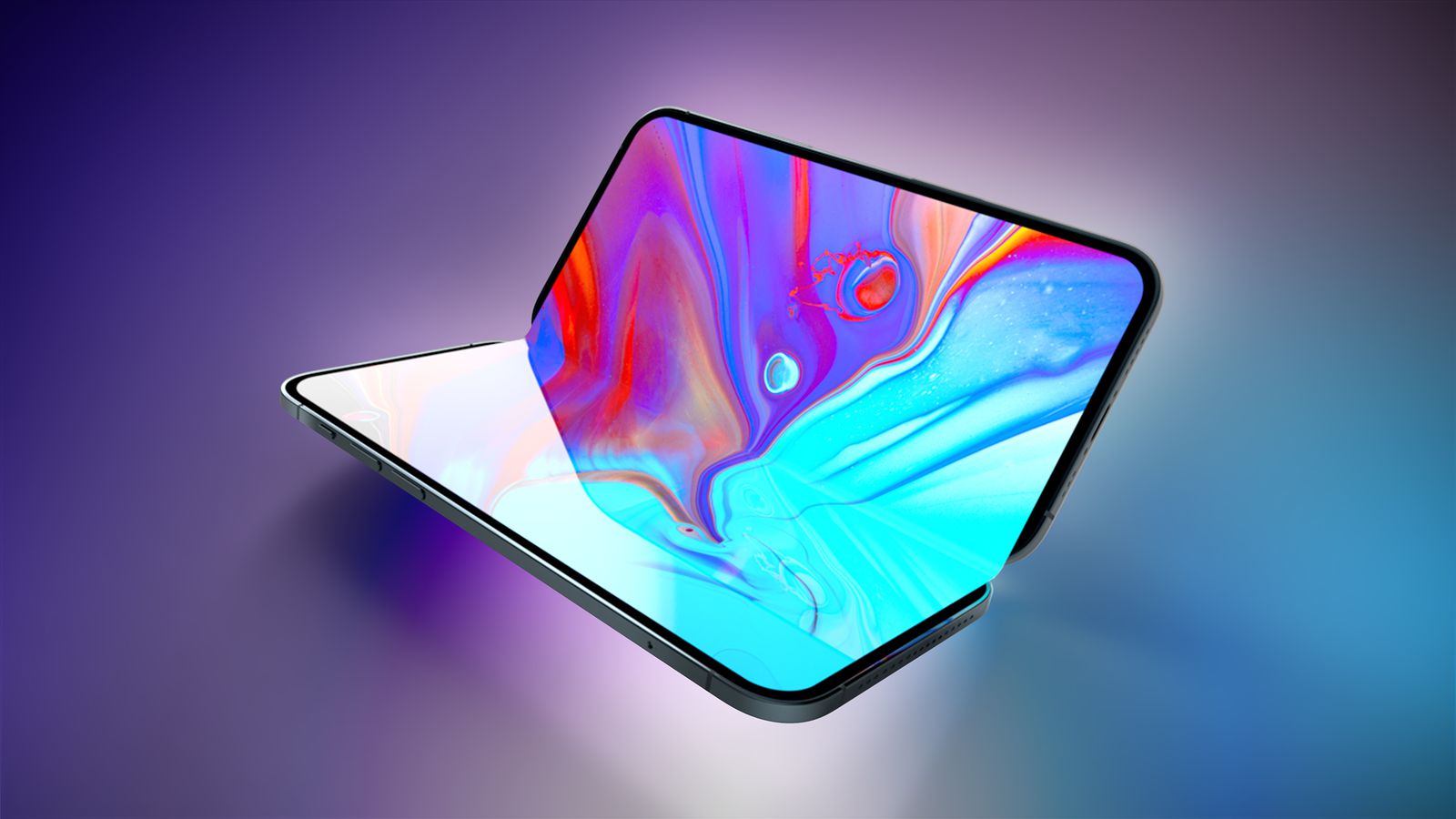
The earliest rumors about the first foldable iPhone emerged several years ago, and the discussion then centered on a device that folds like a clamshell phone. Later, reports shifted to the possibility that Apple is working on a different design resembling a book, a design that opens to become more like a small tablet. Some forecasts suggest that this type of device could appear in the market later this year.
Finally, when looking at the aforementioned reasons, Apple’s decision to postpone the clamshell foldable phone concept appears logical. The company consistently aims to launch products that deliver an integrated experience, unlike other companies that might release a phone merely to showcase a new technology or feature. Given the internal design constraints, lack of genuine use cases, and previous attempts that fell short of expected success with small phones, it seems Apple chose to wait until foldable phone technologies mature further before presenting its own vision for this type of device in a way that meets its usual standards for quality and user experience.
Was Apple’s rejection of the clamshell design a logical decision or would it have been better to take the risk? Tell us in the comments!
Source:

Leave a Reply