Finally, it seems the firewall between the “green bubbles” and the “blue bubbles” has begun to rise—not to block communication, but to secure it! In the iOS 26.5 beta, end-to-end encryption (E2EE) via the RCS protocol has become active and real. This means that Phonegram users on the beta can now exchange encrypted messages with their friends on Android phones (using the latest version of Google Messages), and the appearance of the iconic “lock” icon confirms that this is more than just marketing promises. As usual, Apple takes its time testing security features before rolling them out to hundreds of millions of users, so don’t worry if you don’t see the feature yet.
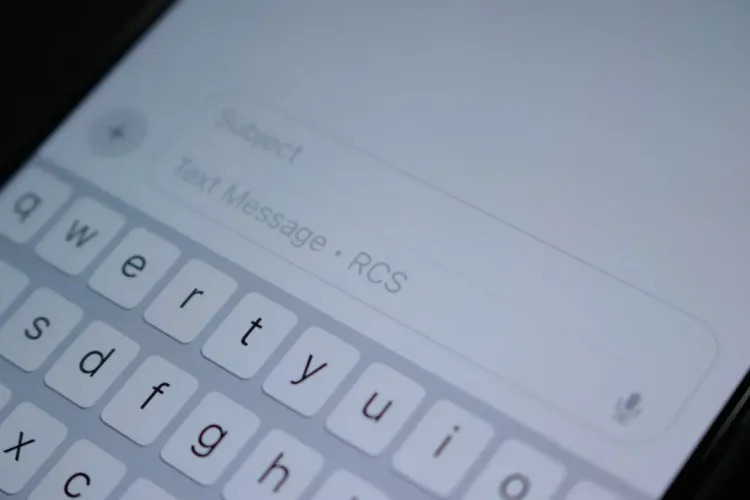
RCS Encryption Between Phonegram and Android: What Actually Works in the Beta?
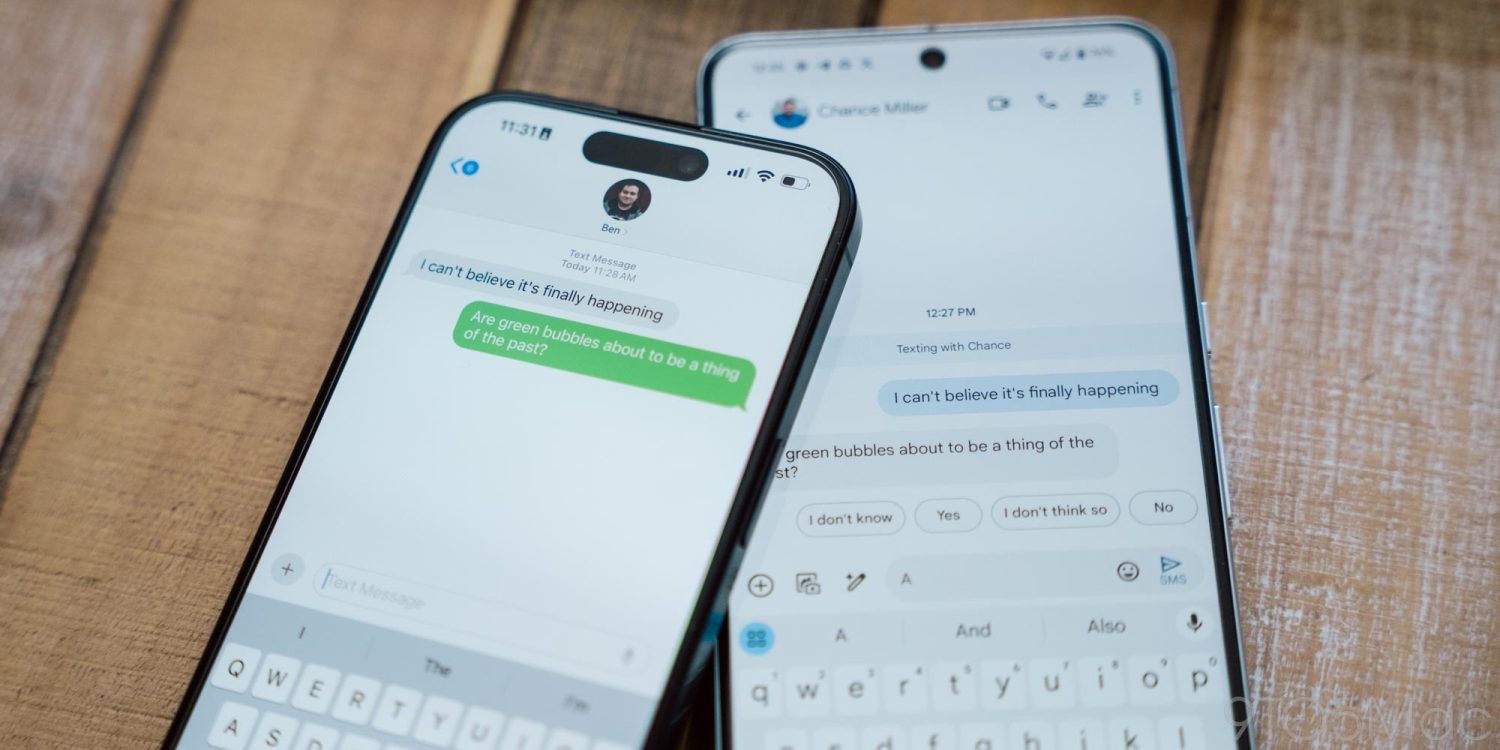
The current situation can be summarized in three key points:
◉ The feature is already working in the testing environment, but it is not yet available to all users and will not reach the general public until a later update in the 26.x series.
◉ The requirements are technically simple but entirely “beta.”
◉ You will need to install iOS 26.5 beta on your Phonegram, and the other party (the Android user) needs the latest version of the Google Messages app.
When these conditions are met, along with support from your carrier, a lock icon will appear in the conversation to confirm that encryption is active. It is worth noting that this option is enabled automatically in settings for supported devices and networks and requires no intervention from you. However, if the lock icon does not appear, you should assume your messages are not currently protected, regardless of the system version you are using.
The Global Standard Behind the Scenes: Why This Change Is Bigger Than Just an Apple Feature
Apple did not build this system in total isolation, which is the secret to its expected robustness. The encryption relies on the RCS Universal Profile 3.0 standard, a new technology that Apple helped develop in collaboration with the GSMA. This update moves from version 2.4, which Apple previously shipped, to a version that supports encryption based on the MLS (Messaging Layer Security) protocol, an approved global standard.
The MLS protocol solves the major problem that previously made cross-platform encryption impossible: how to exchange and rotate encryption keys between servers of different companies (Apple and Google) without one company controlling the other’s keys. This means that a Phonegram and an Android device can now establish a shared encrypted session with complete privacy. Since this relies on global standards rather than a bilateral agreement, it is designed to withstand future system updates and device generations.
What Does Encryption Protect… and What Are Its Real Limits?
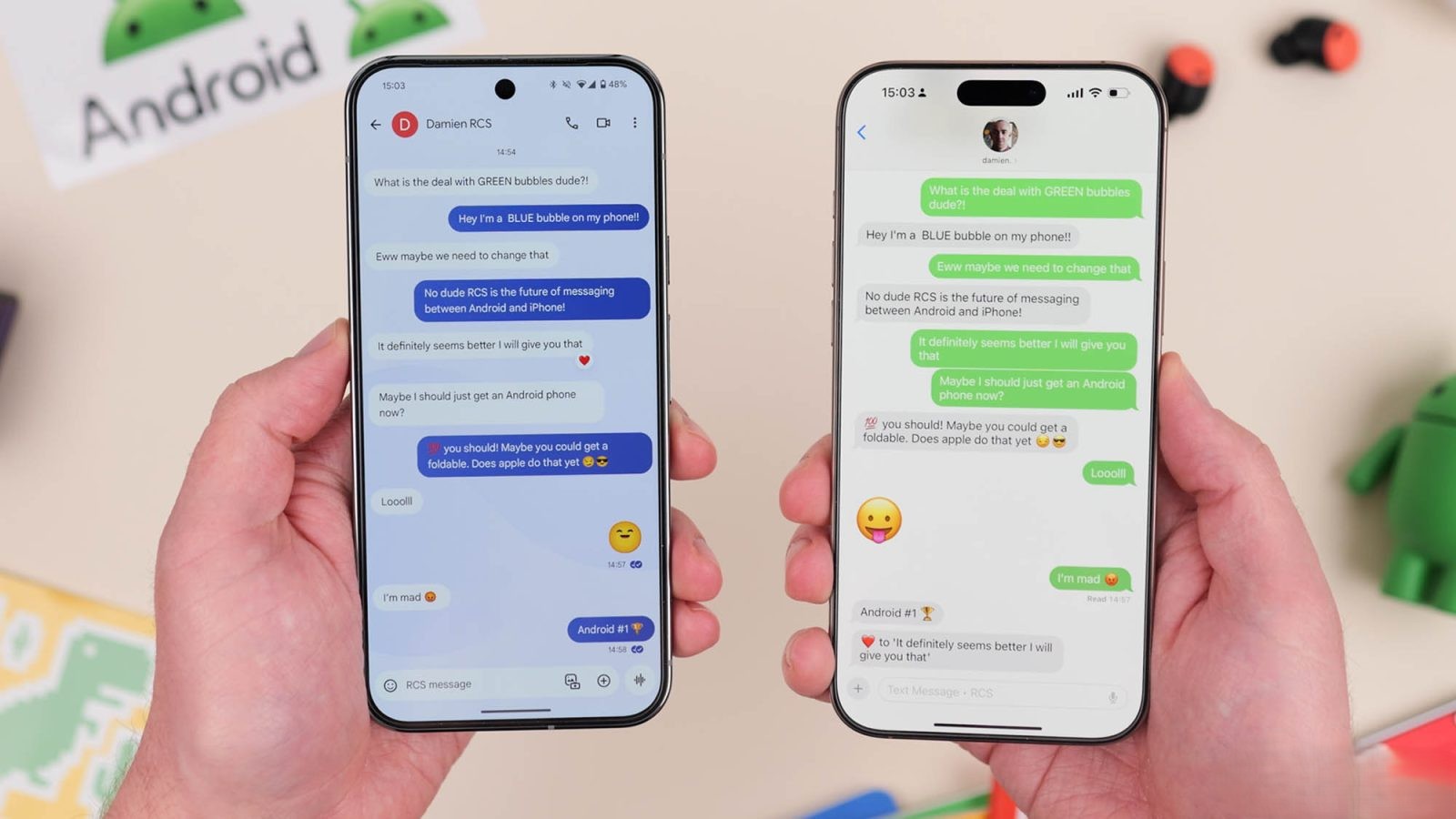
When that little lock appears, it provides specific and effective protection; the content will not be readable by carriers or any entity in the message routing path. This closes a historical security gap that caused messages between Phonegram and Android to travel across the internet as completely exposed text. Now, “green bubbles” will enjoy the same level of basic protection that “blue bubbles” have enjoyed for years.
However, precision is the key to success. Encryption only protects the content; “metadata” such as who you are talking to, when, and the number of messages remains outside the scope of this encryption. Furthermore, carrier practices and message backups remain separate issues. Therefore, if your security threat level is very high, specialized apps like Signal remain the best choice, because RCS encryption provides a “floor” for security for everyone, not a final “ceiling” for absolute privacy.
Timing and What Extended Testing Suggests

Apple’s developer notes in iOS 26.4 were clear that the feature would not be released in that update, and its continuation in the iOS 26.5 beta confirms that Apple is running it through multiple software cycles to ensure stability. The goal is to bridge the security gap and make cross-platform messaging smarter, as the Universal Profile 3.0 standard also adds features like message editing, deletion, and direct replies in shared conversations.
Ultimately, we are facing a radical change in the philosophy of cross-platform communication. Availability will remain tied to carrier and device support, and the lock icon will remain your only safe guide to confirm your conversation is encrypted. It is a big step toward making communication safer for everyone, regardless of the bubble color they prefer.
Source:
Leave a Reply