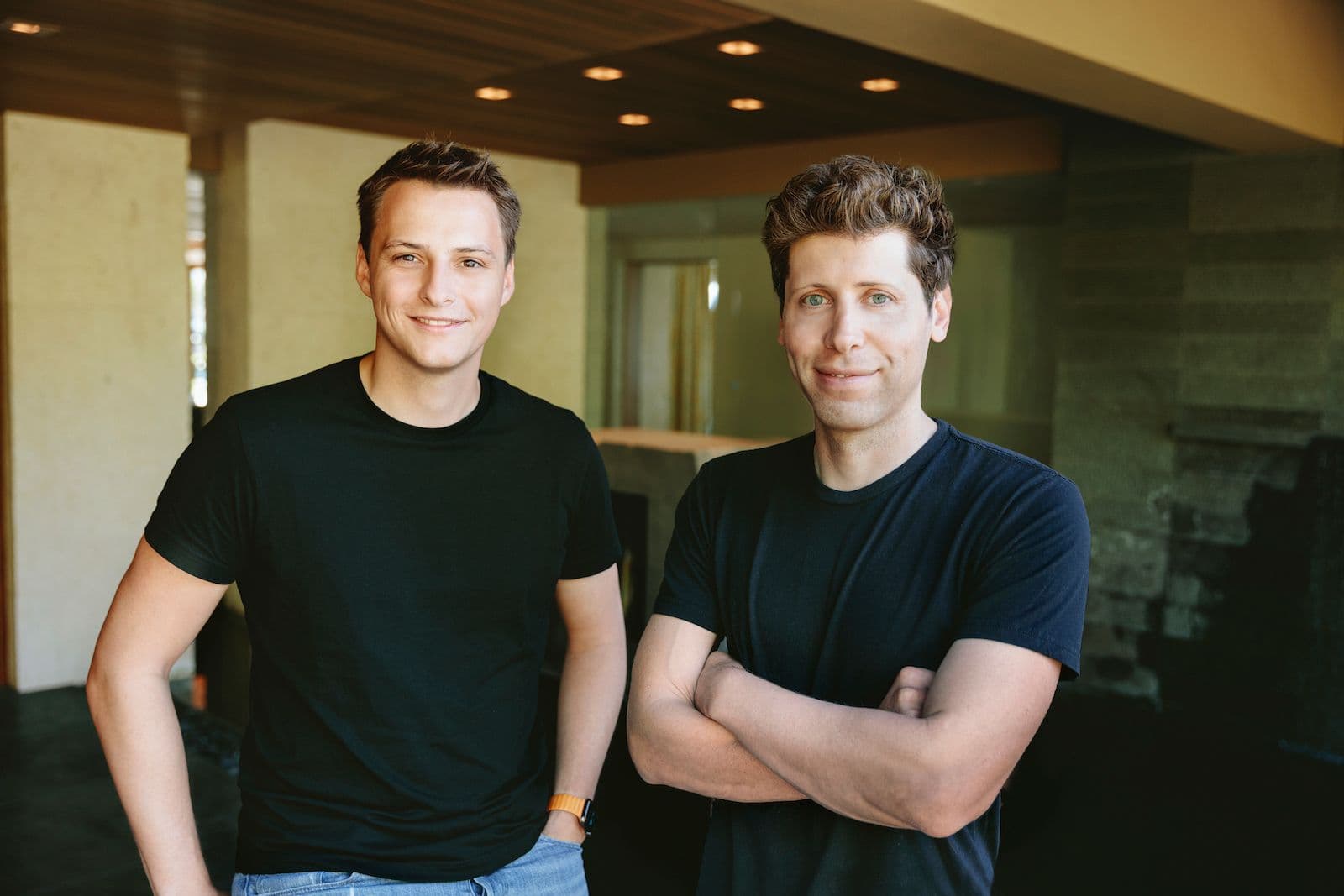
It seems that Sam Altman, the man who is preoccupying the world with his artificial intelligence at OpenAI, has decided to provide us with the antidote to the poison he brewed himself. While humanity worries about armies of robots that might steal our jobs or even our identities, his ambitious project, World (formerly known as Worldcoin), has launched what it describes as the biggest update to the World ID system. The goal? To build an infrastructure that proves you are a “real human” in a world where distinguishing between humans and machines has become harder than trying to understand Apple’s privacy terms! This new system acts as a protective shield against deepfakes and the bots that have begun to invade every corner of the internet.
The magical Orb spheres and proving humanity
The World system relies on its famous and simultaneously controversial devices, the “Orb” spheres, which are specifically designed to scan the face and iris. The idea, simply put, is to turn your eyes into a unique encryption code that proves you are a human once and for all. Although some view these metallic spheres with suspicion, as if they came from science fiction movies, the company asserts that it deletes images immediately after processing them and sends only anonymous parts of the code over a distributed network to confirm registration.
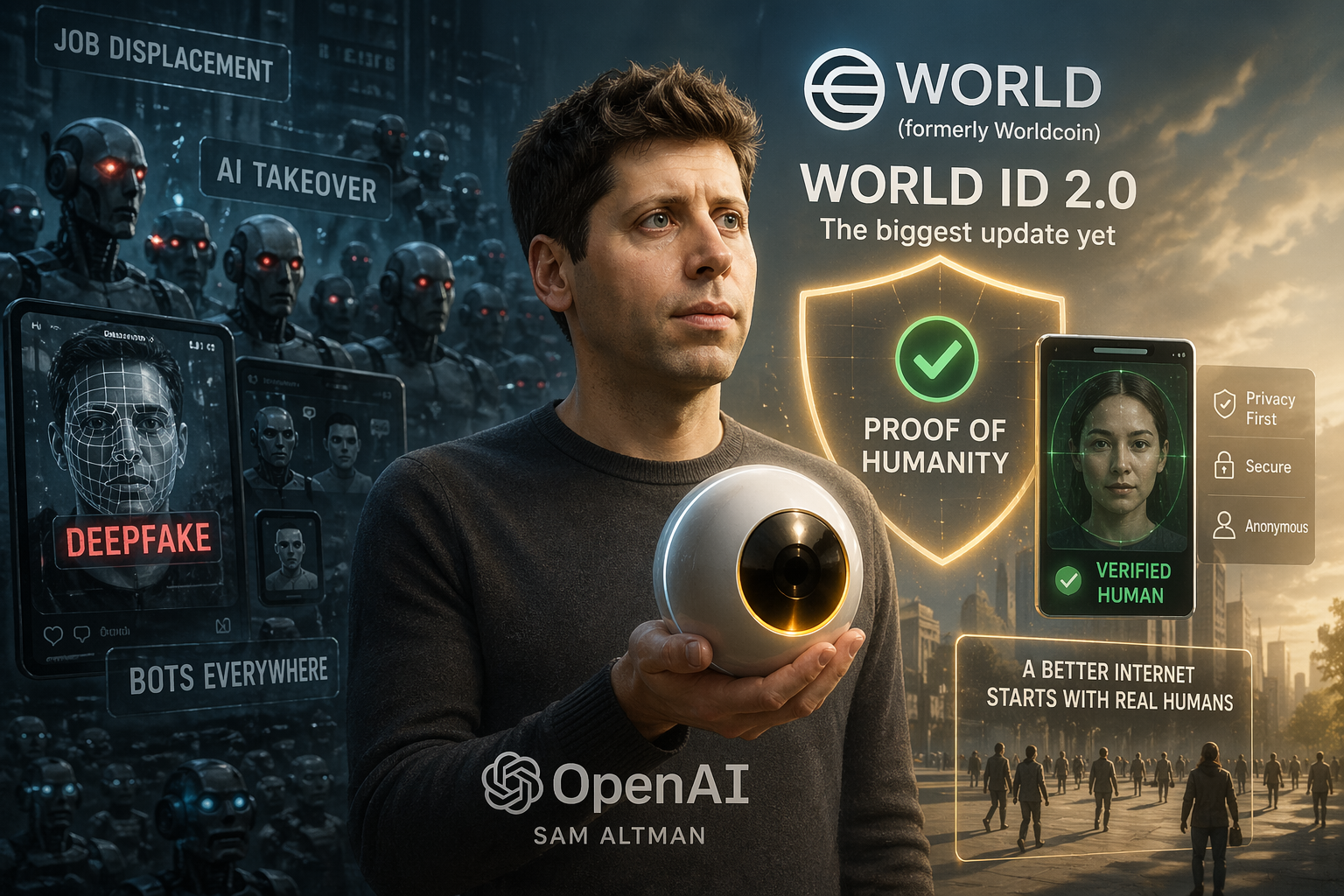
The new update, dubbed “World 4.0,” focuses heavily on improving privacy, security, and ease of use. According to project executives, possessing a digital human identity will be invaluable in the age of artificial intelligence, where every service on the internet will need to verify that it is speaking to a breathing being and not just a smart algorithm trying to deceive it.
From dating apps to Zoom meetings
It is no longer just a theoretical technology; the real world has begun to adopt it. World has announced the expansion of its partnerships to include platforms like Tinder, where users will be able to display a “Verified Human” badge to ensure that the person you are talking to is not an image generated by AI. The company has also collaborated with Zoom to introduce a “Deep Face” feature, which verifies that meeting participants are real people and not deepfakes trying to impersonate your manager!

It didn’t stop there; it extended to services like Docusign for digital contract verification, and even gaming and entertainment platforms to fight scalper bots that prevent real fans from attending their favorite concerts. An “AgentKit” tool for developers was also launched, which allows for linking human identities to software agents, opening the door to secure e-commerce backed by real human guarantees.
The future of the human network
Sam Altman stated during the event that the World ID system is moving confidently toward becoming a “true human network for the internet.” With a dedicated app (currently in beta) to manage these digital identities, it seems we are approaching a day when logging in via World ID will be as easy as using Face ID on your Phonegram.
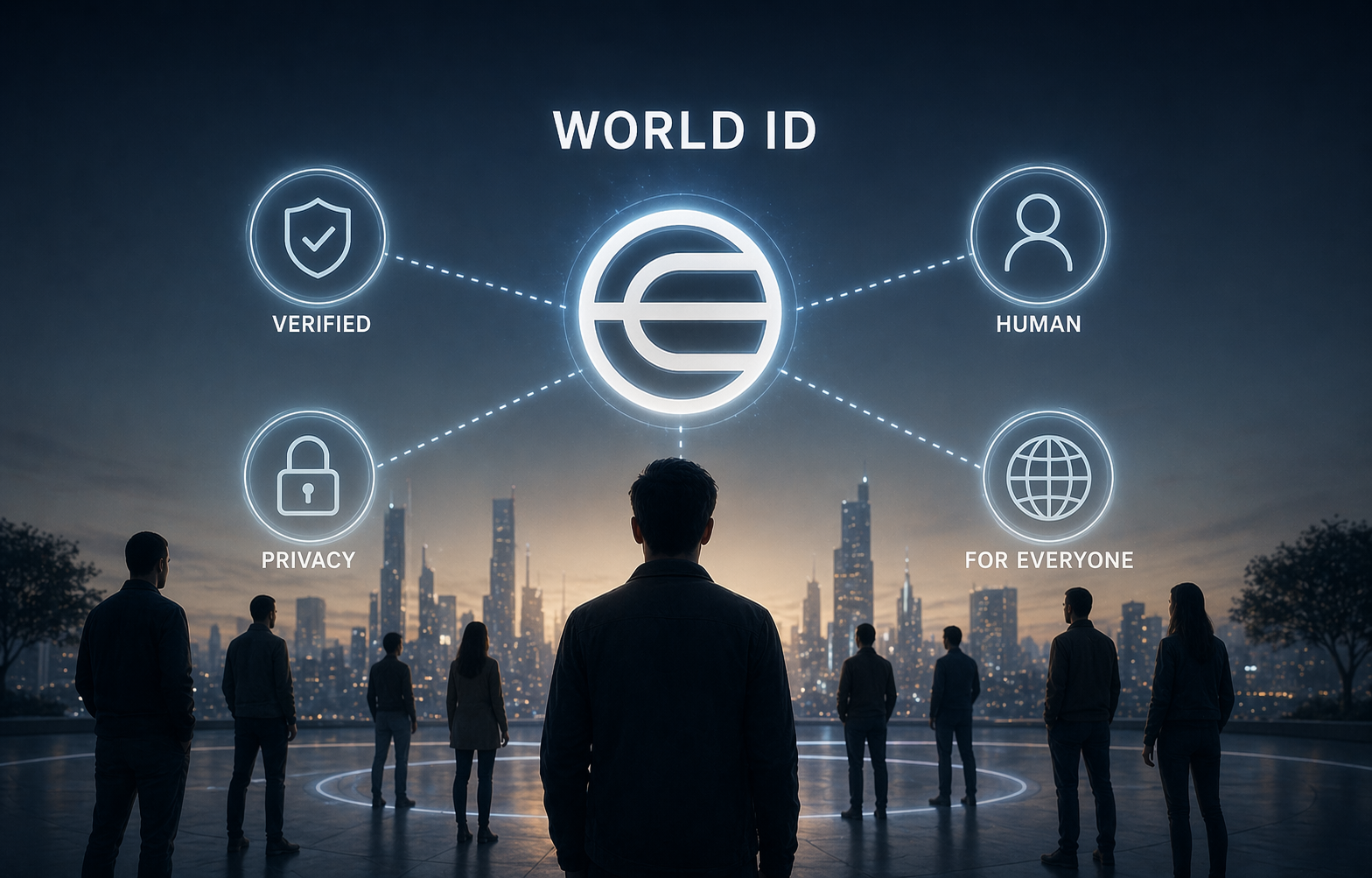
Despite ongoing criticism regarding the collection of biometric data, Altman and his team are betting that the urgent need for digital trust will outweigh the concerns. In a world filled with fake copies, your human reality will be the most valuable thing you own. We are waiting to see how this technology will evolve and whether it will become the new global standard for trust on the web.
Source:
Leave a Reply