It seems the AI revolution we are living through today is not just about smart software; it is a voracious beast consuming physical resources above all else. If you are planning to buy a new iPhone or Mac in the coming years, you might want to prepare for some price fluctuations, or at least understand why some features might be delayed. Recent reports indicate that the global memory chip shortage is not going away anytime soon and may haunt us until 2027. The reason, quite simply, is that major manufacturers prefer to feed AI servers rather than our personal devices.
AI Servers Devour the Lion’s Share
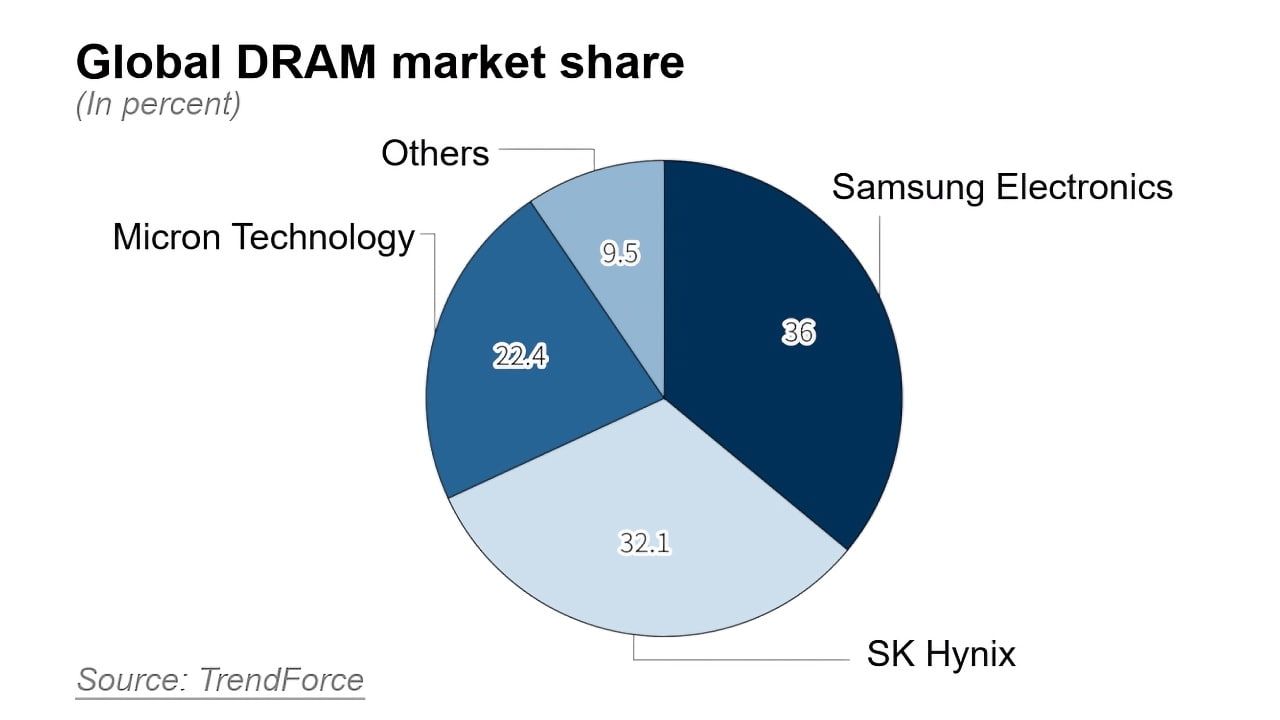
Giants like Samsung, SK Hynix, and Micron are no longer focusing on the traditional memory found in phones and laptops. Instead, these companies have shifted their weight toward producing High Bandwidth Memory (HBM) dedicated to AI servers, where profits are abundant and demand is endless. This strategic shift has directly led to a reduction in the availability of standard components that consumer devices rely on.
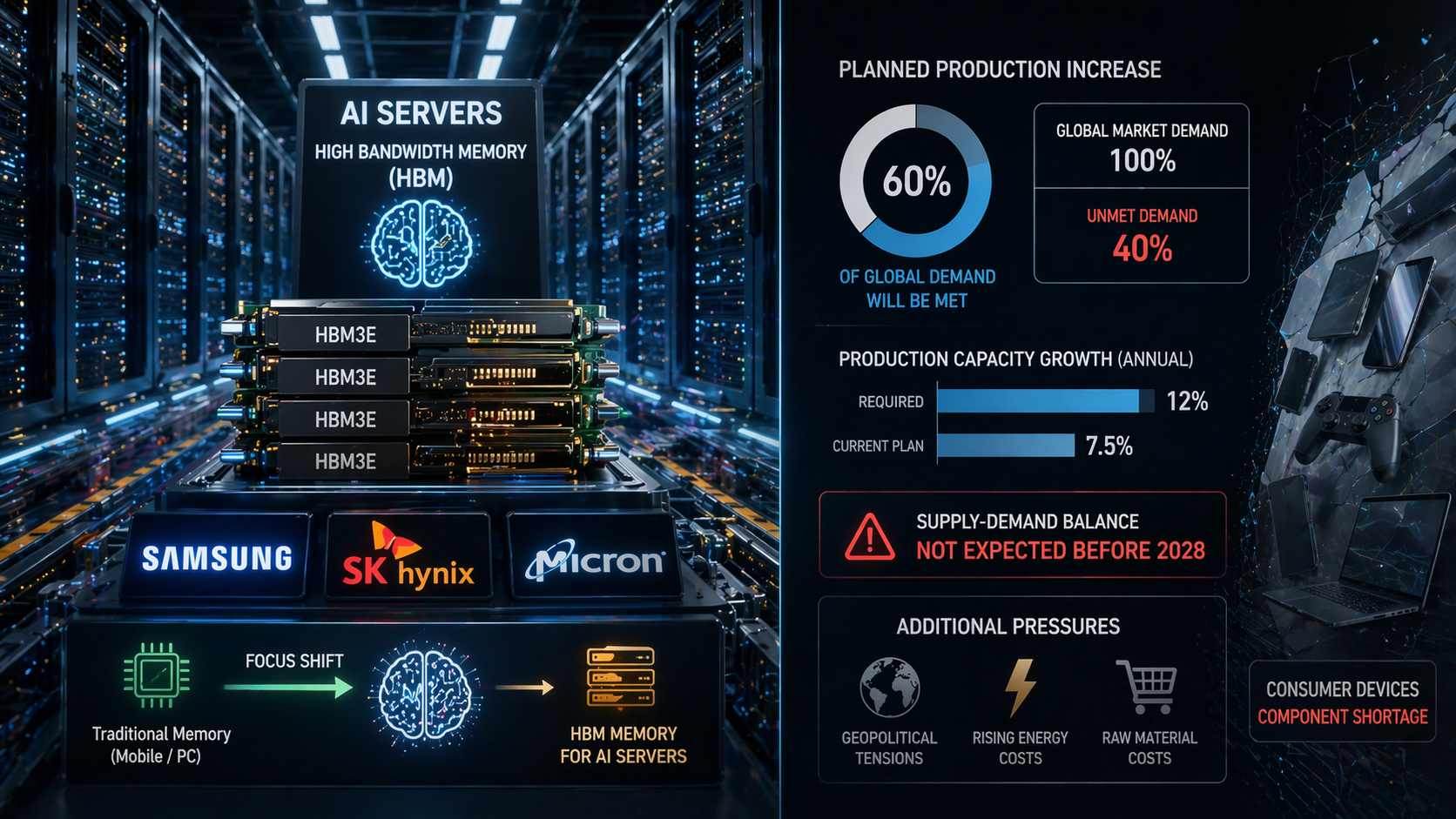
Nikkei data suggests that the planned production increases by major chipmakers will cover only about 60% of global market needs. For this crisis to end, the sector needs to expand its production capacity by 12% annually, while current plans stand at only 7.5%. This means we will not see a real balance between supply and demand before 2028 at the earliest, not to mention geopolitical tensions that are increasing energy and raw material costs.
The Cost Will Hit Your Pocket Directly
If you think these matters are purely technical and do not concern you, think again. Memory typically accounts for about 20% of the manufacturing cost of mid-range smartphones, but forecasts suggest this percentage could jump to 40% by mid-2026. This immense cost pressure led IDC to predict a 13% decline in global smartphone sales this year, as small and medium-sized companies will find it extremely difficult to maintain their profits without raising prices drastically.

The laptop market is not doing any better, with warnings that laptop prices could jump by up to 40% to offset the rise in component costs. Imagine paying a significant extra amount just because some company’s servers somewhere need more memory to train a new AI model!
How is Apple Manipulating This Crisis?
This is where Apple’s “superpower” comes into play. Apple, which recently surpassed Samsung to become the world’s largest smartphone maker, possesses terrifying purchasing power that puts it in a strong negotiating position. Analysts suggest that Apple is prepared to sacrifice a portion of its profit margins to keep the prices of the upcoming iPhone 18 lineup stable, which is good news for fans of the brand.
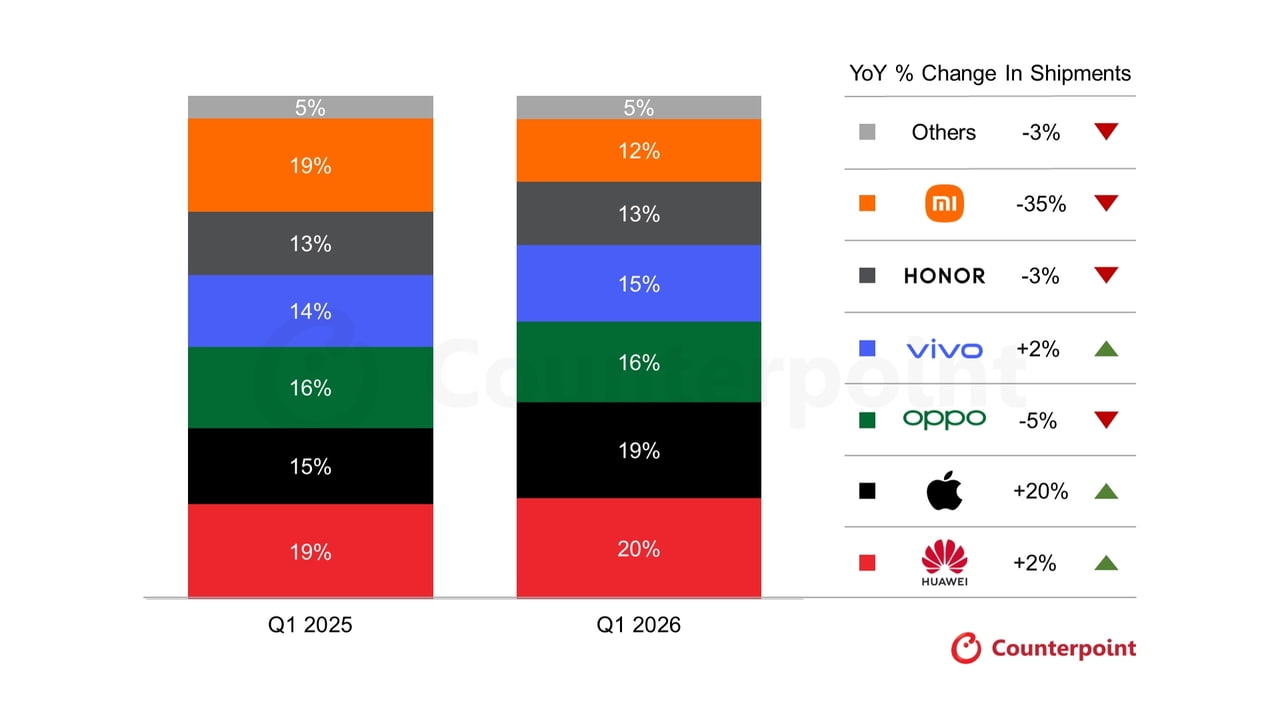
Apple did not stop there; it also showed intelligence in dealing with Mac devices. It launched the MacBook Neo at a price of $599, using repurposed A-series processors to achieve a competitive price in a heated component market. This strategy allows Apple to stay ahead even in the most difficult economic conditions.
The Future Needs Years of Building
Building new chip factories is neither easy nor fast. Samsung is building a massive plant in South Korea, but it will not start actual production until 2026 and will not reach full capacity before 2027. Similarly, Micron is building factories in the United States, Japan, and Taiwan, but most of this production will not reach the market before the second half of 2027.
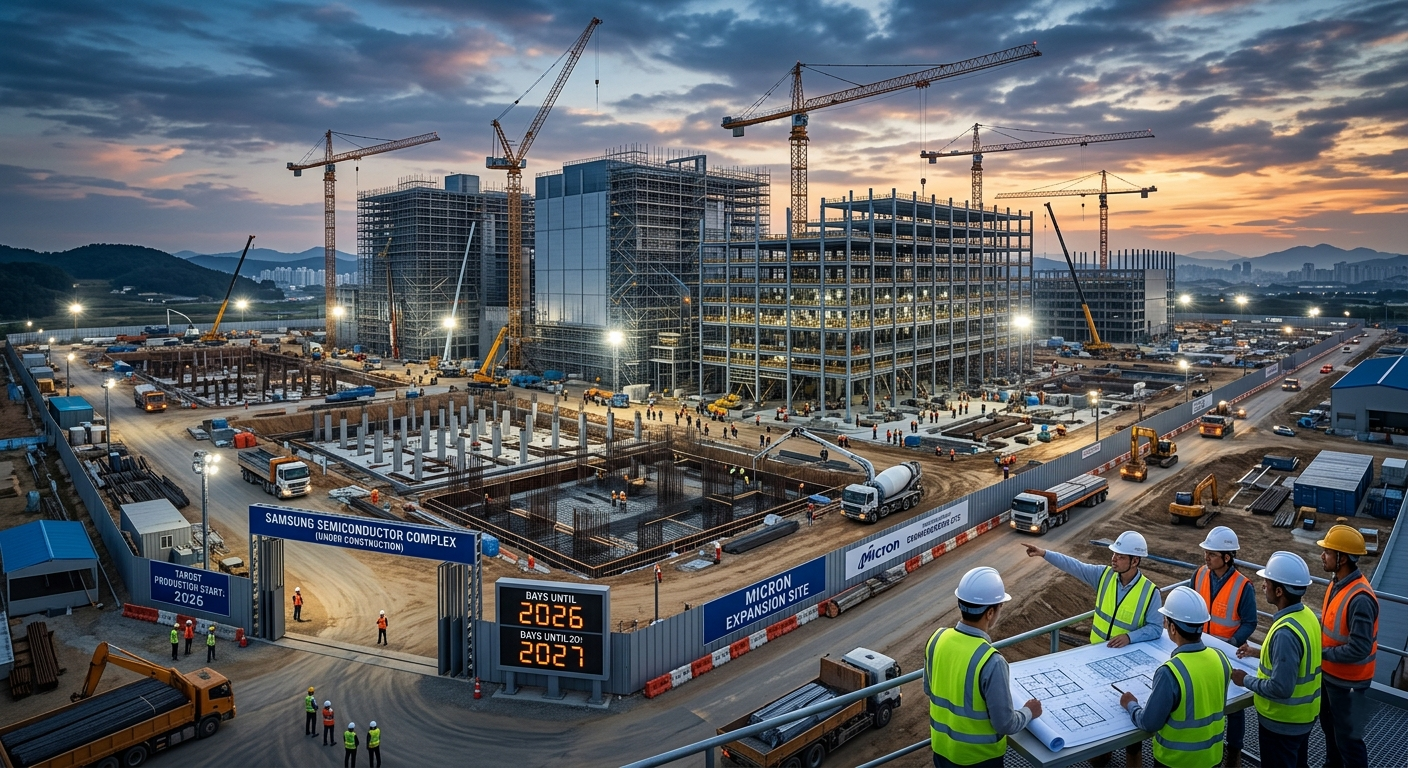
Even after these factories open, companies will need a long time to improve production quality and reach maximum efficiency. Industry executives have warned that constraints on AI-dedicated memory could persist until the end of the current decade, as demand continues to significantly outpace supply.
Source:


Leave a Reply