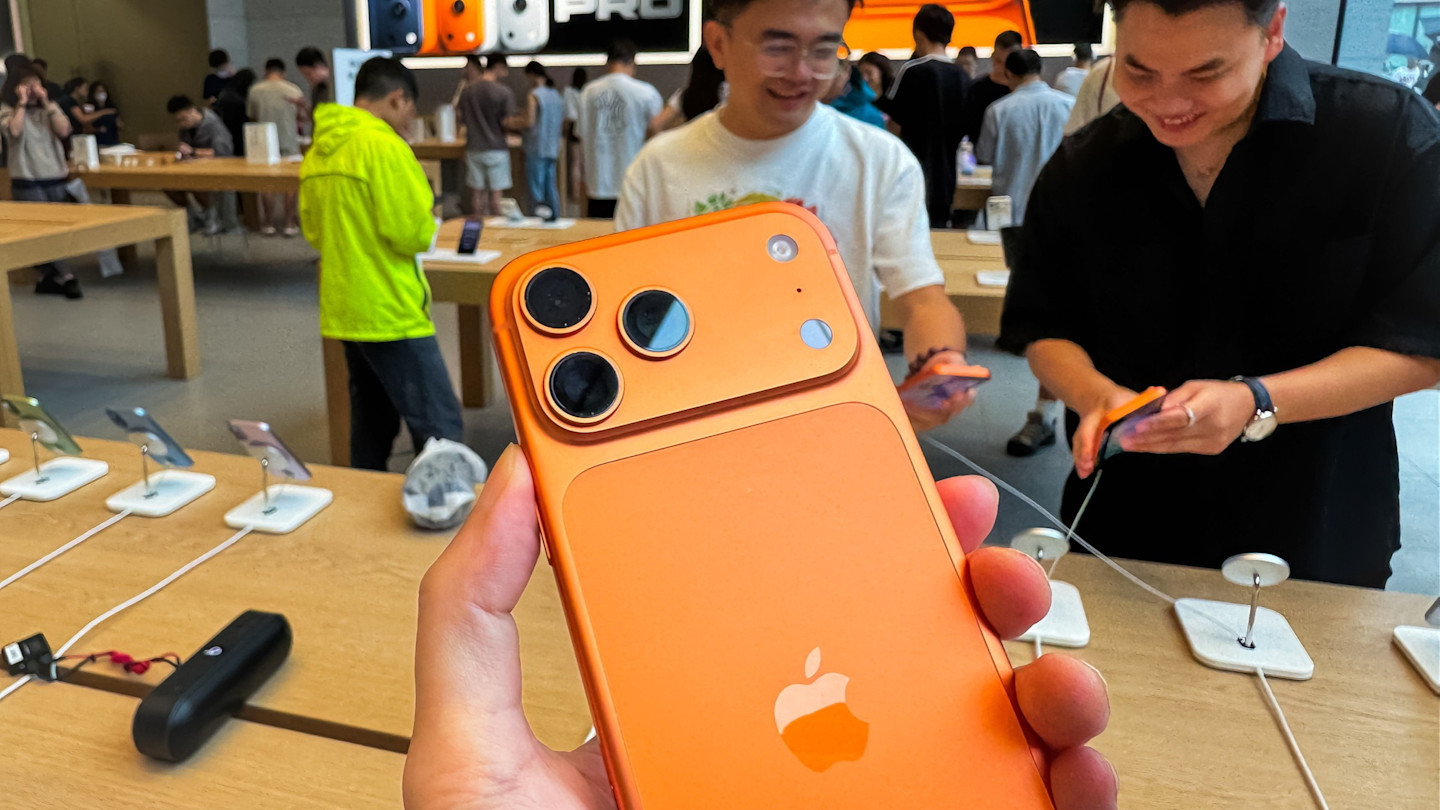
Over the past many years, the month of September meant one thing for iPhone users: upgrade season. A new announcement, shiny features, and an almost automatic desire to replace a phone that hadn’t been owned for very long. But the landscape is no longer what it used to be. Although users feel excitement when a new model is unveiled, they have become more conscious and rational. For this reason, users no longer chase every new release just because it is the latest; instead, they have started looking at their phones with a different perspective, asking questions like: Is my phone still fast? Does it handle what I need without issues? This shift from the desire for the new to being satisfied with what works has not only changed purchasing decisions but has redefined the very idea of an upgrade. In the following lines, we will answer the most important question: Why are we no longer racing against time to replace our iPhones?
Digital Maturity
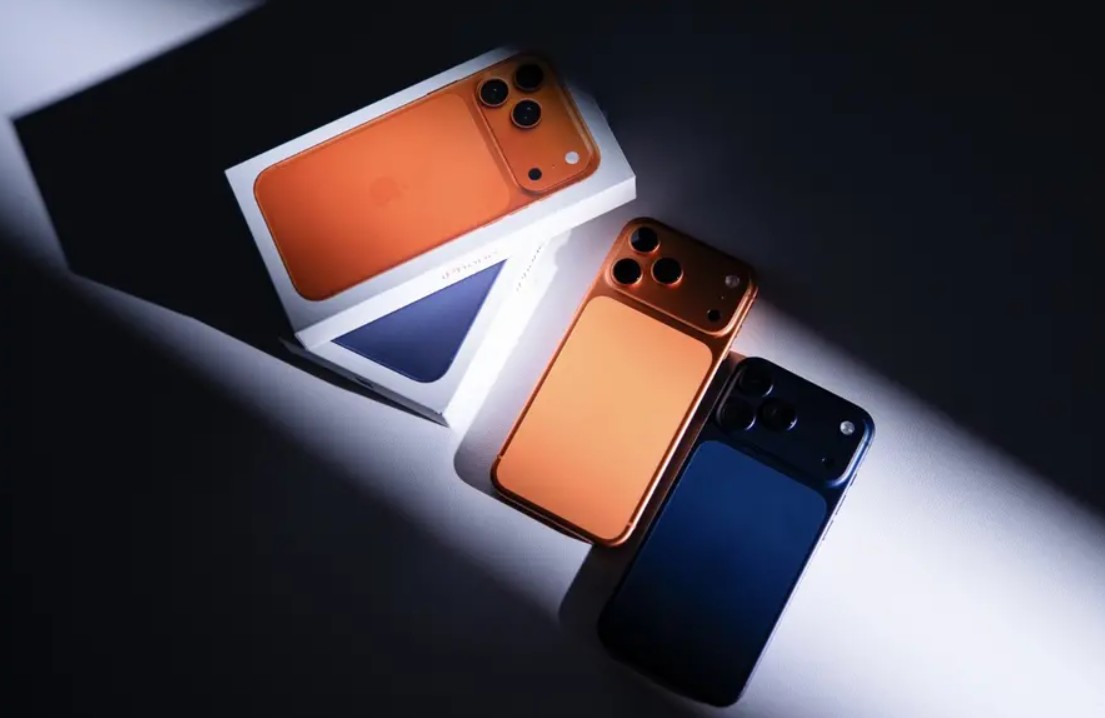
Data indicates a stunning shift in the behavior of Apple users, as the average age of replaced iPhones has risen to nearly 3.8 years. This means the two-year cycle has ended, replaced by a cycle ranging from 3 to 4 years. Not only that, but data from CIRP (specializing in consumer habit research) confirms that more than 42% of new buyers had owned their previous phones for three years or more. This means we are facing a new generation of users who prefer to invest in the device rather than consume it quickly.
Why has user behavior changed?
There are three main factors that have made the old iPhone look young for longer:
- Hardware Maturity: The differences between processors in recent years have become evolutionary rather than revolutionary. That is why the apps we use daily run with amazing smoothness on a 4-year-old iPhone.
- System Updates: Apple provides system updates for up to 6 years. This gives the user a sense of security that their phone will not become obsolete anytime soon.
- Economic Conditions: With rising prices globally, paying a large sum every two years has become an illogical decision, especially if your current phone still works well, or if the alternative is just changing the battery.
Artificial Intelligence will tip the scales
Although the upgrade fever is not what it used to be, a new factor is emerging that may change the equation again: Artificial Intelligence. Apple Intelligence features rely on high technical capabilities, so they remain exclusive to the iPhone 15 Pro, Pro Max, and newer models, which may push some users to consider upgrading at a faster pace. However, the impact of Apple Intelligence remains limited so far, as the company has not yet offered what could be considered a real leap that would push a user to abandon their current device just for these features. But with the leadership transition to John Ternus, it is expected that the focus on AI will increase more clearly in the coming period.
When should you upgrade and buy a new iPhone?
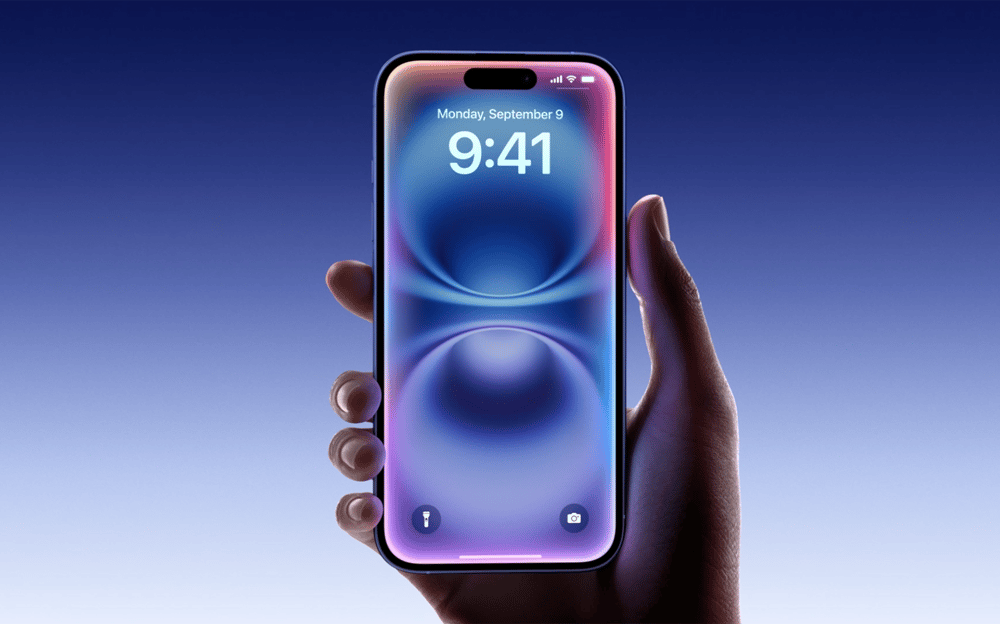
Before you get carried away by the shine of titanium or new cameras, ask yourself these questions:
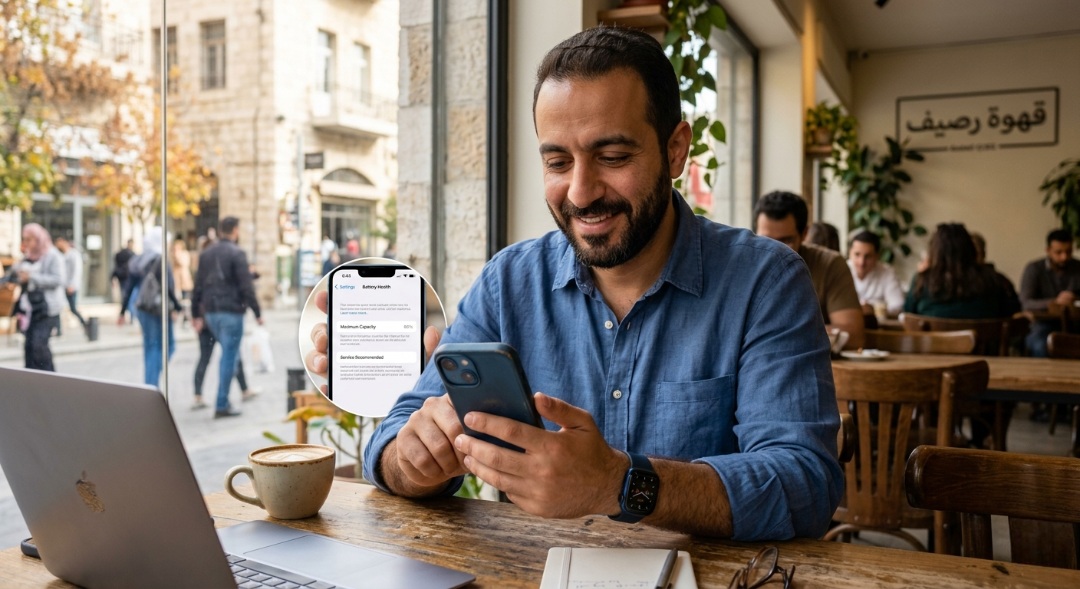
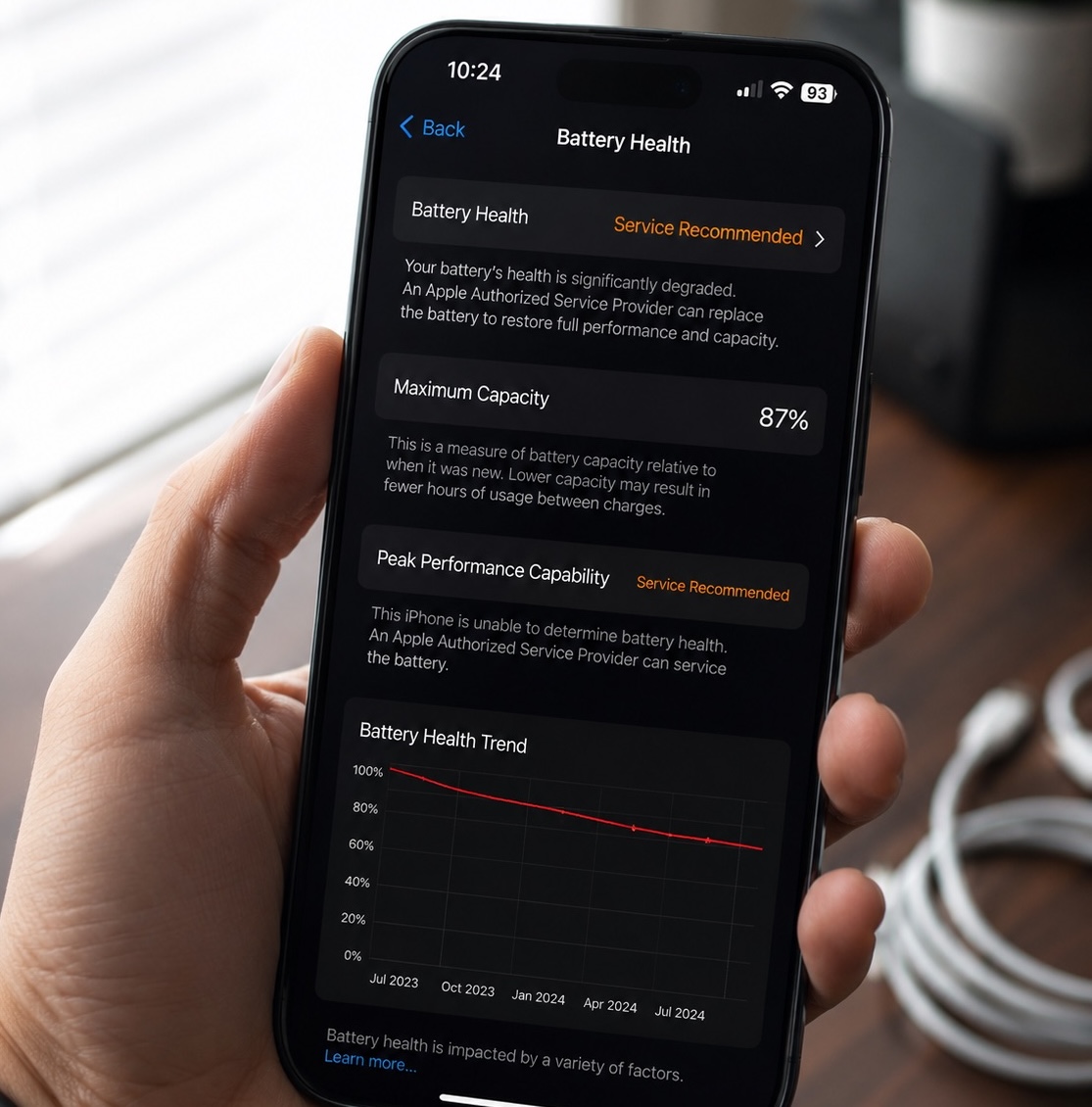
◉ Is the battery the problem? If the battery health is below 80%, replacing it for $89 might give you two additional years of operation without needing to buy a new $1000 iPhone.
◉ Has security support stopped? If your phone stops receiving iOS security updates, then changing it becomes a necessity to protect your data, not just a luxury.
◉ Are overheating and lagging hindering your work? If the iPhone starts overheating during normal tasks or stops responding, this is an indicator that the system can no longer keep up with the requirements of modern apps.
In the end, the iPhone is no longer just a device to be replaced every year; it has become a tool that can be relied upon for many years. If your current phone performs its tasks well, there is no need to rush to change it; keeping it for several years might be a more rational choice. Sometimes, waiting until a real leap in features appears is the smartest decision from a practical and financial standpoint.
Do you think the annual iPhone upgrade is a necessity, or has the idea of keeping it for longer become the most logical choice? Tell us in the comments!
Source:
Leave a Reply