Keeping your iPhone for many years is no longer as strange as it once was. Modern models last longer, and Apple continues to support its phones with updates for years, which leads many users to delay the idea of upgrading as much as possible. However, there comes a moment when the phone starts sending clear signals that it is no longer capable of providing the experience you are accustomed to. It is not just about the age of the device or the year it was released, but about its ability to keep up with your daily usage without any issues. In the following lines, we will take you on a tour to take a quick look and learn about 8 signs that, if you find them, mean it is time to change your iPhone and buy a new device.
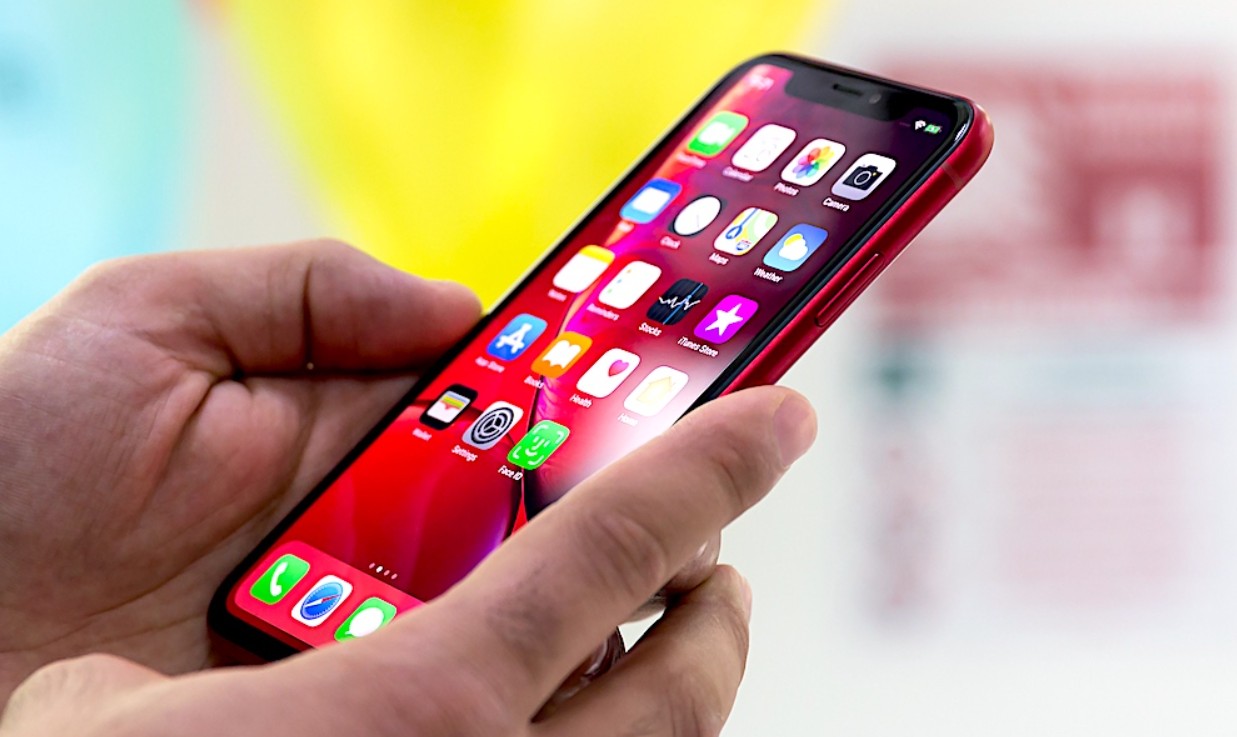
You cannot install the latest version of iOS
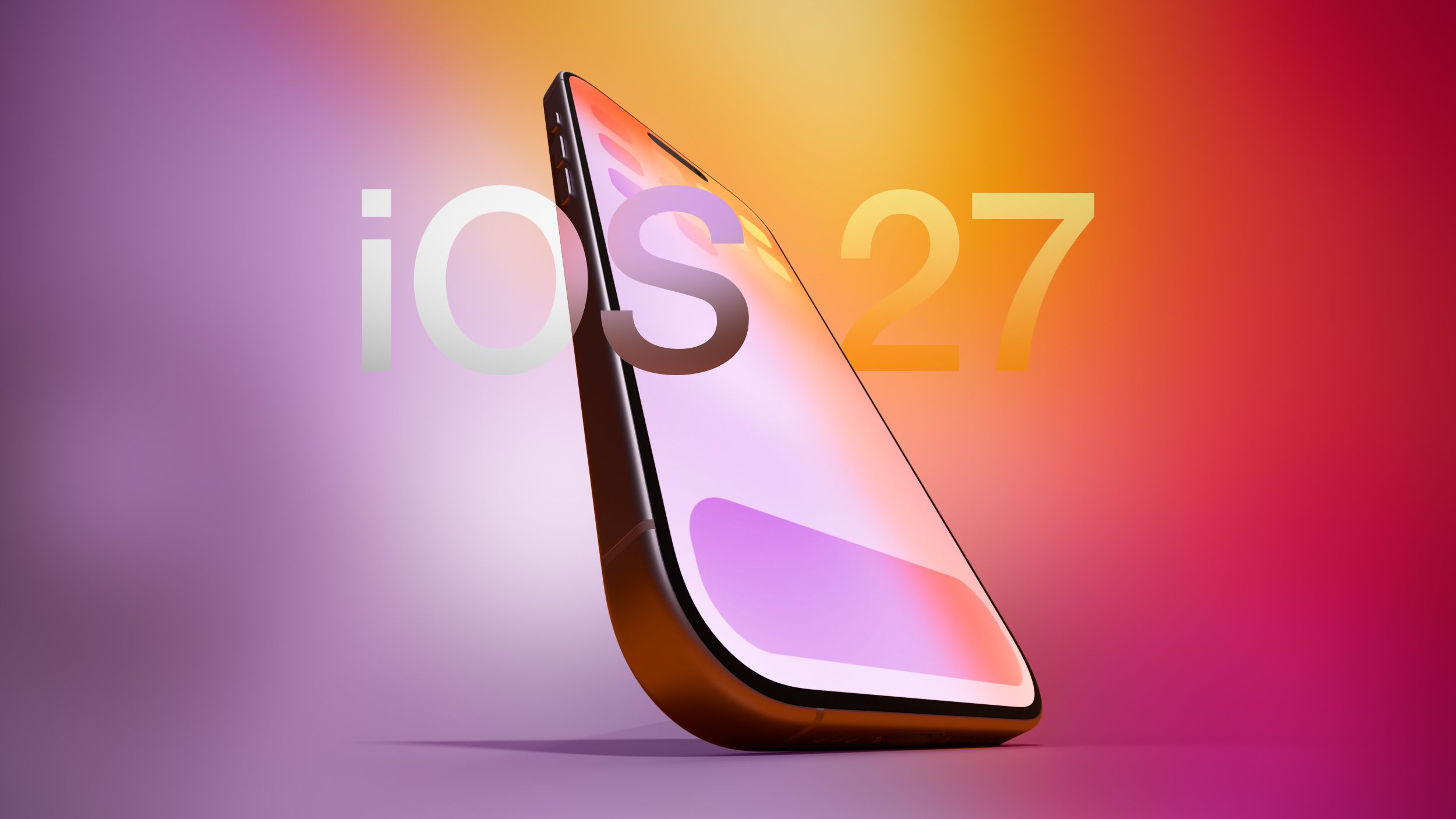
When your iPhone stops supporting the latest version of iOS, this is one of the most important signs that its primary lifespan is coming to an end. While the phone may continue to work normally for a while and receive limited security updates, you will gradually lose out on new features developed by Apple, as well as improvements related to performance, artificial intelligence, and modern apps. Over time, some apps and services will begin to drop support for older devices, leaving you outside the experience that users of newer iPhone models enjoy.
The battery no longer lasts as it used to
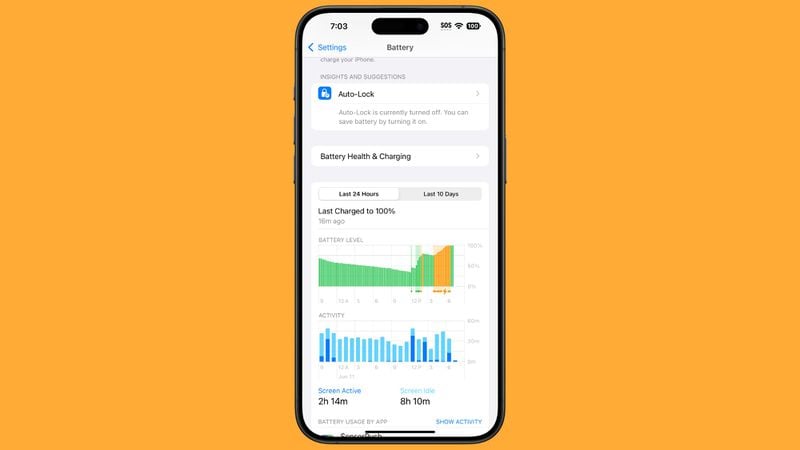
If you find yourself having to charge your iPhone more than once a day, or notice a rapid drop in battery percentage, the problem is likely no longer minor. A damaged battery not only affects usage time but can also cause poor performance, device overheating, and sometimes sudden crashes and shutdowns. While replacing the battery can often be a good solution, it becomes less worthwhile when the issue is accompanied by device sluggishness or an aging system.
Performance has become slower than usual
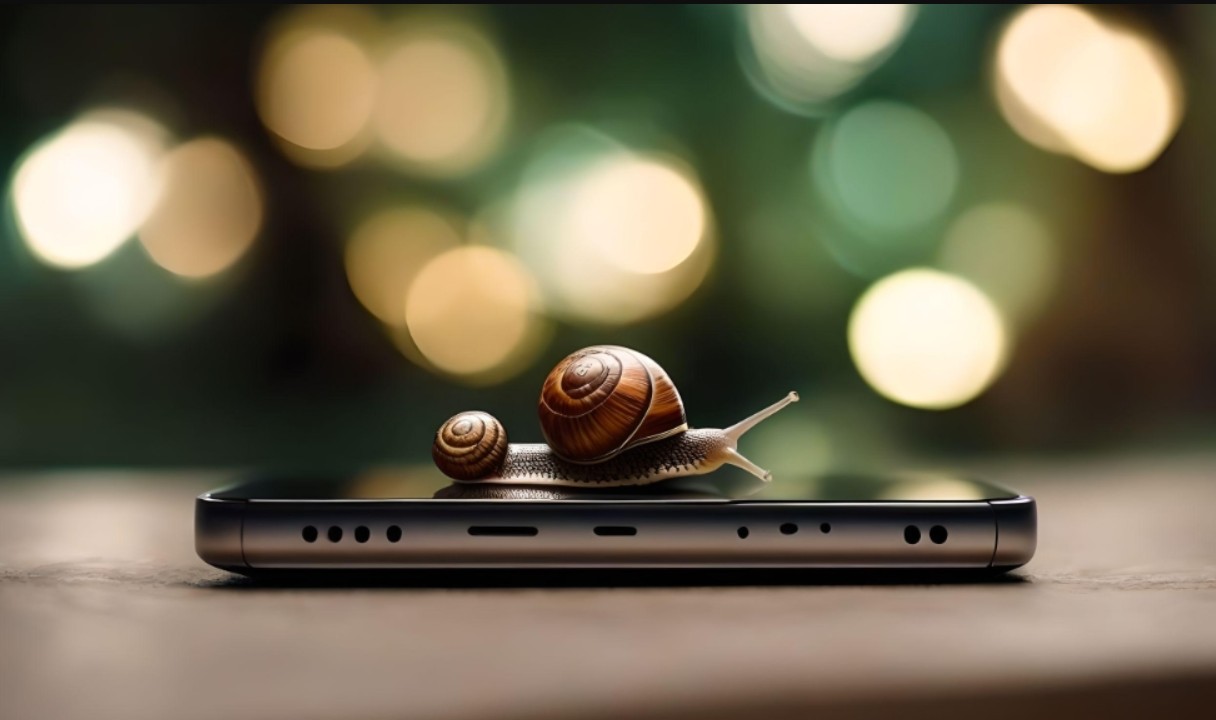
The phone doesn’t necessarily have to become unusable for you to feel that its performance is no longer comfortable. Sometimes, it is enough for apps to take a few extra seconds to launch, for stuttering or lag to occur while scrolling, or for the camera to be slow to capture, for you to feel that the experience is no longer as smooth as it once was. These small details become very annoying with daily use, especially if you rely on your iPhone for work, commuting, or photography constantly.
Storage space is constantly running out
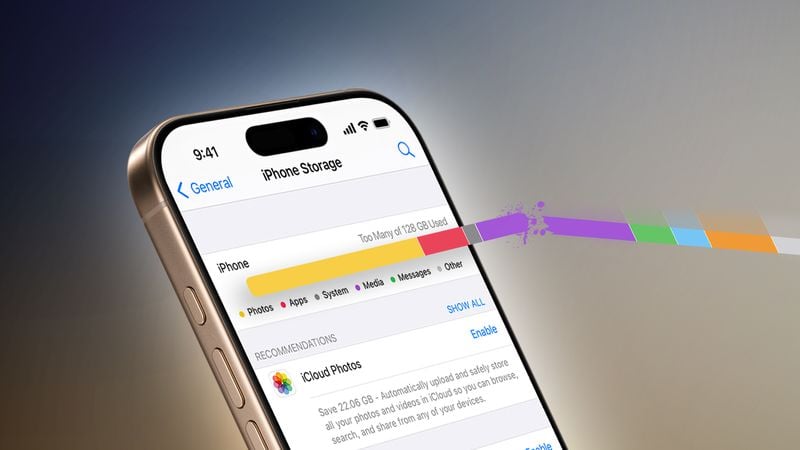
One of the most annoying problems with older iPhones is the constant filling up of storage space. When you have to periodically delete photos, apps, or videos just to install a new update, it means the storage capacity is no longer suitable for your current needs. As the space fills up, other problems begin to appear, such as the phone slowing down or some apps failing to work properly. Therefore, upgrading to a newer device with larger capacity can be a comfortable step in the long run.
The camera is outdated
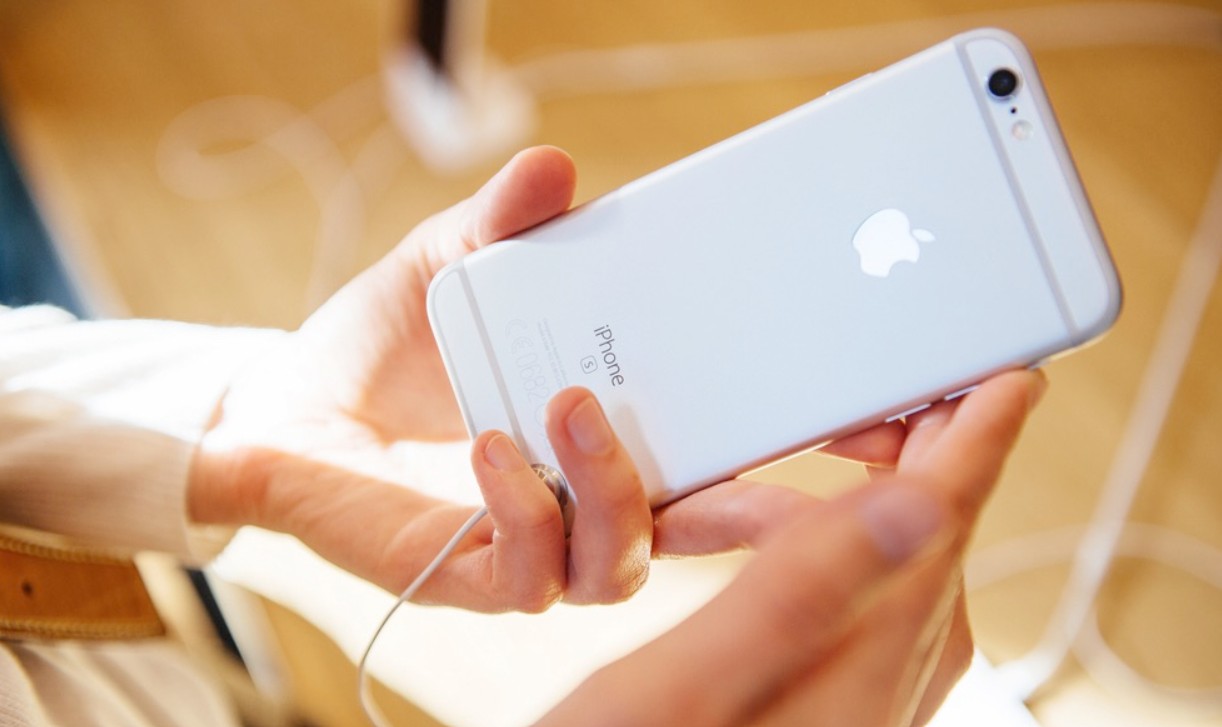
For many, the camera has become the most important part of the phone, which is why Apple focuses heavily on improving it with every new generation. If you start to feel that your night photos have become poor, or that video quality is no longer satisfying, or that you are missing important moments due to slow shutter speed or weak zoom, it may be time to think about a newer phone. It can be said that new phones not only offer higher resolution but also provide better image processing and more professional results in various lighting conditions.
Repair costs are high
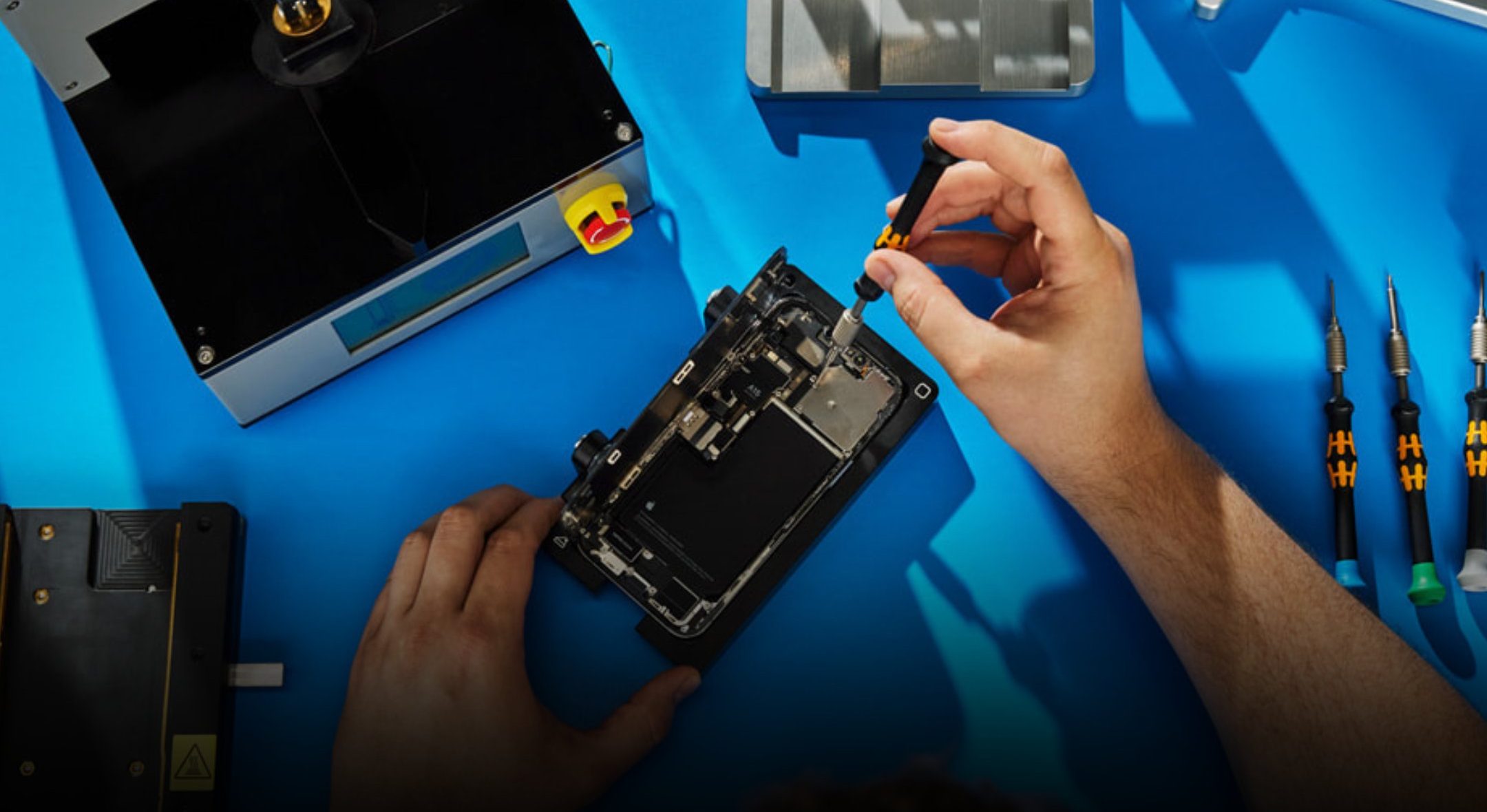
Sometimes, repairing an iPhone becomes like trying to revive a device that has reached the end of its actual life. For example, if you need to replace both the battery and the screen, and at the same time suffer from system sluggishness or other problems, it might be better to save those costs and buy a new device instead of continuing with repairs and maintenance. Keep in mind that the repair process makes sense when the problem is limited, but the accumulation of faults often makes upgrading the most economically smart choice.
Apps do not run smoothly
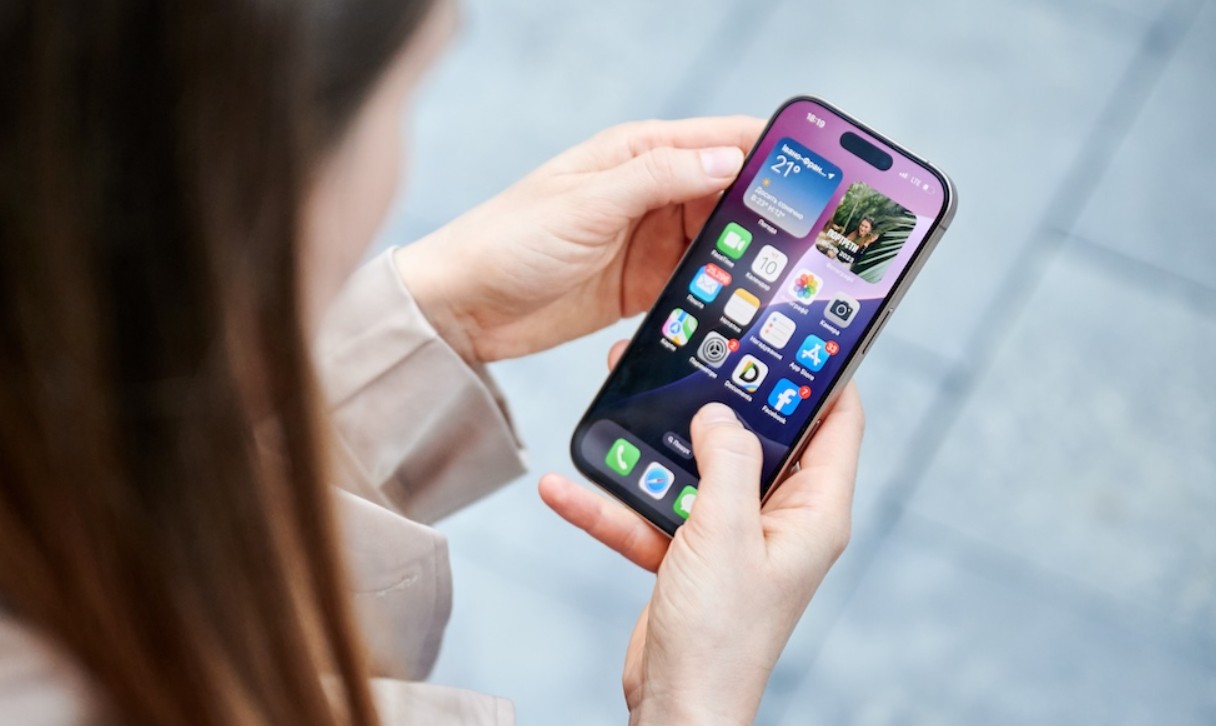
The phone might work fine, but the real problem appears when essential apps start to stutter or run slowly. Whether they are banking apps, maps, social media, or even games, any persistent glitch in daily apps directly affects your experience. As apps evolve and rely on newer technologies, older devices become less capable of keeping up with the required performance.
Are you still truly convinced by your phone?
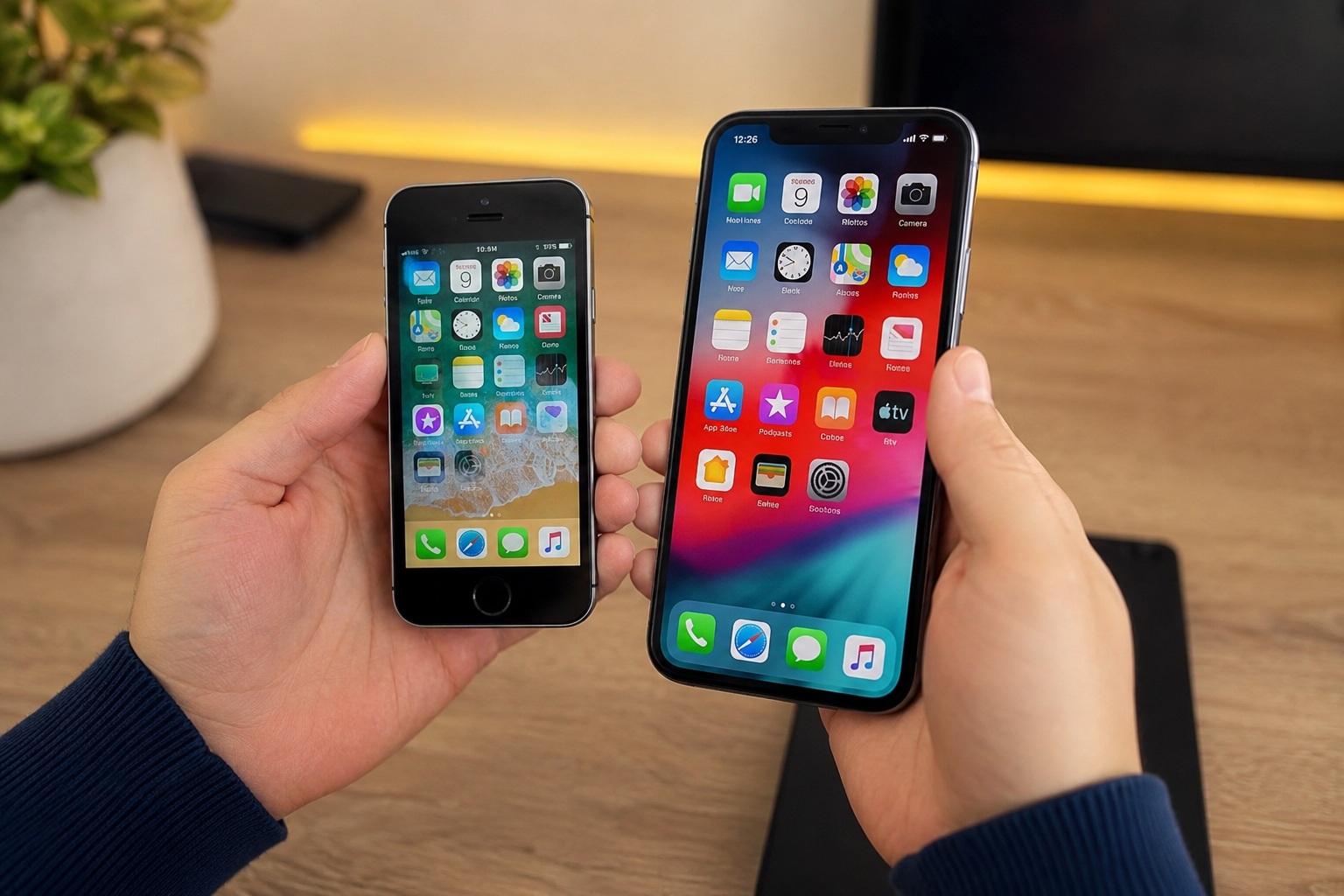
Imagine you are now in a store that sells iPhones, and your current phone (with its condition and flaws) is displayed in front of you at an attractive price… would you buy it? If the answer is “no” because you see it as slow or limited in capabilities, this is an implicit admission from you that the device no longer meets your needs and that it is indeed time to upgrade and buy a new iPhone.
Finally, it is not necessary to change your iPhone every year, and even upgrading every two years is no longer important for many users. But when the phone turns from a useful tool into a daily annoyance, upgrading becomes a logical decision rather than a luxury. Always remember that if several problems start to appear at the same time, it is better to think about a new device that will give you a more comfortable and stable experience for years to come.
In your opinion.. what is the biggest problem that drives you to think about an iPhone upgrade? Tell us in the comments!
Source:

Leave a Reply