Apple is known for offering some of the best and most innovative products on the market, whether it’s the latest iPhone or AirPods, and even simple devices like the AirTag, which are in high demand thanks to their quality and reliability. However, this excellence comes with a hidden cost that many users prefer to ignore or may not even realize in the first place. The premium branding of Apple products means they cost significantly more than available alternatives, not to mention their closed ecosystem that makes it difficult to switch to other companies once you own two or three of their devices. Even more frustrating is the difficulty of customizing or repairing these devices, which represents a major challenge today with the insane rise in the prices of tech hardware. Even the most loyal Apple fans have recently begun to wonder if these devices are truly worth the exorbitant amounts paid for them. Understanding these uncomfortable truths before you make a purchase could save you a lot of frustration and wasted money later on.
High prices compared to competitors
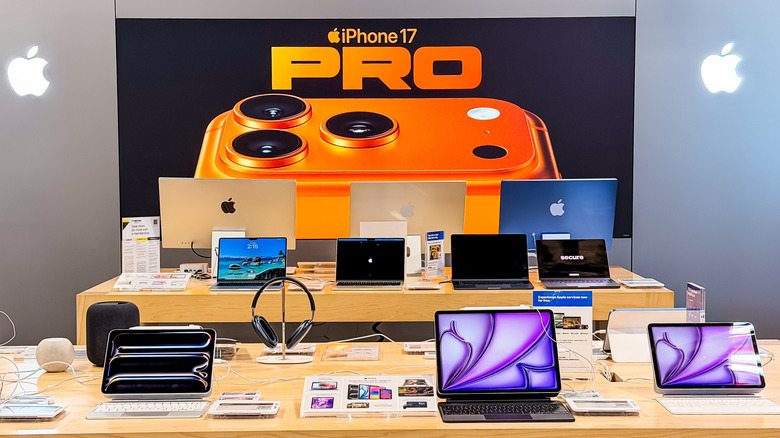
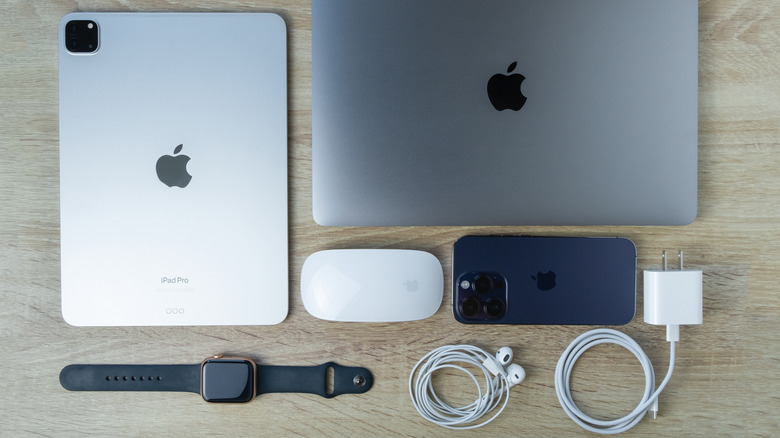
The high prices of Apple products are no surprise to anyone today; everyone realizes that the company’s devices always cost more than their competitors. If you compare an iPhone to an Android phone with roughly the same technical specifications, you will always find the Apple phone to be much more expensive. The same applies to MacBooks compared to Windows laptops, and iPads compared to their Android-based alternatives.
Apple defenders justify these prices with superior quality, longer lifespan, enhanced privacy, and high resale value. However, this represents a huge barrier for new users; when you can buy excellent headphones from well-known companies like JBL for $50, AirPods become difficult to justify at more than double that price.
This fact becomes even clearer when you consider upgrading the base specs; for example, the price of a 256GB iPhone 17 is about $799, while the price of the 512GB version jumps to $999—a full $200 difference just for increased storage! If you add the cost of accessories and chargers to that, you will find yourself facing a hefty bill that requires deep thought before purchasing.
Apple’s closed ecosystem and imposed restrictions
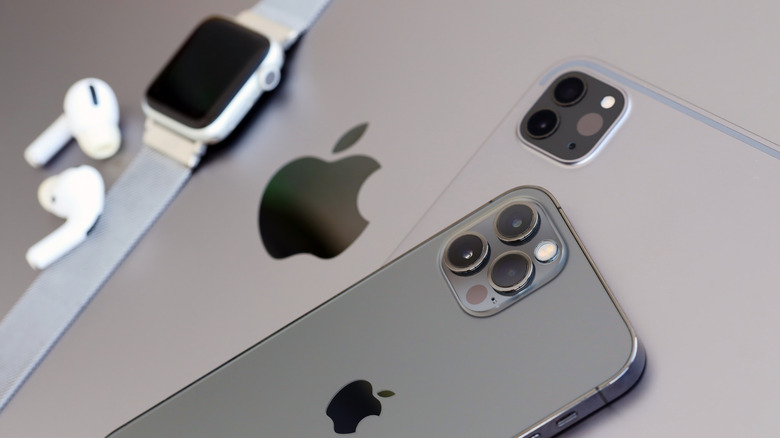
Apple’s closed ecosystem is its greatest strength and, at the same time, one of its biggest weaknesses. For those who own multiple devices from the company, the experience feels very smooth and harmonious. But for the average user who owns only one device, such as an iPhone or a MacBook, it can be very frustrating. For example, you cannot easily share files between an Apple device and an Android phone or a Windows PC, whereas the AirDrop feature allows you to do so in the blink of an eye within the company’s unified environment.
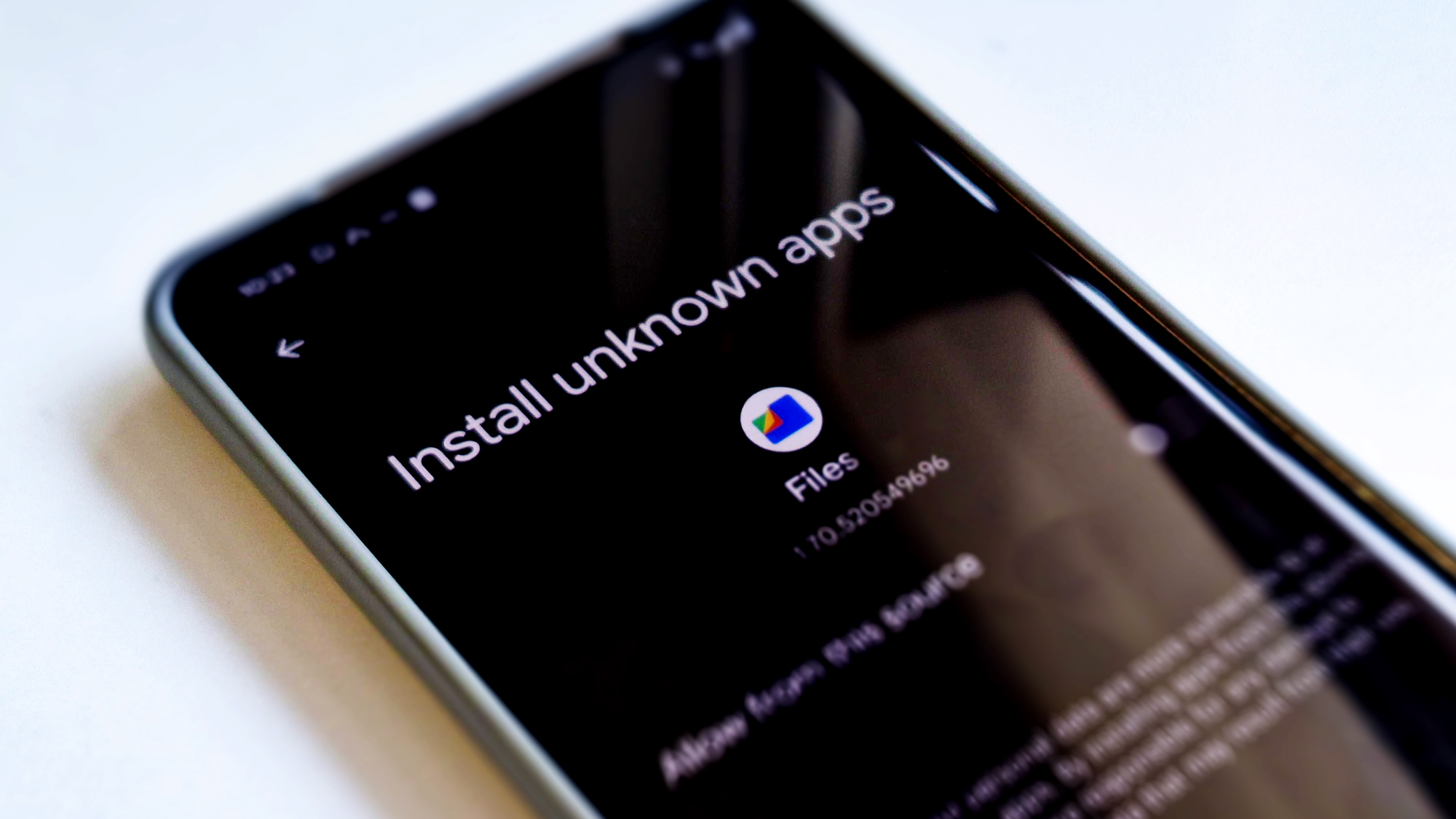
Also, many accessories, such as the Apple Watch, refuse to work with other smartphones, depriving users of the flexibility of choice. On the software side, Apple does not allow users to install apps outside of its official App Store easily, and sideloading remains a very complex process for the average user, except in the European Union and Japan, which have imposed strict legislation like the Digital Markets Act (DMA) to force the company to make concessions.
Therefore, if you are not prepared to buy a complete set of Apple devices to take full advantage of this interconnected system, you should think carefully about the restrictions you will face with a single device.
Difficulty of customization and hardware upgrades
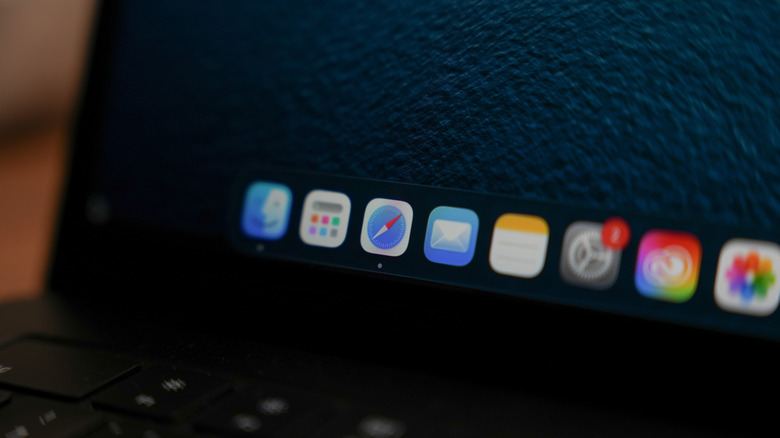
Customization has never been one of Apple’s strengths. You cannot modify the appearance of its devices or interfaces with the same freedom available in competing systems. Android provides complete customization for almost everything, from icon shapes and layout to gestures, while iOS options remain very limited despite the minor improvements introduced recently. Windows also offers enormous flexibility compared to macOS.
The restrictions are not limited to software but extend to hardware as well; you cannot upgrade the RAM or storage capacity in MacBooks as you can easily do in Windows laptops, which allow you to remove the back cover and replace parts yourself. In Mac devices, most components are soldered directly to the motherboard, making upgrades almost impossible after purchase and forcing you to pay astronomical amounts upfront to get higher specs for the future.
Lagging in adopting new technologies and features
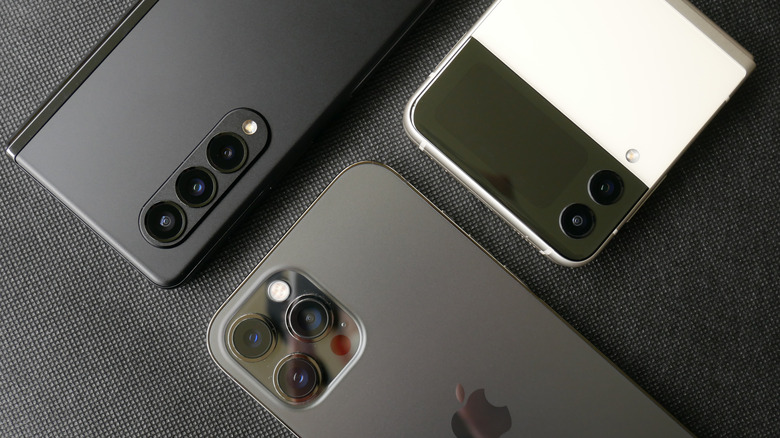
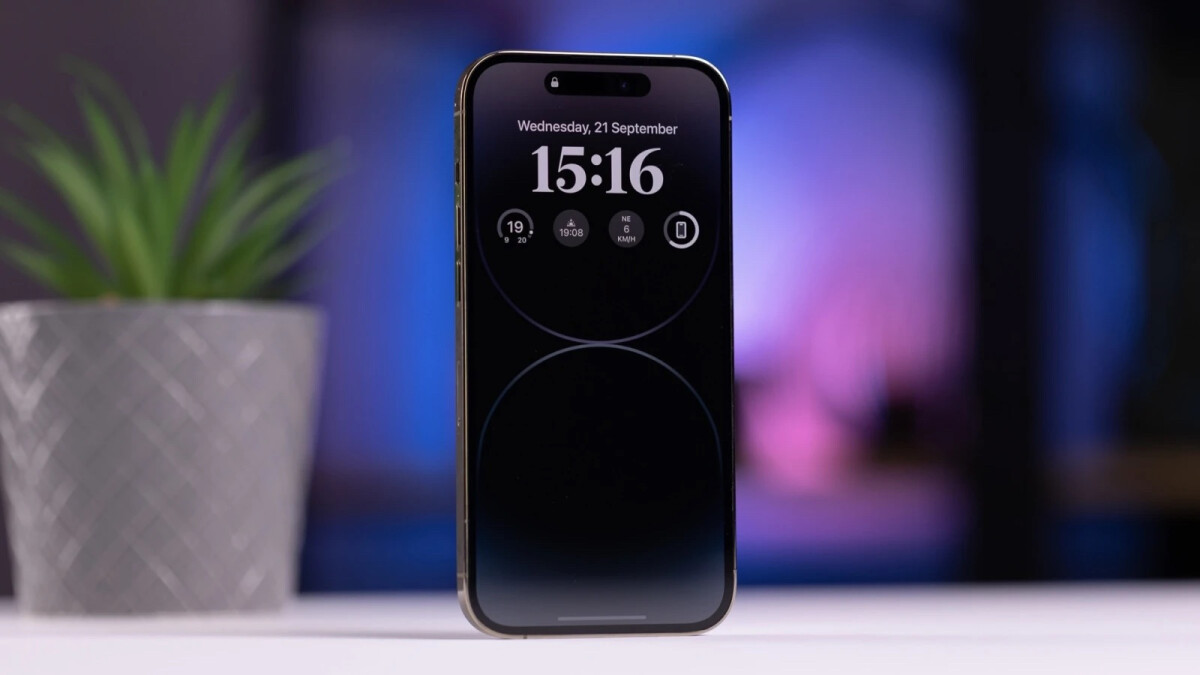
Apple always prefers to take its time, testing and refining features completely before releasing them to users, which is great, but it also means its devices lag significantly in getting technologies that competitors have had for years. Take, for example, the Always-on Display feature, which had been available on Android phones for years and was not launched by Apple until the iPhone 14 Pro.
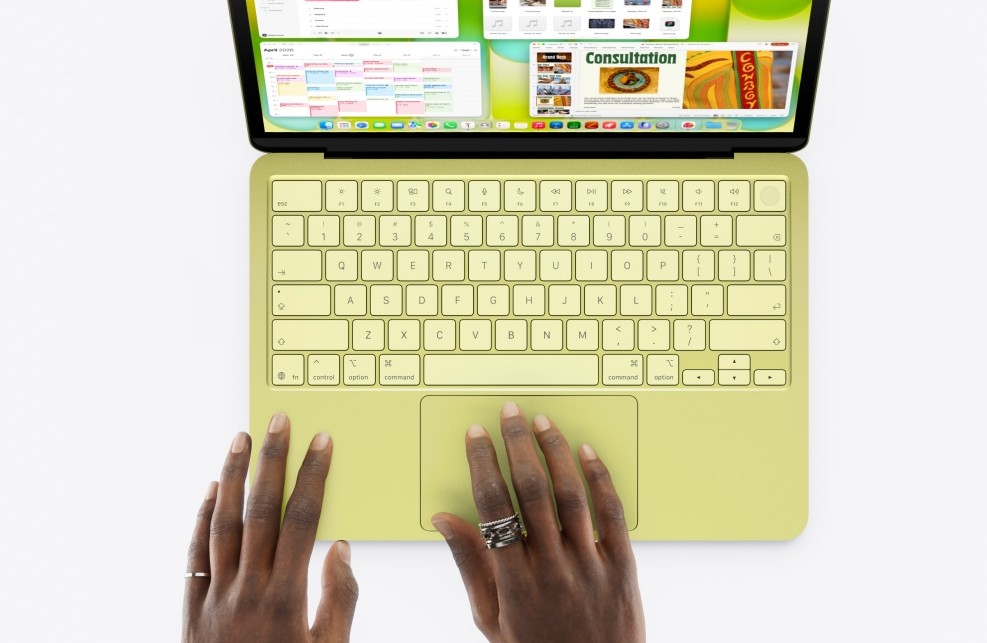
On the hardware front, we have yet to see a foldable iPhone, while Samsung has dominated this market for generations. Also, MacBooks still lack touchscreens despite their widespread prevalence in competing Windows laptops in the same price categories. If you are a fan of experiencing the latest tech trends as soon as they appear, Apple devices may not be the ideal choice for you.
The repair dilemma and high maintenance costs
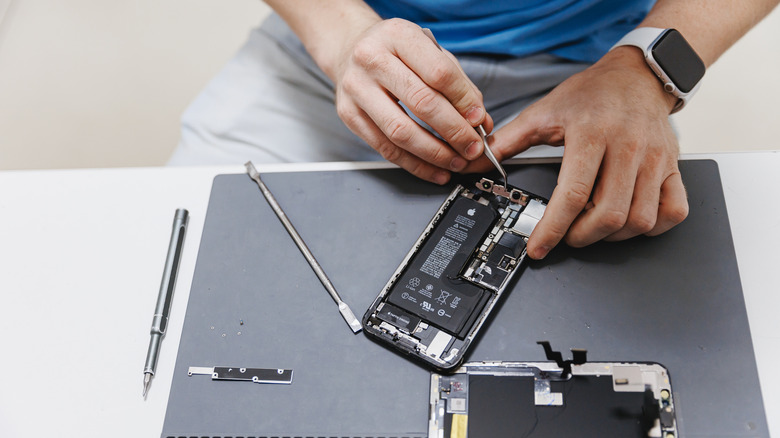
The “Right to Repair” movement has gained significant momentum in the last decade, and users have started to prefer devices that are easy to maintain locally or by third parties to reduce costs. However, Apple remains at the bottom of the list when it comes to repairability. Reports from the Public Interest Research Group (PIRG) show that iPhones and MacBooks are at the lowest repairability ratings for phones and computers, while companies like Motorola and Asus are at the top.
It gets worse with AirPods, which are considered practically impossible to repair. Although the MacBook Neo is rumored to be the most repairable in the company’s history, overall costs remain exorbitant, and Apple often forces you to replace entire units instead of repairing only the damaged part, which translates directly into additional financial burdens on the user.
In the end, it cannot be denied that Apple products are characterized by exceptional build quality, excellent security, and long lifespan; but full integration into this world requires sacrificing a lot of flexibility and individual freedom. The decision always comes down to assessing your needs and budget before taking the step to purchase.
Source:


Leave a Reply