If you have been following the leaks regarding the foldable iPhone for a while, you must have felt dizzy from the constant fluctuations! In one week, we discover that Apple has increased its orders to 10 million units and that production is in full swing, only to wake up the following week to a new report confirming production hurdles that could delay the launch of the long-awaited phone. It seems that Apple’s path toward creating a phone that folds without the screen creasing or the hinge failing is full of engineering problems, which is not surprising for a company that refuses to launch any product unless it is near perfection.

Foxconn in the Field: The Great Adventure of Manufacturing the Foldable iPhone
According to new reports from DigiTimes, Apple has entrusted its long-time partner “Foxconn” to lead the entire process, from the New Product Introduction (NPI) stage to the final tuning of mass production. Sources indicate that Foxconn is the only party in the supply chain that possesses the technical capabilities and precise expertise to handle complex structural components and ensure that mass production lines are tuned to meet Apple’s strict standards.
However, this final tuning process is no walk in the park; engineers are facing significant challenges regarding the rigidity of the mechanical structure. Incidentally, this explains why Foxconn is the only option capable of achieving Apple’s production goals, as the new phone requires extreme precision in assembly that cannot tolerate any margin of error.
Contradictory Reports: Between Cautious Optimism and Engineering Delays
This new report comes to paint a slightly different picture from what we have heard recently. Let’s look back: last April, Foxconn began trial production, and then reports stated that Apple had increased its orders to about 10 million units after resolving hinge and circuit board issues. Even just two weeks ago, reports were confirming that the device had already entered mass production with no delay on the horizon.
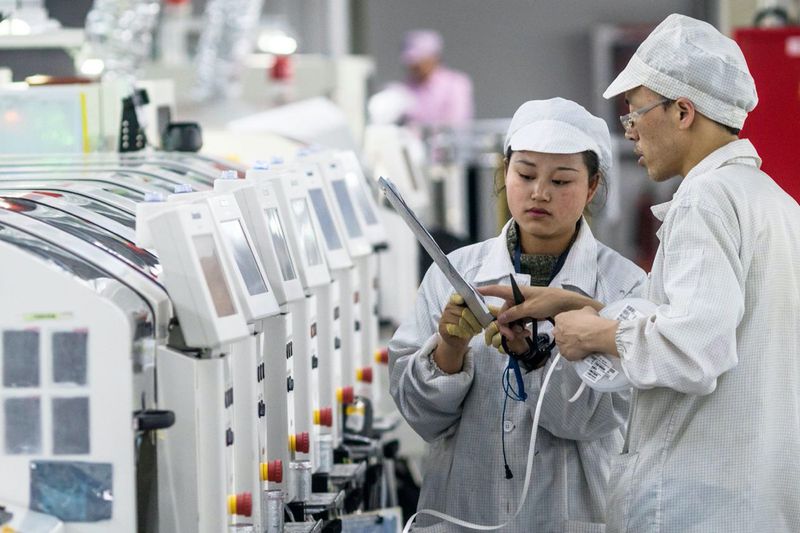
Now, DigiTimes indicates that Engineering Validation tests have caused a delay in the timeline of one to two months. The main reason is the usual bottleneck: durability tests for the screen and the foldable hinge structure. Apple does not want to repeat the early experiences of competitors with stressed screens or annoying creases.
Leaked Specifications and High Price: What Can We Expect?
Despite these production hurdles, expectations still suggest that Apple plans to unveil the foldable iPhone during its annual event next September, alongside the iPhone 18 Pro models. The device will feature a book-style design, including a flexible internal screen ranging from 7.7 to 7.8 inches, and a 5.5-inch external cover screen.

As for thinness, it seems Apple is aiming for unprecedented lightness with a thickness of only about 4.5 mm when unfolded! But this advanced engineering will come at a heavy price for your wallet, as the device is expected to start at over $2,000 USD.
A comparative review of foldable phones and Apple’s aspirations in this field:
In the end, it seems Apple is well aware that the first impression is the most important. A delay of a month or two to ensure the screen doesn’t break or the hinge doesn’t creak is a small price for the company to pay to maintain its reputation, even if it means keeping tech enthusiasts holding their breath for a little longer.
Source:



Leave a Reply