After 16 years, the full video of the iPhone 4 Antennagate crisis featuring Steve Jobs and Tim Cook has emerged. Meta unveils a Tamagotchi-like AI device and lightweight VR glasses. ChatGPT integration in Siri has been less successful than expected. You can now experience Apple’s secret Copland OS from your browser. A new setting on the iPhone blocks ads that rely on phone movement. Apple Intelligence consumes over 30GB on some devices. OpenAI launches GPT-6 Sol and GPT-6 Luna at lower prices. Anthropic releases Claude Opus 5.5 with stronger performance and lower costs. Apple plans to bring iPhone Duo screen technology to Pro models in 2029 and excludes older iPhones from a new photography feature. Apple Watch 12 and Ultra 4 may contain hidden storage. A leak reveals the screen sizes of the iPhone 20 Pro before its 2027 launch. Apple may pay $25 to some iPhone owners due to Siri delays. An Apple official says: judge us on the crease in the iPhone Duo screen. The iPhone 18 Pro Max requires battery discharge before shipping. A teardown of the iPhone 18 Pro reveals how Apple shrunk the Dynamic Island. Demand for the iPhone 18 Pro is stronger than expected, and other exciting news on the sidelines…
After 16 years: Full video of the iPhone 4 Antennagate crisis emerges
A full 47-minute recording of the Q&A session from the press conference held by Apple in 2010 due to the iPhone 4 crisis has appeared on YouTube, following complaints about signal weakness when holding the phone in a certain way. During the conference, Steve Jobs announced free cases for some users and the possibility of returning the phone within 30 days, while Apple later published only his presentation without the Q&A session.
The recording shows journalist John Gruber asking Jobs, Tim Cook, and Bob Mansfield if they use cases on their personal phones, with all three showing their phones without cases. Jobs also spoke about the lessons Apple learned from the crisis and why they waited to gather more information before the conference. At the end of the meeting, he explained the importance of Apple owning the core technologies its products rely on, especially with the growing importance of software. Gruber still does not know the source of the recording or why it appeared online after 16 years.
Meta unveils a Tamagotchi-like AI device
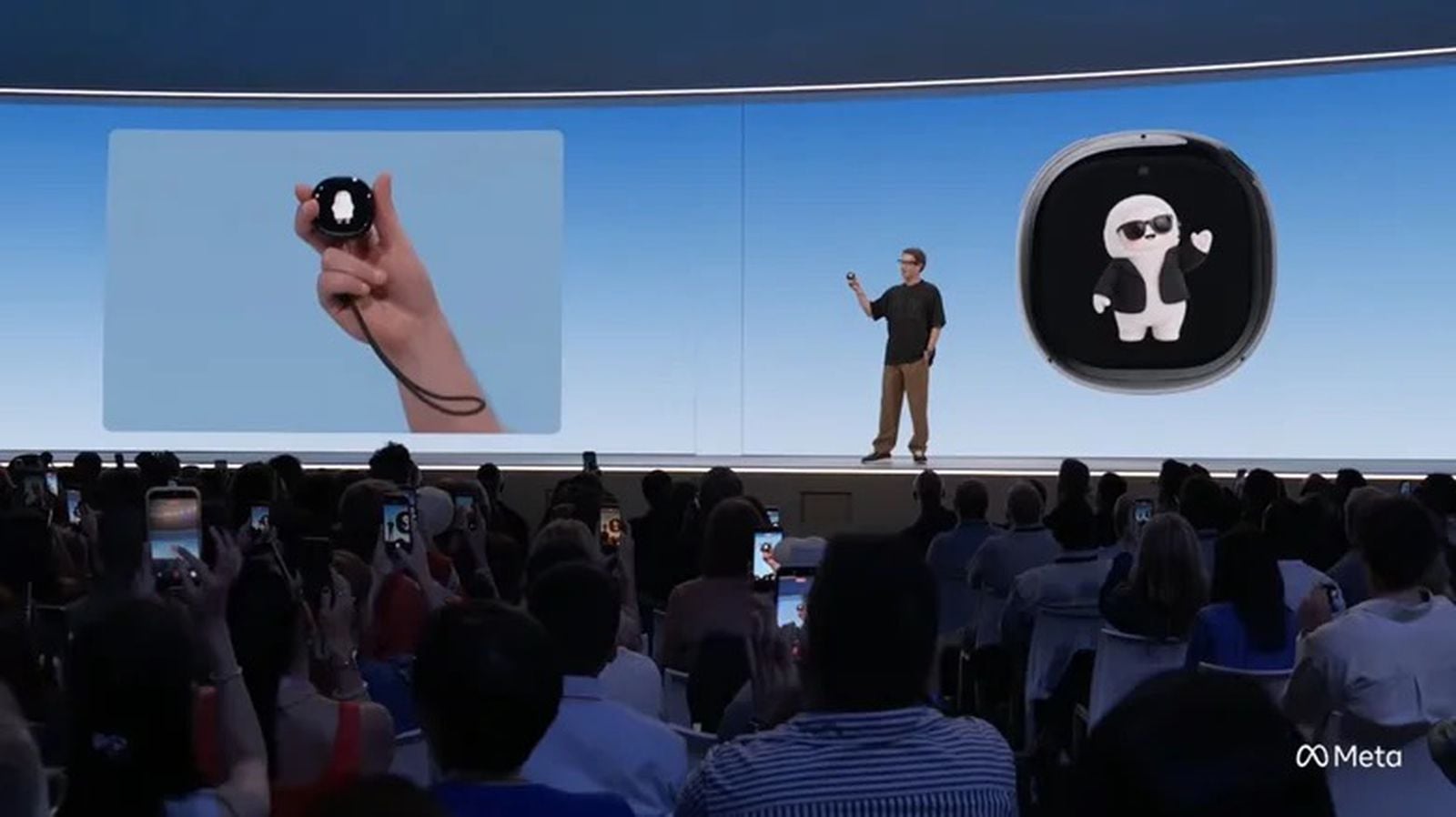
During its annual Connect conference, Meta revealed a new device called Muse Charm, a small device about the size of an Apple Watch that features an interactive digital character you can talk to using the Muse AI assistant. It can be operated with a single touch without needing to open a phone or app. Meta plans to release it during the holiday season but has not yet revealed many details about it.
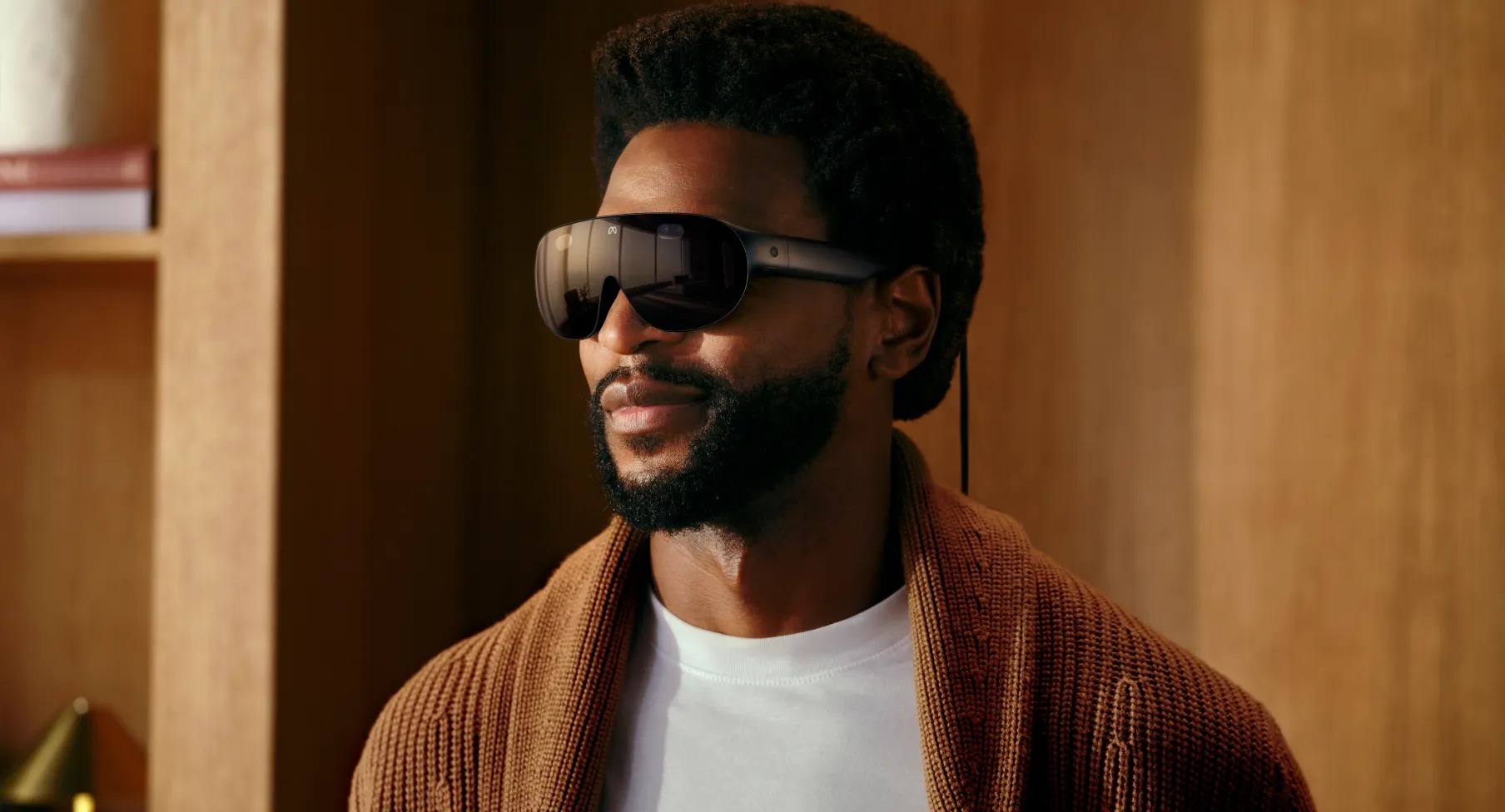
The largest part of the conference was dedicated to Meta’s new VR glasses, which weigh only about 100 grams and offer a 5K resolution display and a color view of the user’s surroundings, with support for Quest games, Xbox Cloud Gaming, and PC connectivity. They are scheduled to launch in the spring starting at $1300, with a battery that allows for up to 3 hours of high-definition content playback.

Meta also revealed a new audio version of the Ray-Ban smart glasses starting at $349, alongside a new generation of Ray-Ban Meta glasses equipped with a 12MP camera, 3K video recording, and a battery lasting up to 9 hours.
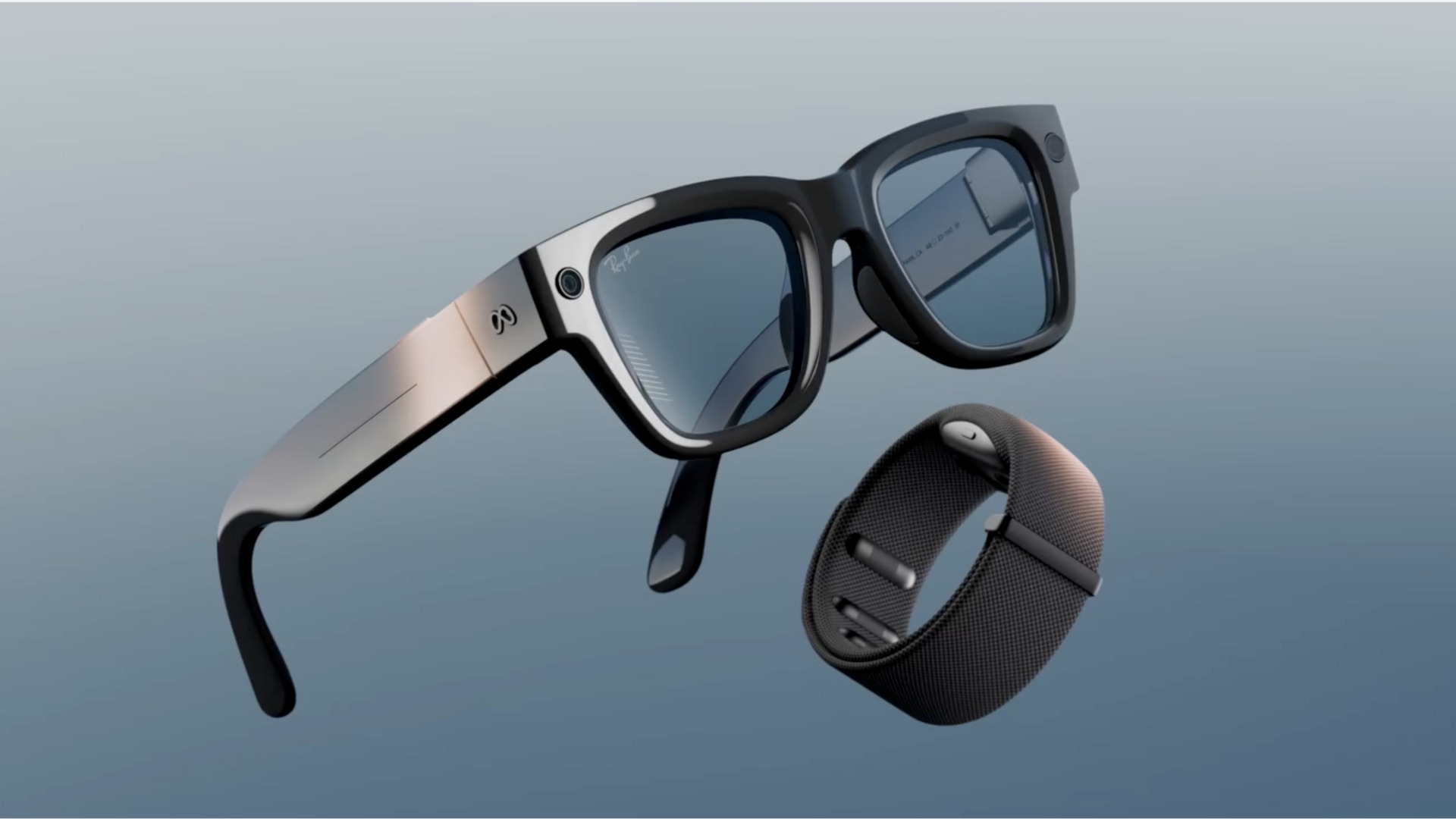
The glasses will also receive a hearing enhancement feature approved by the FDA, which will be available later this year for a subscription or a one-time payment of $149.
OpenAI: ChatGPT integration in Siri was less successful than expected
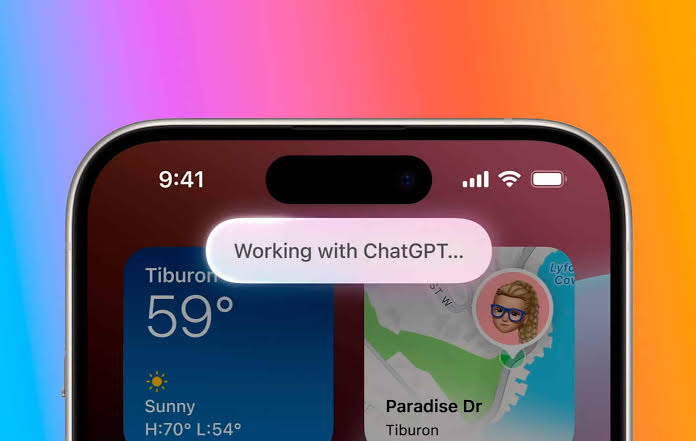
Court documents revealed that integrating ChatGPT with Siri did not achieve the results OpenAI expected, with the company describing the performance as "persistently weak," especially since users needed several steps to activate the feature. Apple added ChatGPT to Siri in December 2024, but OpenAI said a month later that the launch started slowly, then lowered its expectations regarding the number of new users expected to be attracted by the partnership. The company also clarified that the agreement with Apple was not exclusive and that Apple could integrate other similar services, which indeed happened with Google and Gemini models. These statements came within a legal case filed by Elon Musk’s companies, alleging an exclusive agreement between Apple and OpenAI, while OpenAI asserts that the agreement is non-exclusive and that integrating ChatGPT into Siri did not attract a large number of new users.
You can now experience Apple’s secret Copland OS from your browser
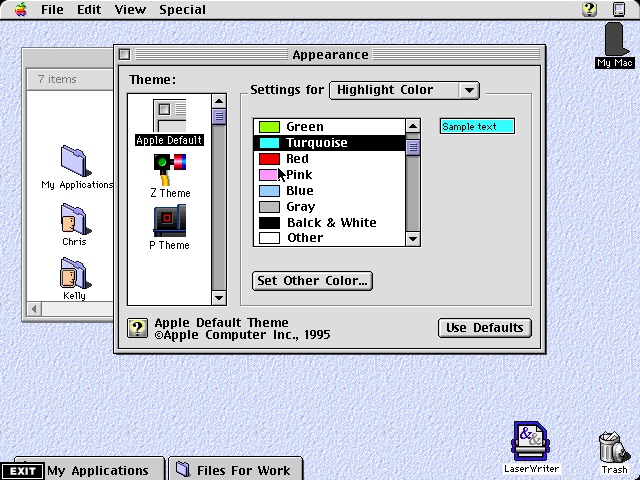
In the mid-nineties, Apple developed an operating system called Copland, but canceled the project in 1996 before its official release due to development issues and feature bloat. Recently, researcher Michael Steil managed to run one of the system’s beta versions using emulation on a computer after making 11 modifications to open-source software, and now anyone can experience Copland directly from the browser. Apple had released three beta versions of the system, and the last one, D11E4, is the one Steil managed to run, while Copland was known for being difficult to run even on old Macs. After canceling the project, Apple moved to acquire NeXT in 1997, a step that brought Steve Jobs back to the company and paved the way for the emergence of Mac OS X, which was built on the foundation of the NeXTSTEP system.
You can try this system through this – link.
New iPhone setting blocks ads that rely on phone movement
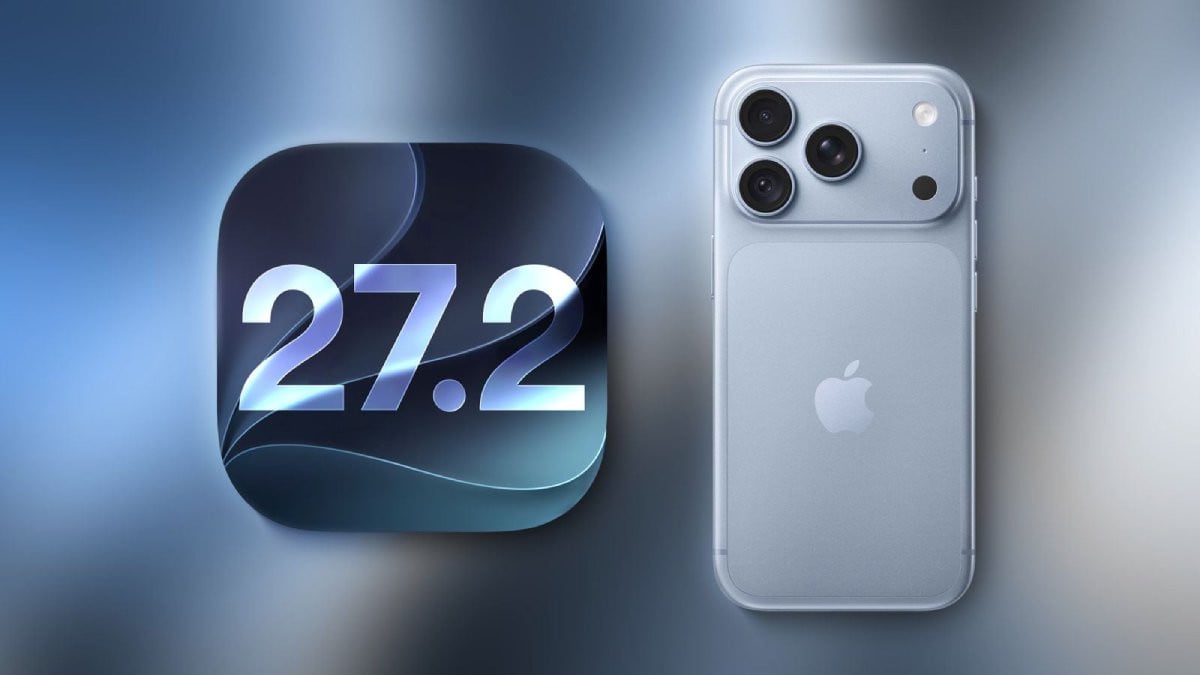
Apple is testing a new setting on the iPhone for users in China that allows blocking some apps from accessing the phone’s motion sensors, such as the accelerometer and gyroscope. It is believed that the goal is to limit ads that open when the phone is shaken, which might appear just by picking up the iPhone, walking with it, or even going over a bump while driving, causing pages or apps to open unintentionally. The new option appears as "Restrict Motion Data" in the second beta of iOS 27.2, but it is currently available for accounts linked to the App Store in China and is not expected to be rolled out to users in other countries when the update is officially released.
Apple Intelligence consumes over 30GB on some Mac devices
After installing macOS 27, Apple automatically downloads AI models to the Mac, and the user cannot prevent this. Apple says Apple Intelligence may need 14GB of storage space on some modern Macs, but user reports have shown much larger figures, with consumption reaching over 20GB on some devices, and even exceeding 30GB for some users. Even older Macs, which are supposed to need only 8GB, have seen some record about 14GB of used space. Apple does not explain the reason for this difference, and macOS 27 settings no longer provide an option to turn off Apple Intelligence or prevent its models from being downloaded, meaning users are forced to allocate this space even if they do not use the AI features. Mac users can check the space consumed by Apple Intelligence from Settings > General > Storage.
| Device | Apple Intelligence Storage |
|---|---|
| iPhone 18 Pro, iPhone 18 Pro Max, iPhone Duo | Up to 14GB |
| iPhone 17 Pro, iPhone 17 Pro Max, iPhone Air | Up to 14GB |
| Other compatible iPhones: iPhone 15 Pro and Pro Max, all iPhone 16 models, iPhone 17, and iPhone 17e | Up to 8GB |
| iPad with M4 chip or later and 12GB+ unified memory, Mac with M3 chip or later and 12GB+ unified memory, and Apple Vision Pro with M5 chip | Up to 14GB |
| Other compatible iPad, Mac, and Vision Pro models | Up to 8GB |
| Compatible Apple Watch models | Up to 1.5GB on the watch |
| iPhone 15 and 15 Plus, iPhone 14 and older, and iPhone SE | Not supported |
OpenAI launches GPT-6 Sol and GPT-6 Luna at lower prices
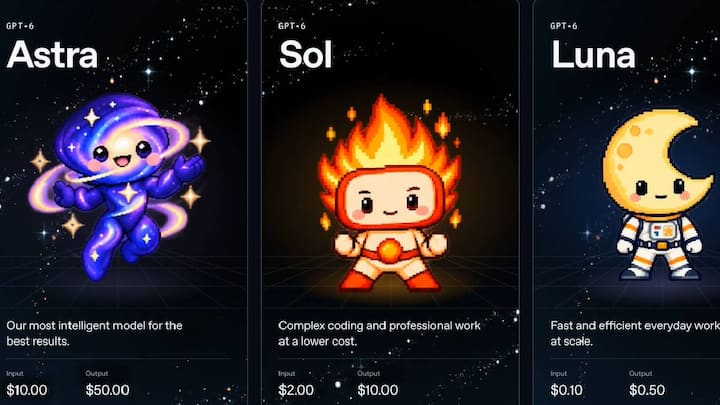
OpenAI has launched two new AI models, GPT-6 Sol and GPT-6 Luna, following GPT-6 Astra, with improvements in professional work, programming, computer usage, and answer accuracy. Sol offers higher reasoning capabilities at a lower price than Astra, while Luna focuses on speed and intensive tasks at a lower cost. OpenAI says Sol makes about half as many errors compared to GPT-5.6 Sol, and the new models’ style has become clearer, more concise, and uses less complex terminology.
The company also reduced usage prices, with Sol costing $2 per million input tokens and $10 for output, while Luna costs 10 cents for input and 50 cents for output. The two models have begun rolling out to Plus, Pro, Business, Enterprise, and Edu users via ChatGPT Work and Codex, while Luna is also available to free users and Go subscribers on the desktop app.
Anthropic launches Claude Opus 5.5 with stronger performance and lower cost

Anthropic has launched the Claude Opus 5.5 model, the first model in the new 5.5 family, offering performance close to Claude Fable 5.1 in most tasks with 40% lower operating costs compared to Opus 5 and over 30% faster response generation. The company says the new model has improved in programming, cognitive work, computer usage, graph understanding, and reasoning, alongside a more natural and clear style that places important information at the beginning of the answer and reduces complex terminology. Claude Opus 5.5 is now available on all platforms, and Anthropic has also increased usage limits for Pro, Max, Team, and some Enterprise plan subscribers.
Apple plans to bring iPhone Duo screen technology to Pro models in 2029
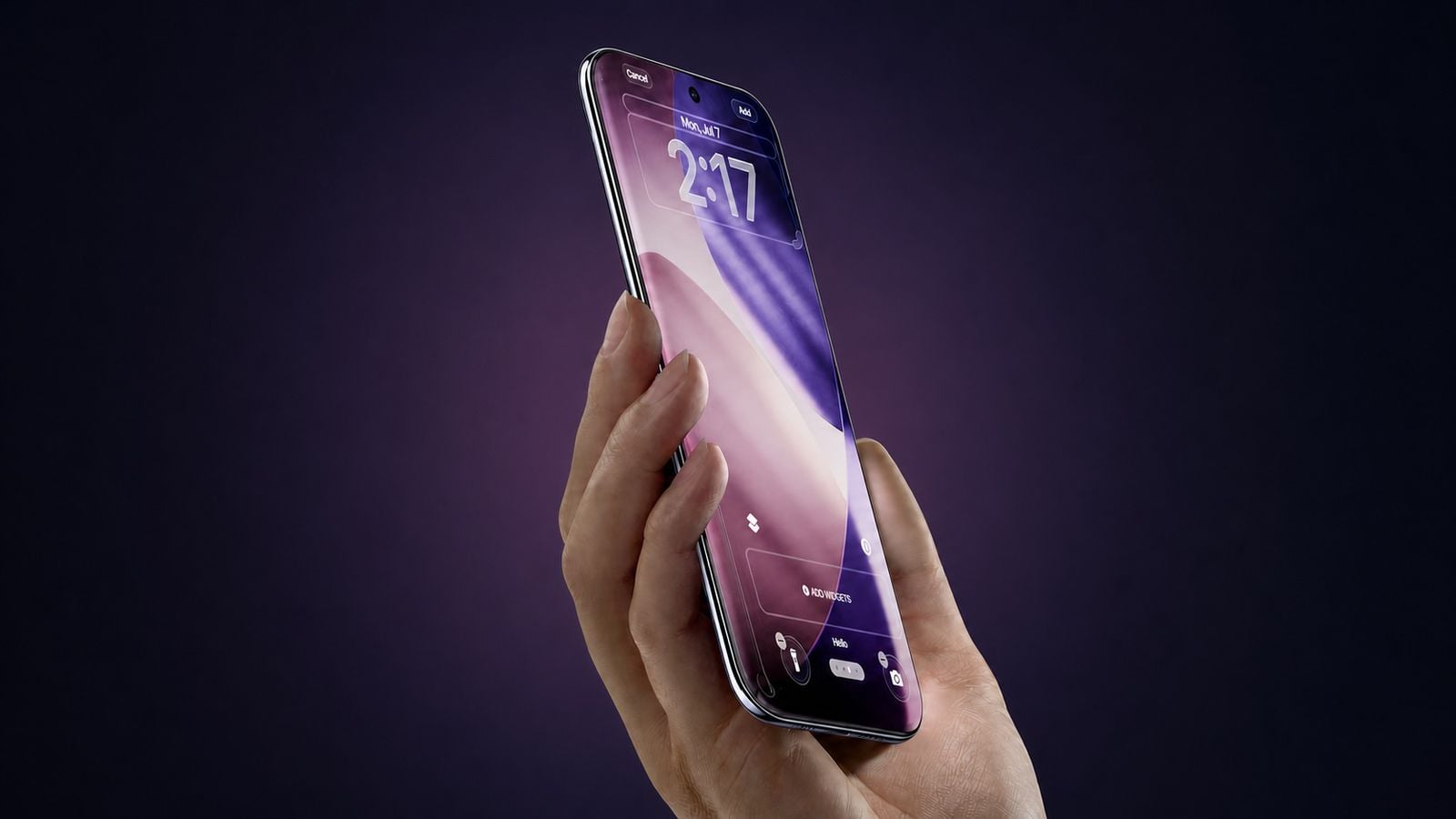
Apple plans to use new OLED screen technology in iPhone Pro models by 2029, the same technology used in the foldable iPhone Duo, which helps make the screen thinner and more energy-efficient. The technology relies on removing a layer usually present to reduce light reflections and replacing it with a special color layer, allowing more light to pass through the screen, thus achieving higher brightness without consuming extra power, or maintaining the same brightness while consuming less power, in addition to saving space inside the phone for the battery and cameras. Samsung first used this technology in its foldable phone screens, while expectations indicate that Apple may begin expanding its use from the iPhone Duo to Pro models, initially relying on Samsung and LG for screen manufacturing.
Apple excludes older iPhones from a new photography feature

Apple clarified that the new Texture and Grain tools for controlling photo appearance will not be available on older iPhones, even though its first announcement suggested they would arrive on devices that support the latest version of Photographic Styles. The company initially mentioned that the feature would work on iPhone 16, 17, and Air devices, but Apple later updated the official details and confirmed that the new control tools are only available for photos taken using the iPhone 18 Pro and iPhone 18 Pro Max, in addition to some iPhone Duo cameras. Apple did not explain the reason for changing the compatibility information, or whether it was a mistake in the first announcement or a change in its plan.
Apple Watch Series 12 and Ultra 4 may contain hidden storage
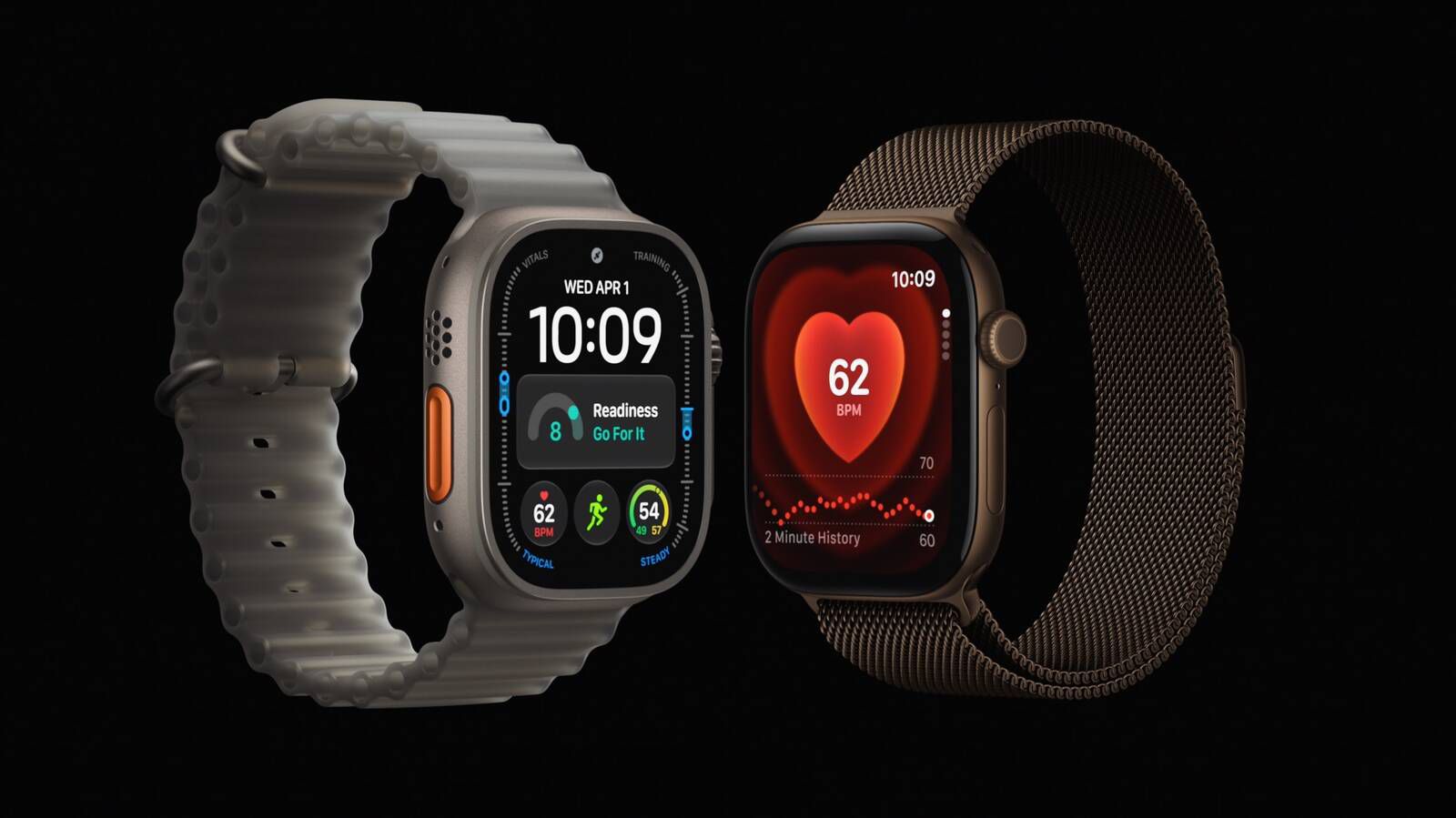
Information from a Chinese researcher specializing in device components indicates that the Apple Watch Series 12 and Ultra 4 may actually contain a storage chip with 128GB capacity, even though the capacity officially available to the user is only 64GB. The reason for blocking half the capacity is unknown, but it is possible that Apple reserves a portion of it for storing sensor data or to improve the storage chip’s lifespan. A similar case previously appeared with the iPad Pro with the M4 chip, where teardowns revealed actual memory larger than the capacity available to the system. Teardowns of the new Apple Watches are expected to reveal the truth about the storage capacity used.
Leak reveals screen sizes of iPhone 20 Pro before its 2027 launch
A new leak indicates that the iPhone 20 Pro and iPhone 20 Pro Max, expected to launch in 2027, may get slightly larger screens than the current generation, at 6.41 and 6.96 inches respectively, while maintaining a density of approximately 460 pixels per inch. It is also said that Apple is testing a design with a screen curved on all four sides and nearly hidden bezels, to offer a phone that looks like a single piece of glass, alongside brighter and thinner OLED screens and under-display Face ID technology. However, information indicates that Apple is also testing a small hole for the front camera, meaning the final screen design has not been decided yet. The iPhone 20 Pro is expected to launch in September 2027, with the possibility of Apple skipping the iPhone 19 name and moving directly from the iPhone 18 to the iPhone 20 to mark the 20th anniversary of the iPhone.
Apple may pay $25 to some iPhone owners due to Siri delays
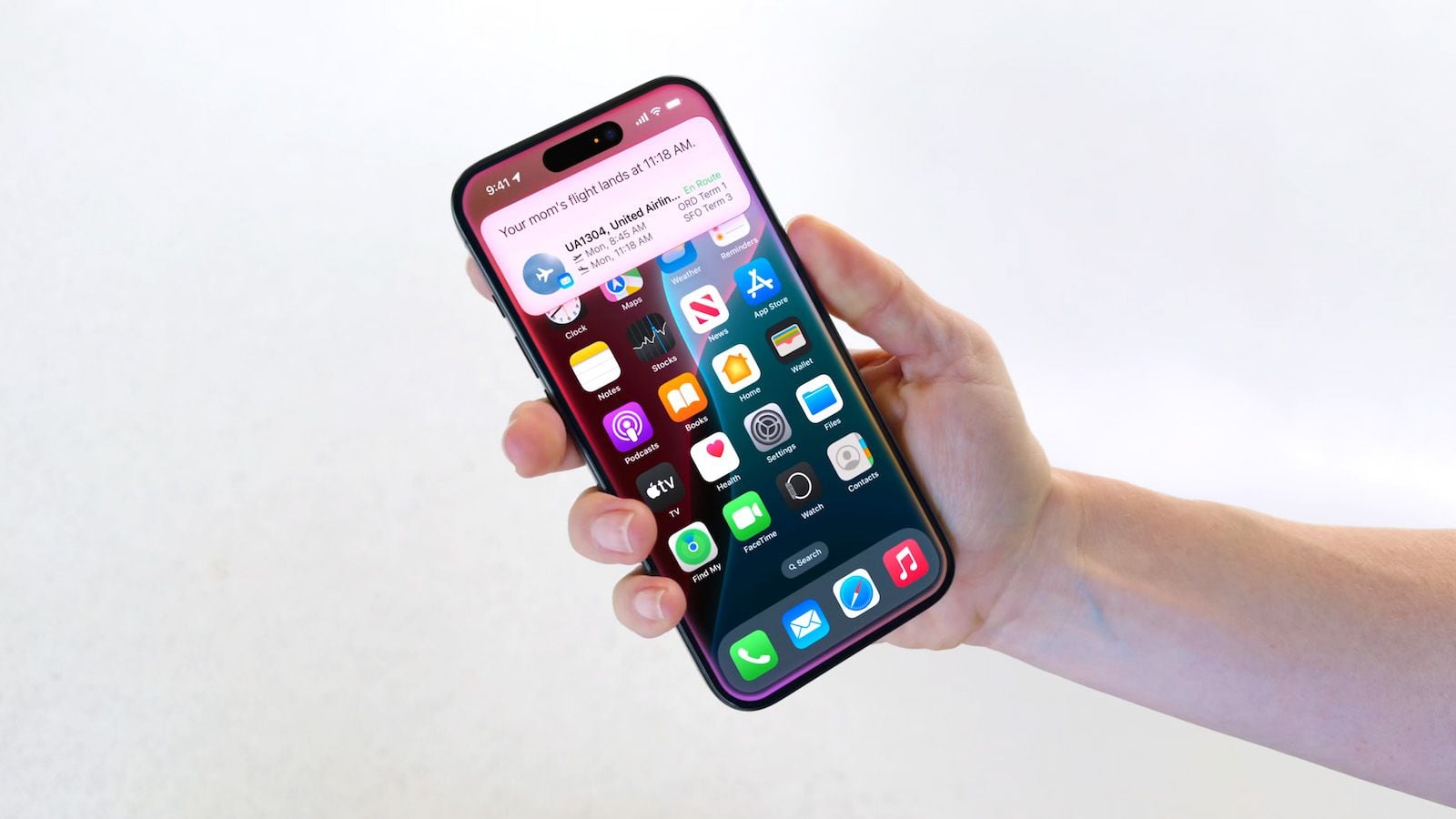
Apple has launched the settlement website for a class-action lawsuit in the United States regarding the delayed launch of AI-powered Siri features, after the company agreed to pay $250 million to settle the case. Some eligible iPhone owners are entitled to submit a claim to receive about $25 per device, and the amount could reach $95 depending on the number of claims, with applications to be submitted between September 21 and December 21, 2026. Eligibility includes residents of the United States who purchased an iPhone 15 Pro, 15 Pro Max, or specific iPhone 16 models between June 10, 2024, and March 29, 2025. The lawsuit came after Apple delayed the personal Siri features it announced in 2024, before finally launching AI-powered Siri with iOS 27 in June 2026. Payments are expected to begin after the final approval hearing scheduled for February 2027.
Apple official: Judge us on the crease in the iPhone Duo screen
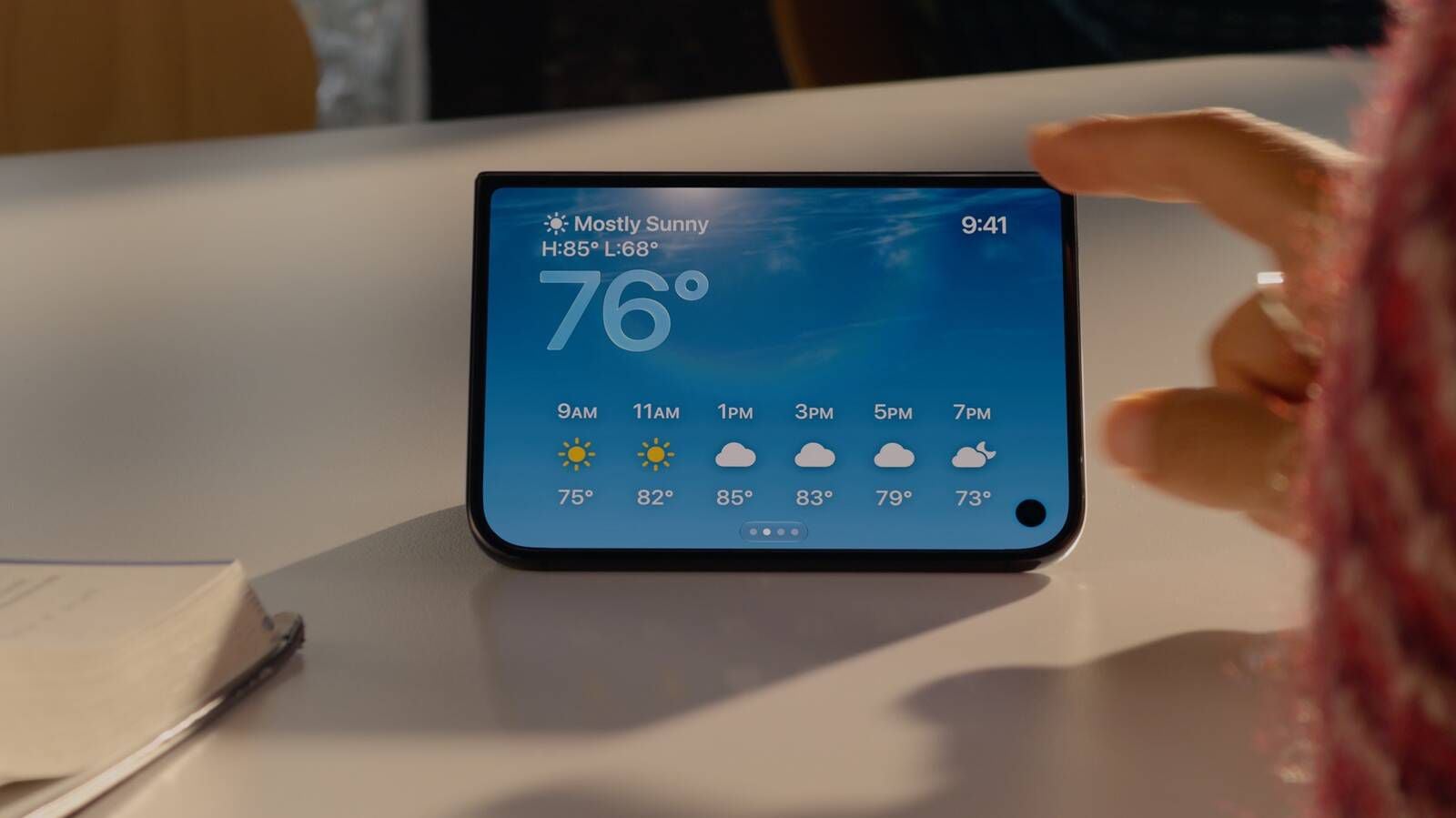
Tom Marib, Apple’s Vice President of Hardware Engineering, said the company is confident in the design of the foldable iPhone Duo and asked users to "judge it" on how visible the crease in the screen is over time. He explained that the matte-textured screen helps reduce light reflections and makes the crease less visible, even with long-term use. He also spoke about the phone’s hinge, confirming that Apple spent a long time developing it to be strong, smooth, and provide a stable feel when opening and closing the phone, with the ability to use it in different modes while folded. Pre-orders for the iPhone Duo are scheduled to open on October 16, with the launch starting on October 23 at a price starting from $1999.
iPhone 18 Pro Max requires battery discharge before shipping
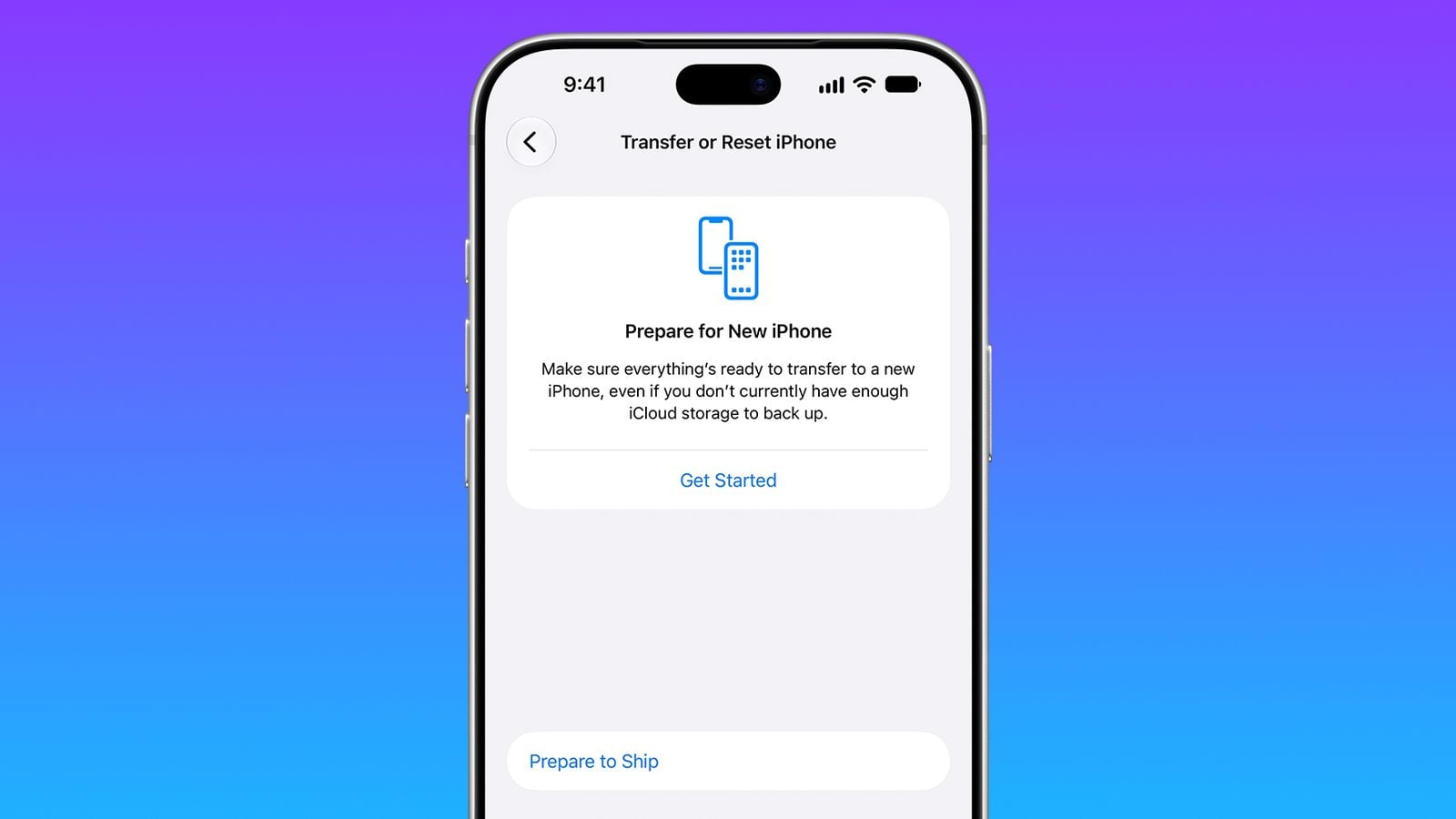
The iPhone 18 Pro Max has a battery with a capacity exceeding 20 watt-hours, so Apple has implemented a special system to temporarily reduce battery capacity below this limit while shipping and transporting the phone. When activating the phone, the full battery capacity returns to normal operation. If a user wants to send the phone for shipping, repair, or replacement, they must use the "Prepare for Shipping" option from Settings, where the phone discharges part of the battery and then limits the charge level during transport. After completion, the phone shows the status "Ready for Shipping." Apple confirms that the phone is safe for transport and air travel, and that this procedure is related to shipping requirements only, and other iPhone models do not need it because their batteries do not exceed the 20 watt-hour threshold.
iPhone 18 Pro teardown reveals how Apple shrunk the Dynamic Island
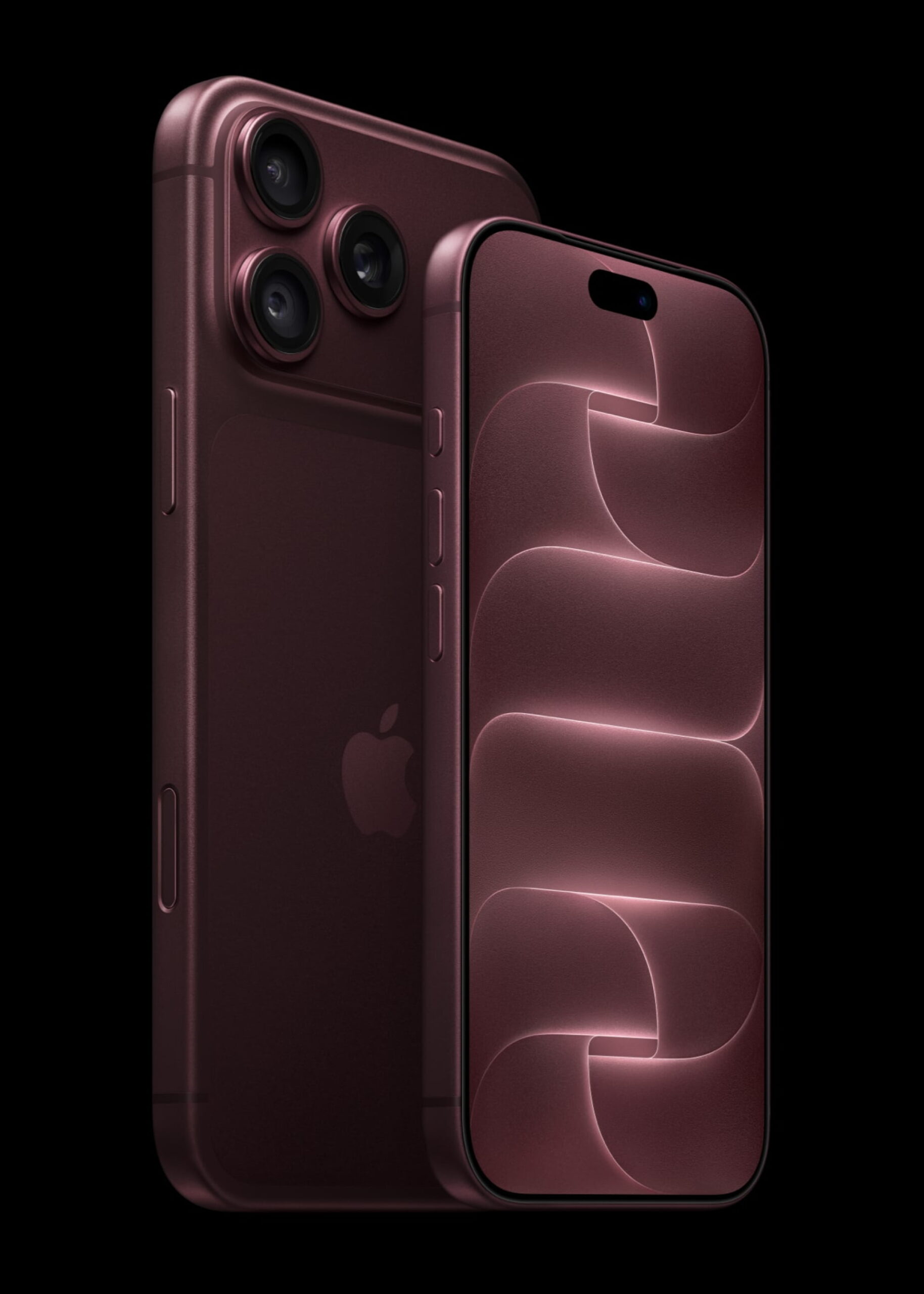
A new teardown of the iPhone 18 Pro revealed how Apple managed to shrink the Dynamic Island by moving the Face ID infrared camera under the screen in the top-left corner. The area above the camera contains a special pattern that allows infrared rays to pass through, while the screen looks almost normal during regular use. The teardown also showed a larger 48MP main camera with a variable aperture and a 4056mAh battery in the version that contains a SIM card slot. A teardown of the US version of the iPhone 18 Pro Max is still awaited, amid expectations of it using a Qualcomm modem, while the iPhone 18 Pro relies on Apple’s C2 modem.
Demand for the iPhone 18 Pro is stronger than expected
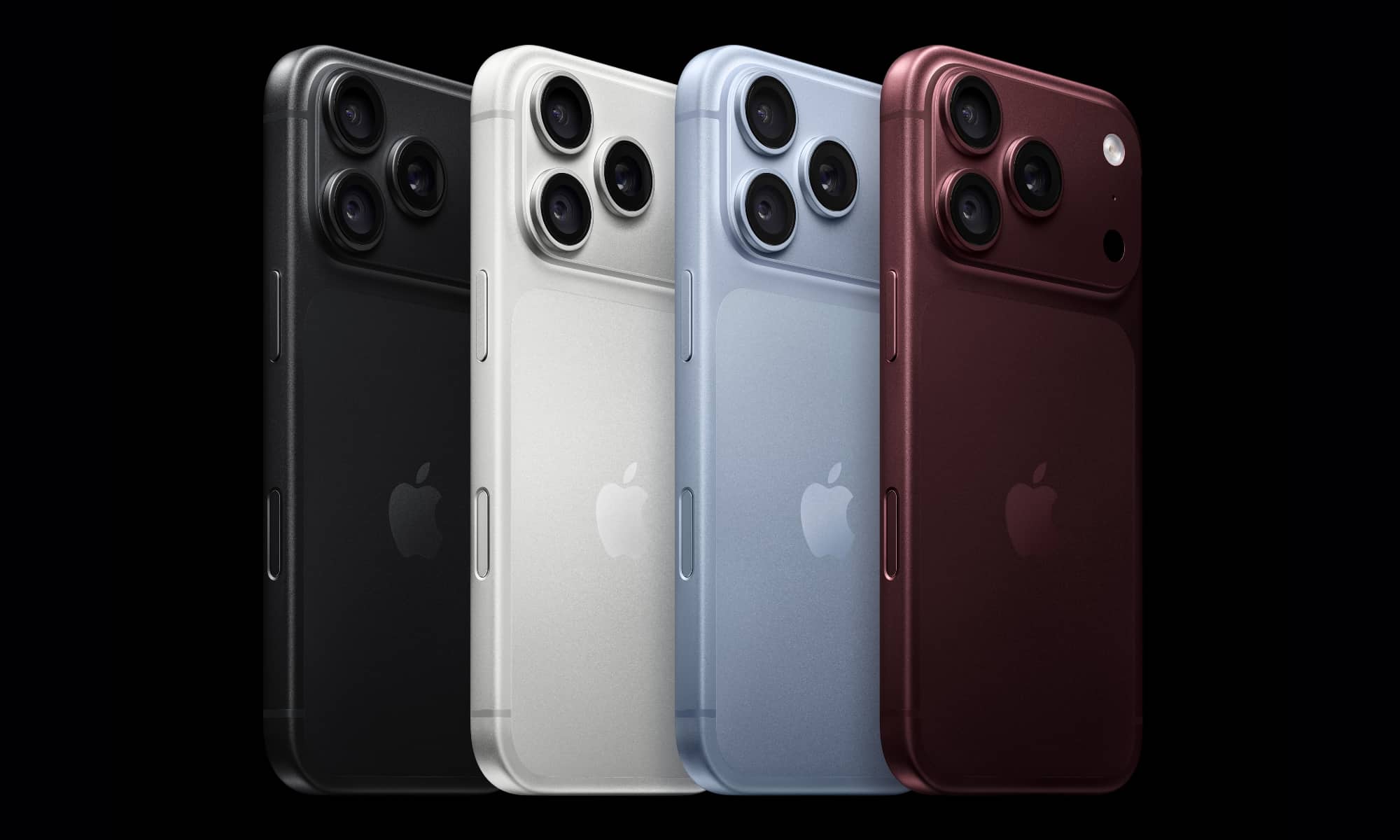
A survey of about 4,000 consumers in the United States showed that demand for the iPhone 18 series seems stronger than expected, with many buyers moving toward higher-priced models and larger storage capacities. 67% of participants said their current iPhone’s age is the main reason for upgrading, compared to 48% last year, while 53% of those interested in buying chose the iPhone 18 Pro and Pro Max models, with 32% preferring the Pro Max. 14% also showed interest in the foldable iPhone Duo, while the percentage of those interested in buying an Apple Watch and AirPods also increased. These results indicate a greater desire to buy more expensive Apple devices, but they reflect purchase intentions in the United States and not actual sales figures.
Interactive website lets you design your next iPhone yourself
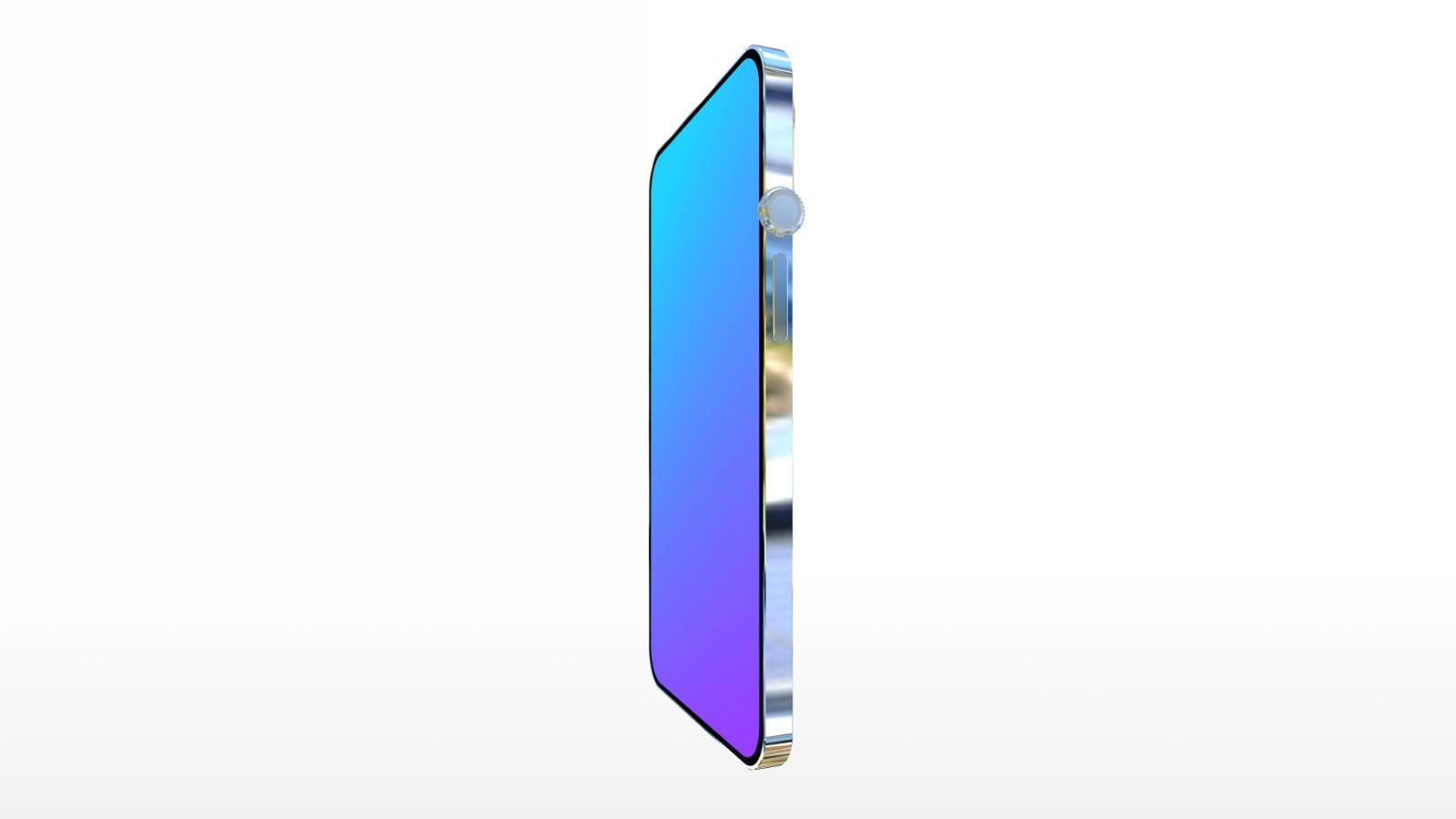
Developer Neal Agarwal has launched a fun interactive website that allows users to design a virtual iPhone the way they want, with the ability to rotate the 3D phone and drag components and place them anywhere. You can add cameras, volume buttons, the logo, and even a Lightning port, alongside strange options like a headphone jack, HDMI, a control wheel like the Apple Watch, or the iPod’s Click Wheel, and even a steering wheel or a joystick! You can also change the phone’s color, background, and name it, then view the design in a mock Apple presentation format with a hypothetical price and a funny comment from Tim Cook, and you can also save the final design as an animated video.
Miscellaneous News
◉ Apple confirmed that it will release an update at the beginning of next week to address a Face ID issue that affected some iPhone 18 Pro users. The upcoming update, iOS 27.0.1, is expected to be the version that includes this fix, after the company already started testing it.
◉ Apple released the watchOS 27.0.1 update for Apple Watch 12 and Apple Watch Ultra 4, a small update that comes days after the release of watchOS 27. The update addresses a number of software bugs, most notably an issue that could cause the watch to restart suddenly. Users can download it via the watch settings or the Watch app on the iPhone, provided the watch is connected to the charger and the battery level exceeds 50%.
◉ New information indicates that Apple is working on bringing the smarter version of Siri to HomePod devices, as indicators were found within the HomePod Software 27 program that support this feature. It is likely that smart Siri support will be limited to upcoming new HomePod devices, especially with rumors talking about an updated version of the HomePod mini with a faster processor and better AI capabilities. Other Apple home products, such as Apple TV 4K and the new smart home hub, are also expected to receive support for these features in the coming period.
◉ Apple has temporarily halted development of a small wearable device based on AI, which was scheduled to come with a camera that helps Siri understand what is around the user and answer questions related to the place or objects they are looking at. The device was similar to the AirTag in size and design, but delaying the project makes its launch in the near future less likely. At the same time, Apple continues to work on other AI-based devices, such as smart glasses, AirPods equipped with cameras, and new fitness trackers.
◉ Apple has stopped supporting the installation of iOS 26.6.2, meaning users who updated their devices to iOS 27 can no longer return to any version of iOS 26. The company uses a verification system that prevents the installation of old versions after stopping their certification, to help enhance security and protect users. It is also not possible to return to iOS 26.7 after updating, because this version is not available with a restore file that allows it to be manually reinstalled.
◉ Apple changed the way apps are closed in watchOS 27 after assigning the double-press on the Digital Crown to a new upcoming feature, so quick access to the app switcher is no longer available as it was previously. To force an app to close, press and hold the side button until the system options appear, then press and hold the Digital Crown until you return to the watch face. Apple explains that this step is useful when an app crashes or does not work correctly, but it does not help in saving battery life.
Sources:
1 | 2 | 3 | 4 | 5 | 6 | 7 | 8 | 9 | 10 | 11 | 12 | 13 | 14 | 15 | 16 | 17 | 18 | 19 | 20
Leave a Reply