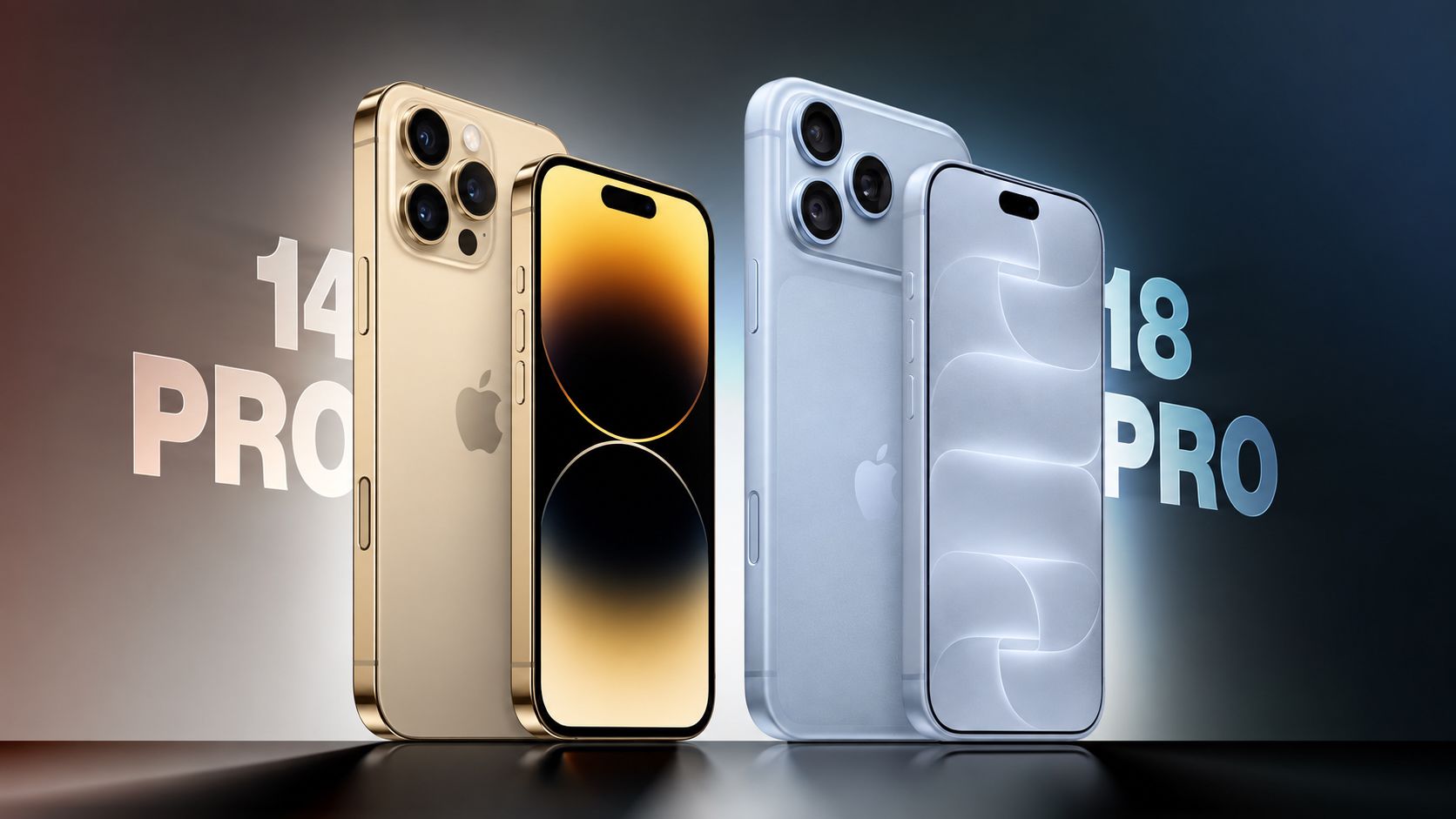
Four full years separate the unveiling of the iPhone 14 Pro and the newcomer, the iPhone 18 Pro. In the world of technology, this is not just a fleeting period, but a complete development cycle during which vast hardware and software leaps have accumulated. If you are still holding onto your iPhone 14 Pro and wondering if the upgrade is finally worth the investment, the short answer is yes; the difference this time is massive. Four generations of successive changes have created a real gap in the daily user experience, including larger screens with thinner bezels, an entirely new design, improvements to every single camera, a battery that lasts significantly longer, unprecedented charging speeds, the transition to a USB-C port, and full entry into the era of Apple Intelligence, which your current phone is completely left out of.
Design and Display: Goodbye to Steel, Hello to an Aluminum Chassis and Larger Screens
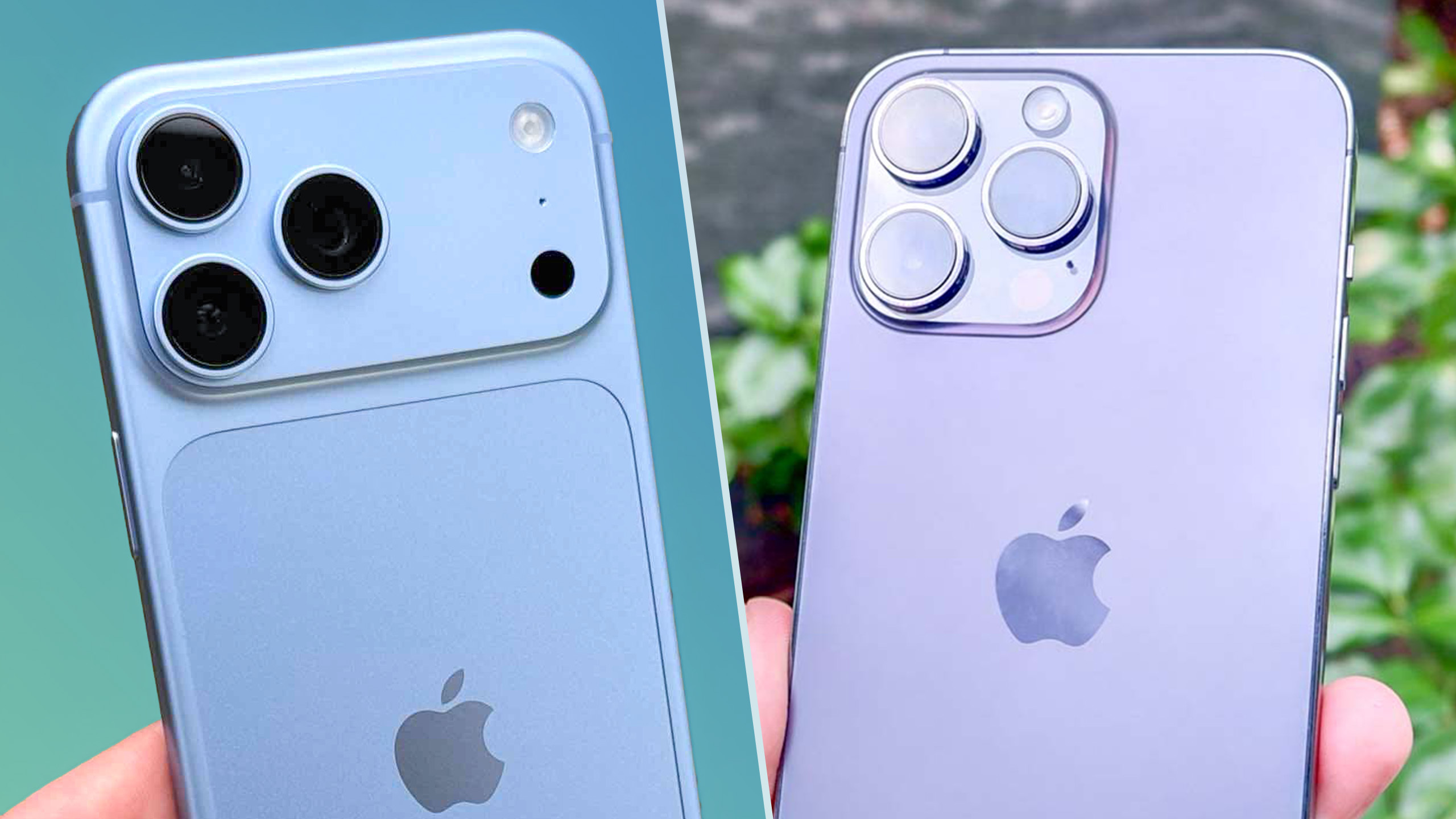
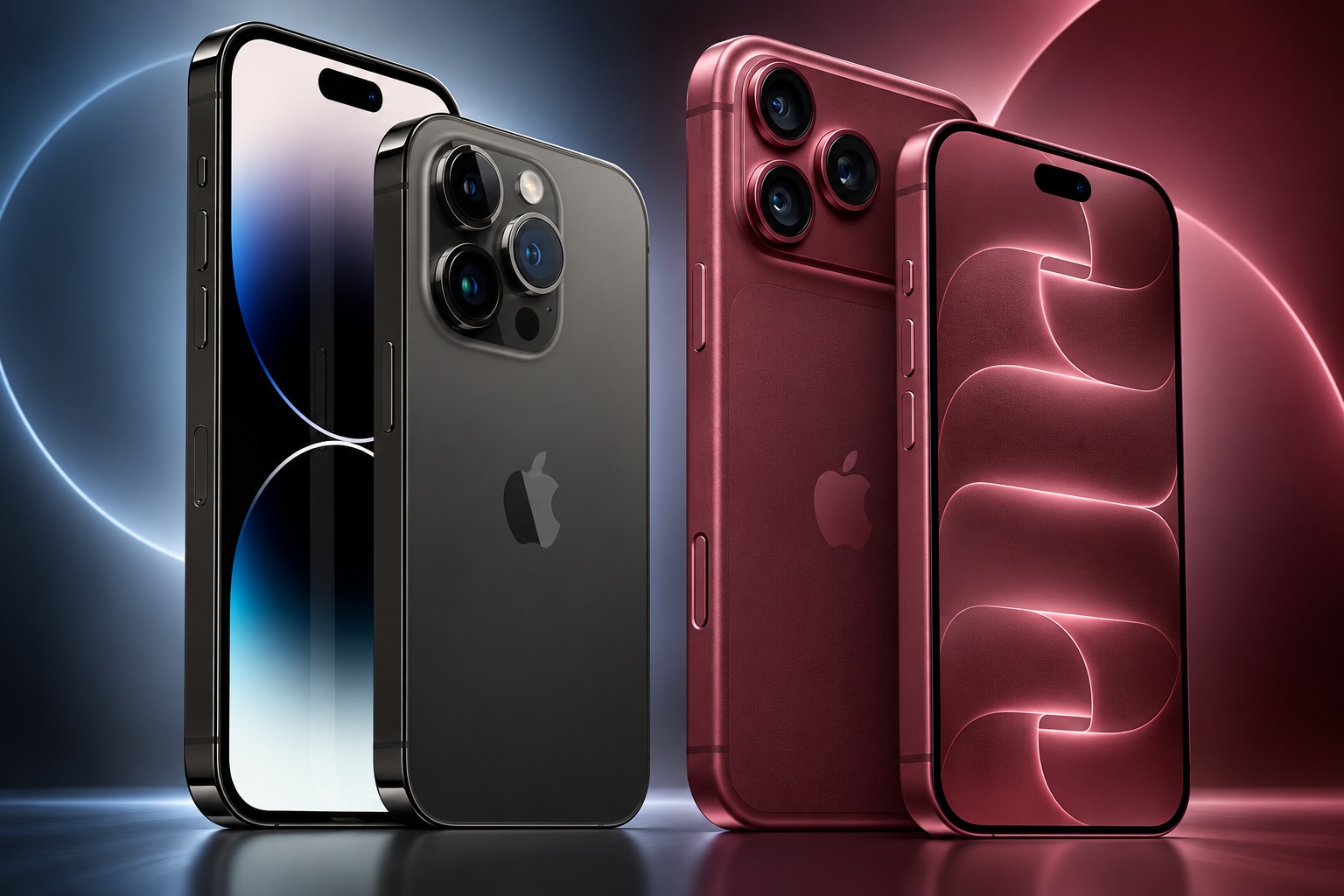
The visual and tactile change begins with the manufacturing materials. While the iPhone 14 Pro relied on a stainless steel frame with sharp edges and an all-glass back, the iPhone 18 Pro comes with a chassis made from a single piece of aluminum (Unibody) with partial integration of Ceramic Shield on the back, which significantly enhances heat dissipation. It also features a horizontal camera platform that spans the entire rear width with a rectangular design with curved edges. Although aluminum may be more prone to scratches and dents compared to the hardness of steel, it allowed Apple to increase the screen dimensions without increasing the phone’s weight in an annoying way; the weight of the iPhone 18 Pro increased by only 5 grams (211 grams vs. 206 grams), and the Max model increased by only 9 grams, despite the clear increase in thickness and battery capacity.
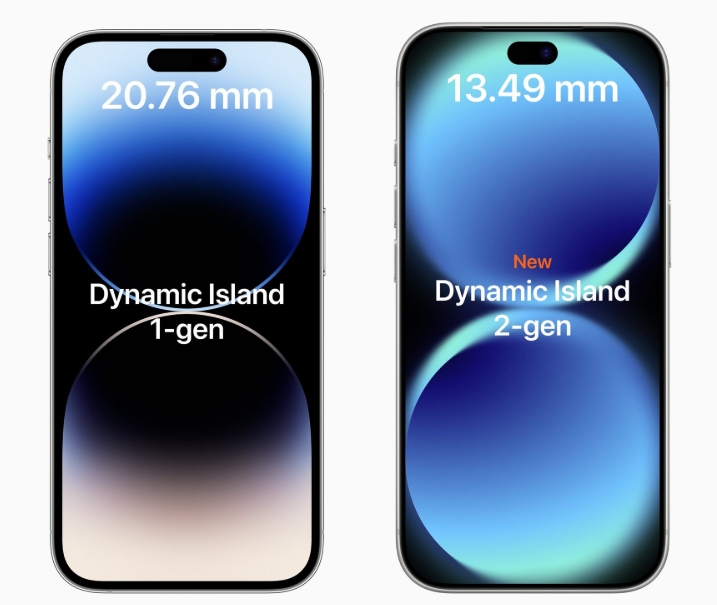
As for the screens, they have received a long-awaited upgrade. The screen expanded from 6.1 inches to 6.3 inches in the Pro model, and from 6.7 inches to 6.9 inches in the Pro Max model, thanks to a significant reduction in the surrounding bezels. The improvements didn’t stop at size; peak outdoor brightness jumped from 2,000 nits to 3,000 nits, and the minimum brightness dropped to just one nit to provide complete eye comfort in total darkness. Apple also added an anti-reflective coating layer specifically designed to reduce glare and equipped the front with a new generation of Ceramic Shield (Ceramic Shield 2) that offers three times better scratch resistance. At the top, the Dynamic Island has become smaller and now supports displaying up to three live activities at once instead of two, while the phone has bid farewell to the traditional mute switch in favor of the Action Button and Camera Control button.
Performance and Artificial Intelligence: From 4nm Architecture to 2nm Power
The leap in internal hardware is like moving to an entirely new technological era. The A16 Bionic chip manufactured with 4nm precision in the iPhone 14 Pro hands the baton to the A20 Pro chip, manufactured with TSMC’s advanced 2nm process. The new chip includes a six-core CPU consisting of two high-performance cores and four efficiency cores, a seven-core GPU that supports hardware-accelerated ray tracing, and advanced neural accelerators. RAM has doubled from 6GB to 12GB of ultra-fast LPDDR5X, with memory bandwidth expanding from 51.2 GB/s to 115 GB/s, alongside a dual neural engine featuring 32 cores for local AI processing.
This hardware difference is not just numbers for show in benchmarks; it is the exclusive gateway to running Apple Intelligence features, the new smart Siri assistant, and the Visual Intelligence feature—capabilities that the iPhone 14 Pro completely lacks despite its support for iOS 27. Furthermore, Apple solved the overheating issue caused by heavy tasks by equipping the iPhone 18 Pro with a cooling system based on a Vapor Chamber with a surface area three times larger than the previous generation, with an innovative design that places the silicon chip directly next to the memory to connect to the cooling chamber immediately, ensuring stable and extended performance while running heavy games or recording high-resolution video.
In terms of connectivity, Apple has moved to using a custom-designed C2 modem and the N1 wireless chip, which supports Wi-Fi 7, Bluetooth 6, and the Thread protocol, alongside the second generation of the Ultra Wideband chip for precise people finding. Replacing the legacy Lightning port with a USB-C port also marks a leap in data transfer speeds from the slow USB 2 speeds (480 Mbps) to lightning-fast USB 3 speeds (10 Gbps), with support for video output via the DisplayPort at resolutions up to 4K with HDR technology.
Camera System: Variable Aperture and Advanced 48MP Optical Zoom
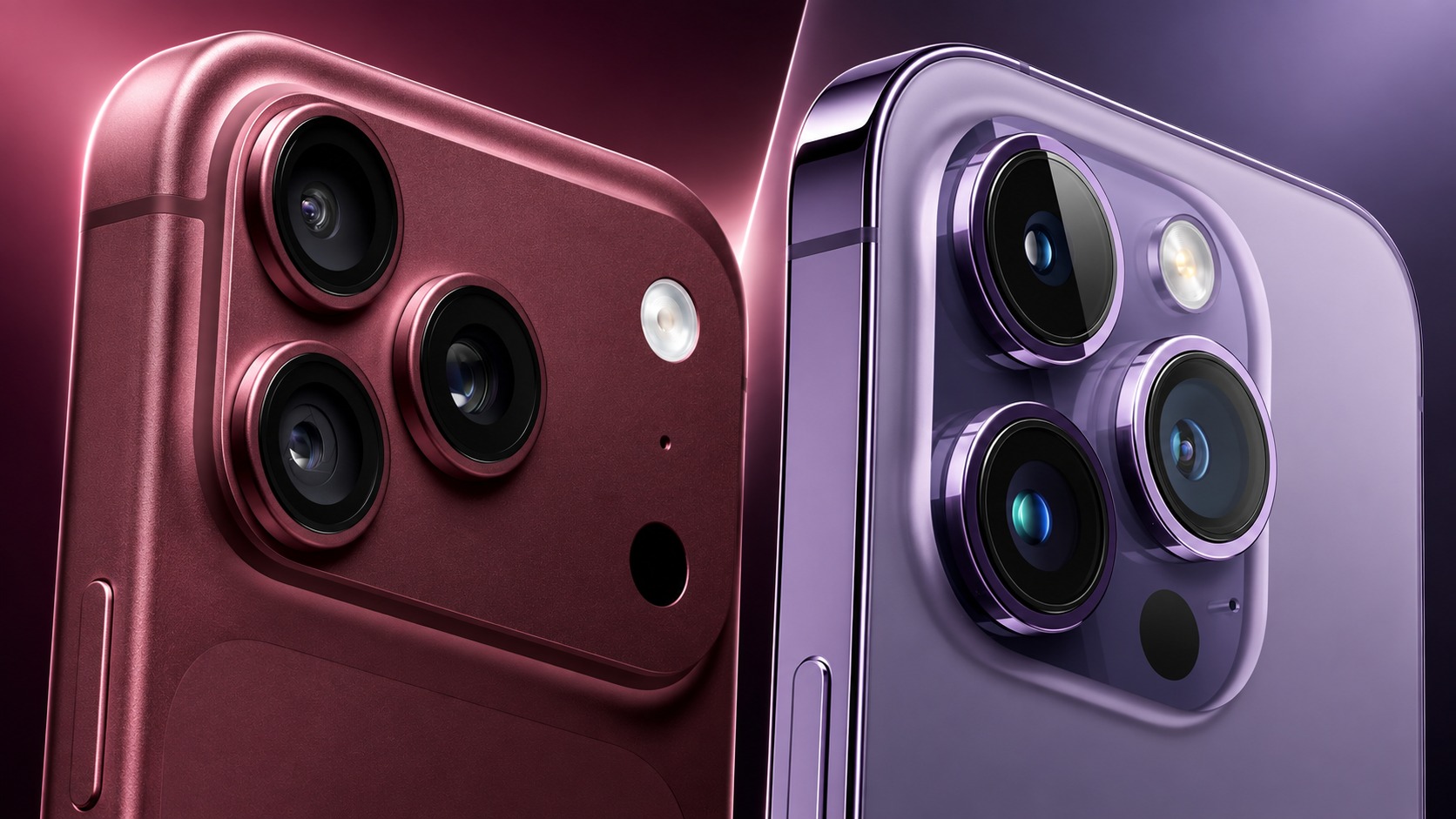
iPhone cameras have never seen a qualitative leap in their history like the one that occurred in these four generations. The main camera has abandoned the fixed aperture to adopt a variable aperture system with four stops: ƒ/1.48, ƒ/1.8, ƒ/2.8, and ƒ/4.0, controlled via six laser-cut blades with an API provided for developers to control them within their apps. This system provides natural optical bokeh and precise control over depth of field, and offers 50% better performance in low light compared to previous generations with ultra-fast night mode. Apple also added manual controls for professionals, including shutter speed, white balance, and a histogram.
The other two lenses received a similar radical upgrade. The Ultra Wide camera shifted from 12MP resolution to a 48MP Fusion lens that supports high-resolution macro photography. The Telephoto lens also jumped from 12MP with 3x zoom (77mm focal length) to a 48MP Fusion lens with 4x optical zoom (100mm focal length), and thanks to its high resolution, it allows for capturing photos with optical quality at 12MP at 8x zoom (200mm focal length), with digital zoom reaching 40x compared to only 15x in the old phone.
For video enthusiasts and content creators, the phone supports recording Dolby Vision at 4K resolution at up to 120 frames per second, with the ability to record ProRes video at 4K at 120 fps directly to external storage media via the USB-C port. Apple also added support for the ProRes RAW format, Apple Log 2, the ACES color encoding system, professional Genlock synchronization technology, and dual recording with both front and rear cameras simultaneously in 4K. The system is completed by the tactile Camera Control button covered in sapphire crystal to adjust settings and zoom with a finger touch, alongside upgrading the front camera to 18MP with a square sensor and Center Stage technology that allows for horizontal or vertical framing without needing to rotate the phone.
Battery and Charging: Larger Capacities and Doubled Endurance End Charging Anxiety
If the iPhone 14 Pro battery has started to show signs of fatigue and decline after years of use, the difference in the iPhone 18 Pro will seem amazing. Battery capacity jumped from 3,200 mAh in the iPhone 14 Pro to range between 4,056 and 4,288 mAh in the new Pro model, and in the Pro Max model, it jumped from 4,323 mAh to range between 5,391 and 5,567 mAh. This massive growth is directly reflected in actual runtime; video playback time increased from 23 hours to 36 hours in the Pro, and from 29 hours to 45 full hours in the Pro Max.
Apple didn’t just extend battery life; it radically accelerated the power-up process. The iPhone 18 Pro supports fast wired charging at 60W or higher to reach 50% charge in approximately 15 minutes, compared to about 30 minutes for a 20W charger on the iPhone 14 Pro. Wireless charging capability via MagSafe and Qi2 technologies also increased to 25W, allowing half the battery to be charged wirelessly in 30 minutes using a 35W or higher adapter.
In terms of sustainability and lifespan, the iPhone 18 Pro battery is designed to retain 80% of its original capacity after 1,000 full charge cycles, which is double the lifespan of the iPhone 14 Pro battery, which retained this percentage at only 500 cycles. Apple also provided a Charge Limit feature in the system from 80% to 100% in 5% increments to preserve the battery, with the addition of detailed information in the Battery Health section including the number of charge cycles, manufacturing date, and date of first use.
Capacity Options and Pricing: The Investment Equation
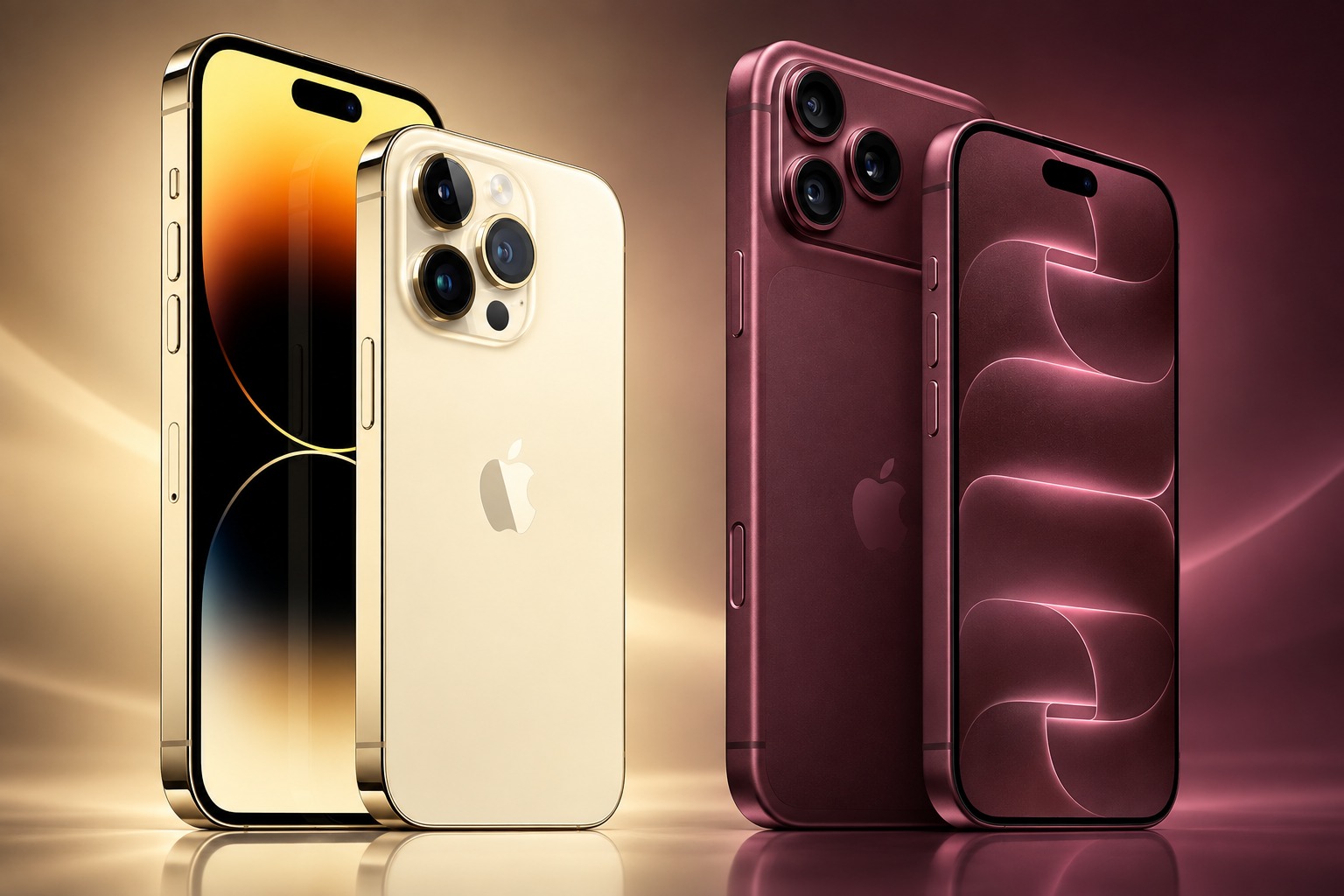
The price of the iPhone 18 Pro starts at $1,199 for the 256GB capacity, which represents a $200 increase compared to the launch price of the iPhone 14 Pro of $999, but Apple has doubled the base storage capacity from 128GB to 256GB. The iPhone 18 Pro Max starts at $1,299 for the 256GB capacity compared to $1,099 for the 14 Pro Max model at its launch with the same increase in base capacity. Maximum storage capacities now reach a 2TB option to meet the requirements of professional photography.
The final decision depends on your priorities and your level of satisfaction with your current device. If your iPhone 14 Pro is still performing your daily tasks smoothly and the battery lasts you all day, there is no urgent rush to upgrade, and you can simply replace the battery if its health is the only problem. But if you are looking for a real breakthrough in photography quality, ultra-fast charging speeds, battery life that exceeds a full day, and to benefit from the integrated Apple Intelligence ecosystem and the convenience of the USB-C port, then the leap after four generations will feel like you have acquired a device from the future.
Source:
Leave a Reply