It seems that Apple is preparing to enter the smart glasses market through the door that users are actually demanding, at a time when this sector is witnessing an unprecedented explosion in sales. The latest data released by Counterpoint Research revealed that global shipments of AI glasses jumped by more than 260% during the first half of 2026, paving the way for Apple’s upcoming product to enter a thirsty and promising market.
The AI glasses market explosion: The secret is the absence of screens

The Counterpoint report showed that global AI glasses shipments recorded a stunning annual increase of 263% during the first six months of 2026. What is surprising about these figures is not only the accelerated pace of growth, but the nature of the products driving this boom; screenless glasses accounted for 96% of total global shipments, reflecting a clear consumer trend toward lightweight and practical designs.
According to the data, shipments of glasses without screens grew by 258% compared to the same period in 2025, and by 22% compared to the second half of last year. This trend indicates that the user currently does not want to wear a heavy helmet or isolate themselves from their surroundings, but is looking for a stylish frame that offers photography functions, audio listening, making calls, and interacting with AI seamlessly without screens obstructing their vision.
Apple’s strategy: Focusing on audio and Siri instead of augmented reality
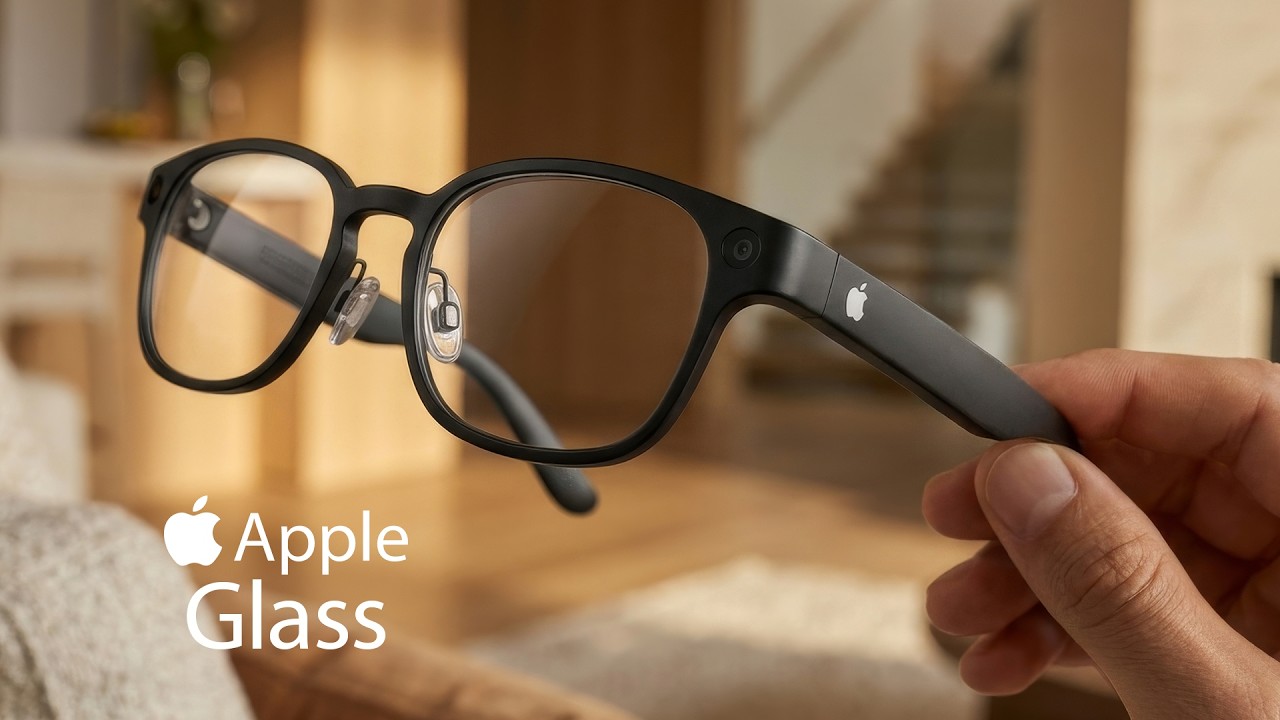
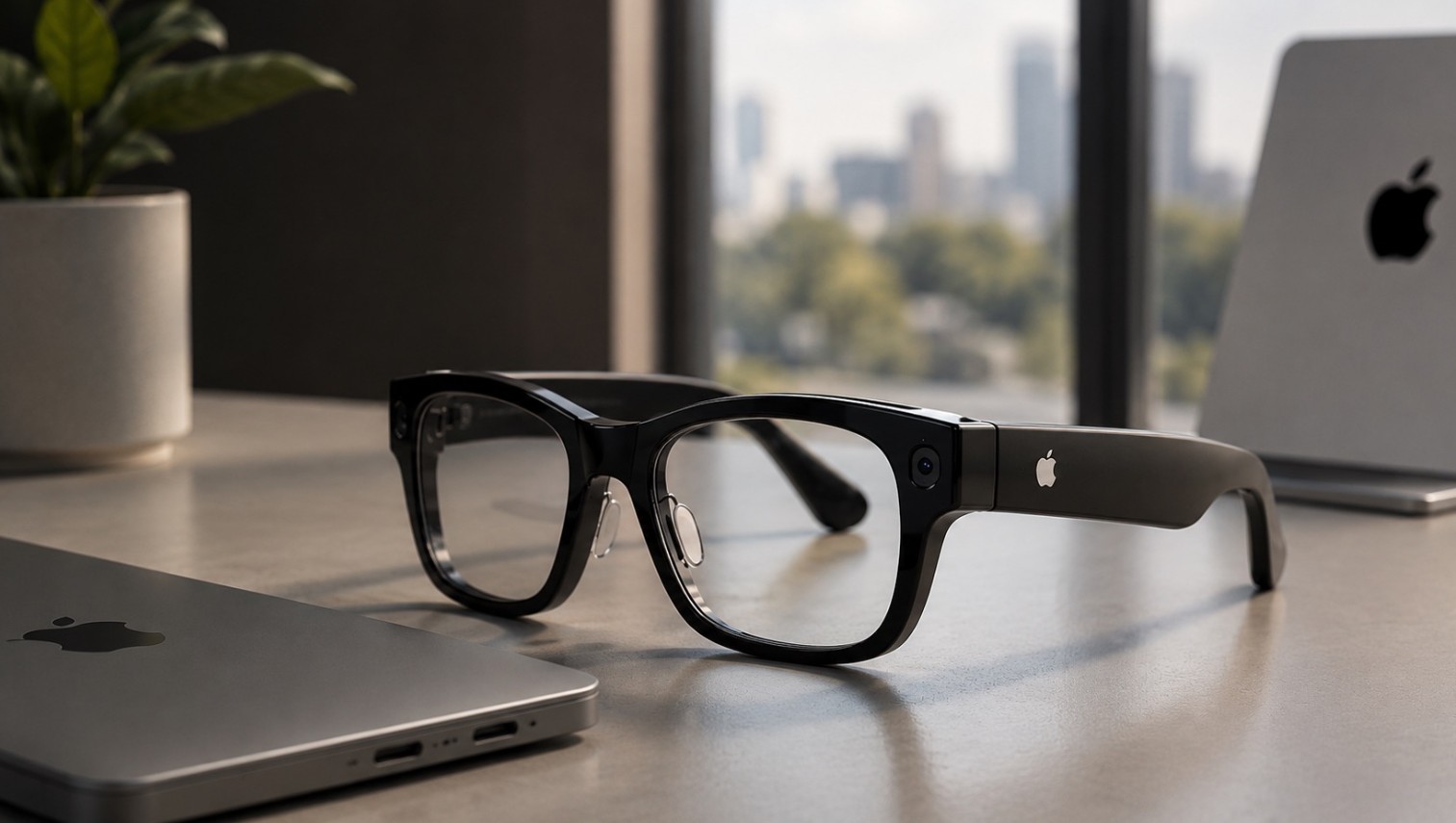
These statistics hold excellent strategic implications for Apple; reports and leaks indicate that the first smart glasses the company is working on will completely abandon complex augmented reality screens, and will instead focus on equipping the frame with high-fidelity audio speakers, advanced cameras, and deep integration with the Siri voice assistant, while relying on the Apple ecosystem and direct connection to the iPhone.
Journalist Mark Gurman from Bloomberg confirmed that Apple plans to launch these glasses in late 2027, with a potential initial unveiling during the WWDC 2027 developer conference, with a major promotional focus on the privacy element in which the company excels. As for more advanced glasses equipped with true augmented reality screens, they will not see the light of day before 2029 at the earliest, until the technology becomes more mature and suitable for daily use.
Meta dominates the scene.. so how will Apple compete with it?

The task will certainly not be a walk in the park for Apple; it faces a seasoned giant that dominates this sector with an iron grip, as Meta alone accounts for about 94% of total global AI glasses shipments. Meta succeeded in achieving an annual growth of 260% thanks to Ray-Ban Meta glasses, which combined attractive modern design, multiple frame options, and wide commercial distribution, with prices starting at $299.
In contrast, glasses equipped with screens accounted for only 4% of the total market volume, despite their shipments growing by 449% year-on-year. This huge difference in volume confirms that Apple’s decision to start with a lightweight audio-based smart glass powered by AI and without a screen is the most commercially appropriate decision to compete directly with Meta before moving to the next stage.
Privacy obstacles and the future of proactive assistants
The Counterpoint report did not fail to point out the challenges that could slow the growth of this market; led by the continuous rise in chip and semiconductor costs, as well as the biggest concern represented by societal anxiety about wearable cameras and the fear of privacy violations and covert filming without the knowledge of those around.
Despite these concerns, reports expect that investments by major companies such as Apple, Meta, Google, and Samsung will move this category to an advanced level; so that glasses will transform from mere devices that respond to commands into proactive smart glasses that understand what surrounds the user through AI and provide them with support and guidance based on the context they are living in at that moment.
Source:
Leave a Reply