The Apple Intelligence system has come a long way since Apple first announced it. What initially seemed like a collection of gimmicky tools that didn’t deliver on all their promises has gradually matured into a highly practical and useful ecosystem, provided you give it a chance and understand where its true strengths lie. The idea here isn’t to force you to change how you use your device entirely, but to harness these technologies to handle those small, tedious, routine tasks that consume your time and focus throughout the day; from drafting a professional email to finding a forgotten photo in your massive library. Here are seven ways you can leverage Apple Intelligence to make your iPhone a more effective daily companion.
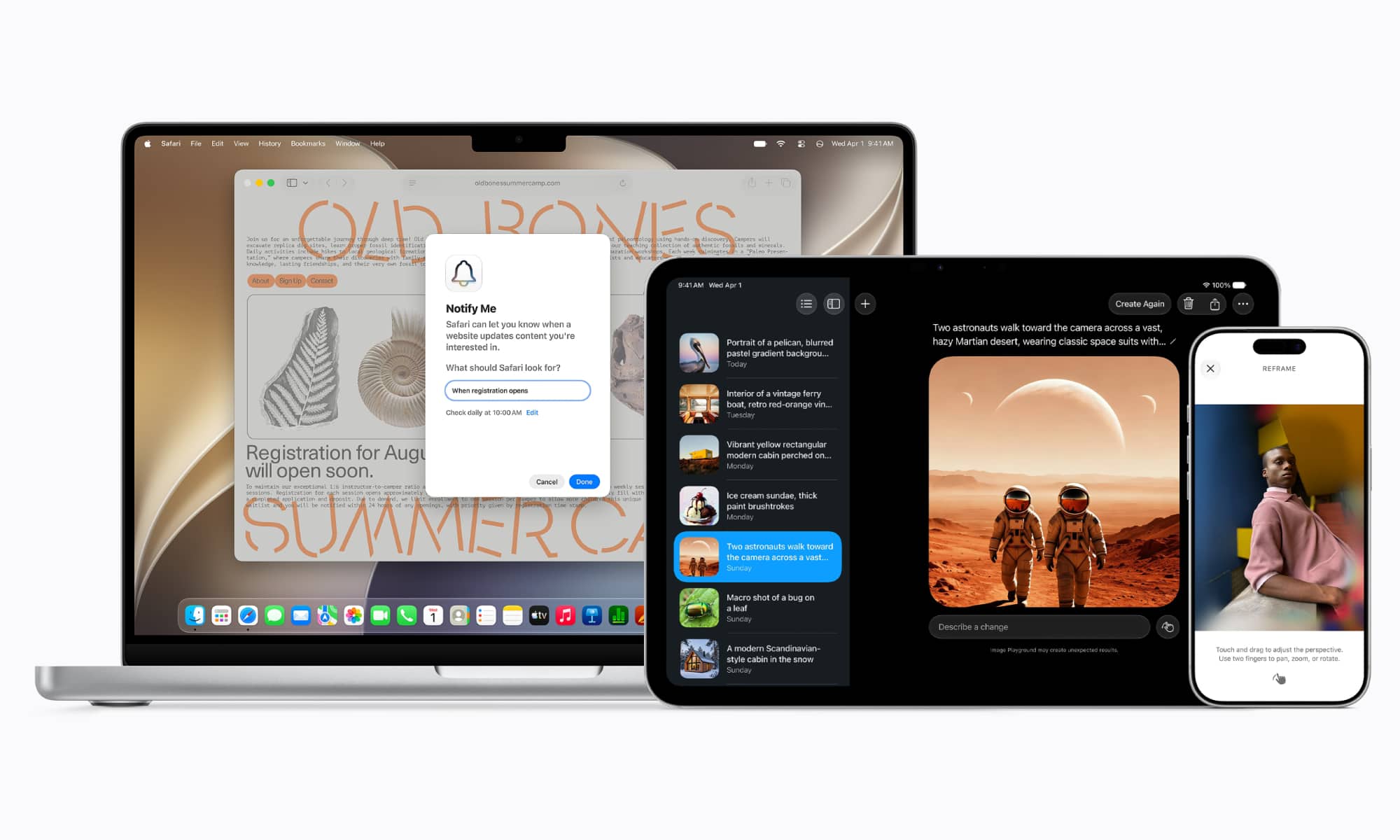
Proofreading messages and adjusting writing style via Writing Tools
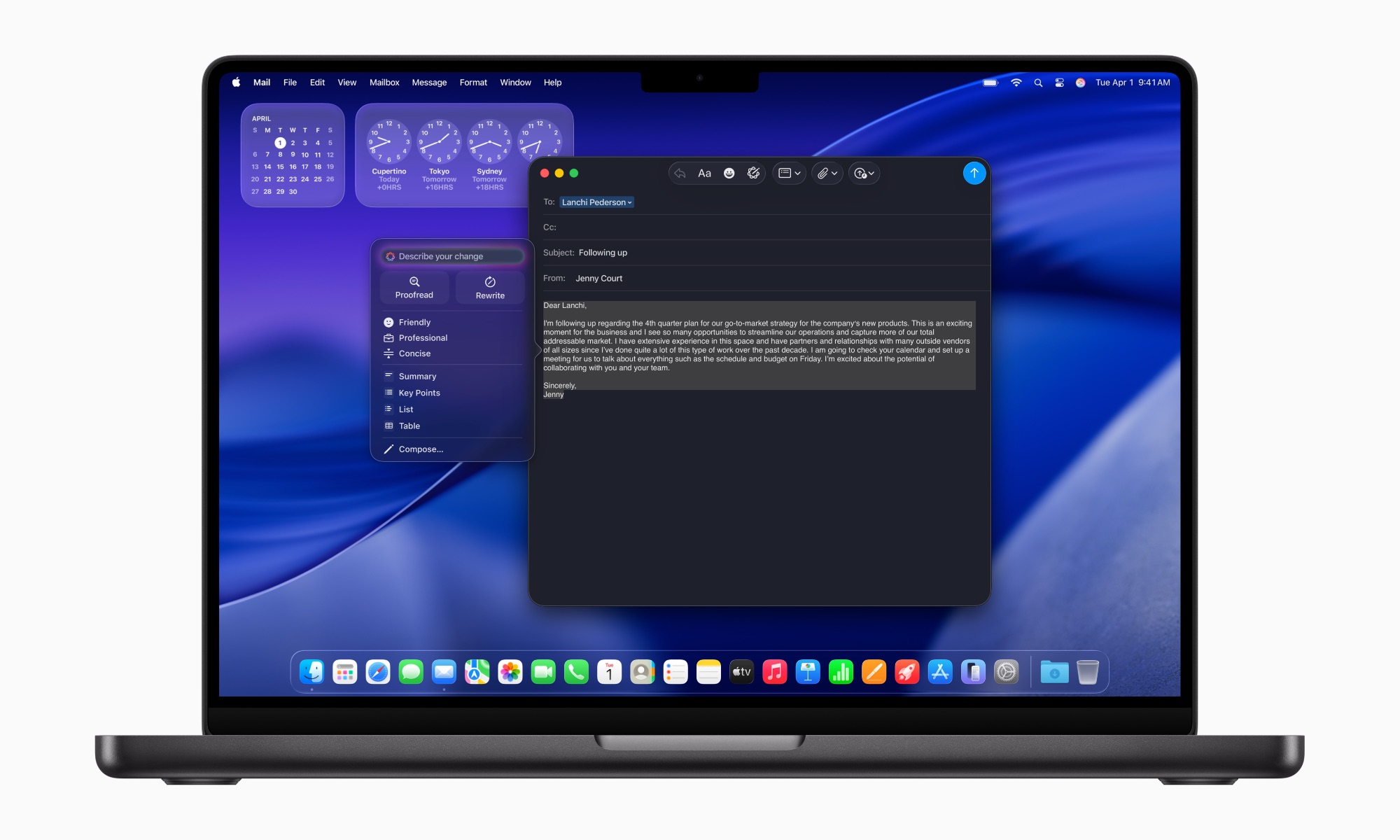
Who hasn’t sent an important work email only to discover an embarrassing typo two seconds after hitting send? This is where the Writing Tools, deeply integrated into the system, come into play. Apple Intelligence scans your text for spelling and grammatical errors, reviews the overall tone, and suggests alternative phrasings if it feels the meaning lacks flow or precision.
This feature is great because it works almost everywhere you can input text, including supported third-party apps and web browsers, meaning you won’t need to copy and paste text into an external AI app for proofreading. All you have to do is select the text written on your iPhone and tap the Writing Tools icon from the pop-up menu, or right-click on Mac devices and choose proofread. However, the golden rule remains: always review the final draft yourself to ensure it perfectly expresses what you intend.
Summarizing long email threads with a single touch

Opening your inbox and finding an email conversation that has stretched into dozens of replies is not fun for anyone. But Apple Intelligence offers a direct solution within the official Mail app; it can read the entire thread and display a concise summary at the top of the screen, showing you the essence of the discussion and the decisions made without wasting your time reading every line.
To use the feature, open the message in the Mail app and tap the Summarize button to see the key points in a matter of seconds. Naturally, because generative AI models might sometimes skip fine details or superficially understand a specific context, it is always better to refer back to the original message when there are precise instructions or critical numbers that leave no room for ambiguity.
Searching for photos and videos by describing what you remember
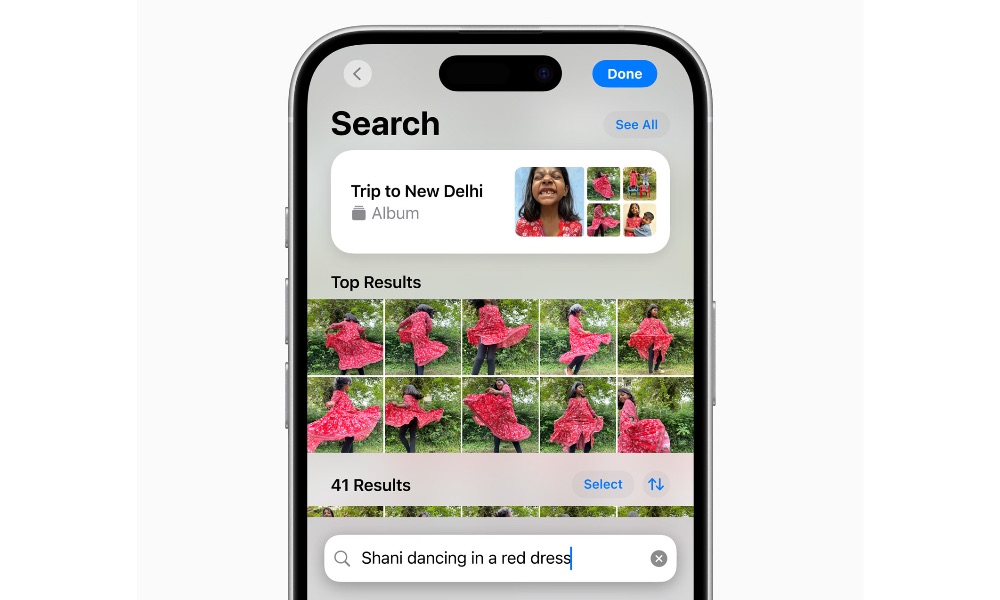
Searching for a photo you took three years ago can turn into an annoying nightmare if you don’t remember the exact date it was taken among thousands of stored images. Fortunately, your human memory often retains visual details: such as remembering that your friend was wearing a specific blue jacket, or that you were taking a picture of your cat jumping over the dining table.
Apple Intelligence allows you to type those natural descriptions directly into the search bar within the Photos app. Even better, the feature extends to videos as well; the system doesn’t just pull up the right video, but it identifies the exact moment the requested scene appears without you having to watch the entire clip from the beginning.
Removing distracting elements and professionally reframing photos
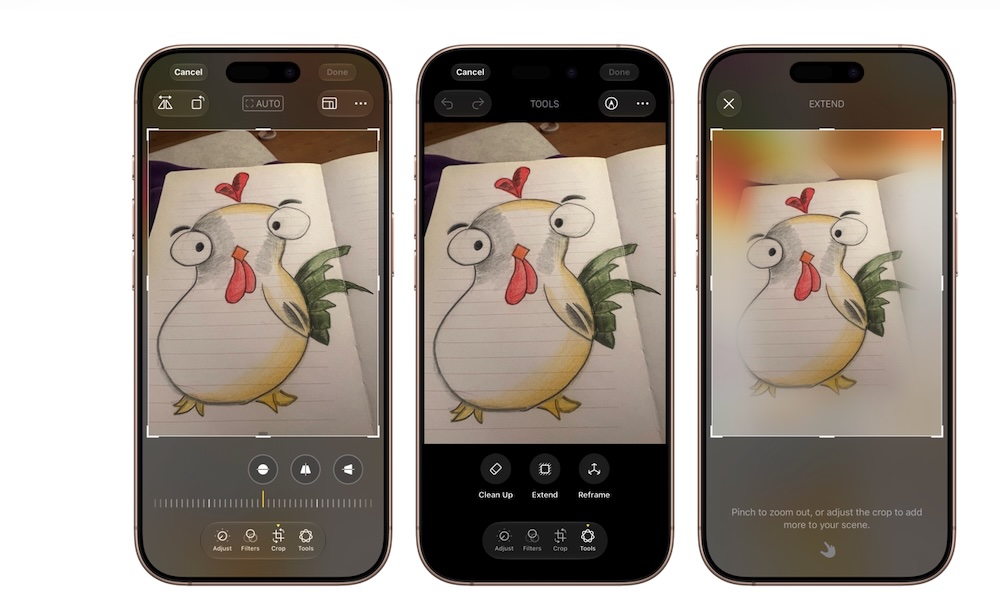
There is no longer a need to open complex photo editing software just because a stranger accidentally walked into the background of your favorite photo. Apple has introduced the Clean Up tool, which identifies distracting elements and removes them with a single touch, filling the space with a consistent background that blends seamlessly with the rest of the image.
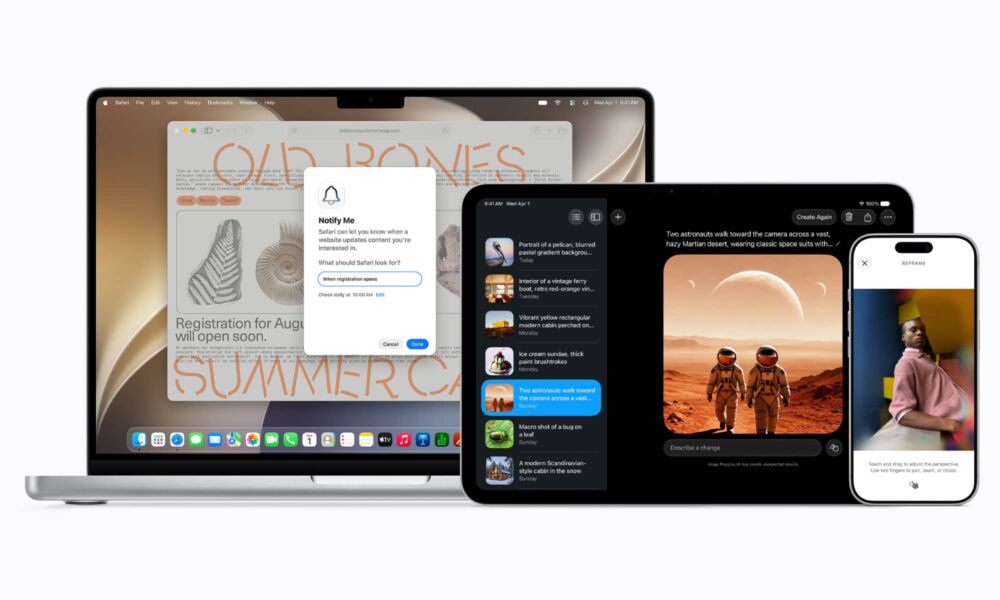
Photo processing capabilities expand to include advanced tools like the Extend feature to generate additional parts of the scene if you want to enlarge the frame, and the Reframe feature to adjust the shooting angle and the direction of people’s gaze so the photo looks as if it were perfectly captured toward the lens. All these options are available directly within the edit button in the Photos app.
Using Visual Intelligence to understand screenshot content
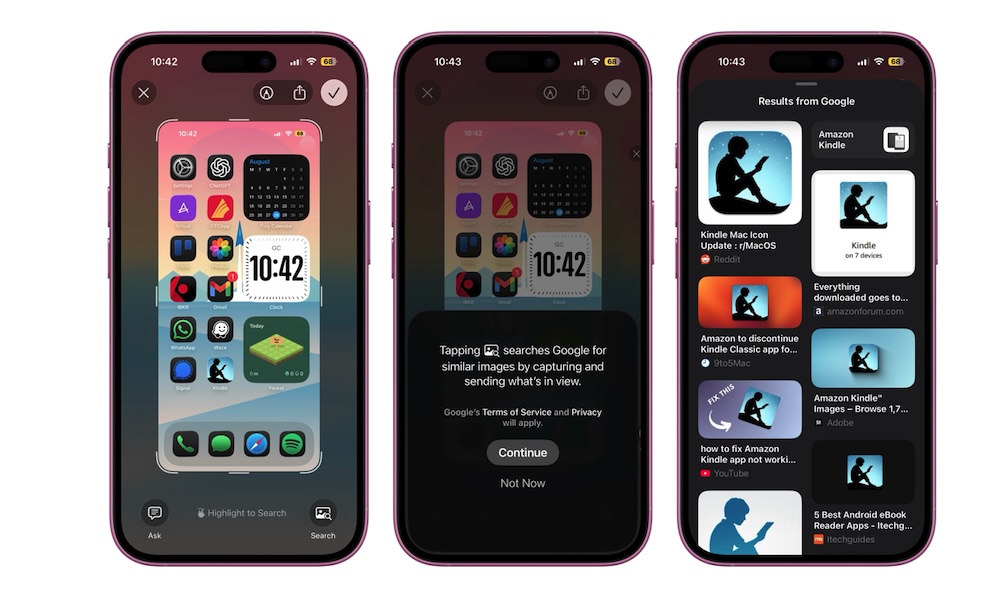
The Visual Intelligence feature acts as a quick window to identify the contents of the screenshots you take daily. If you see a product in an app and want to know its price on online stores or search for additional information about it via a search engine, the system helps you immediately.
To take a screenshot, press the side button and the volume up button together, then tap the thumbnail preview in the bottom corner, and you will see the Visual Intelligence options appear before you. You can drag your finger to select only a specific element within the screenshot and search for it specifically. Just make sure to do this immediately after taking the screenshot via the quick preview, as these direct search options are linked to that initial interface.
Recording, transcribing, and automatically summarizing audio in Notes
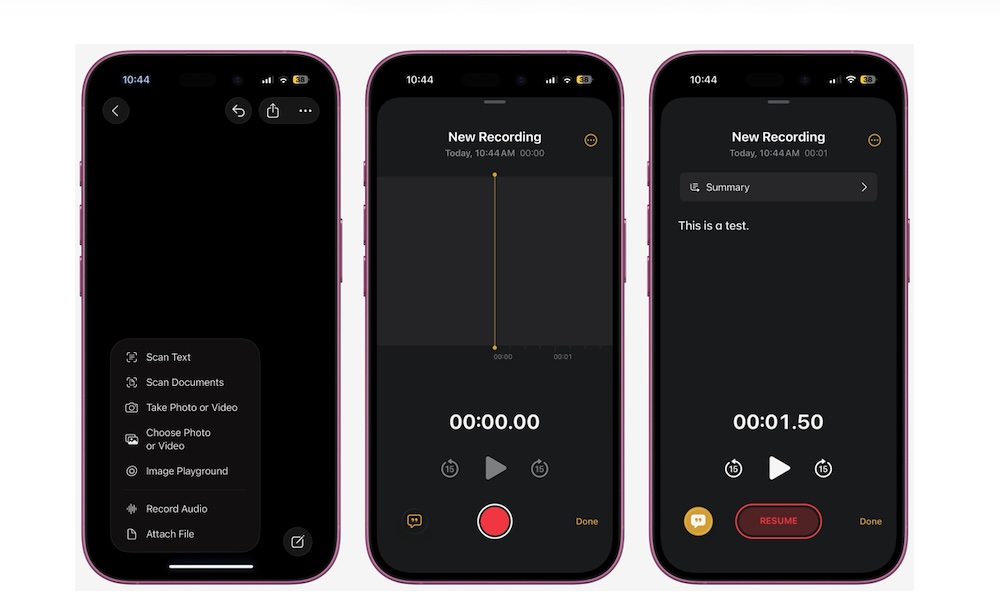
Taking notes during long meetings or lectures often distracts you and causes you to lose the ability to focus on the actual dialogue, resulting in incomplete or disorganized notes. The practical solution came via the Notes app, which is now capable of recording audio and converting it into written text in real-time.
It doesn’t stop at accurate transcription; Apple Intelligence steps in to give you a comprehensive summary of what happened in the session. All you need is to open a new note, tap the attachment icon (the paperclip), and select Record Audio. When finished, you will be able to review the full written text or read the smart summary of the most important points discussed with the press of a button.
Creating complex shortcuts just by typing the idea
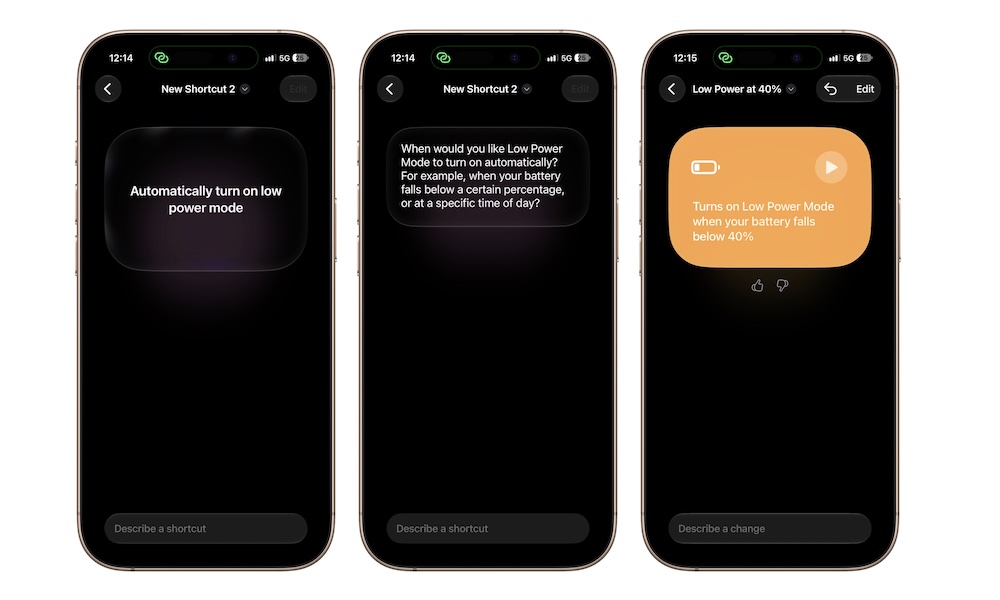
The Shortcuts app has always been one of the most powerful tools in the iPhone system, but the problem was always the steep learning curve; building a complex shortcut requires a precise understanding of variables and sequential workflows, which leads most users to avoid it entirely.
Now, Apple Intelligence handles the task for you; you just need to explain what you want to achieve in your own words, and the system will build the workflow and arrange the commands automatically. Apple relies on on-device processing for simple tasks, while directing more complex tasks to Private Cloud Compute to ensure privacy and processing speed, resulting in a ready-to-use shortcut that saved you hours of trial and error.
Let Apple Intelligence handle the small details of your day
The real benefit of Apple Intelligence doesn’t necessarily mean having it write entire articles for you or manage your decisions, but rather assigning it to complete those tedious routine details that take up more of your time than they should; whether it’s proofreading a work email, summarizing an urgent message, or finding a fleeting moment in an old video.
Certainly, the technology is still evolving and is not infallible, and relying on it blindly is not always a good idea. But as an assistive tool that works quietly in the background of your system, Apple Intelligence proves day after day that it is capable of turning Apple devices into a faster and more flexible work environment.
Source:


Leave a Reply