While all eyes are on the foldable iPhone expected to be unveiled by Apple soon, news surrounding the Apple Watch Series 12 has remained relatively quiet. Indications suggest the upcoming update will be largely gradual, but a new and reliable leak from Mark Gurman in his Bloomberg newsletter reveals Apple's intention to deliver a significant upgrade that appears modest on the surface but is actually quite substantial and impacts the daily lives of every user.
Continuous heart rate tracking: A long-awaited upgrade
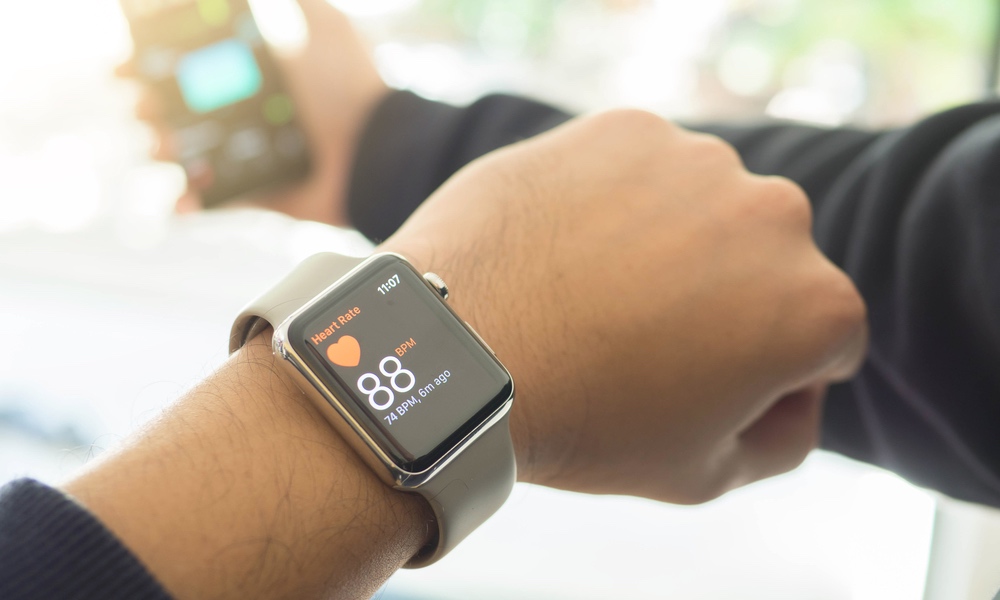
Since the Apple Watch's launch twelve years ago, heart rate monitoring has only been fully active when you begin a workout or manually open the Heart Rate app to check your current activity. Otherwise, the watch takes random, intermittent readings throughout the day to conserve battery life. However, this approach may be about to change, as reports indicate that Apple is testing continuous heart rate monitoring, essentially running the fitness tracking mode in the background all the time.

This step is not merely a technological demonstration; it offers a crucial medical benefit. Continuous monitoring is vital for detecting subtle disorders such as atrial fibrillation and for tracking athletic recovery for extended periods after exercise. While this feature may place additional strain on the battery, reports indicate that the optical pulse sensor could be upgraded to a completely new fourth-generation technology to handle this load more efficiently.
Historically, Apple has only upgraded its sensors to support major features; the first generation continued until the third generation, then the second generation in the Series 4 watch introduced the ECG feature, followed by the third generation in the Series 6 to enable blood oxygen measurement, culminating in high blood pressure alerts in the Apple Watch Series 11. The Apple Watch 12 is also expected to be equipped with a truly improved internal processing chip that goes beyond simply renaming previous processors, which is consistent with Apple's usual cycle of developing watch processors approximately every four years.
The return of ceramics: Are we witnessing a revival of the luxury Edition versions?
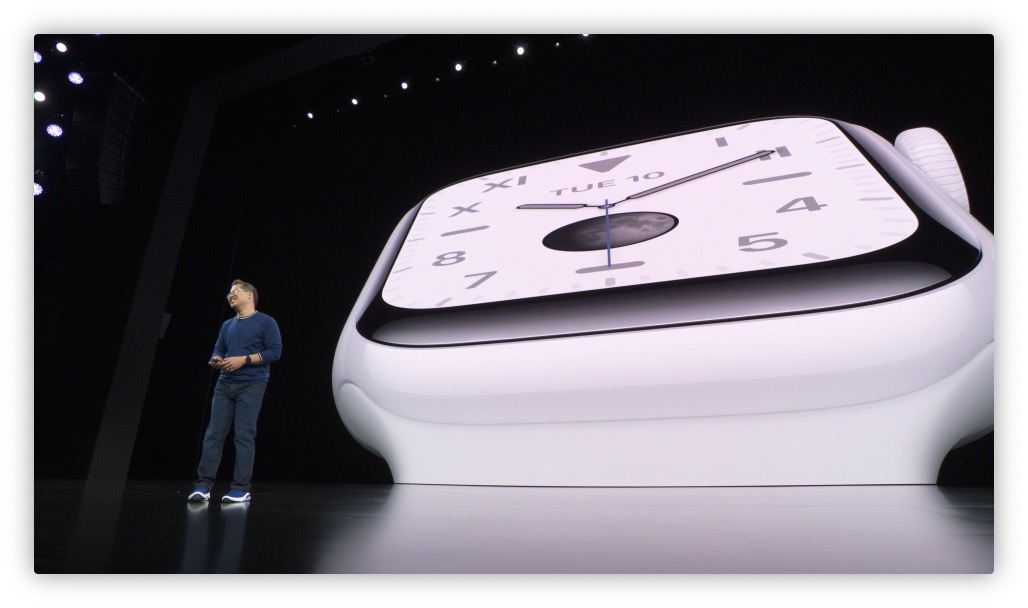
In terms of design, the Apple Watch Series 12 is expected to retain the same external appearance as the Series 11 without revolutionary modifications, but the biggest surprise lies in the materials used, as leaks indicate the possibility of the return of the luxurious ceramic material that we have missed since the launch of the Apple Watch Series 5 in 2019. Sources indicate that Apple has been testing white and dark gray ceramic for this year's models under an internal codename, iceman.
The history of ceramic with Apple is unique. It first appeared as a logical alternative to 18-karat gold in the second-generation Apple Watch Edition models in white, then expanded to include gray with the third generation, before Apple returned to it exclusively in the fifth generation, coinciding with the launch of the first titanium models. With the later discontinuation of the Edition brand and the replacement of stainless steel with titanium in the tenth generation, it remains unclear whether ceramic will return under a separate luxury brand or simply be an additional option alongside titanium and aluminum.
As for those who want to see radical changes in the overall shape and screen size, Gorman confirms that the major redesign has most likely been postponed to the Apple Watch Series 13 next year, or perhaps even further until 2028, making the upcoming Series 12 an update aimed at those looking for continuous health accuracy and the classic elegance of manufacturing materials.
Source:


8 comment