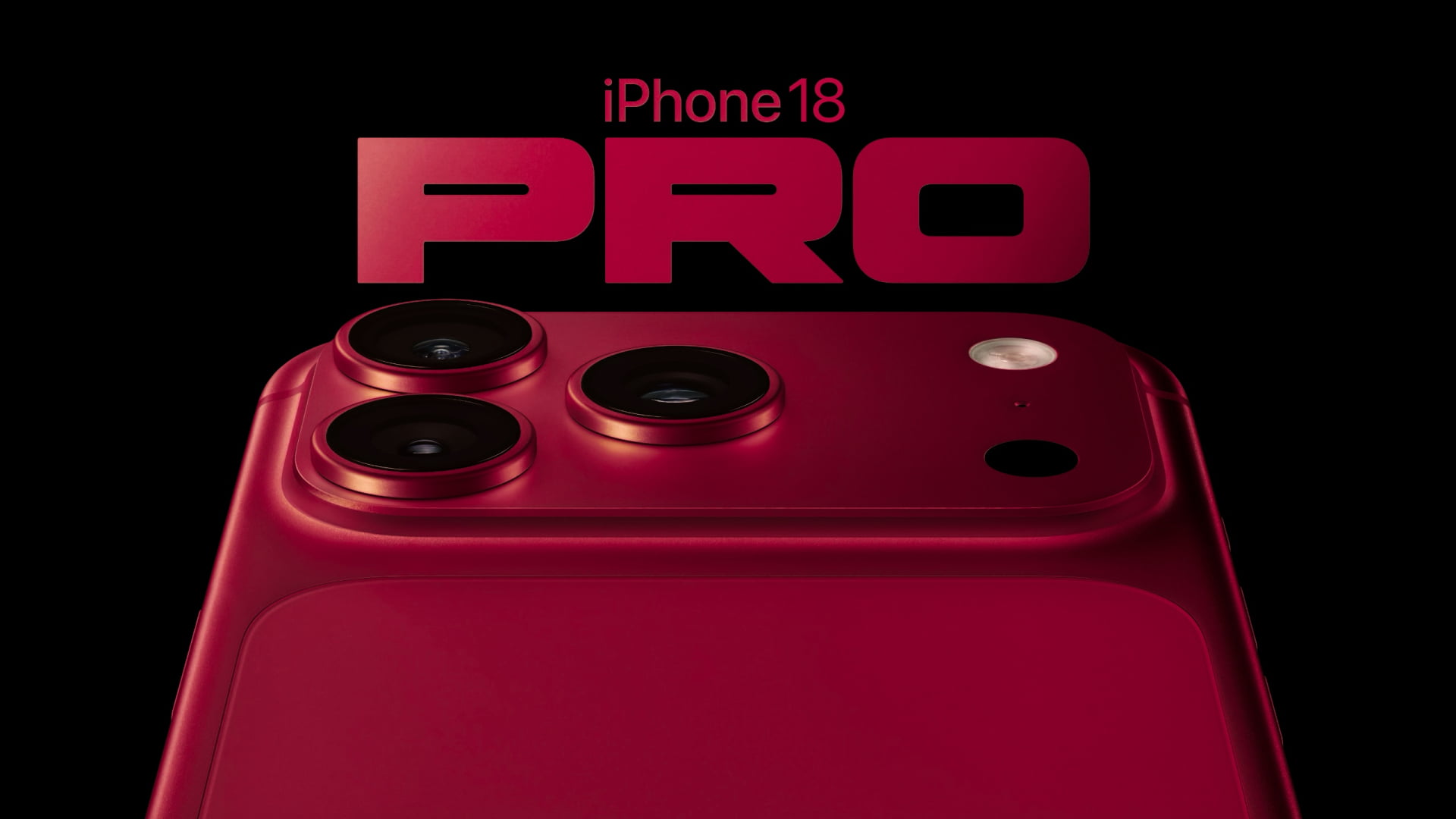
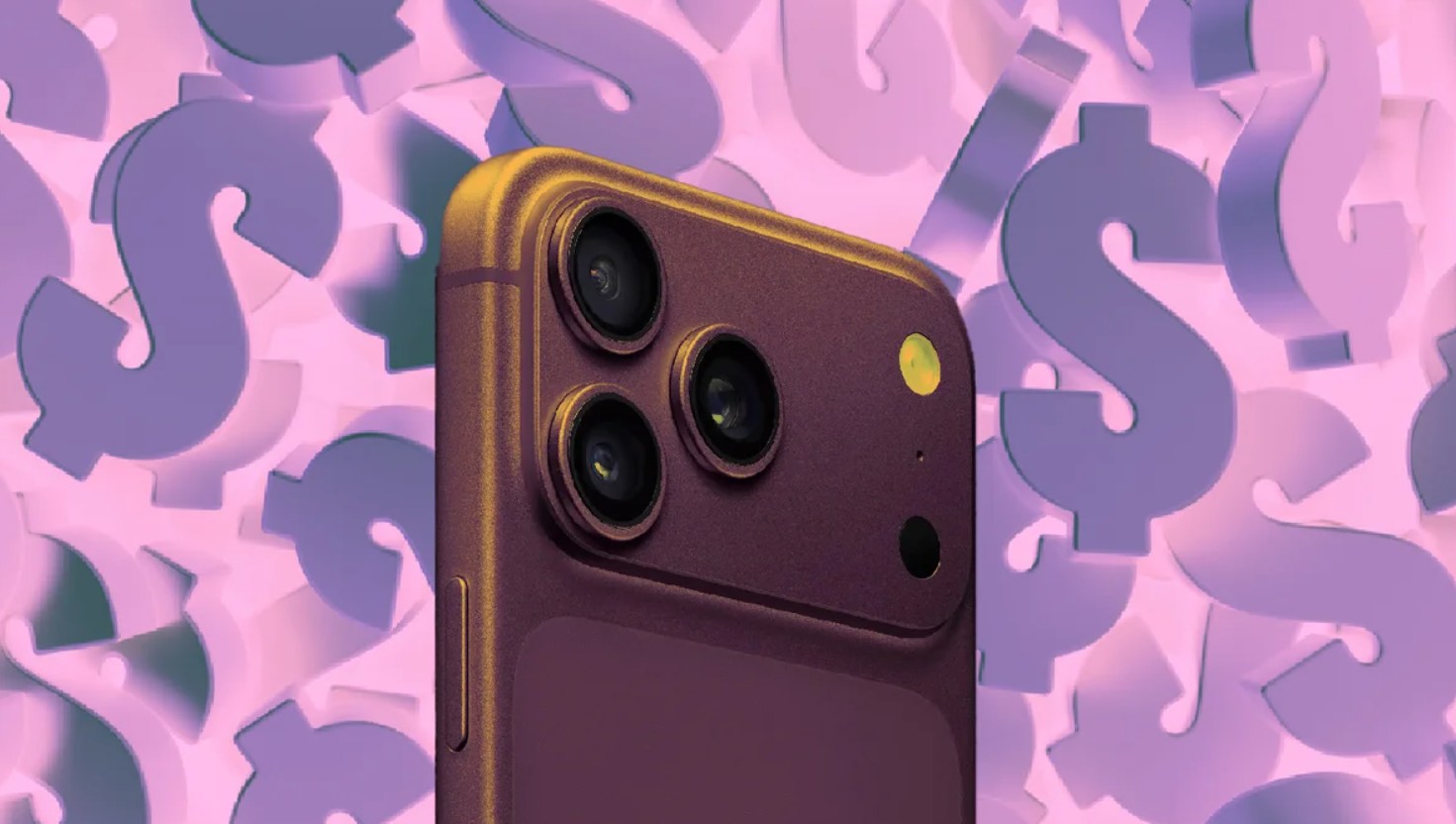
It seems Apple has grown tired of leaving all the hard work to its software and has finally decided to give the upcoming iPhone 18 Pro camera real “gears” and motors! Recent reports indicate that the camera systems for the iPhone 18 Pro and iPhone 18 Pro Max have already entered the production phase, bringing the biggest upgrade in years: a variable aperture lens containing moving mechanical components. This is the first time Apple will implement a physical moving system to control light within its main camera, marking a paradigm shift from computational photography to pure optical photography.
The Supplier Journey from China to Korea
According to a report from ETNews, this move toward production follows the success of the testing and evaluation phase that Apple underwent with its partners to ensure the reliability of the new hardware. China’s Sunny Optical has already begun manufacturing the “actuators” required for this complex mechanism—tiny, ultra-precise parts that adjust the aperture to control the amount of light reaching the sensor. Since Apple doesn’t like to put all its eggs in one basket, Luxshare is expected to join as a secondary supplier for these parts to ensure the massive expected demand is met.
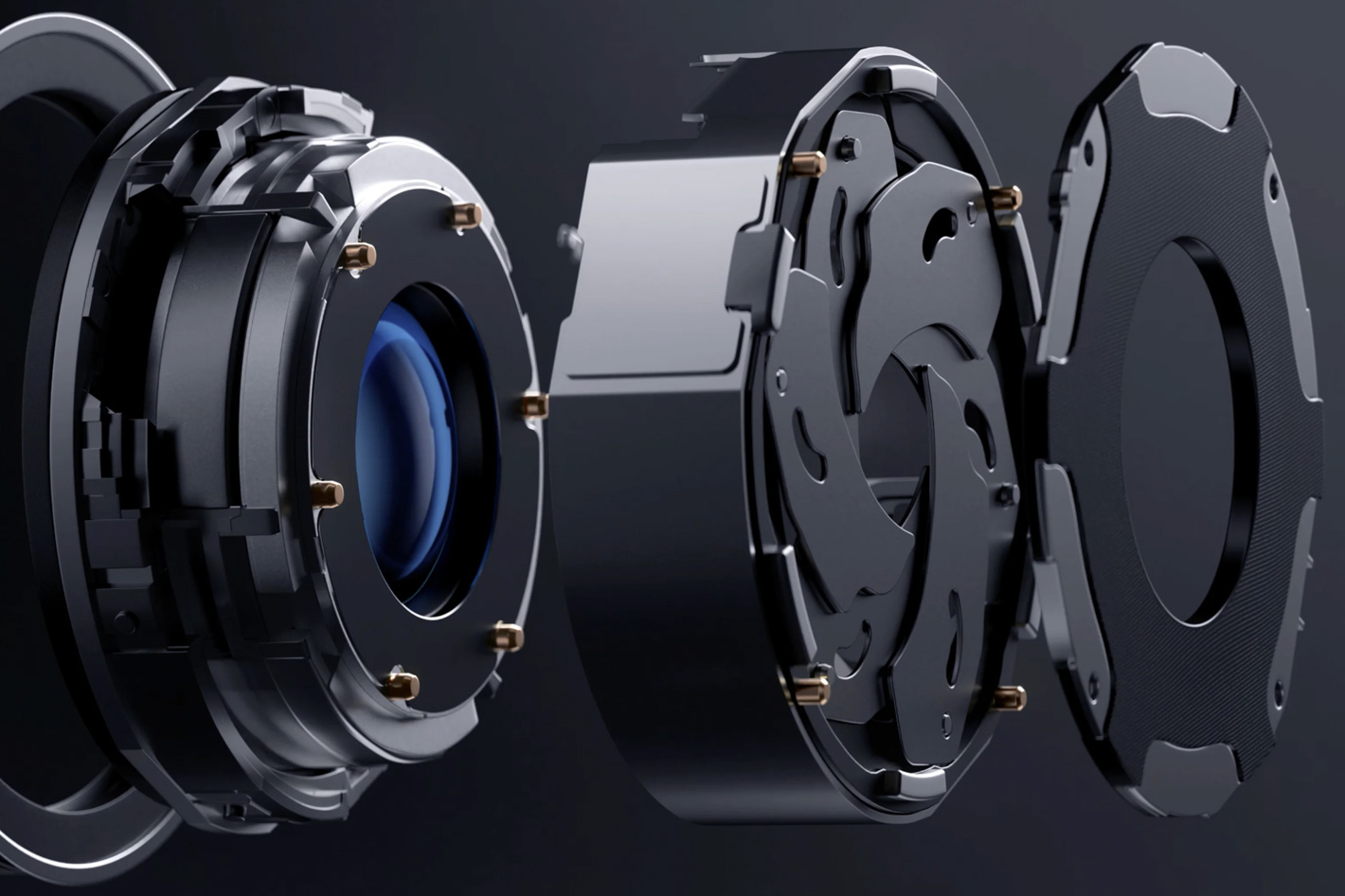
As for final assembly, LG Innotek will lead the process, currently preparing specialized equipment at its factory in Gumi, South Korea. While the actuators are being manufactured now, full production of the camera modules is scheduled to begin in June and July. This timing aligns perfectly with the mass production tests Apple has initiated for its 2026 product line, meaning the schedule is proceeding as planned without any unpleasant surprises.
Why Do We Need a Variable Aperture?
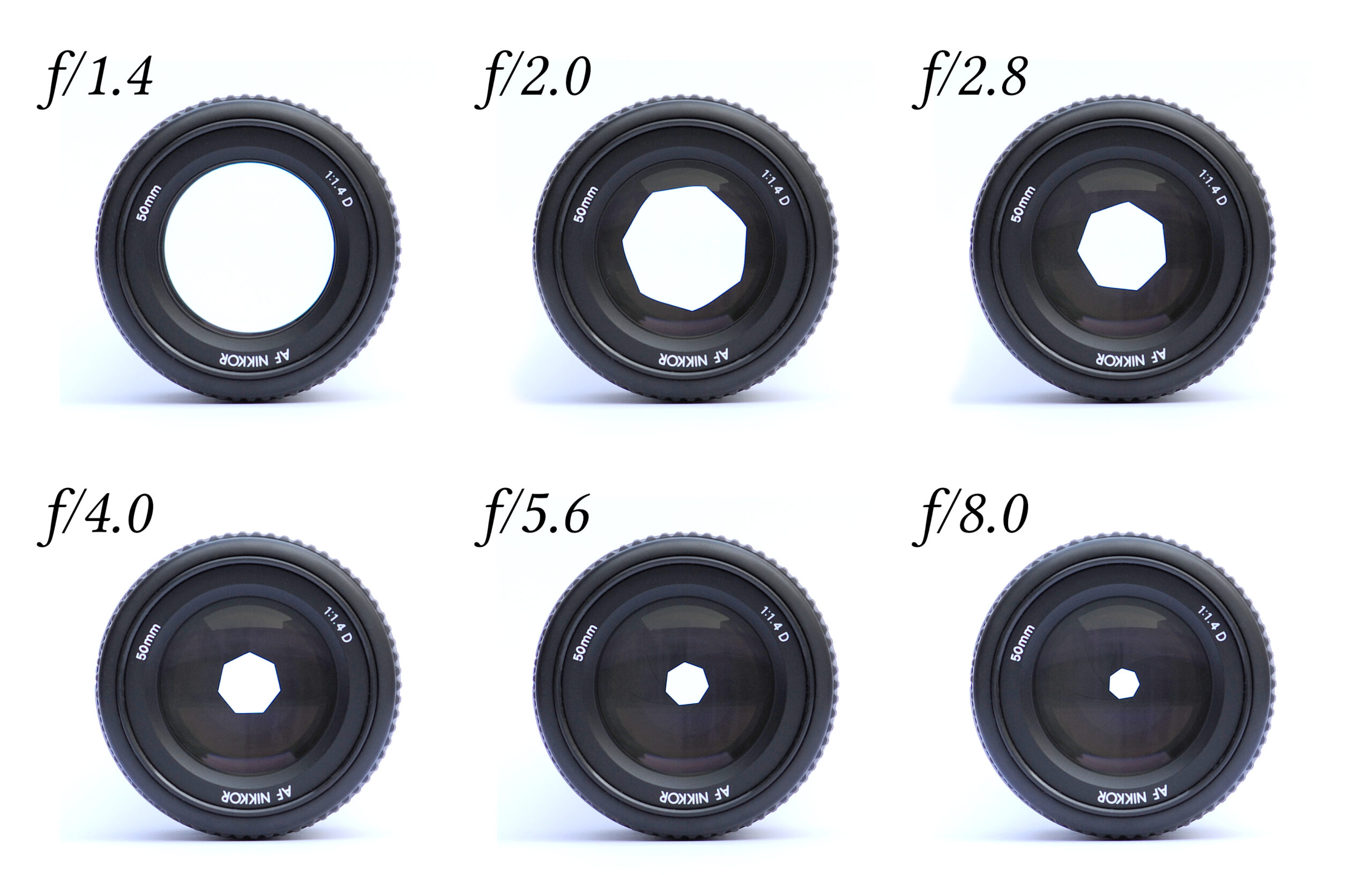
If you are wondering about the utility of all this mechanical effort, the answer lies in “flexibility.” In bright lighting environments, the lens can narrow to reduce excess light and prevent image washout, while in dark scenes, the lens will open fully to allow the maximum amount of detail to pass through. However, the most important feature for photography enthusiasts is “natural bokeh”; this technology will allow for the production of a background blur effect optically, reducing reliance on software intelligence in Portrait mode, which sometimes struggles with edge detection.
This move puts Apple in direct competition with rivals like Samsung, who have explored similar systems in the past. However, we all know that when Apple enters a technology late, it ensures it delivers it with the best possible quality. This upgrade is expected to be exclusive to the main wide lens on the “Pro” and “Pro Max” models only, giving them additional distinction from the standard models.
The Muscle Behind the Lens: A20 Pro Processor
This hardware upgrade does not come alone; it requires ultra-fast, real-time processing. The camera will need to respond to lighting changes in real-time while switching the aperture, which puts significant pressure on the image processor. Therefore, Apple is expected to pair this advanced optics with the upcoming A20 Pro chip and up to 12GB of RAM to handle this heavy load, ensuring that exposure and focus adjustments are completely smooth while taking photos or recording video.
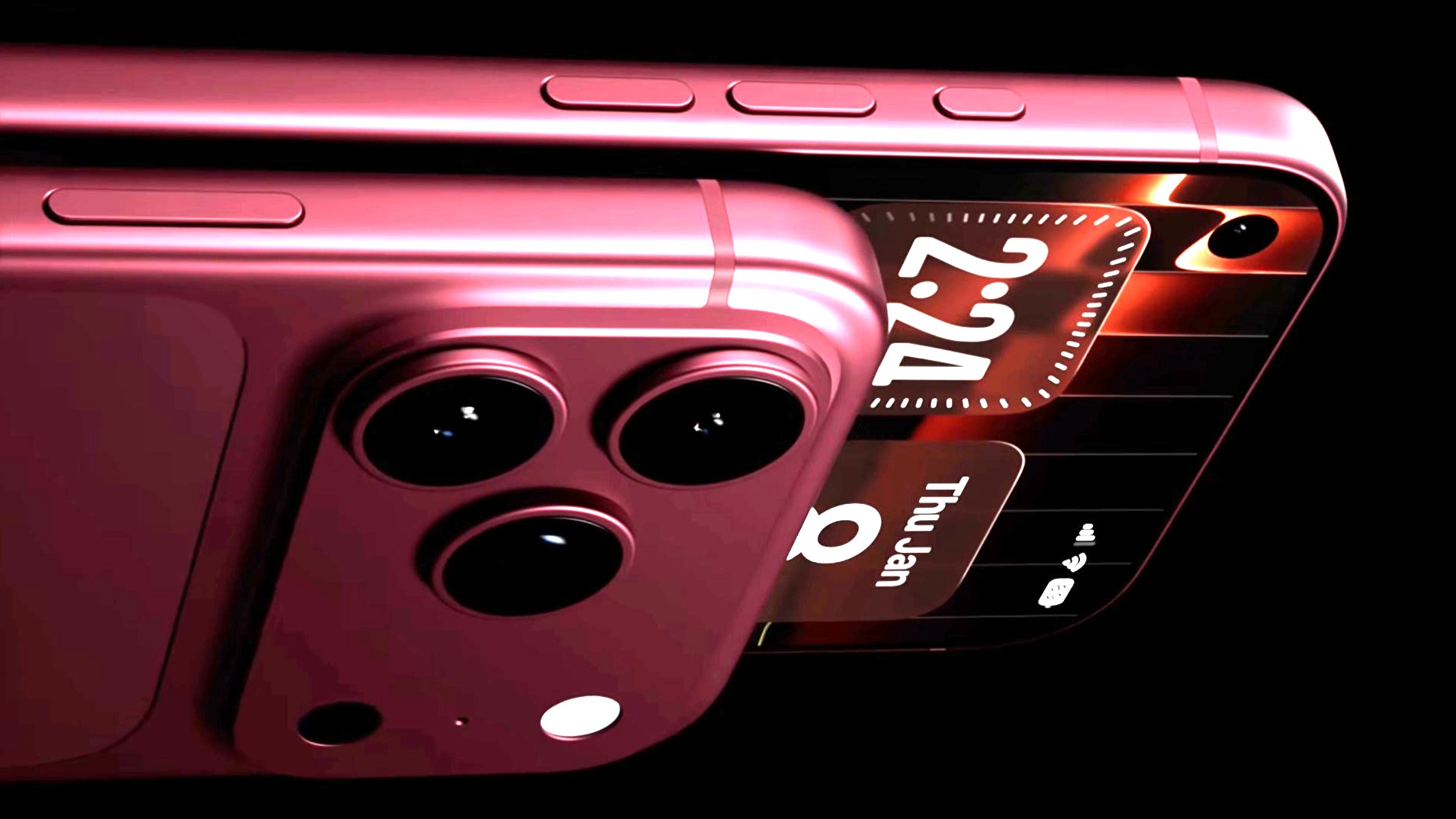
Additionally, providing this performance headroom will help improve the overall user experience, as the photographer will not feel any mechanical lag while switching between different shooting modes. It is an attempt by Apple to make the iPhone 18 Pro as close as possible to professional DSLR cameras, but in your pocket.
The Integrated System and the Future
We cannot talk about the iPhone 18 Pro without looking at the bigger picture of Apple’s ecosystem. The compatibility between software and hardware is what always distinguishes the company, and with systems like macOS Sequoia and the upcoming iOS, the ability to transfer and process these high-quality images across Mac and iPad devices will be even easier and more professional.

In conclusion, we are facing a radical change in Apple’s photography philosophy. Moving from fixed to moving lenses is not just a technical feature; it is an acknowledgment that software, no matter how intelligent, still needs a solid mechanical foundation to accurately simulate reality. It seems 2026 will be an exciting year for everyone interested in smartphone photography.
Source:

Leave a Reply