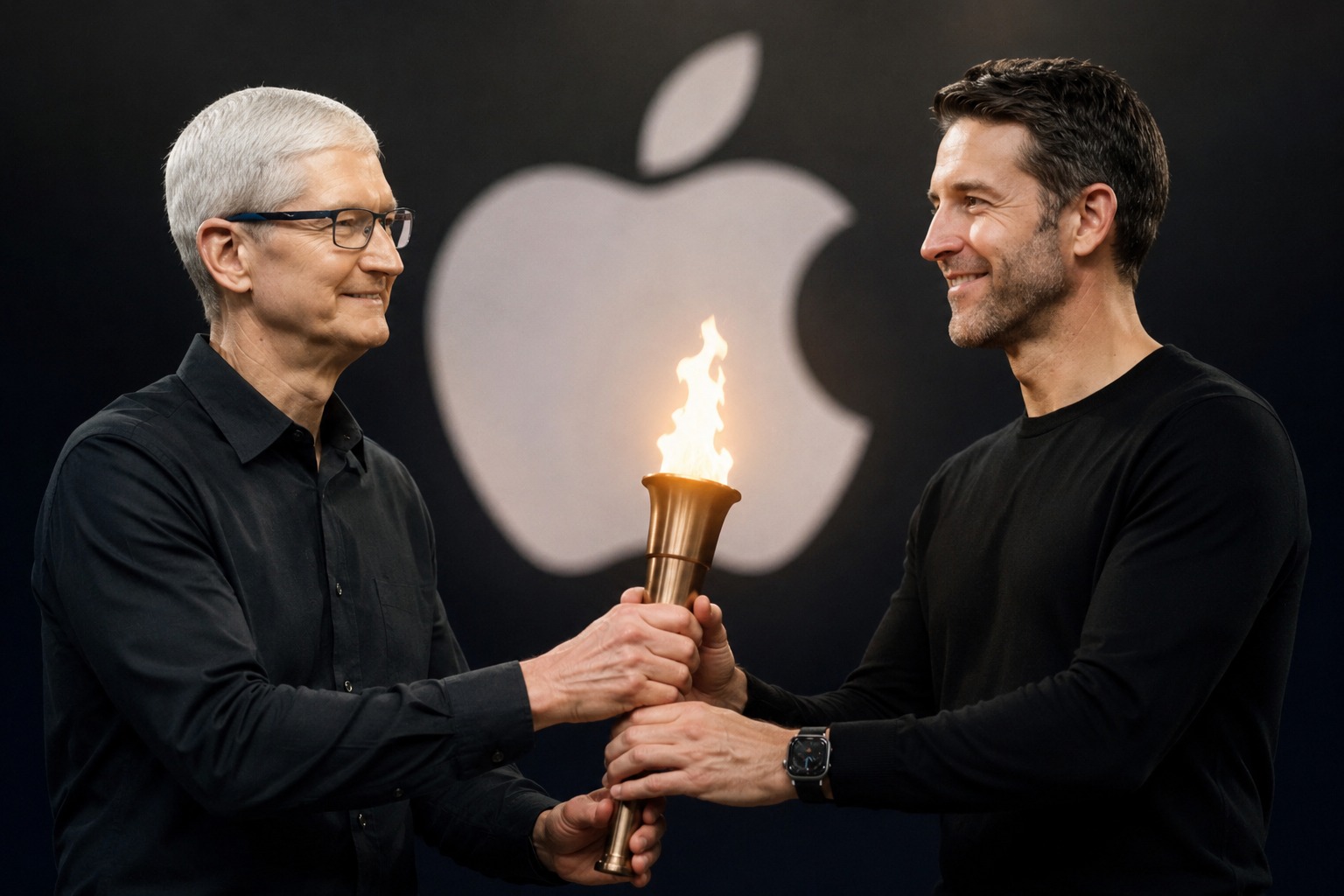
In a new and intriguing interview with Tom’s Guide, two of Apple’s giants, John Ternus (SVP of Hardware Engineering) and Greg Joswiak (SVP of Worldwide Marketing), stepped out to clarify where the compass is pointing in Cupertino. It wasn’t just a casual chat; it was an opportunity to hear Apple’s philosophy regarding the new MacBook Neo and their candid take on the AI race, in which everyone else seems to be running breathlessly while Apple walks with confident, measured steps. The interview revealed much about how Apple thinks about spatial computing and why it still insists on keeping the iPad and Mac separate.

MacBook Neo: Reinventing the Bicycle
John Ternus explained that the MacBook Neo is not just a cheap laptop, but a complete reimagining of what an entry-level computer should be. Ternus borrowed Steve Jobs’ famous analogy of the Mac as a “bicycle for the mind,” emphasizing that the mission from the beginning was to make personal computing accessible to as many people as possible, and that is the essence of the MacBook Neo.
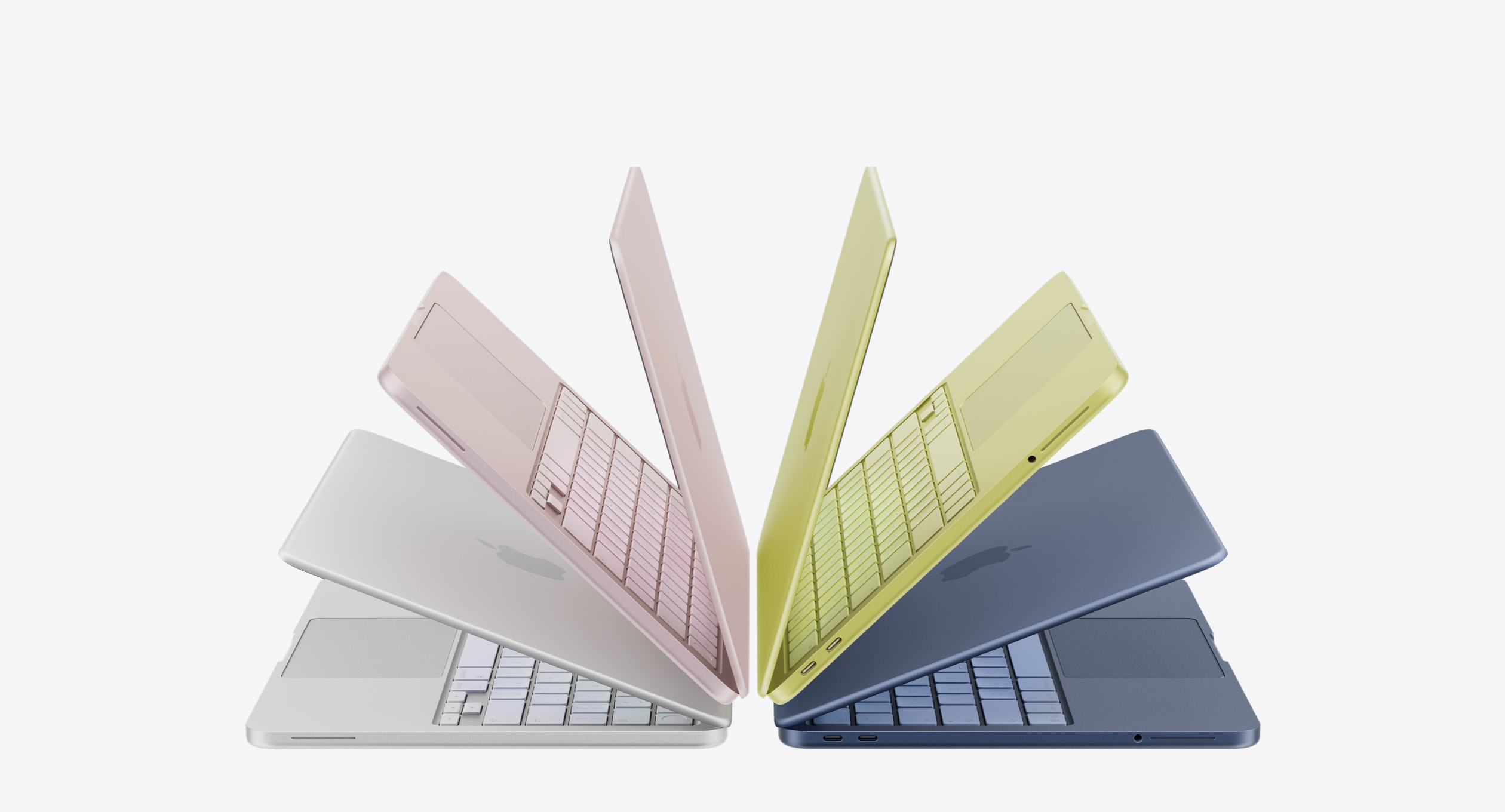
Because Apple has an extreme sensitivity to the word “cheap,” Ternus emphasized that the company had to build the device from scratch to provide high quality at a low price, stating clearly: “We never want to ship junk.” He added that they always strive to deliver products that carry that magical experience Apple users expect, even in lower price categories.
For his part, Joswiak didn’t miss the chance to take a jab at competitors, noting that products in this category are often made of plastic that bends as soon as you touch it. He said that competitors try to save every penny and nickel to make the device cheaper, and the result is a device that is truly “cheap,” while Apple’s approach is to provide “high value” at a lower price—a fundamental difference that only those who hold a device with the Apple logo truly understand.
AI… A Marathon, Not a Sprint
When the conversation turned to artificial intelligence, an area where some believe Apple is struggling slightly, Joswiak had a different opinion. He emphasized that Apple has been integrating AI technologies into its products for many years, and that generative AI is just a new opportunity to do more. He described it clearly, saying: “This is not a sprint, it’s a marathon. We will be working on AI technologies for decades, not months or years.”
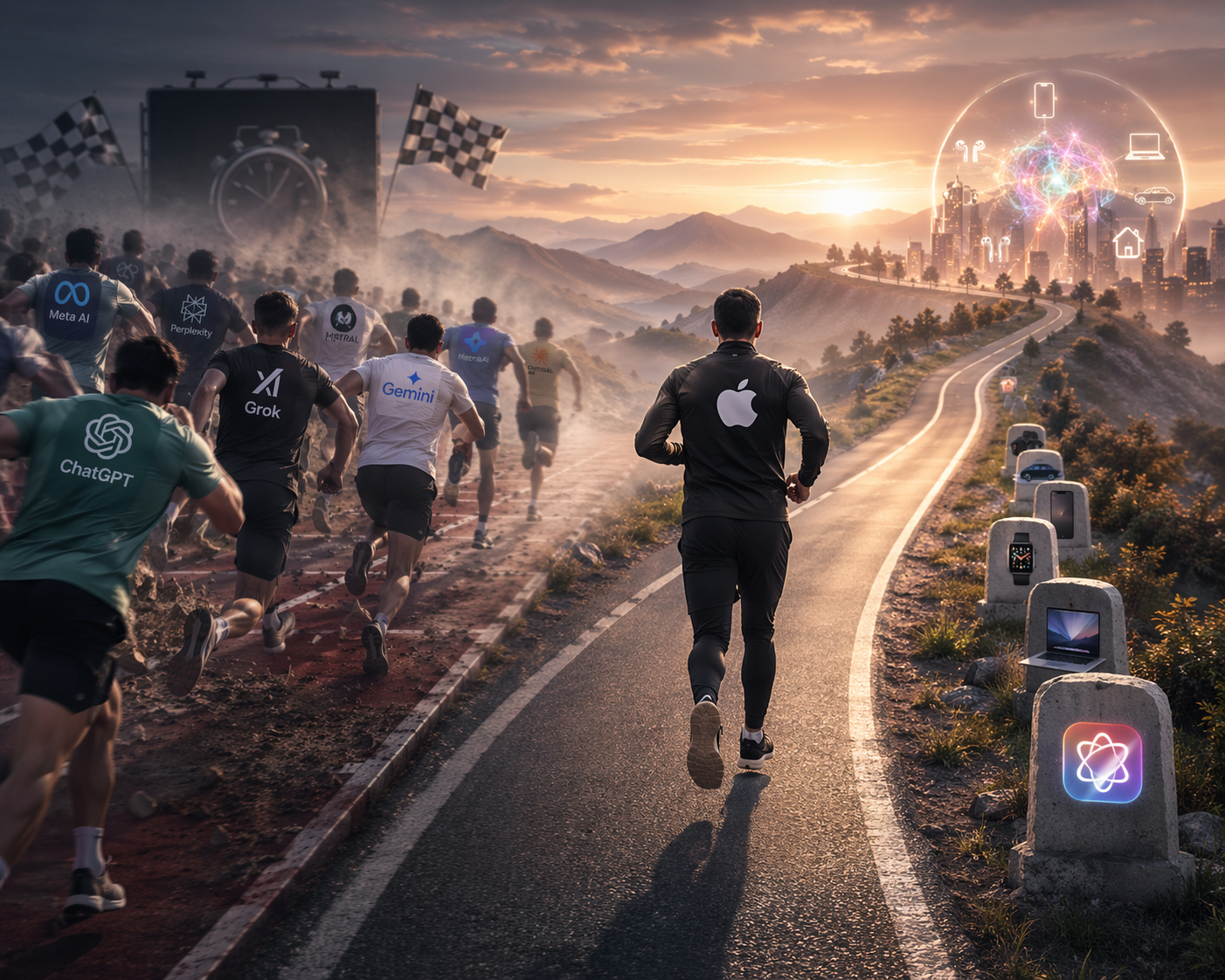
This statement reflects Apple’s usual philosophy: We don’t care about being first; we care about being the best. While everyone else is racing to release AI tools that may be immature, Apple appears relaxed as it plans for the long term, asserting that intelligence will be an integral part of its ecosystem for many years to come.
iPad and Mac… Why Don’t They Merge?
As for spatial computing, Ternus described it as “inevitable,” noting that merging the digital world with the physical is an unavoidable future. Although Joswiak acknowledged that we are still in the “early days” of this technology, the enthusiasm was clear in their conversation. Naturally, they refused to reveal any details about smart glasses or a foldable iPhone, but Joswiak concluded the interview with a classic teaser: “We are working on some really great things.”
Source:
Leave a Reply