If you are planning to buy a new smartphone in the next few years, you might want to pay attention to what is brewing in the corridors of the European Union. Starting in 2027, mobile phones sold across the EU will be subject to strict new rules specifically designed to make them last longer, perform better over time, and become much easier to repair. Perhaps the most notable and intriguing change concerns the battery; in many cases, it will have to be easily replaceable. It is a long-awaited move that could put an end to the frustration of owning an expensive phone that loses its ability to hold a charge, turning into nothing more than an elegant paperweight.

Why does Europe want to change the way our phones are made?
Most of us, as tech enthusiasts and regular users of smart devices, know this sad story all too well. It starts with a lightning-fast phone, boasting unmatched reliability and a battery that lasts all day. However, after two or three years, the battery starts draining at lightning speed, charging becomes a constant ritual, and general performance may even begin to decline. Eventually, many give up and buy a new device, even if the rest of the old phone’s components are working perfectly and could last for years to come.
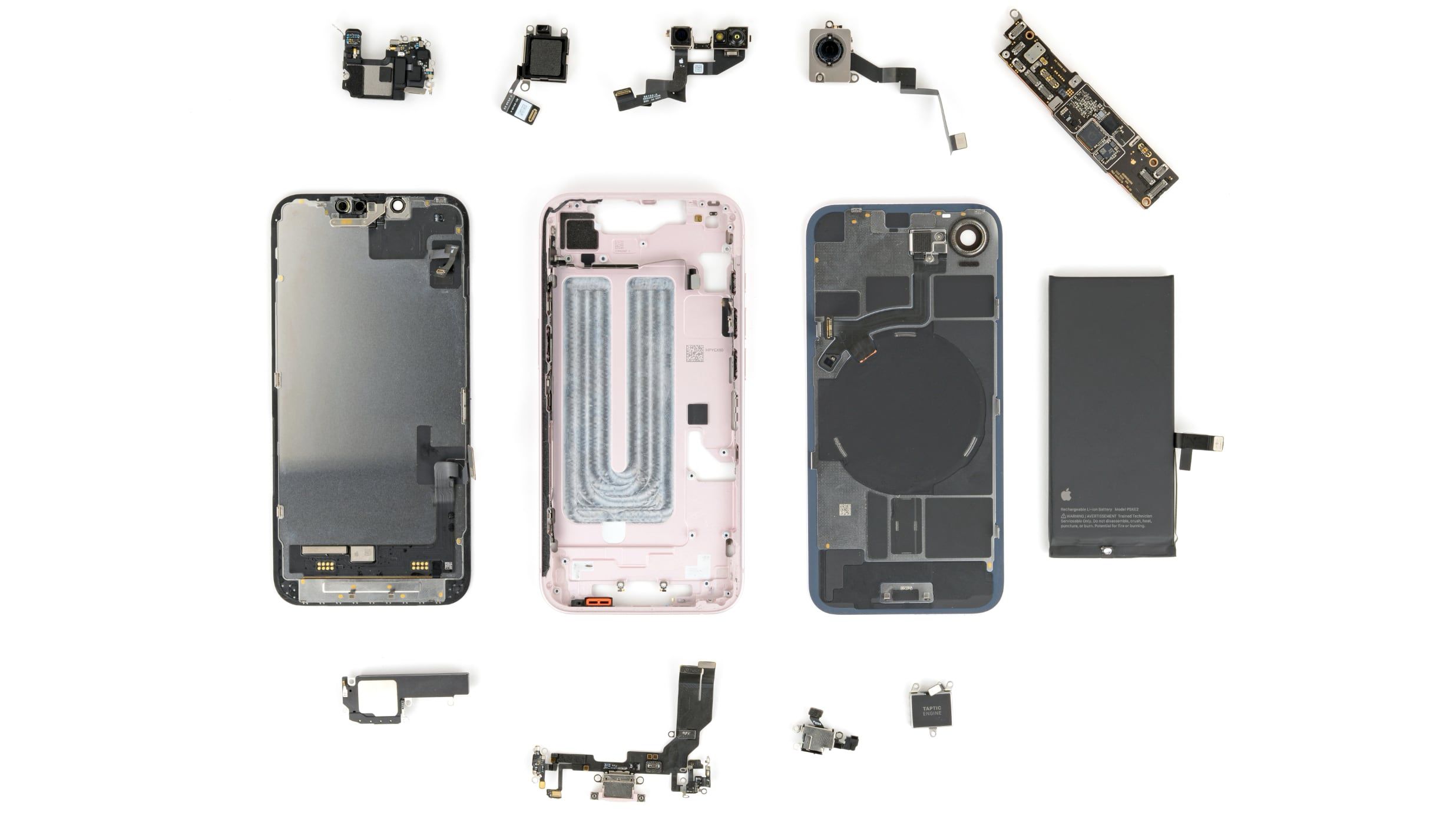
This is where European legislators come in, having decided to break this vicious cycle. The broader goal of these laws is to reduce accumulated electronic waste, help consumers save money wasted on unnecessary upgrades, and make technical devices easily repairable instead of tossing them in the trash as soon as a single component like the battery fails—which is the number one reason users consider upgrading.
What will actually change by 2027?
Starting in 2027, smartphone manufacturers wishing to sell their products in EU markets will be forced to adhere to stricter standards regarding battery durability and repairability. In other words, batteries must maintain high performance for longer even after repeated charging cycles, and replacing a faulty battery must become a simple and straightforward process compared to what we endure today with current models.
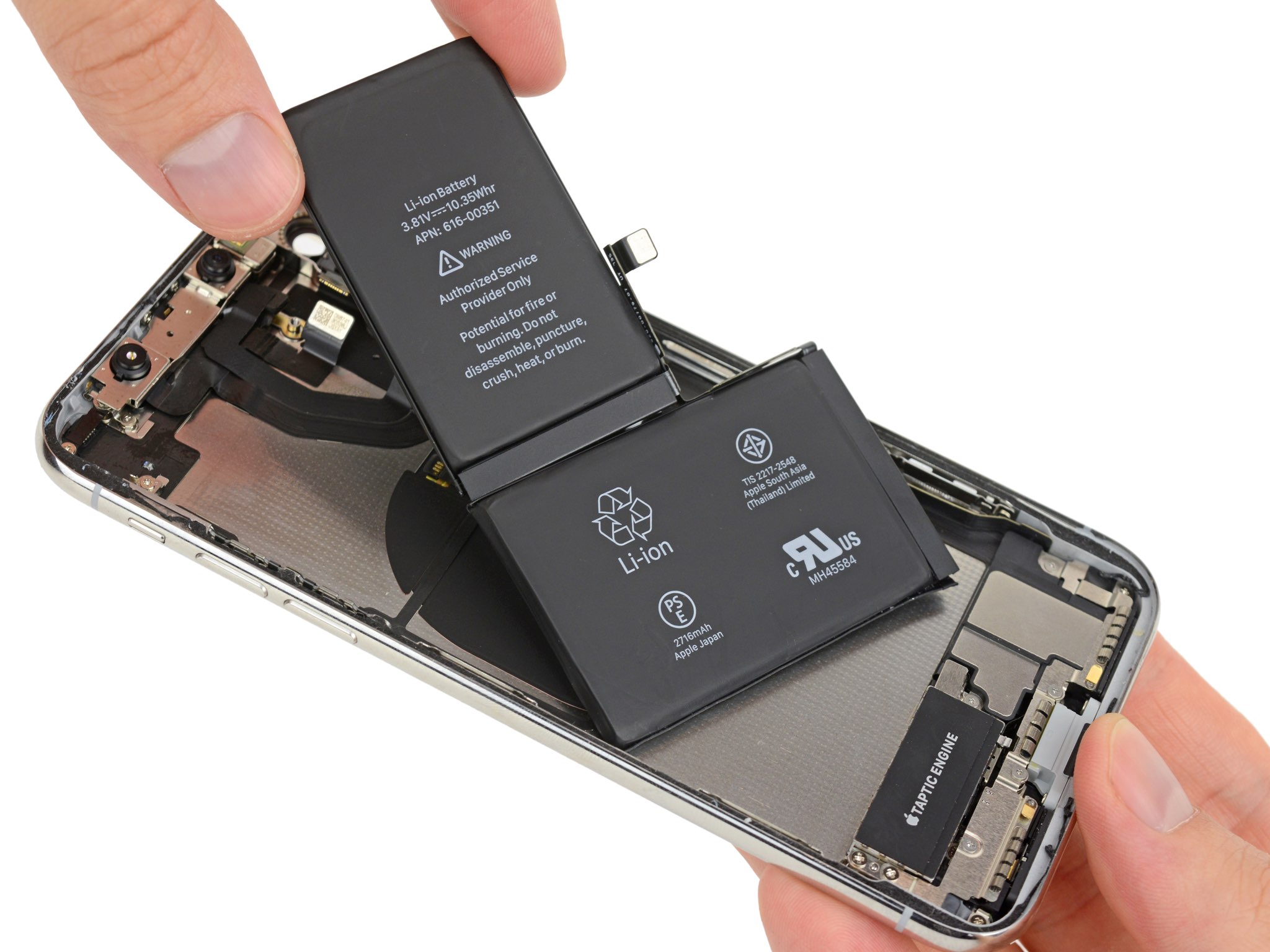
Modern phones, including the iPhones whose precise design we love, are currently manufactured as tightly sealed units. Opening them requires special tools, precise heating, and the removal of complex adhesives, which often means resorting to professional repair services and paying additional costs. The new rules are expected to push companies toward designs that allow for simpler battery replacement and maintenance. This may not necessarily mean a return to the removable plastic back cover we remember from devices of the past, but it certainly means that batteries will no longer be treated as a top-secret, inaccessible component.
What does this mean for iPhone users?
You might ask: “The laws are in Europe, so what does that have to do with us?” Well, the European market is one of the largest consumer markets in the world. Tech giants, led by Apple, hate the idea of producing completely different versions of the same phone for multiple regions unless they absolutely have to. Just as happened with the iPhone’s transition to the USB-C port, changes mandated in Europe often become a global standard.

For us as buyers, this means future iPhones could become more practical, with a longer lifespan and easier, less expensive repairs. Whether Apple redesigns the internal components or invents new, smart battery systems that can be replaced quickly without compromising the elegance of the design, the consumer is the ultimate winner. There is no doubt that keeping a device for longer will make a real difference to our budgets, especially with flagship phone prices reaching exorbitant amounts, and it will indirectly support environmental conservation by reducing waste.
Source:



Leave a Reply