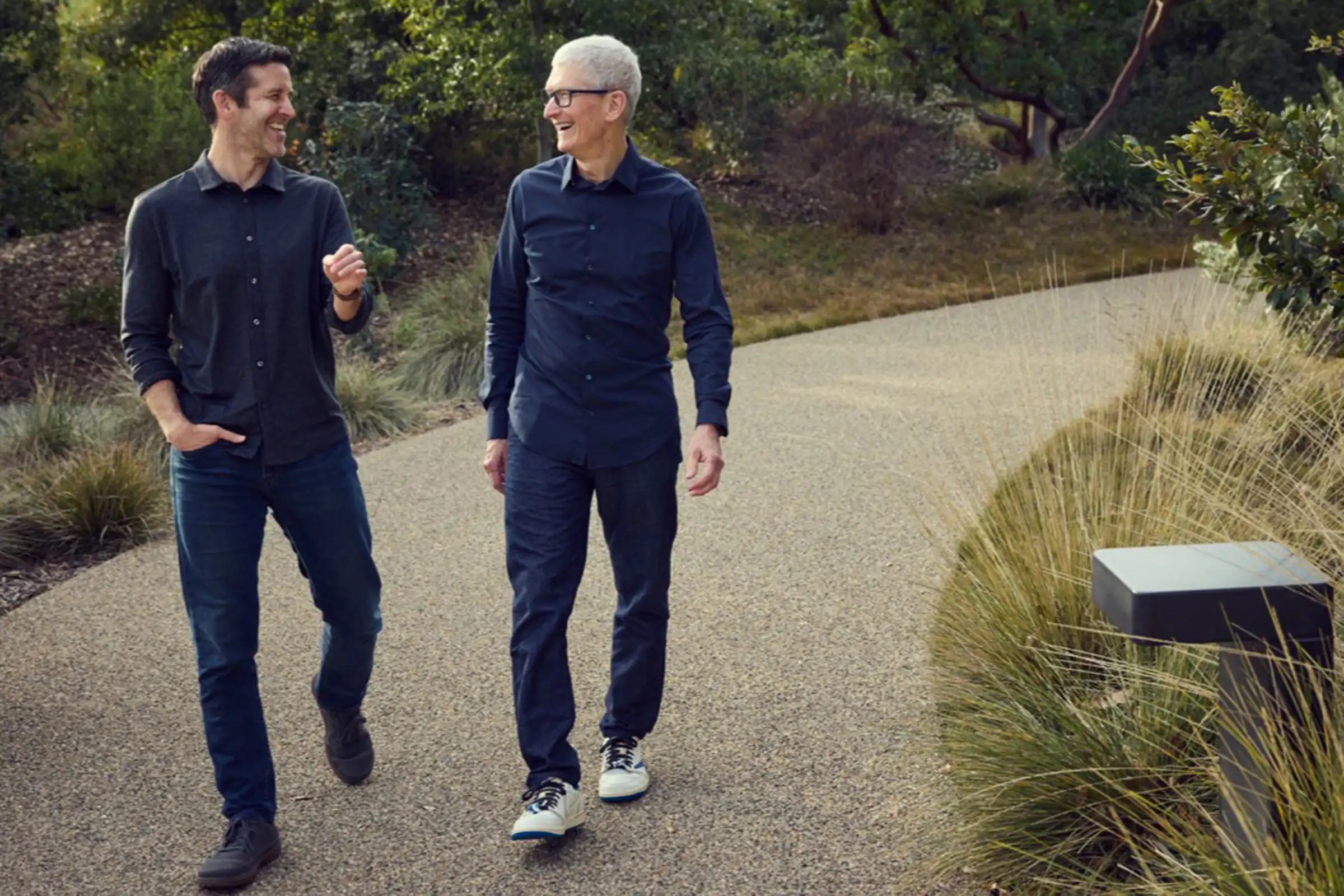
“If you are running away from a raging bear with your friend, you don’t need to be the fastest ever; it is enough to be faster than your friend.” This concept was proposed by Avie Tevanian, the former head of software at Apple, to explain the slowing pace of innovation under Tim Cook compared to the Steve Jobs era, suggesting that relative superiority over competitors remains enough to keep Apple in the lead, even if the company is no longer leading major leaps as it once did. However, after nine years, this analogy no longer defends Cook; it condemns him. The bear now has a name: Artificial Intelligence, which is currently defining the features of the next computing era. In the following lines, we will take a quick look at Tim Cook’s journey: What did he achieve? Where did he stumble? Did he truly succeed in maintaining the company’s status, or did he merely manage it? Then, we move to the most important question: What will John Ternus offer, and does he carry the hallmarks of a different phase for Apple?
A Decade of Growth and Zero Inspiration
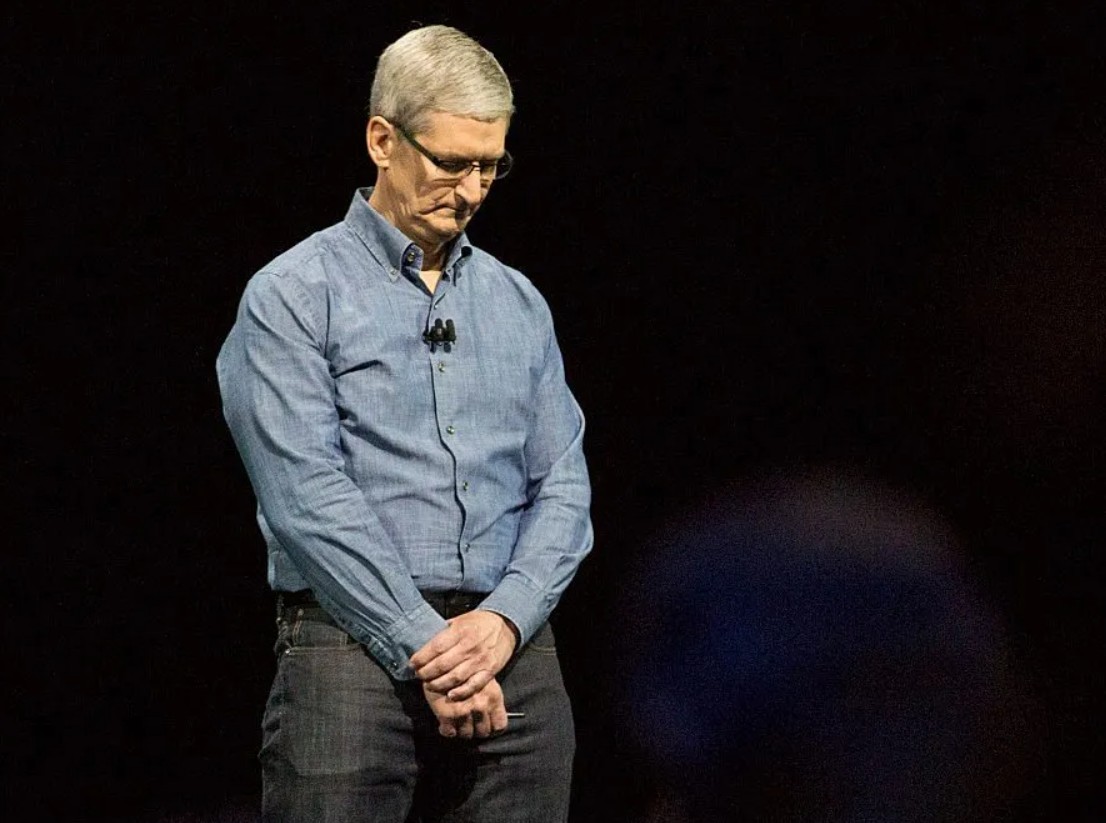
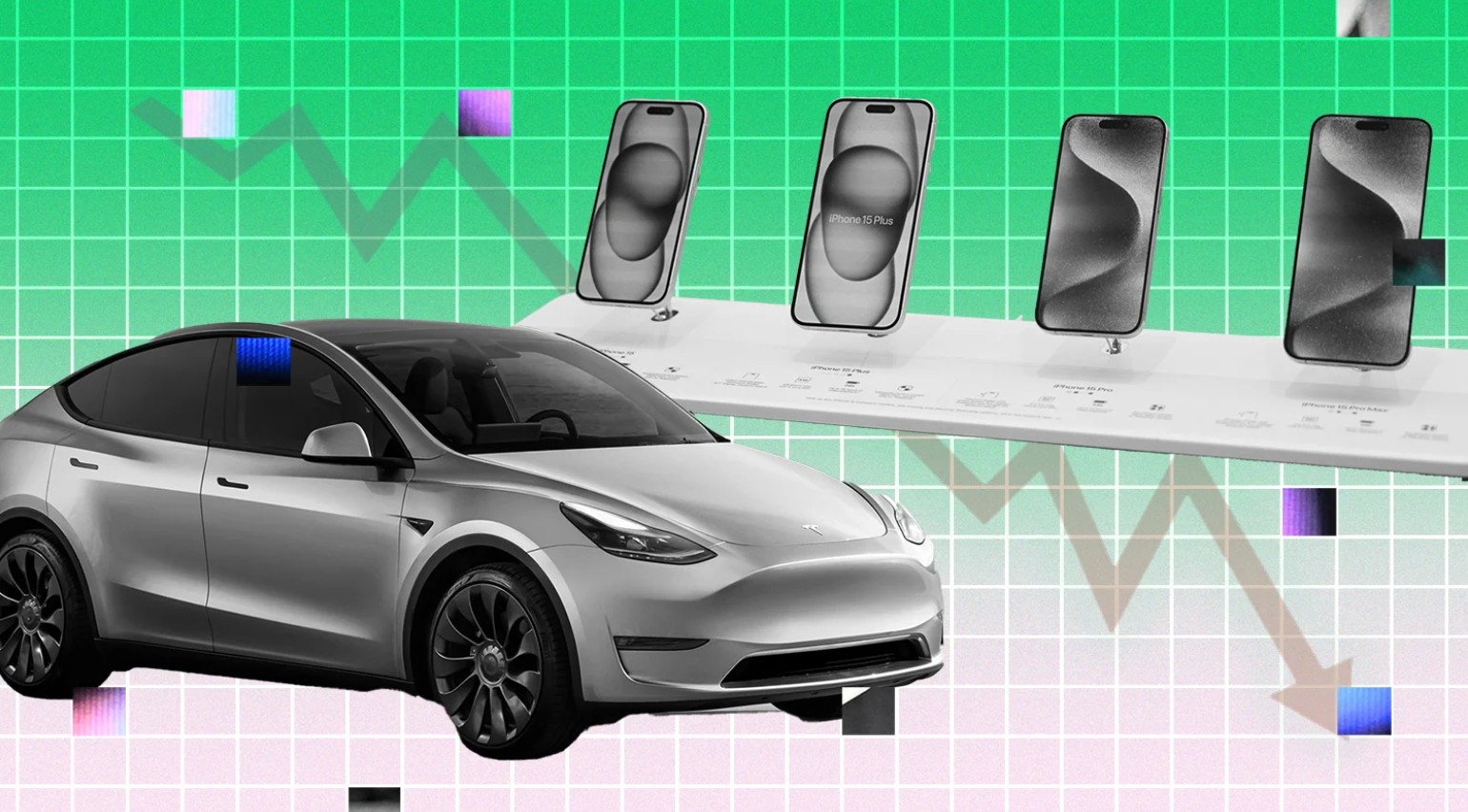
Did you know that Tim Cook has spent 5,090 days as CEO, the same duration as Steve Jobs? Yet, the two scenes are worlds apart. While Apple achieved staggering numbers under Cook’s leadership, it lost the founder’s spirit. The iPhone design has not changed fundamentally since 2019, and the electric car project, which drained a decade of time, was scrapped, while companies like Xiaomi and Huawei succeeded in actually launching their cars. Even the Vision Pro mixed reality headset, that expensive technical masterpiece, still lacks the content that would make it a necessity rather than just a laboratory experiment reserved for the wealthy. Not only that, do you remember Apple’s ads titled “Get a Mac” where they mocked Microsoft and the PC running Windows? Well, Microsoft now tops the list of companies in terms of market value, profitability, and product vision. Alphabet (Google’s parent company) has achieved superior profits. Microsoft shares also hit an all-time high as the company promotes “Super Intelligence.” As for Nvidia, the famous chipmaker powering AI, it is growing at such an accelerated pace that its market value exceeds Apple’s by $1.2 trillion.
The Sin of AI and Old Siri
Perhaps Apple’s biggest failure is its delay in the AI race. While the world talks about advanced AI that is no longer just smart tools or digital assistants, but has become super-intelligence exceeding human capabilities in some aspects, Siri still seems to be living in the Stone Age. Even when the company bet on “Apple Intelligence,” which relies on on-device processing, it faced execution stumbles that forced the company to pull its promotional ads due to its inability to set a release date for the promised features.
The China Trap and Lost Diplomacy
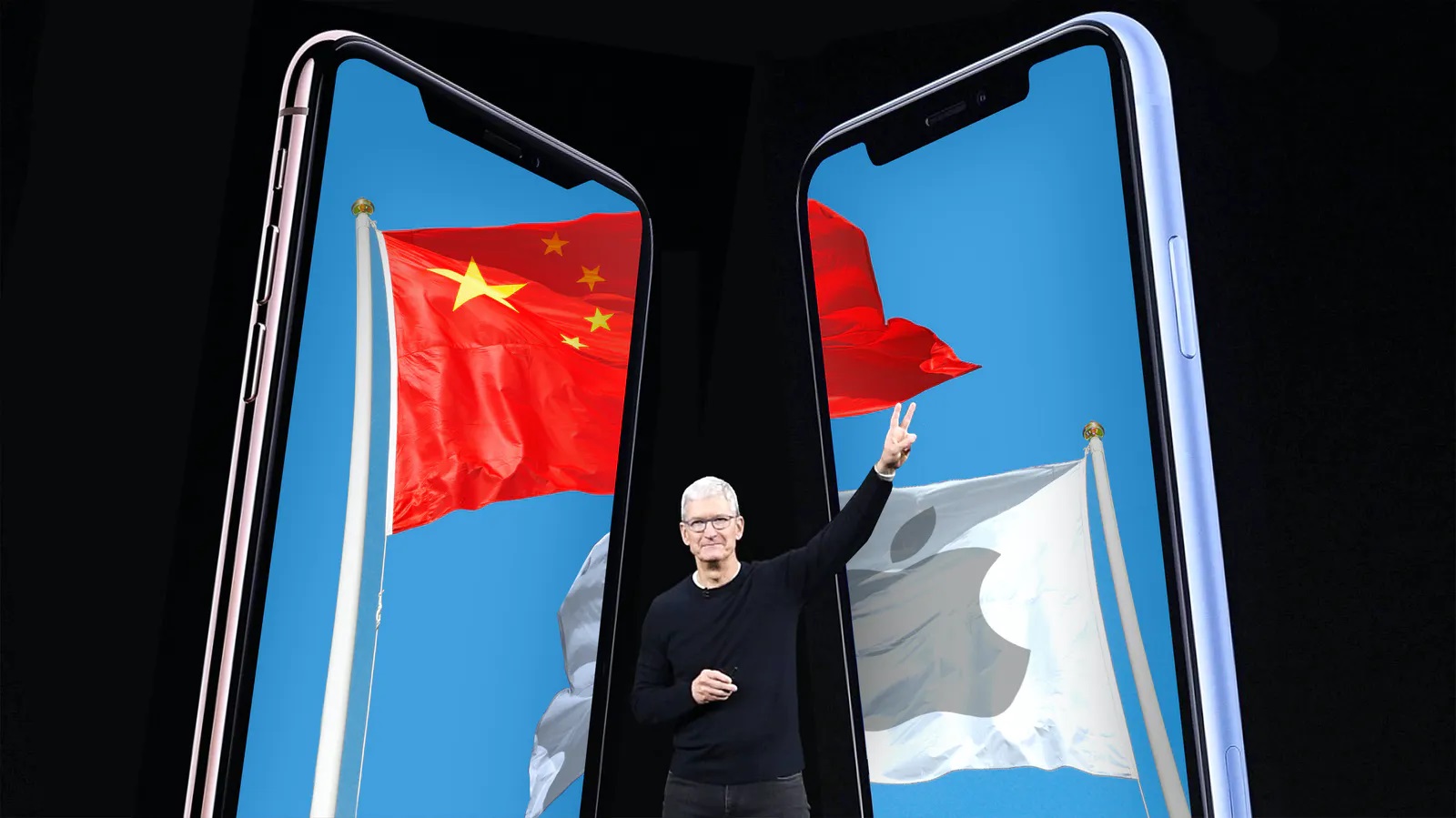
Cook did not just bet on the product; he bet all of Apple’s weight on China. This bet turned into a stifling legal and financial obligation. Today, Apple finds itself in fifth place within the Chinese market, while local companies devour the largest share. Attempts to move manufacturing to India remain superficial and lack the industrial depth that Apple built in China over decades.
Even on the political level, Cook seems to have lost his luster. While he was once seen as an ally to Trump in his first term, today we see Jensen Huang, the CEO of Nvidia, leading the diplomatic and commercial scene, leaving the iPhone maker in the spectator seats.
Does John Ternus Hold the Key to Change?
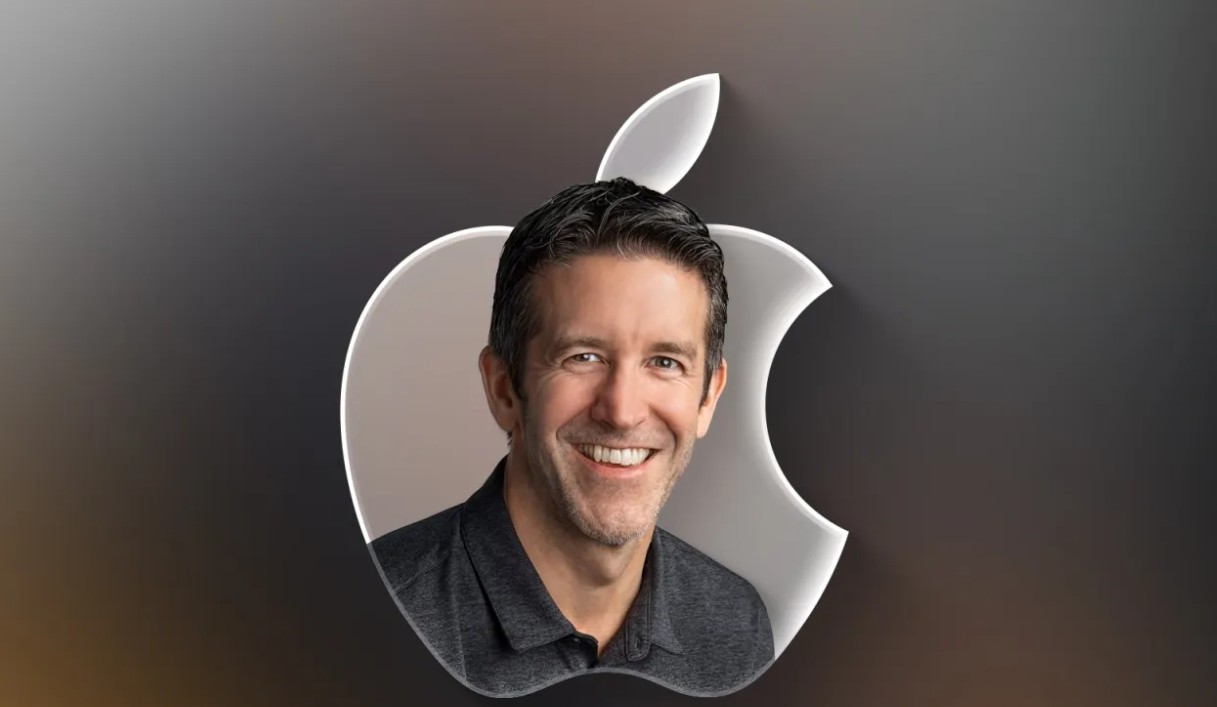
John Ternus belongs to the engineering school within Apple, as he is a product man before being a numbers man. This background could mean a return to the focus that made Apple different in the first place: the boldness to design devices that do not just settle for improvement, but attempt to impose an entirely new experience. If he gets decision-making space, we are likely to see deeper shifts in hardware lines, both in the way the iPhone is developed and in new categories that attempt to break the state of repetition dominating the market.
But the most important thing is not just what he will offer, but how he will think. Ternus might push Apple to reduce the excessive caution that has characterized its decisions in recent years, especially in areas like AI, where being late is no longer acceptable. Having leadership closer to engineering could mean accelerating the pace of experimentation, even if it comes at the expense of some of the perfection Apple is accustomed to. However, one should not over-bet on change just for the sake of changing people. Apple today is not a small company that can be turned around with a single decision, but a huge and complex ecosystem. Any real transformation will require more than a new leader; it will need a reset in internal culture, decision-making methods, and risk appetite.
In short, Ternus does indeed carry the hallmarks of a different phase, but it is not guaranteed. He represents an opportunity for the product spirit to return to the forefront, but the success of this phase will depend on Apple’s own willingness to abandon the comfort zone that created its success and, at the same time, became its greatest constraint.
Ultimately, it can be said that Apple does not suffer from a lack of capabilities as much as it faces a timing challenge. The company still possesses massive financial power, a vast user base, and an interconnected ecosystem that is hard to break. But in an era shaped by the speed of AI, these advantages alone are not enough to ensure staying in the lead. The problem is that the market does not wait for the latecomers, and even the best products lose their impact if they arrive after the rules of the game have been decided. That is why time is the decisive factor, and here comes the role of Ternus, who is expected to bring about a massive revolution within the iPhone maker in the coming period.
Do you think John Ternus is truly capable of leading Apple toward a new phase? Tell us in the comments!
Source:
Leave a Reply