It seems that Apple’s grand ambitions in the world of “spatial computing” have hit a hard wall of reality. After the initial hype and promises to change how we interact with technology, shocking reports indicate that Apple has effectively raised the white flag regarding the Vision Pro headset project. After launching an updated version with the M5 processor in 2025, the company failed to find the required response from an audience that was never ready to pay exorbitant sums for a device that weighs too much on the head.
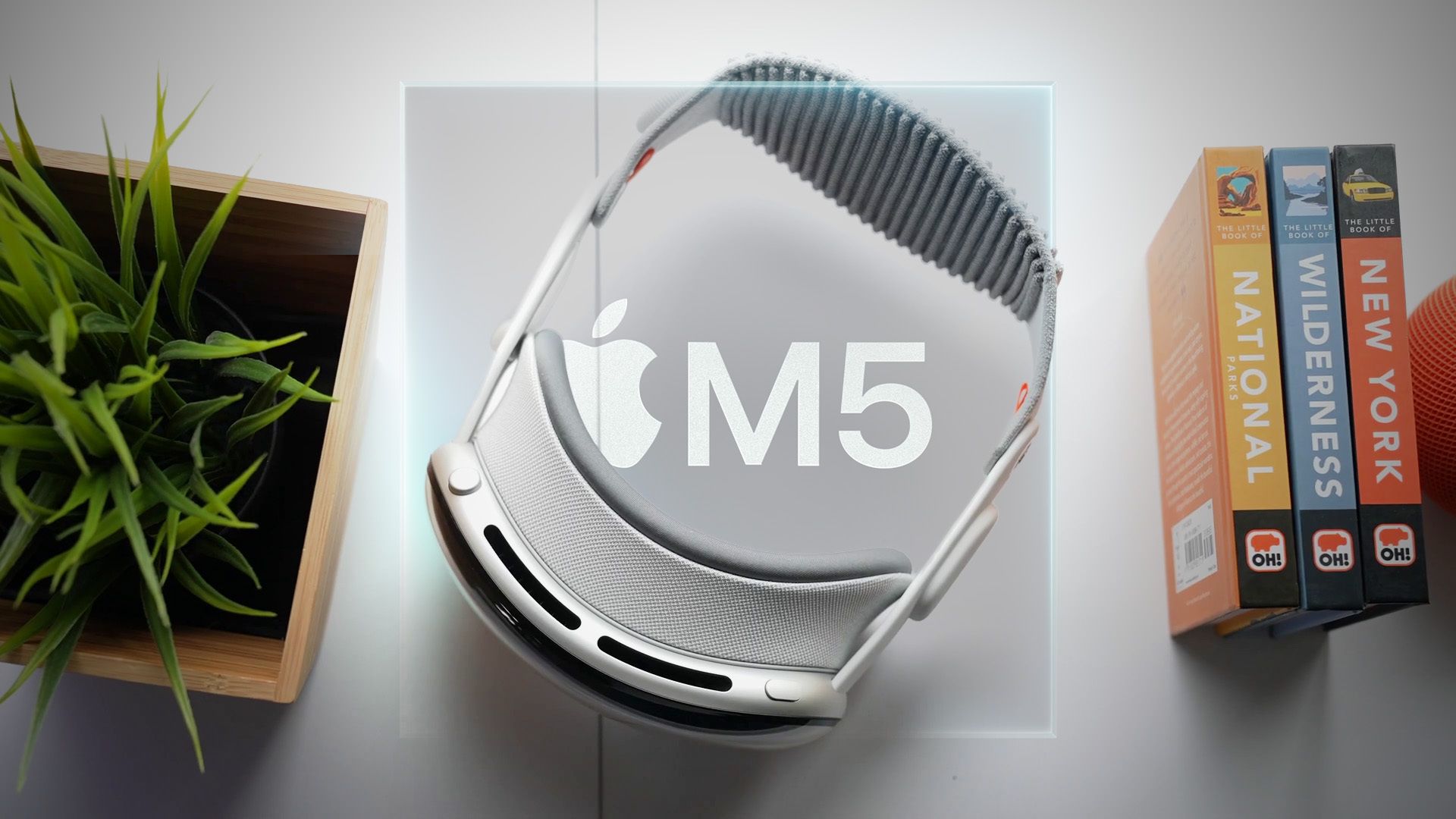
The M5 Update: A Mercy Kill Rather Than a Lifeline
In October 2025, Apple attempted to revive the headset by equipping it with the powerful M5 processor and adding a more comfortable head strap to distribute weight, but this attempt was a resounding failure. Although the new processor brought a refresh rate of up to 120Hz, a 10% increase in rendered pixels, and a slight improvement in battery life of 30 minutes, the public remained indifferent.
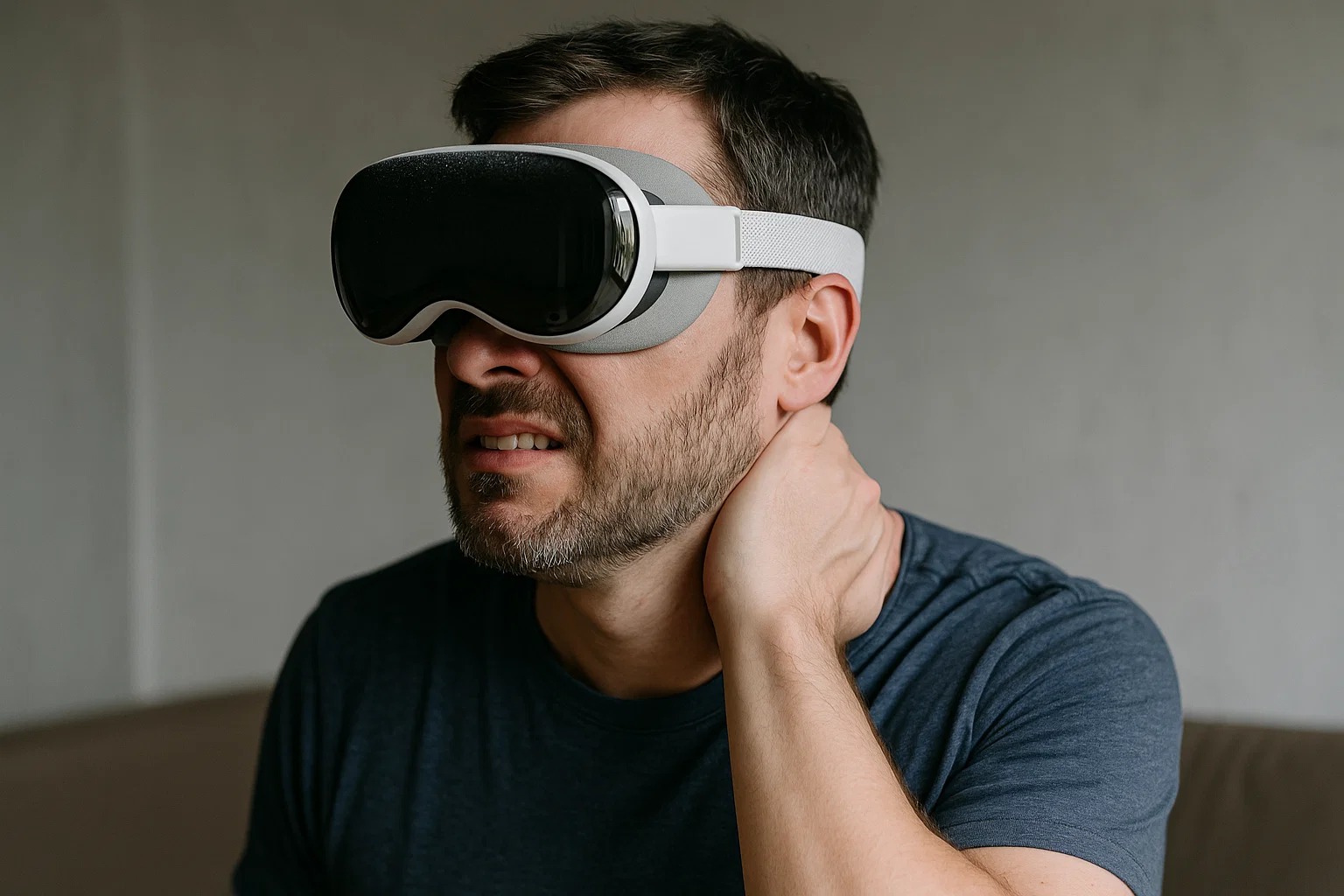
The problem was never the processing power, but the lethal combination of a high price starting at $3,499 and an annoying weight exceeding 1.3 pounds (about 600 grams). Even with the new dual strap, wearing the headset for long periods remained a physical challenge for users, making it a stunning piece of technology for display but difficult to use in daily life.
Numbers Don’t Lie: Disappointing Sales and Record Return Rates
Informed sources confirm that Apple has not managed to sell more than 600,000 units of the headset since its launch, a meager figure compared to the ambitions of a company the size of Apple. Even worse is what leaks revealed about the return rate, as the Vision Pro recorded the highest refund rate compared to any recent product launched by Apple, reflecting a large gap between user expectations and the reality the headset provided.
As a result of these disastrous results, Apple made a strategic decision to freeze development on new generations of the “Pro” line. Instead, the company redistributed team members to other more vital projects. Interestingly, a large portion of these engineers moved to work on developing “Siri,” which explains why Mike Rockwell, the former leader of the Vision Pro project, has headed the Siri team since early 2025.
The Future: Goodbye to Heavy Helmets, Hello to Smart Glasses
There were hopes for launching a “Vision Air” version with a lighter weight and cheaper price, but it seems this project was also halted last year. Apple realized that the current technology that makes the Vision Pro impressive consumes massive power and requires a size that cannot fit into a thin and light glasses frame. Currently, the company does not plan to launch any new model and has settled for continuing to sell the current model with the M5 processor for those who want it.

Instead of continuing with complex virtual reality experiments, Apple’s compass has turned toward “smart glasses” that integrate artificial intelligence capabilities. The idea now is to offer glasses similar to Ray-Ban Meta, focusing on a voice assistant and AI without a built-in screen in the first phase, which solves the weight, battery, and price problems all at once.
Source:
Leave a Reply