New leaks about the foldable iPhone, while iOS 27 promises radical transformations in Siri, voice control, split-screen, and even restaurant bills! On the other hand, Mac sales are led by the MacBook Neo at a shocking price that is redrawing the computer market map, the Apple Watch is heading toward a longer battery life, while Google is expanding communication bridges between Android and iPhone, and launching the strange Dreambeans app. All this, and the upgraded Siri is coming with support from Nvidia processors and Gemini!, and other exciting news on the sidelines…

Leaks reveal battery capacity of iPhone 18 Pro
A well-known leaker revealed the battery capacity of the iPhone 18 Pro, and the numbers indicate a slight increase compared to its predecessor, the iPhone 17 Pro. The battery capacity in the US version is expected to reach about 4,288 mAh, and in the Chinese version about 4,056 mAh. The difference between the two versions is because phones sold in China still contain a SIM card slot that takes up part of the internal space, while the US version relies on eSIM only, allowing more space for the battery. Although the increase seems limited, this does not necessarily mean that battery life will not improve, as the device is expected to rely on the new A20 Pro processor manufactured with a very advanced technology that provides lower power consumption, in addition to a new C2 connectivity chip that may also contribute to extending battery life. As for the iPhone 18 Pro Max, its battery is expected to exceed the 5,000 mAh barrier.
Apple hints at WWDC 2026 with "All Systems Glow" slogan
Apple has launched a new slogan for its annual developer conference, WWDC 2026, titled "All Systems Glow," signaling expected changes in the design of Siri on iOS 27, where the new app and the "Search or Ask" feature will appear in the iPhone interface with a dark design with glowing elements. The conference begins on Monday, June 8, with a keynote address in which Apple will unveil iOS 27, iPadOS 27, macOS 27, watchOS 27, tvOS 27, and visionOS 27, and will continue until June 12 with hundreds of online educational sessions.
New Siri will run on Nvidia Blackwell processors via a partnership with Google
The latest reports reveal that Apple will rely on the new Nvidia Blackwell processors, which are specialized for running large artificial intelligence models, for the launch of its upgraded version of Siri, through a partnership with Google, which possesses a massive infrastructure of these processors. Under the agreement between the two companies, Gemini will handle complex queries that require high cloud capabilities, while encrypting user data to maintain their privacy.
It is worth noting that this approach differs from Apple’s usual method based on complete control over its product components, especially since Apple had developed its own cloud system known as Private Cloud Compute, but it encountered a performance slowness problem when trying to run Gemini models on it. Through this development, Apple seeks to provide a smarter and more effective version of Siri at the upcoming WWDC 2026 developer conference on June 8.
Apple Smart Glasses: Launch in late 2027

Apple plans to launch its first smart glasses in late 2027, after its release date, which was scheduled for the beginning of the same year, was delayed. These glasses will be available in multiple designs and colors, including black, dark blue, and light brown, and will include oval-shaped cameras that enable users to take photos and videos, as well as speakers and microphones that allow for making calls, listening to music, and receiving notifications via the Siri voice assistant. They will also support navigation and direction-finding while walking. Their price is expected to range between $200 and $500, to compete with similar products like Meta Ray-Ban glasses. It is worth noting that the first version will not include augmented reality technology, which may be added in the future after years, and Apple hopes that its glasses will one day evolve into a tool for tracking health. CEO Tim Cook sees this project as his top priority before handing over the company’s leadership to John Ternus on September 1st.
iOS 27 will allow iPhone users to split bills with a receipt photo
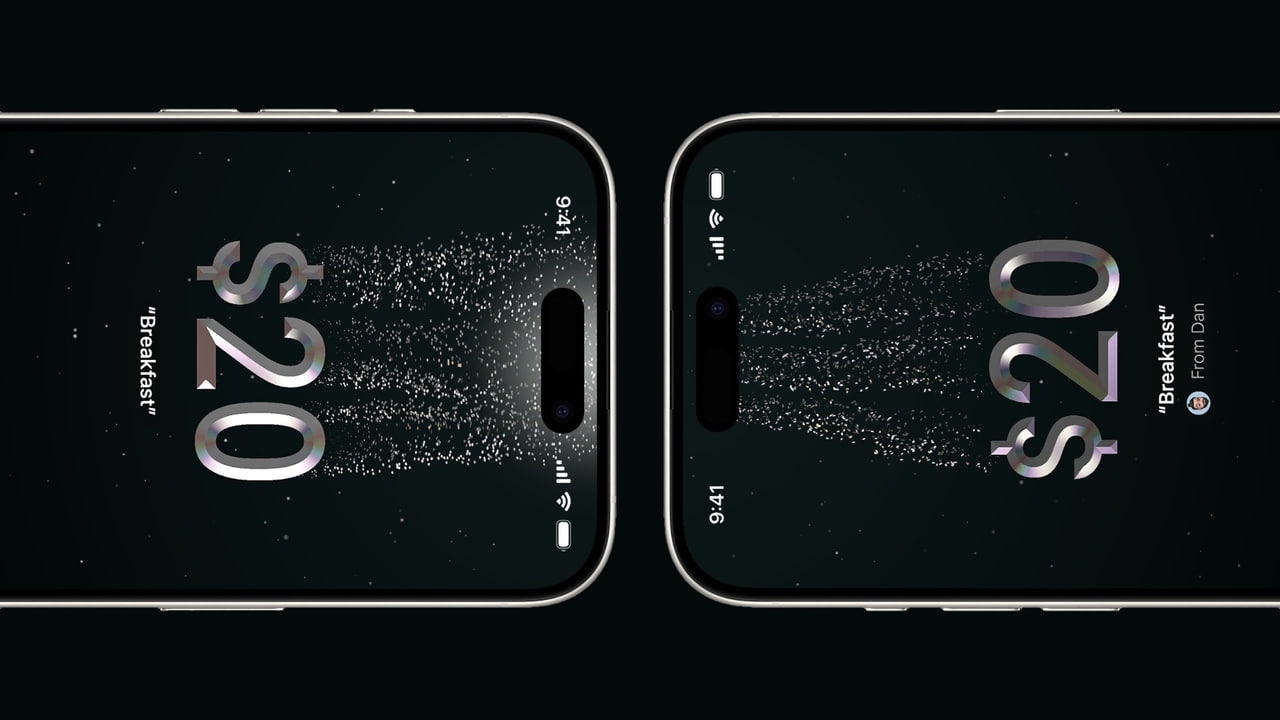
Apple is preparing to unveil a new and useful feature in iOS 27, which will enable iPhone users to split a restaurant bill or any group bill with ease, just by taking a photo of the paper receipt. The feature automatically identifies what each person ordered and calculates their share of the total, including taxes and tips, then sends payment requests directly via the Wallet app or the Messages app, all linked to the Apple Cash service for transferring money between users. The person receiving the payment request can also approve it directly from their Apple Watch. This feature and other updates are expected to be announced during Apple’s annual developer conference next week, competing with well-known bill-splitting apps like Splitwise and Venmo. In addition, Apple intends to add the ability to create custom digital cards within the Wallet app, such as sports club cards and local event tickets, in a move aimed at turning the app into a comprehensive hub for managing daily payments and financial services.
iOS 27 may change the way you use your iPhone entirely
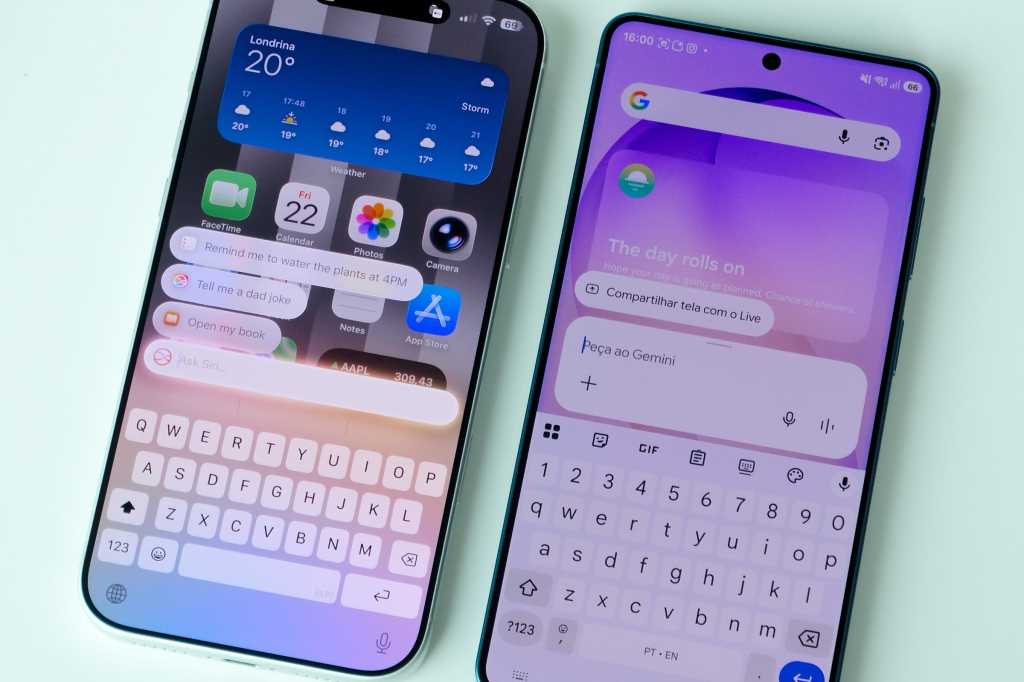
Apple recently revealed an exciting new feature within its annual accessibility updates ahead of its developer conference, which is an improved version of the voice control feature based on artificial intelligence. It will allow iPhone users to talk to their devices completely naturally, just as they talk to another person. Instead of memorizing specific and precise voice commands, it is enough to say, for example, "Open the orange folder" or "Zoom in on this part of the file," and the phone will understand what you want immediately.
Many specialists believe that this announcement is not just an improvement to accessibility tools, but a clear hint of what Apple is planning for iOS 27, specifically a new and smarter version of the Siri voice assistant, capable of understanding what is on the screen, controlling apps, and executing complex tasks with your voice only. This is not entirely new for Apple, as many of its famous features today started as assistive tools for people with disabilities before becoming an essential part used by everyone, making this development an important step toward a future where artificial intelligence on the iPhone becomes truly useful in our daily lives.
Google launches new Dreambeans app

Google has launched a new and innovative app with the strange name "Dreambeans," available for iPhone and Android. Its core idea is that it looks at your data from various Google apps like email, calendar, photos, and search history to provide you every morning with a small collection of AI-generated illustrated stories, including suggestions for places you can visit, topics worth exploring, or new things worth trying. For example, if you are planning to get a dog and recorded that in your calendar, the app might give you tips on living with dogs.
The app is intentionally designed to give you only between 10 and 14 stories per day, with the goal of fighting the habit of endless scrolling and phone addiction. As for the reason for this strange name, "Dream" indicates that the app works at night while you sleep to analyze your data, and "Beans" hints at your morning cup of coffee, as if it is offering you a concentrated dose of inspiration at the start of your day. Regarding privacy, only the user sees their stories, with the ability to delete data at any time. The app is currently available only to Google AI Ultra subscribers in the United States, with a waiting list open for the rest of the users.


iPhone users’ wishes ahead of Apple’s developer conference
Only a few days remain until the start of Apple’s annual developer conference, WWDC 2026, scheduled for Monday, June 8, where iOS 27 is expected to be officially unveiled, which is likely to focus significantly on artificial intelligence and Siri improvements. In anticipation of this, many iPhone users shared their wish lists for this update, and this list was topped by several requests, most notably: support for AI assistants from companies other than Apple, the ability to open two apps at once on the screen, increasing the number of apps in the bottom toolbar from four to more, in addition to live wallpapers and designs inspired by old iOS versions, a copy-paste history saving feature, and support for multiple user accounts on iPads. The wishes were not limited to that, as some users demanded a built-in app for following news via RSS and an easy tool for transferring files from computers, which reflects users’ desire to make the iPhone experience more flexible and diverse.
Apple to close three stores in the United States at the end of this June

Apple announced the permanent closure of three of its US stores on the evening of Saturday, June 20: the Trumbull store in Connecticut, the North County store in California, and the Towson Town Center store in Maryland. The company had previously announced that the reason for the closure was the declining conditions of the shopping centers where these stores are located. However, the matter did not pass quietly, as a wide controversy is taking center stage regarding the Towson store, which is distinguished by being the first Apple store whose employees joined a labor union in the United States in 2022. Apple allowed employees of the other two non-unionized stores to transfer to nearby branches, but it did not grant the unionized employees in Towson the same right, settling for providing them with financial compensation according to the terms of the collective bargaining agreement signed with them. This sparked the anger of the union, which saw this as clear discrimination and punishment for workers for their union affiliation, while a number of Maryland lawmakers supported the employees’ position and demanded that Apple reverse its decision before the June 20 deadline.
MacBook Neo causes a major stir in the computer market
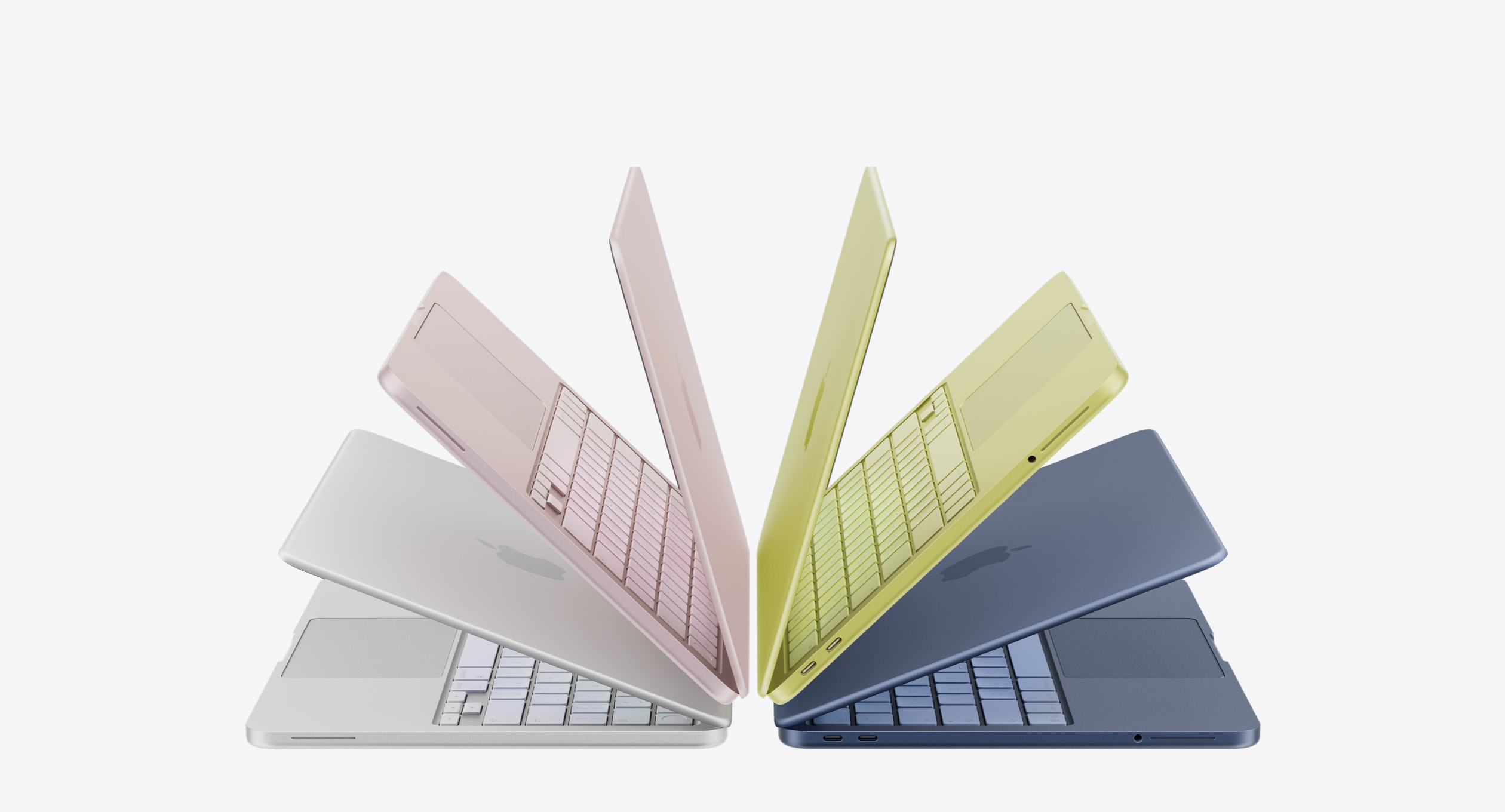
The global personal computer market is going through a difficult phase in 2026, as the research firm IDC expects its sales to decline by up to 11.3% this year. The main reason is a severe shortage of random access memory (RAM) used in making computers, which pushed prices up by as much as 17% or even 40% for some devices, and conditions are not expected to improve before the end of 2027. In the midst of this situation, Apple launched its MacBook Neo at a surprising price of only $599, equipped with the powerful A18 Pro chip, to target the segment of users looking for a high-quality computer at an affordable price, a sector historically dominated by Windows and Chromebook devices. The device succeeded in achieving sales that exceeded everyone’s expectations, forcing competitors to review their strategies. On the other hand, higher-priced Apple devices like the Mac mini and Mac Studio are suffering from supply shortages and delivery delays due to the same crisis.
Google expands AirDrop support to include more Android phones
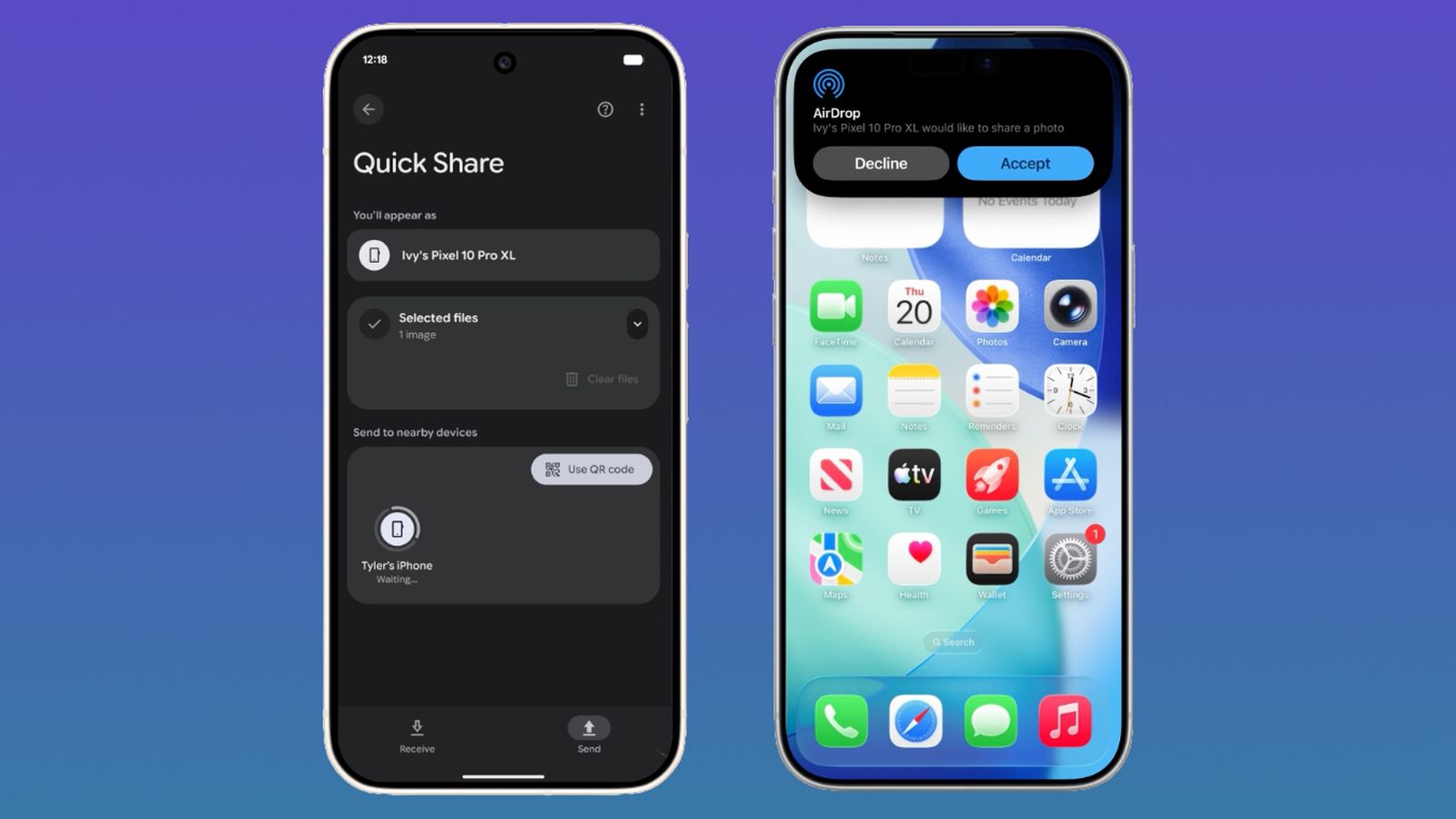
Google announced the expansion of the Quick Share service, which allows for transferring files and photos between Android and iPhone phones with complete ease, similar to the famous AirDrop feature on Apple devices. This service now supports new devices from Samsung such as the Galaxy S24, S25, Z Fold6, and Z Flip6 series and newer versions, in addition to phones from other brands like OnePlus, HONOR, Xiaomi, OPPO, and Vivo. The method of use is very simple: an iPhone user who wants to send a file to an Android phone opens AirDrop as usual and will find the Android phone in the list of available devices, while an Android user only needs to activate the sharing with Apple devices feature to receive or send files. It is worth noting that this feature is not limited to iPhone only, but extends to include iPad and Mac devices as well, and Google plans to add more supported devices in the coming months.
MacBook Neo tops Mac sales in the first quarter of its launch
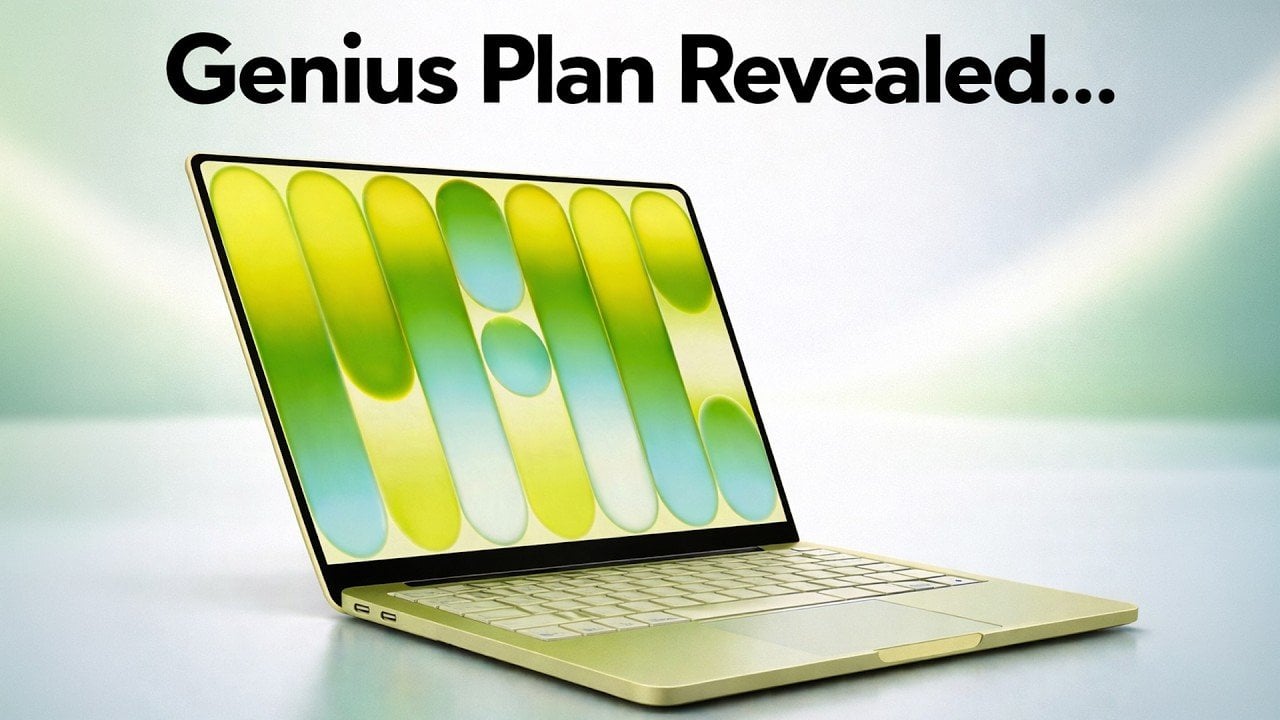
Apple’s MacBook Neo has achieved remarkable success since its launch in mid-March at a price of only $599, with sales reaching 1.1 million devices in the first quarter of the year, outperforming all other Mac devices even though it was only available for three weeks of that period, which makes this figure even more impressive. This device comes at a price 45% lower than the cheapest MacBook Air model, with a high-quality 13-inch screen and an aluminum chassis, to target the segment of users who want a Mac device at an affordable price. Sales were distributed globally, with the United States accounting for 44% of them, while India alone recorded about 18,000 units despite its limited availability there. Analysts believe that the success of this device represents a major strategic opportunity for Apple to increase its share in the mid-range laptop market from 2% to about 15%, which has already prompted competitors like Dell to respond by launching devices at similar prices.
iOS 27 may allow running two apps side-by-side on the iPhone screen
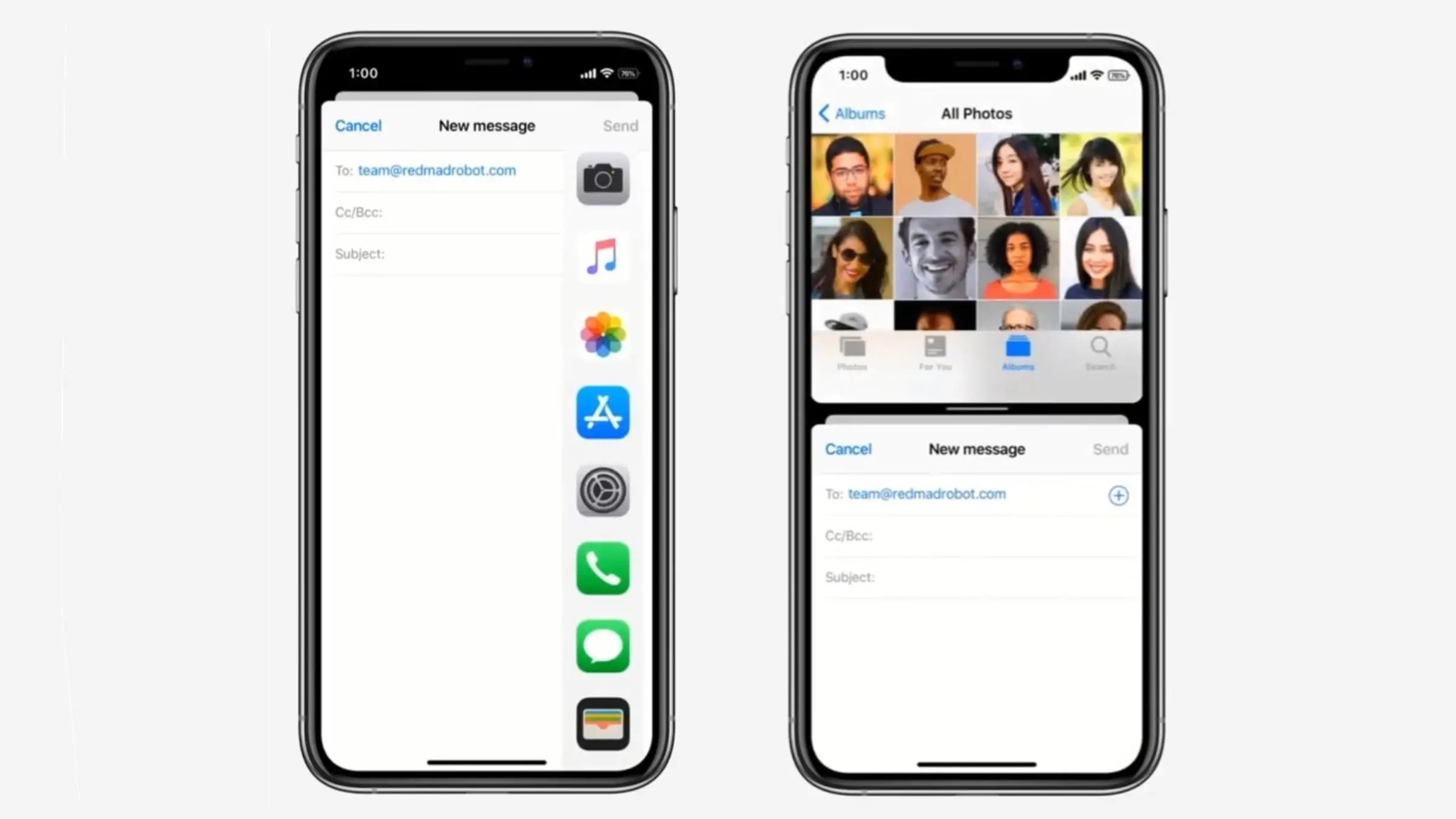
Leaks indicate that Apple is working on a new feature in iOS 27 that allows displaying two apps at once on the screen, automatically without the need for developers to redesign their apps from scratch, which was considered one of the most prominent weaknesses of iOS compared to its competitors. It seems that this feature is primarily designed to accommodate the foldable iPhone that Apple is preparing, which will have a large internal screen of 7.8 inches, as most current iPhone apps are designed for narrow and long screens, and without this solution, they would appear distorted or unsuitable for this larger size. Famous Bloomberg journalist Mark Gurman had previously indicated this trend, confirming that iOS 27 will support displaying two side-by-side apps with an interface similar to that found on iPads. Apple is expected to officially unveil this feature and others during the WWDC 2026 developer conference on June 8.
Foldable iPhone: Liquid metal hinge and expected launch in September
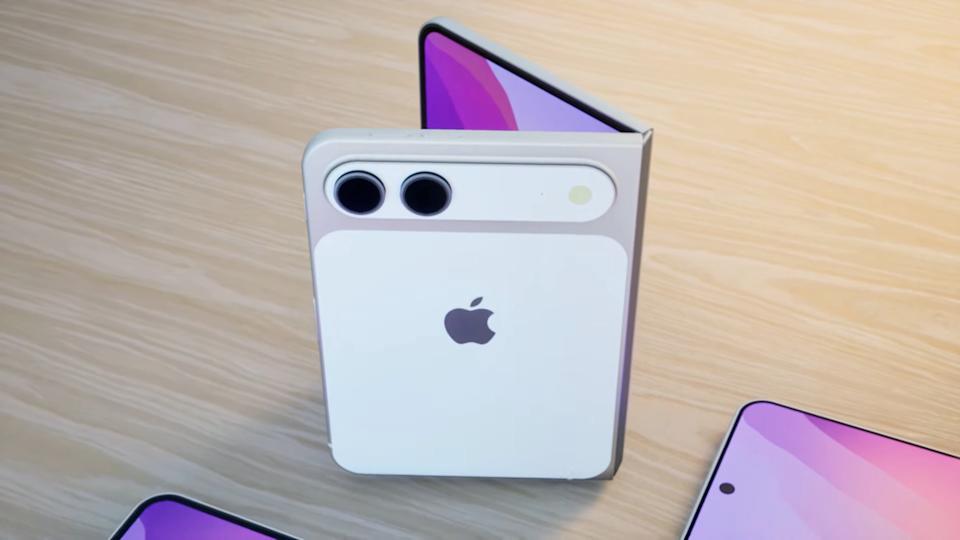
The latest leaks indicate that Apple is using a special type of metal known as "liquid metal" in the new foldable iPhone to manufacture the hinge that connects the two halves of the phone. This metal is characterized by its superior durability and resistance to rust and corrosion, making it ideal for withstanding repeated folding and unfolding operations that may reach hundreds of thousands of times throughout the device’s lifespan. Apple has had a relationship with Liquidmetal Technologies, which specializes in this metal, for more than 15 years, but it has not used it previously except in small parts like the SIM card ejection tool. Information also indicates that prototypes of the device have already reached telecommunications companies around the world for testing, which is a clear indicator that the device is nearing the final production stage. This device is expected to be launched next September under the name "iPhone Ultra," with a 7.8-inch internal screen and a 5.5-inch external screen, equipped with the latest Apple processors, and at a starting price of about $2,000.
Apple Watch 2027 may get a more efficient screen and longer battery life
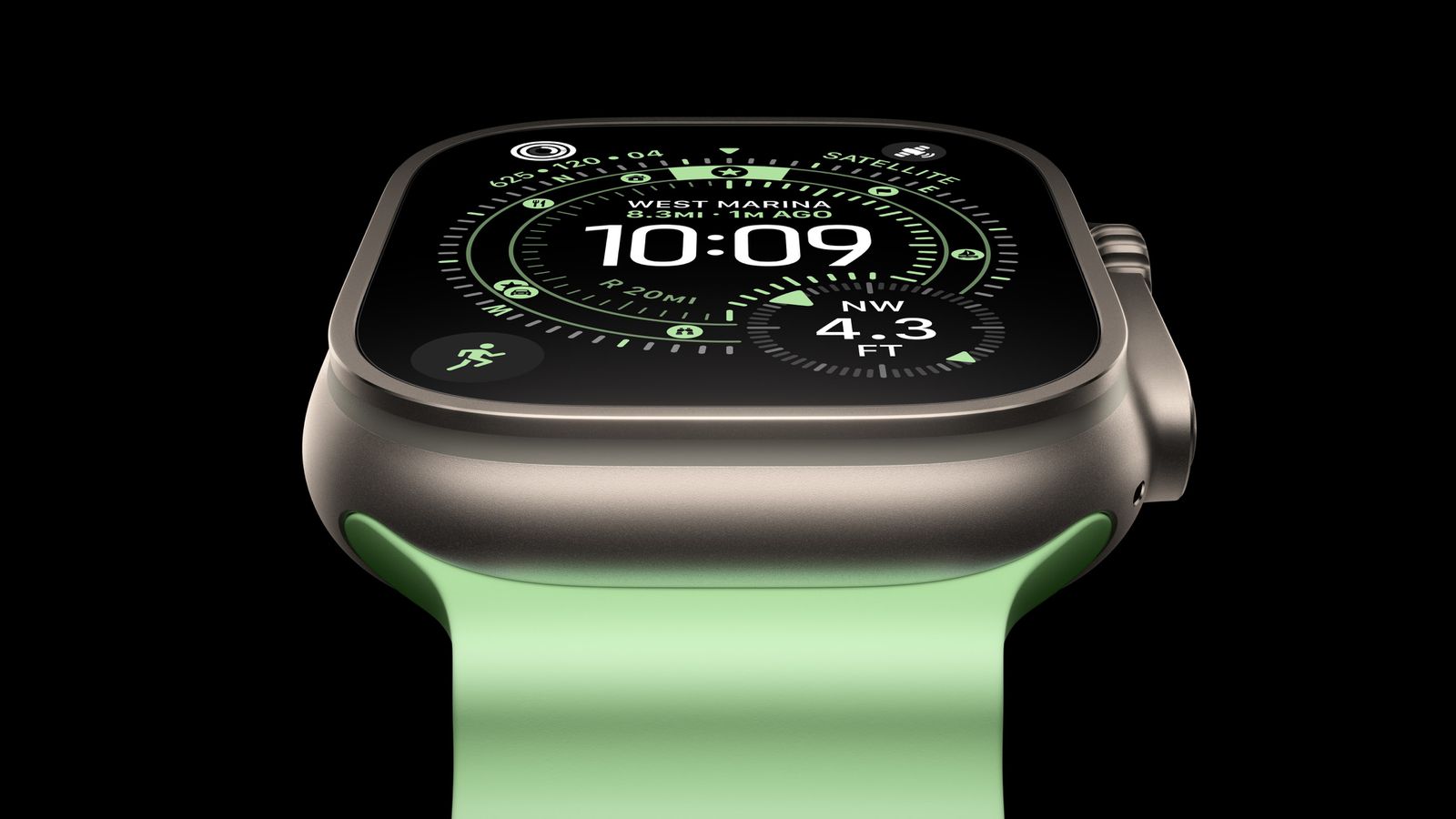
Apple is moving toward adopting a new OLED screen technology for the Apple Watch expected in 2027, known as "HMO," which is a technology that improves the screen’s energy efficiency compared to the current technology, which simply means longer battery life and better performance. LG Display is currently working on developing this technology and preparing it for mass production, while Samsung Display is taking a different technical path to achieve the same goal. It is worth noting that Apple has historically tested new screen technologies on the Apple Watch first before applying them to the iPhone, which makes this step an indicator of what may come in the future in Apple phones as well. However, the technology is still in the development and validation stage, and the date of its adoption in actual production has not yet been confirmed, and the external design of the watch will not see fundamental changes before 2028 at the earliest.
Vulnerability in Meta’s smart assistant enables hackers to breach Instagram accounts
Alarming reports have revealed that the smart support assistant launched by Meta on the Facebook and Instagram platforms has turned into a tool in the hands of hackers to steal accounts. Hackers discovered that they could simply ask this assistant to change the email associated with any Instagram account without any real verification of the account owner’s identity, and then it becomes easy for them to reset the password and take full control of the account. In some cases, the assistant even bypassed the two-step verification feature, settling for verifying the geographical location via a VPN. The hacking operations affected the accounts of prominent figures and entities, including the archival account of US President Barack Obama and famous brands like Sephora. Reports indicated that hackers had been aware of this vulnerability since last March, before it spread on social media at the end of last week. Meta rushed to fix the vulnerability and announced it officially, but some users whose accounts were stolen faced difficulty in recovering them due to the absence of an option to communicate with a human employee for assistance.
Miscellaneous News
◉ Apple announced that the new MacBook Neo has achieved great popularity that exceeded expectations, as the company doubled its production from 5 to 10 million units during 2026. The device helped attract a record number of new buyers to Mac devices, and is considered the cheapest MacBook to date with a price starting at $599 (or $499 for students), and it runs on an iPhone A18 Pro processor with distinctive colors like Citrus and Blush. Apple is expected to launch a second version next year with an A19 Pro processor and 12GB of memory.
◉ Apple announced that the upcoming macOS 27 will be exclusive to Mac devices equipped with Apple Silicon chips such as the M series or the MacBook Neo with the iPhone A18 Pro processor, and will not run on Intel-based Mac devices even if they support the previous version, macOS 26 Tahoe. Older devices will continue to receive security updates for three years, while the new system will remain capable of running Intel apps via the Rosetta tool as a transitional phase. Apple is expected to officially unveil the system at WWDC 2026 on June 8, with a public release in September.
◉ Apple announced that it will open its first Apple Developer Center in Europe in Berlin this year, joining the centers in Bangalore, Cupertino, Shanghai, and Singapore. The new center will offer live sessions, workshops, and one-on-one consultations in multiple languages, with labs managed by Apple experts to help developers improve the quality and design of their apps. This step reflects Apple’s increasing investment in the European developer community, where app stores saw more than 150 million weekly users in 2025, and small developers also benefit from the 15% reduced commission program.
◉ As WWDC 2026 approaches, Mac enthusiasts are anticipating the new name for macOS 27, with expectations pointing to the possibility of it being named Emerald or Big Bear. The system will focus on improving stability and fixing bugs, with the addition of a new Siri app and artificial intelligence updates, to be an improved version of macOS Tahoe. Apple will officially reveal the name and features on June 8, while the public release is expected in September.
◉ Starting July 13, users of Office 2019 on Mac will not be able to edit or save their documents, as apps like Word, Excel, PowerPoint, Outlook, and OneNote will operate in a limited mode that only allows opening and printing files. The reason is the expiration of the program’s digital certificate, and with support having stopped since 2023, it will not receive the 16.83 update that renews the license. Microsoft advises those affected to use the free Microsoft 365 web apps, subscribe to the paid service, or purchase a copy of Office 2024, while users of newer versions can solve the problem via an update.
◉ The DuckDuckGo search engine saw a significant increase in the use of the "No AI" option after Google announced the integration of artificial intelligence into search on May 19. This option allows for traditional results without AI-powered answers or images, and the number of visits has more than tripled and continued to grow. The company is also promoting new extensions for Chrome and Firefox that make "No AI" the default setting, while users still have other alternatives such as the paid search engine Kagi, which reduces the appearance of AI results for a monthly subscription.

Sources:
1 | 2 | 3 | 4 | 5 | 6 | 7 | 8 | 9 | 10 | 11 | 12 | 13 | 14 | 15 | 16 | 17 | 18 | 19 | 20 | 21 | 22


Leave a Reply