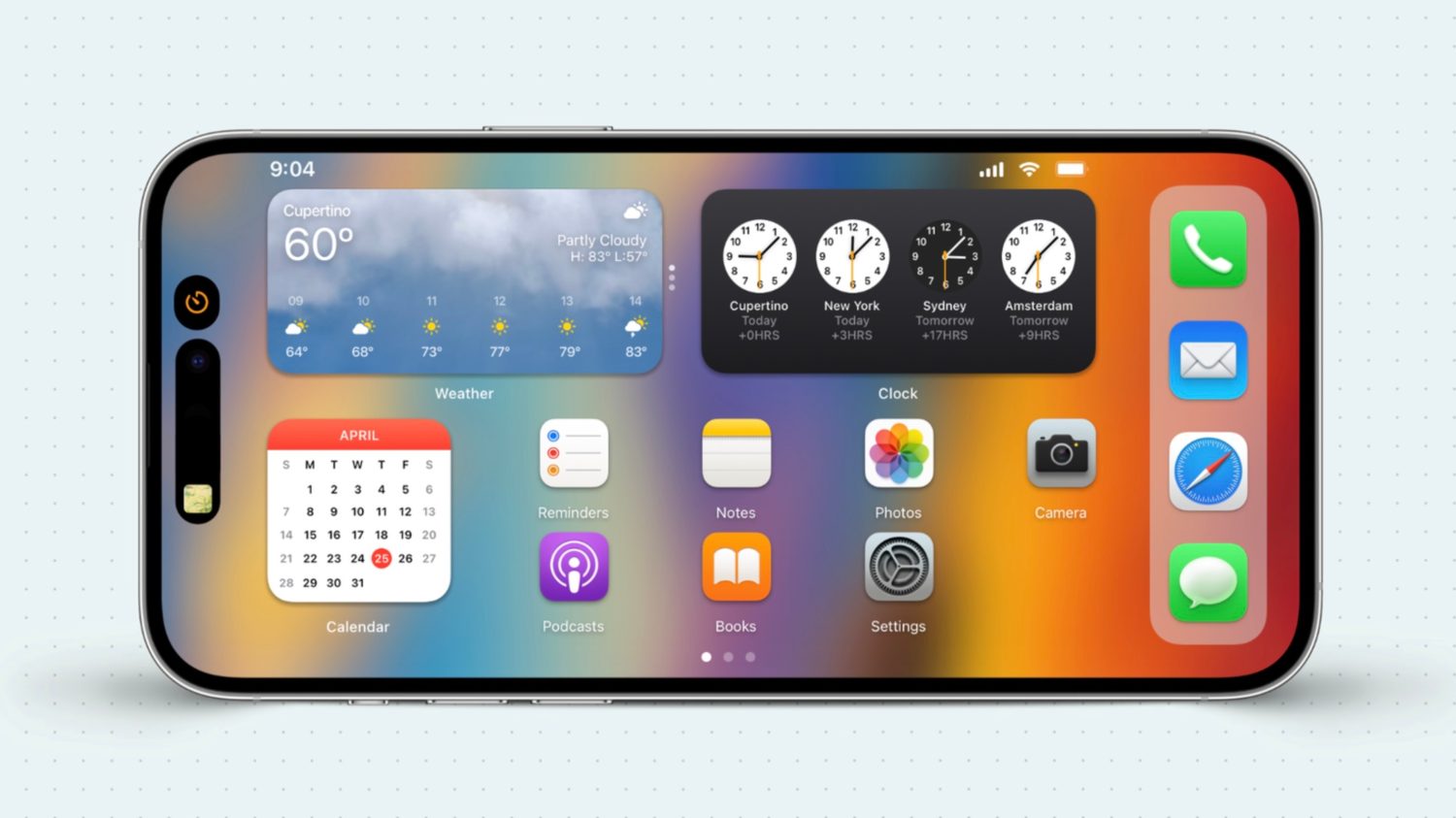
Apple has long been a master of quietly laying the groundwork for its technological revolutions; it never reveals new hardware suddenly without first setting its software house in order. In iOS 27, the company seems to have already begun laying the foundation for what appears to be the most controversial and highly anticipated project in its recent history: the foldable iPhone! The beginning was both simple and intriguing, as three of Apple’s most important pre-installed core apps—Apple Music, Fitness, and Health—received full support for Landscape mode after years of being restricted to Portrait mode only. At first glance, this might seem like a routine, long-overdue UI fix, but those familiar with the intricacies of the beta version’s source code know full well that there is more to it than meets the eye.
Apple asks developers to prepare for screens that do not exist yet
During the WWDC 2026 developer conference sessions, specifically in the “Platforms State of the Union” session, Apple delivered a direct and unusual message to developers: stop designing apps based on fixed screen dimensions, and start targeting a “dynamic range of sizes and aspect ratios.” This strict directive effectively forces developers to adopt flexible, auto-resizable interfaces, a key step in preparing the entire App Store for screens that could change size and dimensions at any moment.
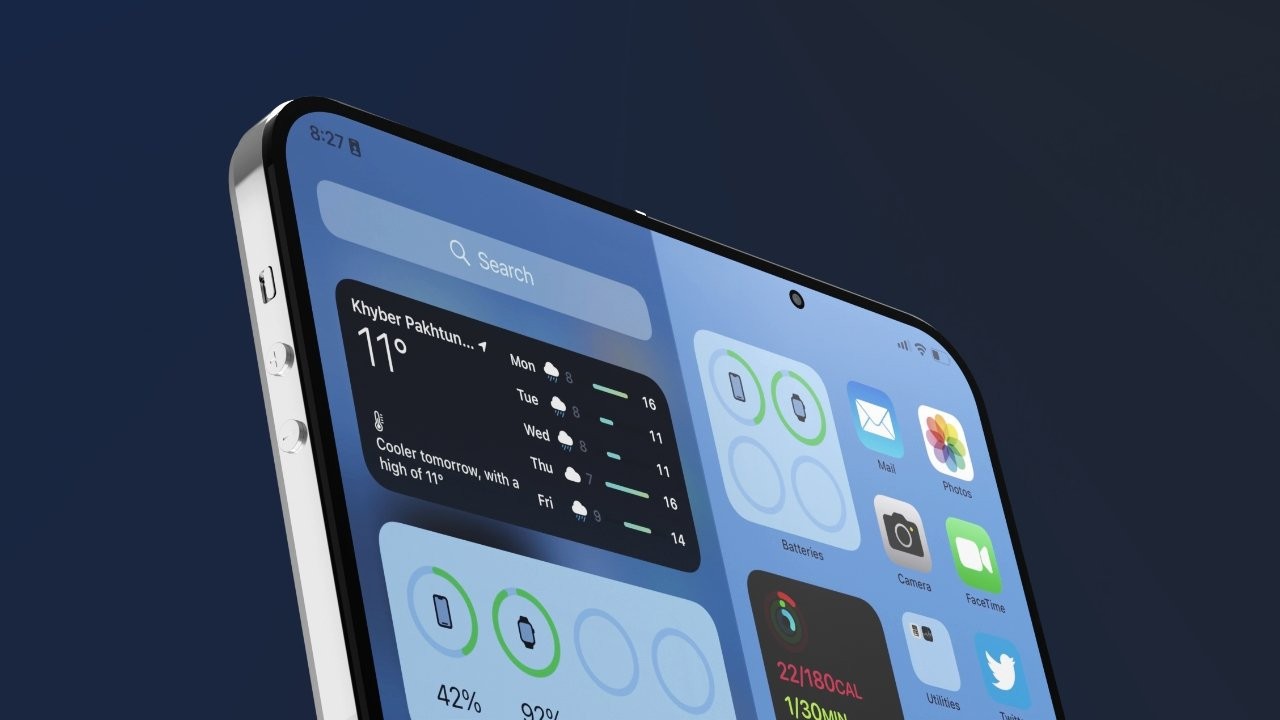
The matter does not stop at verbal advice; Apple has provided advanced software tools to help developers test their apps, such as a new resizable iOS simulator and updated preview features in the Xcode environment that allow for simulating screen dimensions that do not match any iPhone currently on the market. This move is strongly reminiscent of what happened in 2014; before the launch of the iPhone 6 and its large screen, which changed the rules of the game at the time, Apple launched a similar campaign to urge developers to adopt flexible interfaces. The scenario is repeating itself now with extreme precision: prepare the ecosystem first, then launch the hardware later.
Landscape mode in core Apple apps: Why is this of utmost importance?
When apps like Apple Music and Health stick to portrait mode for years and then suddenly switch to supporting landscape mode in the same software cycle where Apple mandates dynamic interfaces, it is not a coincidence. Apple’s official apps are not just tools; they are the “reference model” that other developers follow. It is the clever way Apple tells the tech community: “This is how your apps should look and behave when they adhere to the new adaptive standards.”
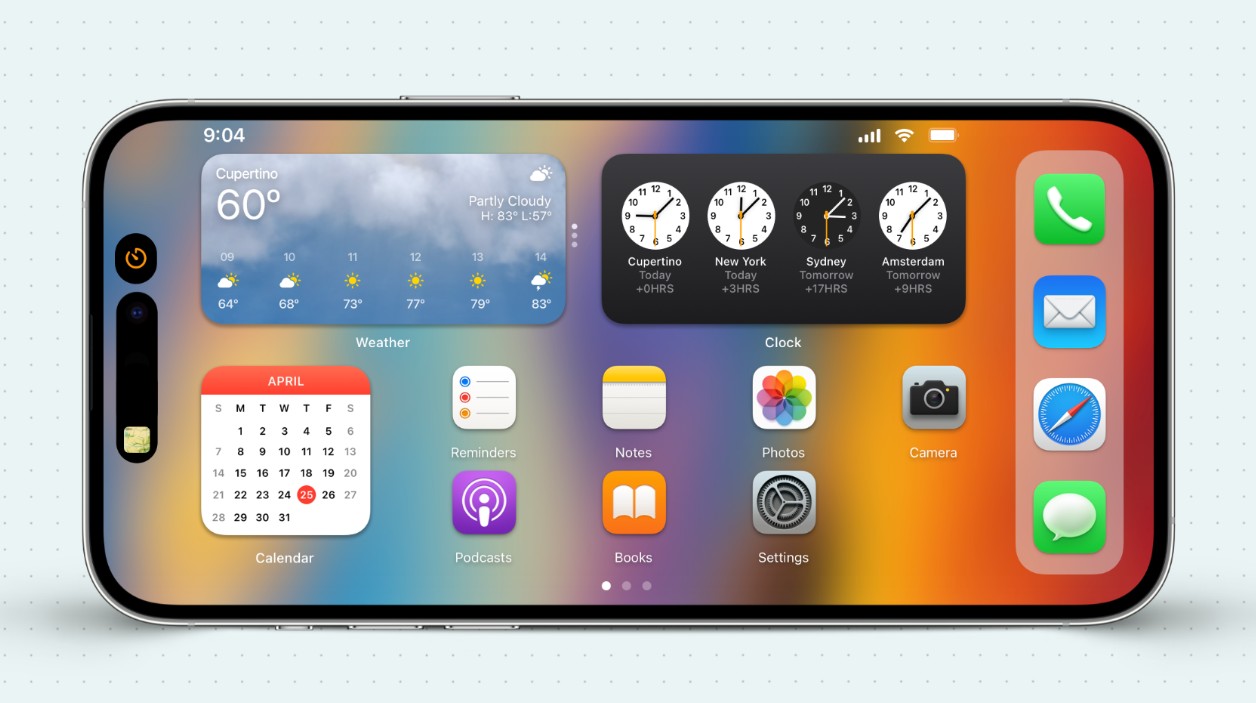
Technically, refactoring app content to flow smoothly when the phone is rotated requires a software infrastructure based on adaptive positioning rules rather than fixed coordinates. This flexible infrastructure is exactly what any foldable phone needs when the user unfolds it, transforming the screen from a small measurement into a massive, perfectly square display. Additionally, the iPhone Mirroring feature on Macs in iOS 27 and macOS 27 allows viewers to freely resize the iPhone app window to reach iPad screen dimensions, representing a vital testing ground imposed by Apple to test app flexibility under various conditions before launching its foldable phone.
iOS 27 code reveals details of upcoming hardware
The most exciting aspect of this story did not come from visual interfaces, but from the depths of the source code unearthed by developer Sam Henri Gold. In the iOS 27 beta, he found two strings within the framework named “foldState” and “angleDegrees.” These software variables are intended to tell apps within the operating system whether the device is folded and at what angle it is currently tilted—programmatic values that no device currently sold by Apple in the market needs or uses.
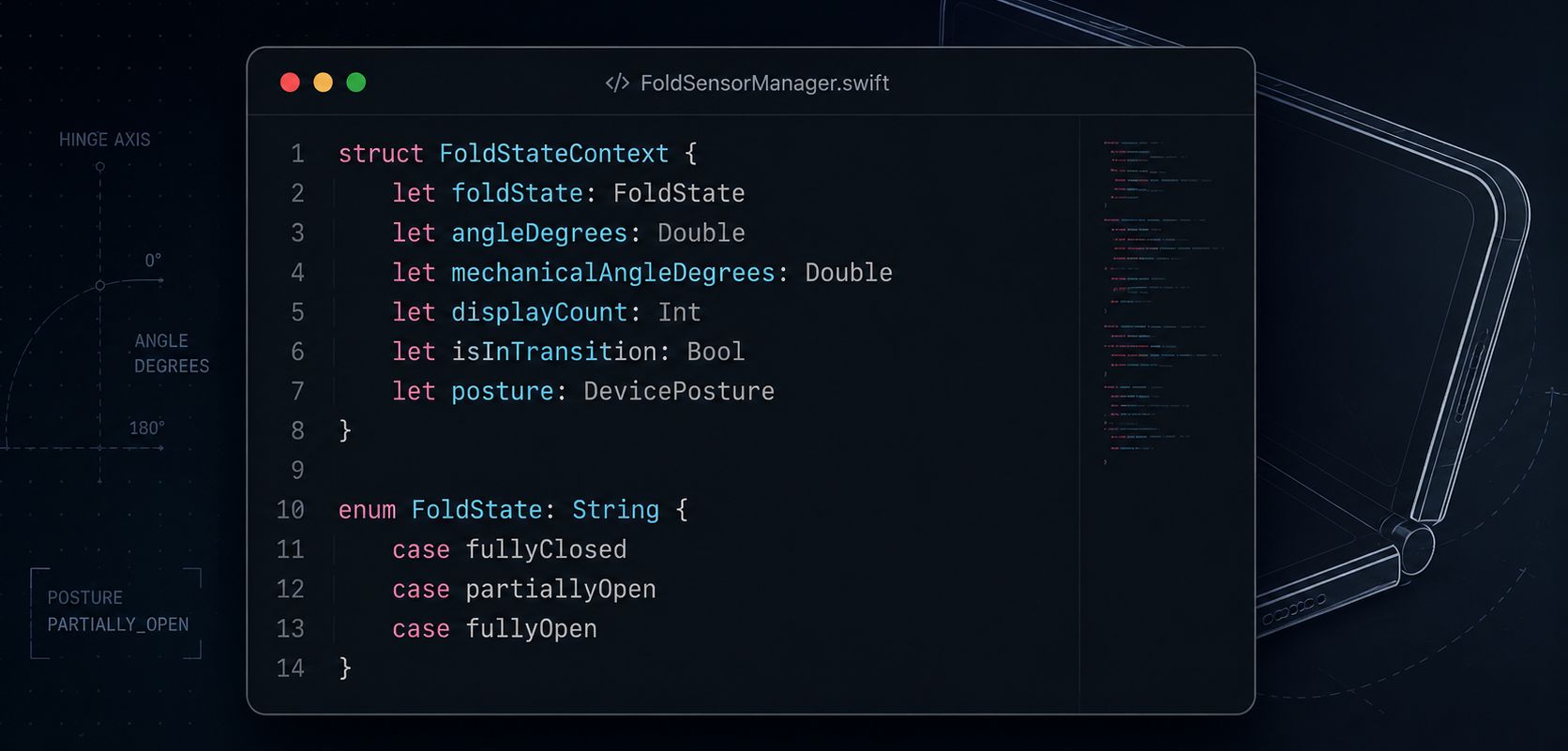
The discoveries did not stop there; a new API key was spotted, designed to call the total number of integrated screens on the device. On all current iPhones, the value is always one screen, but this key only becomes meaningful when dealing with a device that contains more than one integrated screen, such as an external cover display and a main internal foldable screen.
The software picture is completed with the spotting of internal code indicating that Apple is testing a device that combines the Dynamic Island with Touch ID technology. This unprecedented combination aligns perfectly with the engineering challenges of foldable phones; it is difficult to integrate complex Face ID cameras under the flexible internal screen due to folding creases, making the reliance on a fingerprint sensor embedded in the side power button a very practical and smart solution in various folding positions.
What are we waiting for before September?
For current iPhone users, the immediate gains are already tangible; Music, Health, and Fitness apps will work with greater flexibility and consistency with the rest of the system when used in landscape mode. But for tech enthusiasts, all eyes are on September 2026, as strong leaks suggest the possibility of announcing the long-awaited foldable device, which is likely to be named “iPhone Ultra” alongside the iPhone 18 Pro family.
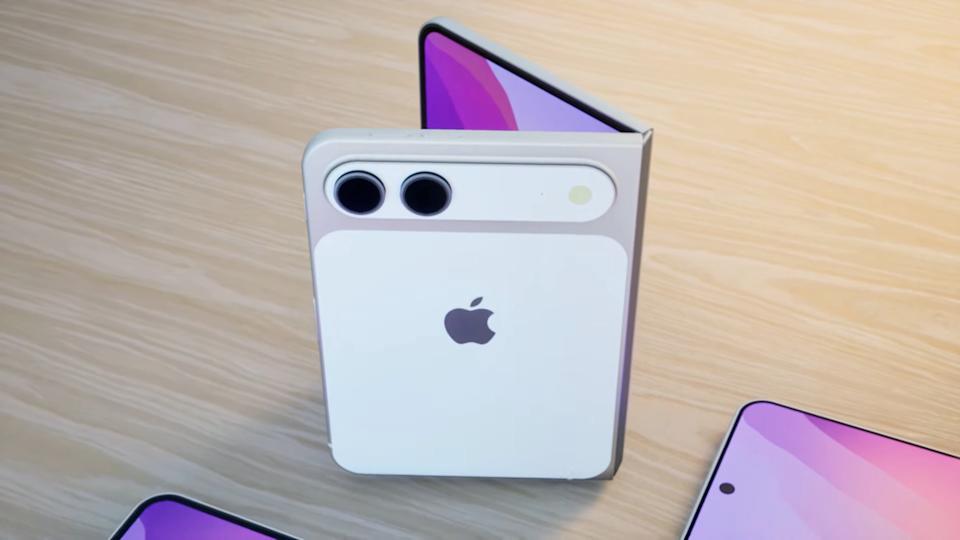
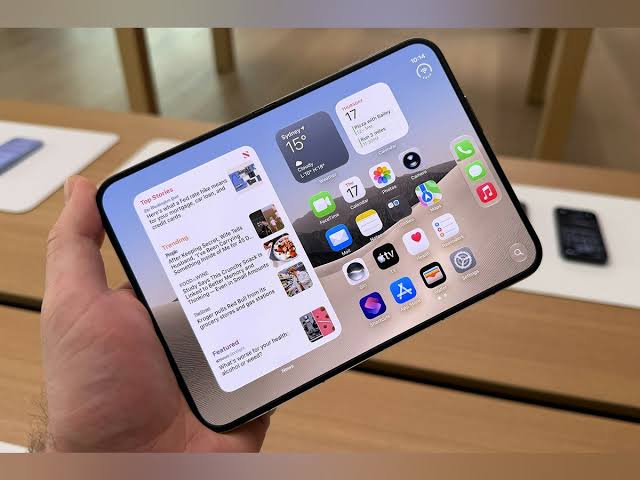
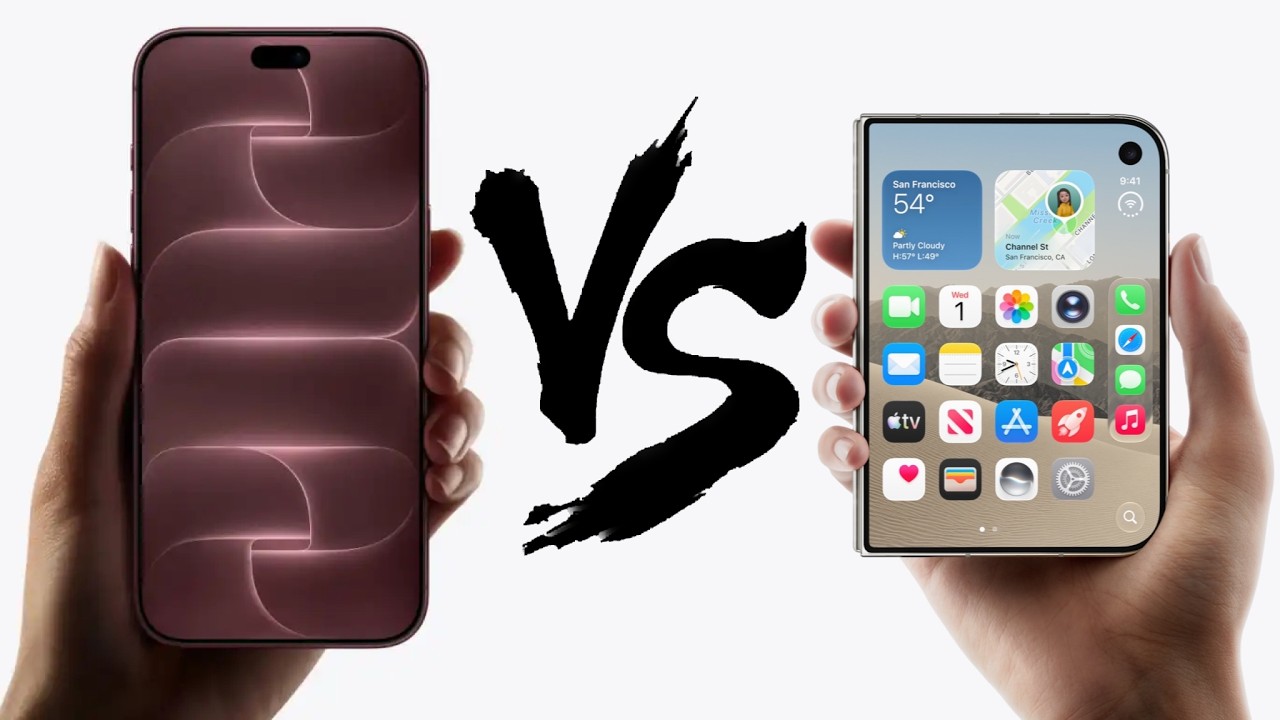
Software rumors indicate that this upcoming device will come with a book-like design, featuring a massive 7.8-inch internal screen and a 5.5-inch external screen, with a titanium frame and a hinge made of Liquid Metal, in addition to a dual rear camera, the super-powerful A20 processor, and a C2-type connectivity modem. Naturally, this innovation is expected to exceed the $2,000 price barrier, making it the most expensive iPhone in history. Although Apple has not officially confirmed anything yet, the language of the code in iOS 27 does not lie, and it clearly says: get ready for the foldable future!
Source:


1 comment