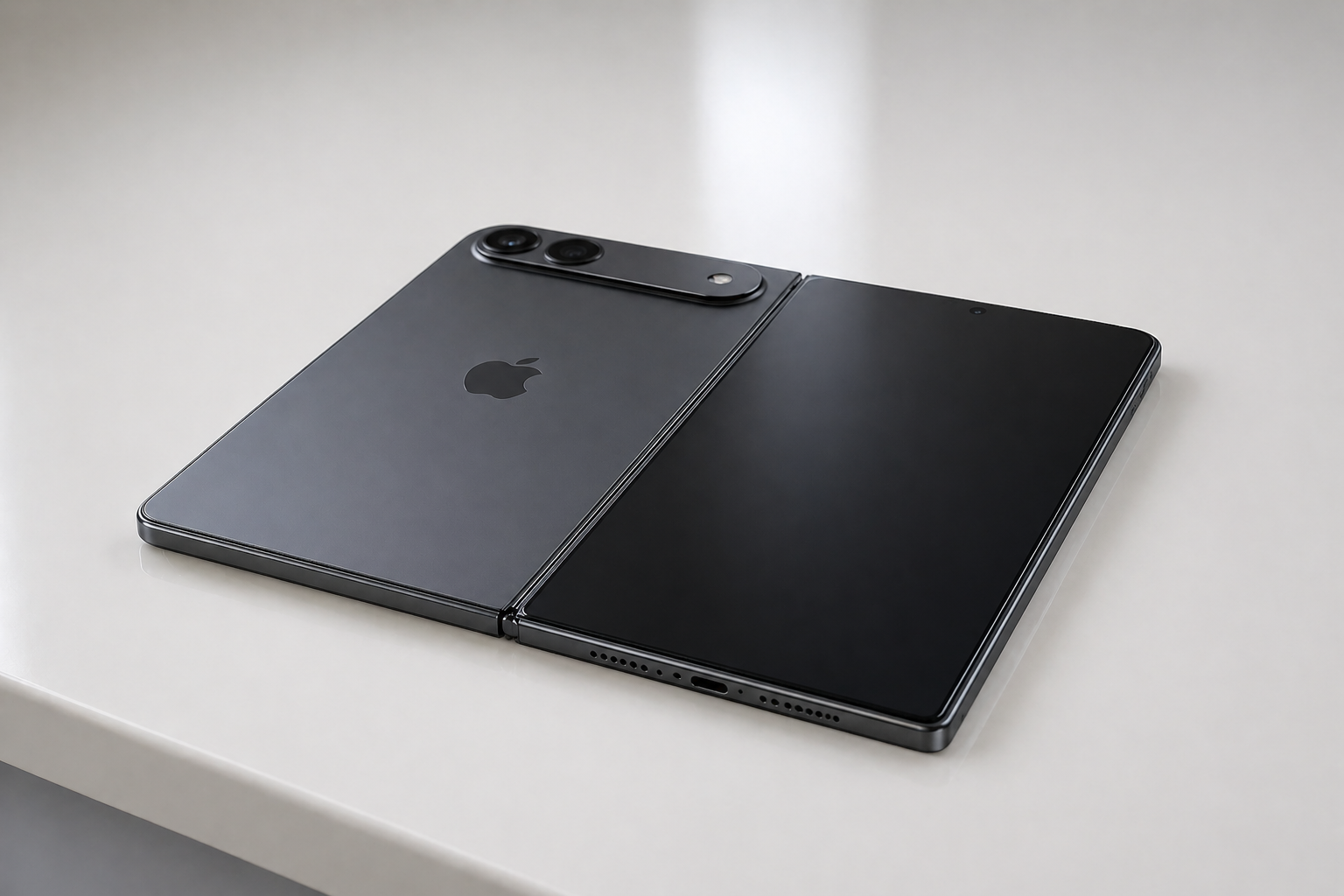
Apple fans who are eagerly awaiting the moment the company folds its first smartphone may have to take a deep breath and wait a little longer than they are used to! Yes, it seems Apple is preparing to enter the world of foldable phones, but as is usual with revolutionary new technologies, the road will not be paved with roses. The latest reports and analyses indicate that the first foldable iPhone may face real launch delays and a severe shortage in supply, making it akin to a “rare commodity” in the markets upon its initial release.
The iPhone X scenario repeats: Announcement in September and delay in release
Renowned analyst Ming-Chi Kuo indicated in his latest forecasts that the upcoming foldable iPhone will follow a gradual launch schedule very similar to what happened with the iPhone X in 2017. While Apple will announce the new phone alongside the anticipated iPhone 18 lineup at its usual annual conference in September, limited early production runs will push pre-order fulfillment and actual availability in stores to the fourth quarter of the year.

This means the announcement will be for show and to dazzle the public first, while buyers will have to wait weeks and perhaps months before getting their hands on this revolutionary innovation. Just as it happened with the iPhone X, which redefined Apple phones, this foldable phone represents a technical leap that requires more time for manufacturing maturity and quality verification to avoid any manufacturing defects in the flexible screens.
Shocking production numbers and complex engineering hurdles
Analyst Kuo expects total assembly shipments for the third quarter of the year for the foldable phone to be between only 500,000 and 1 million units! To put this shocking number into its natural context, forecasts indicate that the iPhone 18 Pro and iPhone 18 Pro Max models will see shipments reach between 20 to 22 million units during the same period, ensuring that stock requirements for an immediate launch in September are met.
This huge disparity reflects the complex engineering challenges Apple faces in manufacturing. According to previous reports, Apple has faced significant engineering hurdles related to the complex design of the hinge and the display itself, including the development of a dual-layer glass structure aimed at reducing the screen crease we usually see in competitors’ phones. Apple does not want to release a product that is only half-good, and therefore it is taking its full time to solve these difficult technical problems.
The astronomical price and the anticipated black market frenzy
Although the expected price of the phone will be astronomical, ranging between $2,300 and $2,500 USD, Kuo expects demand to remain strong and rampant until the end of 2026. Based on discussions with telecommunications companies, retail channels, and distributors, the analyst believes that the phone may sell out completely from stores as soon as pre-orders open.
Delivery estimates are expected to quickly extend to between four to six weeks or perhaps more during the month of December. Even more concerning is that this extremely limited supply, combined with the phone’s unique design, could support resale prices in the parallel market to jump by 50% to 100% above the official price! Yes, you might see this phone being sold for astronomical figures by brokers and speculators.
Specifications of the foldable iPhone Ultra and the operating system
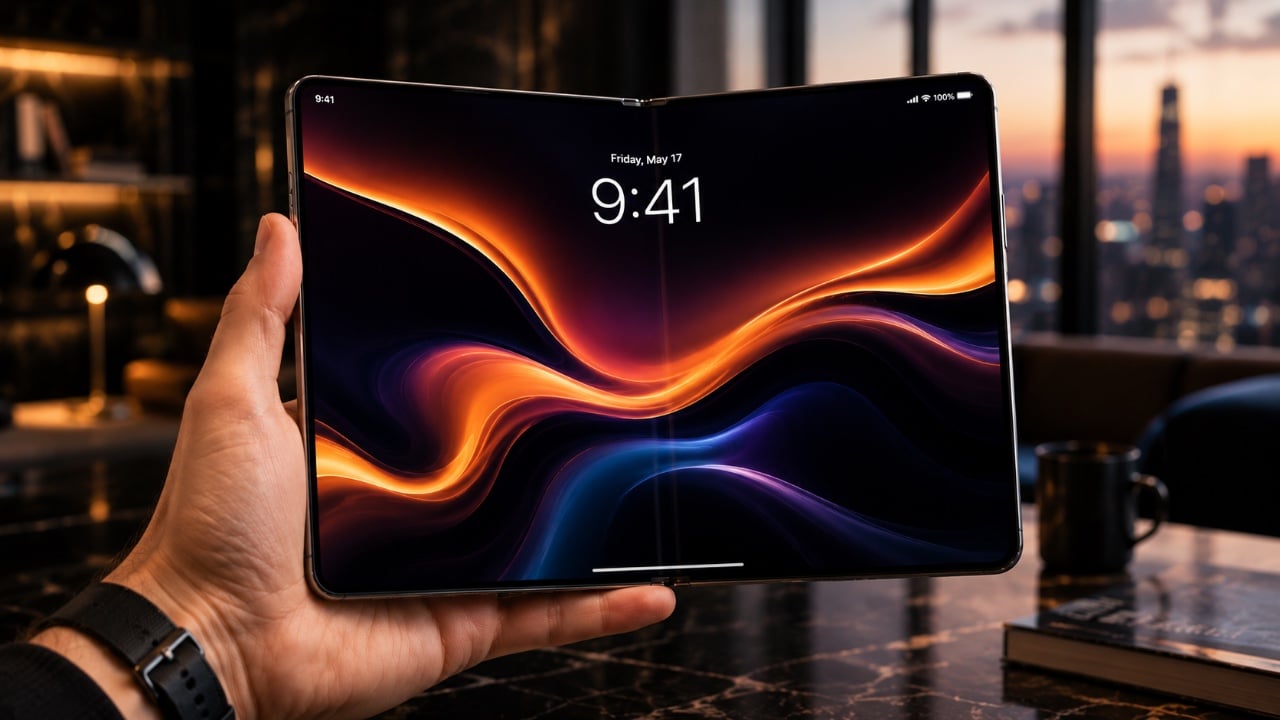
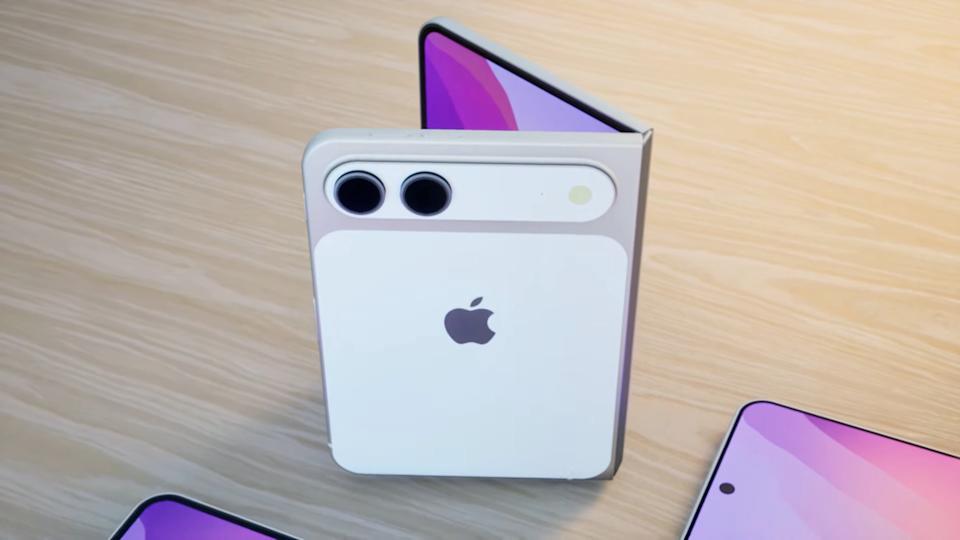
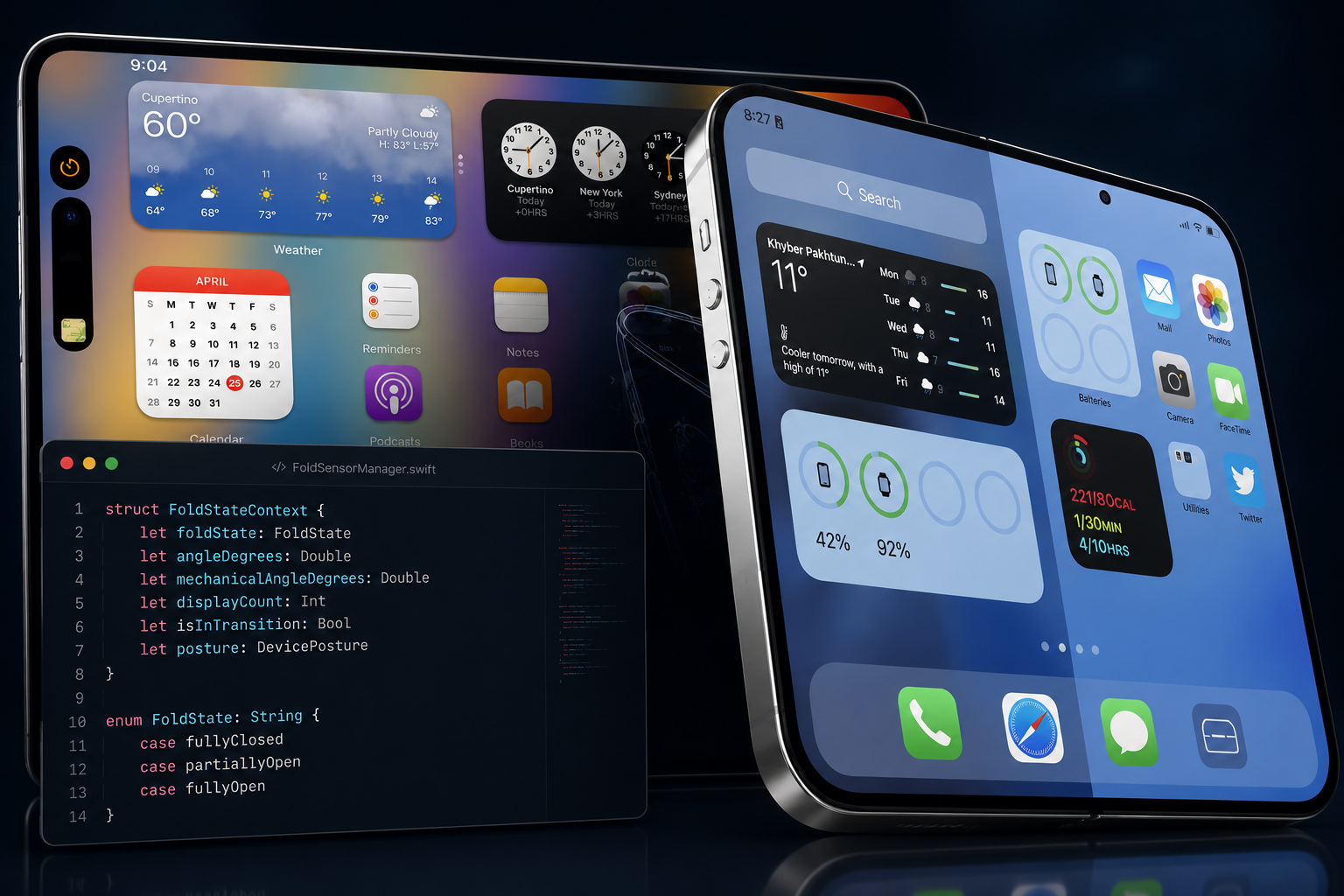
Previous reports indicate that the new phone, which is widely expected to be named the iPhone Ultra, will come with a passport-like design with a 7.8-inch flexible internal screen. Apple will not just stop at the large screen, but will offer a custom user interface that supports side-by-side multitasking similar to an iPad to display multiple applications with extreme fluidity.
Total shipments for the second half of 2026 are expected to reach about 7 to 8 million units. By comparison, Apple shipped about 30 million units of the iPhone X during the second half of 2017. Kuo believes that the period from late 2026 to the first quarter of 2027 will be the clearest indicator of the true long-term demand, once the initial launch fever subsides and production constraints begin to ease gradually.
Source:


Leave a Reply