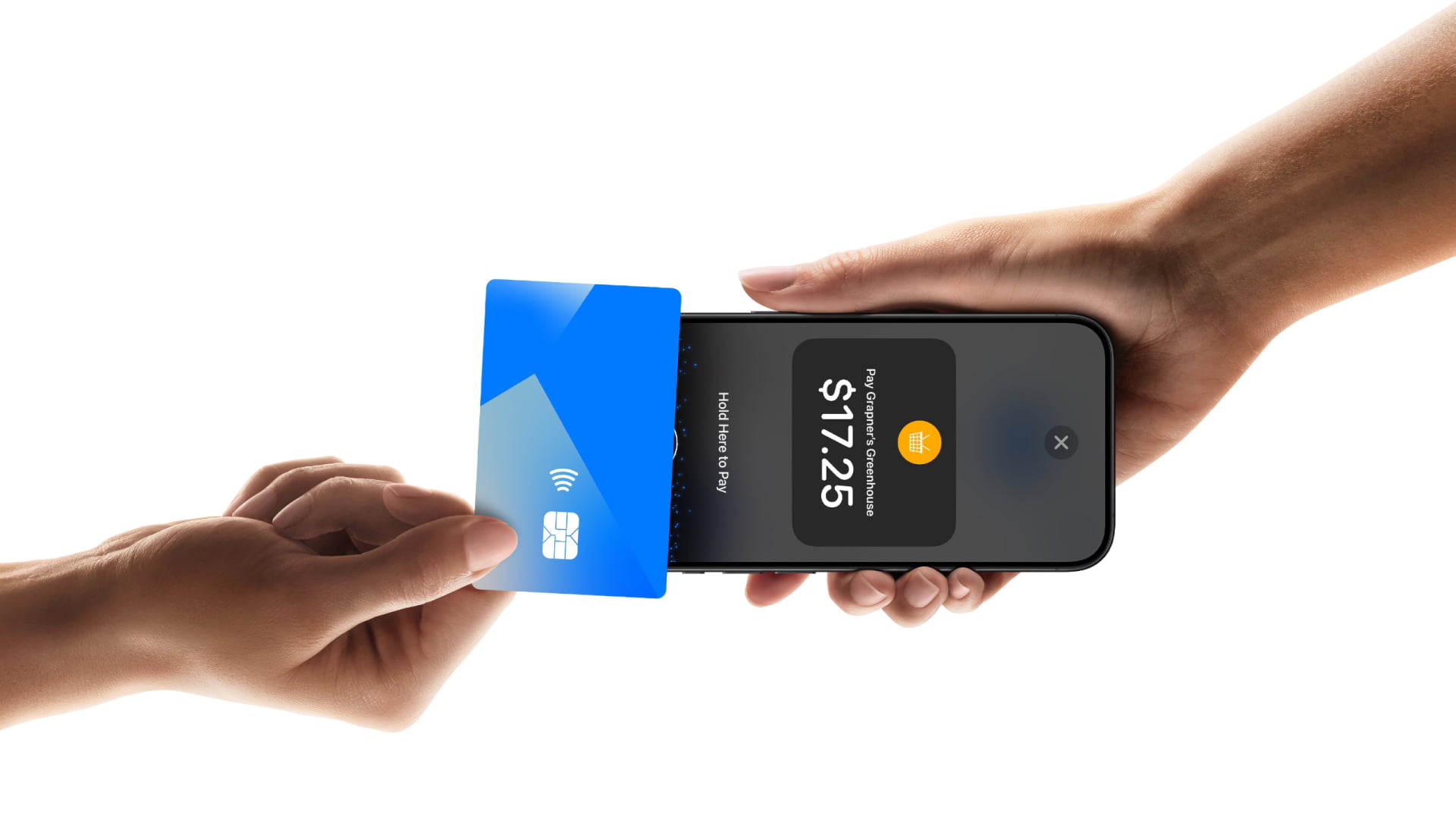
In a new move that reflects its constant desire to simplify the shopping experience and make it smoother and more modern, Apple is moving towards reducing its reliance on external payment devices in its official stores. How? Simply by expanding the use of the Tap to Pay on iPhone feature, where there is no longer a need for those additional devices attached to phones; the iPhone itself has become the only payment device the employee needs to successfully complete a purchase.
Goodbye to additional devices in Apple stores
According to a new report published by journalist Mark Gurman, Apple plans over the coming days and weeks to significantly reduce the number of Bluetooth-enabled credit card readers currently used in its stores. This means that more retail employees will be able to complete sales and process financial transactions directly using the work iPhones provided to them by the company, without the need for third-party accessories.
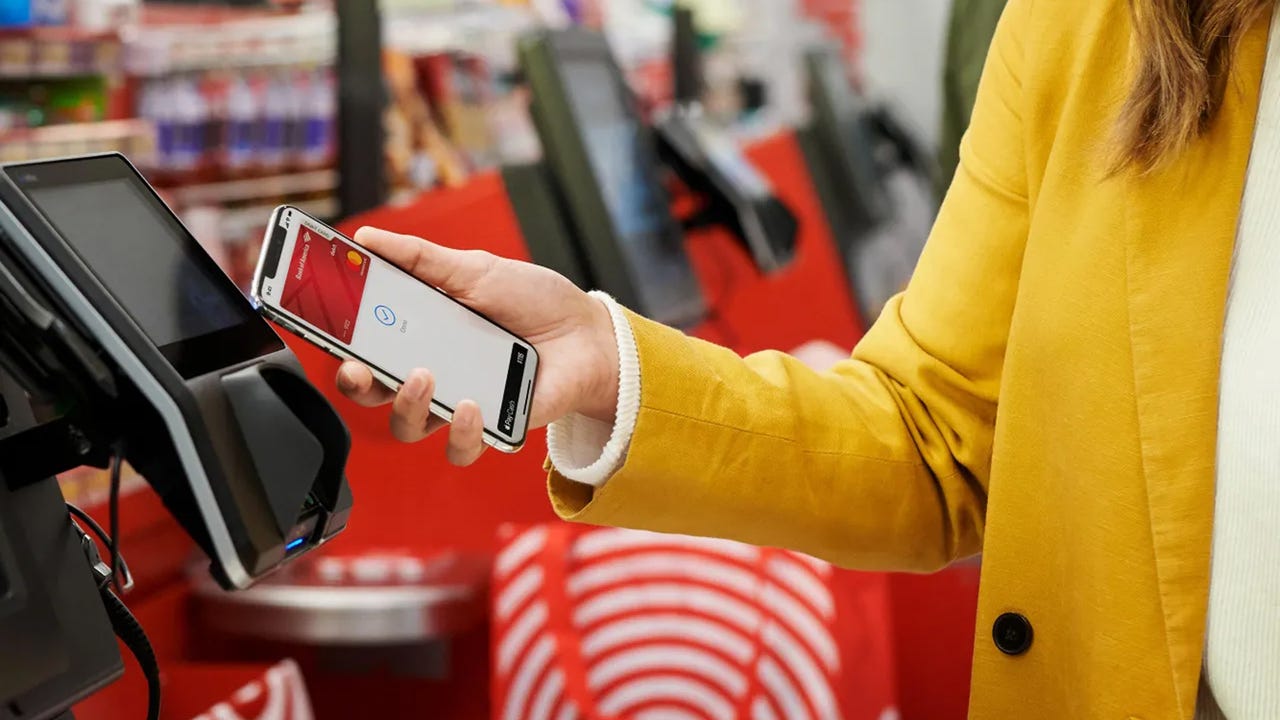
The new feature will make the payment process much faster; the customer will not have to wait for the employee to look for a connected card reader, but rather it will be enough to bring their credit card or phone close to the employee’s phone directly to start processing immediately.
The end of the Isaac era and the digital transformation
If you are a long-time visitor to Apple stores, you might remember those bulky and strange devices that employees used to put the iPhone inside to scan products and read cards. Apple called those custom-designed point-of-sale devices “Isaacs”. Several years ago, Apple began the journey of phasing out these complex devices and started equipping its employees with iPhone 14s capable of accepting contactless payments directly.
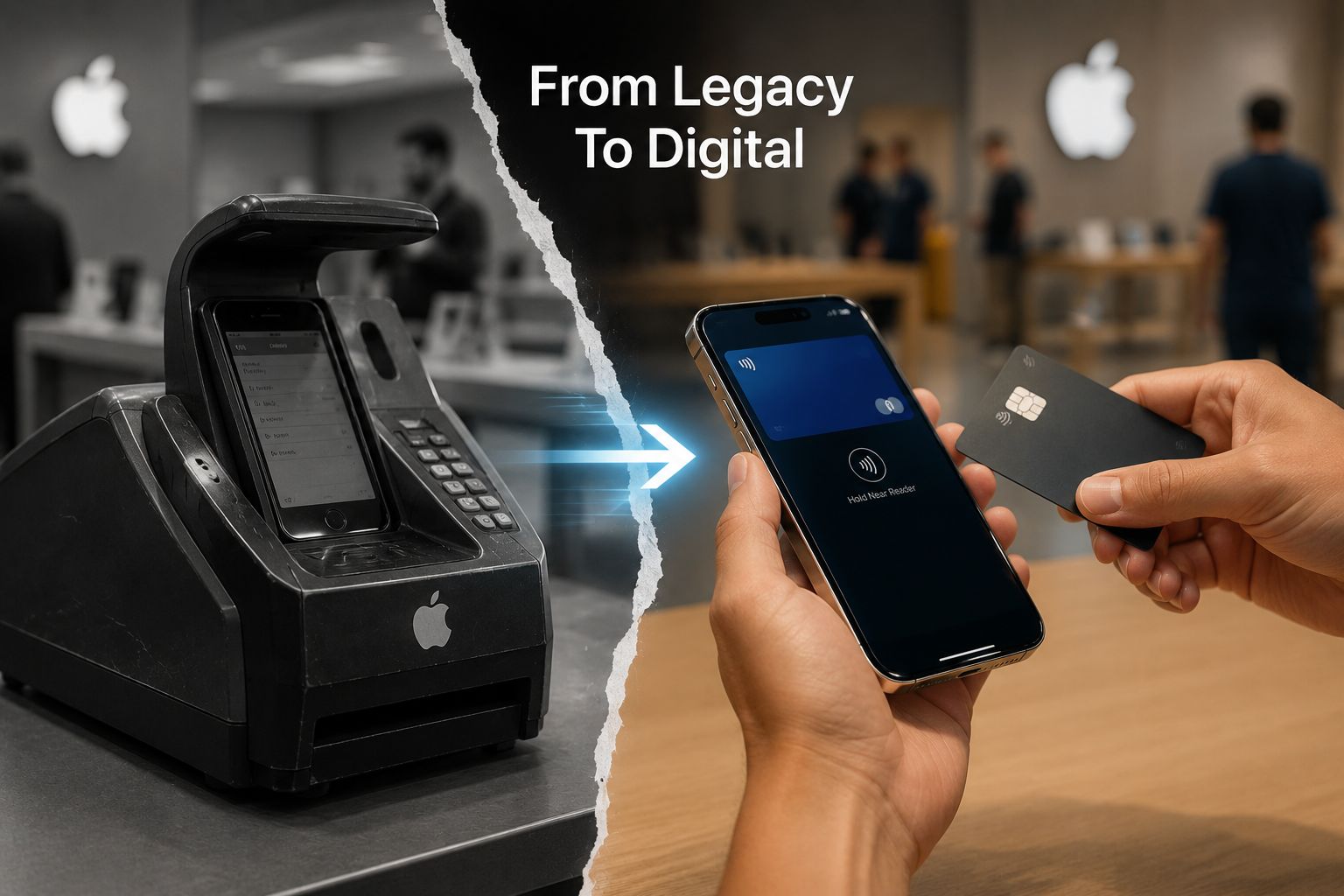
However, Apple could not completely dispense with external Bluetooth-connected card readers. The reason for this was not software-related, but rather lay in the type of credit cards carried by some premium customers, an unexpected problem that stood as an obstacle to completely abandoning the old hardware.
The obstacle of luxury metal cards
Despite the efficiency of the iPhone 14 in receiving contactless payments, store employees faced a recurring problem when it came to luxury metal cards made of heavy materials, such as the American Express Platinum card or the Chase Sapphire Reserve card. These luxury cards caused difficulty for iPhone 14s to read them wirelessly and reliably.
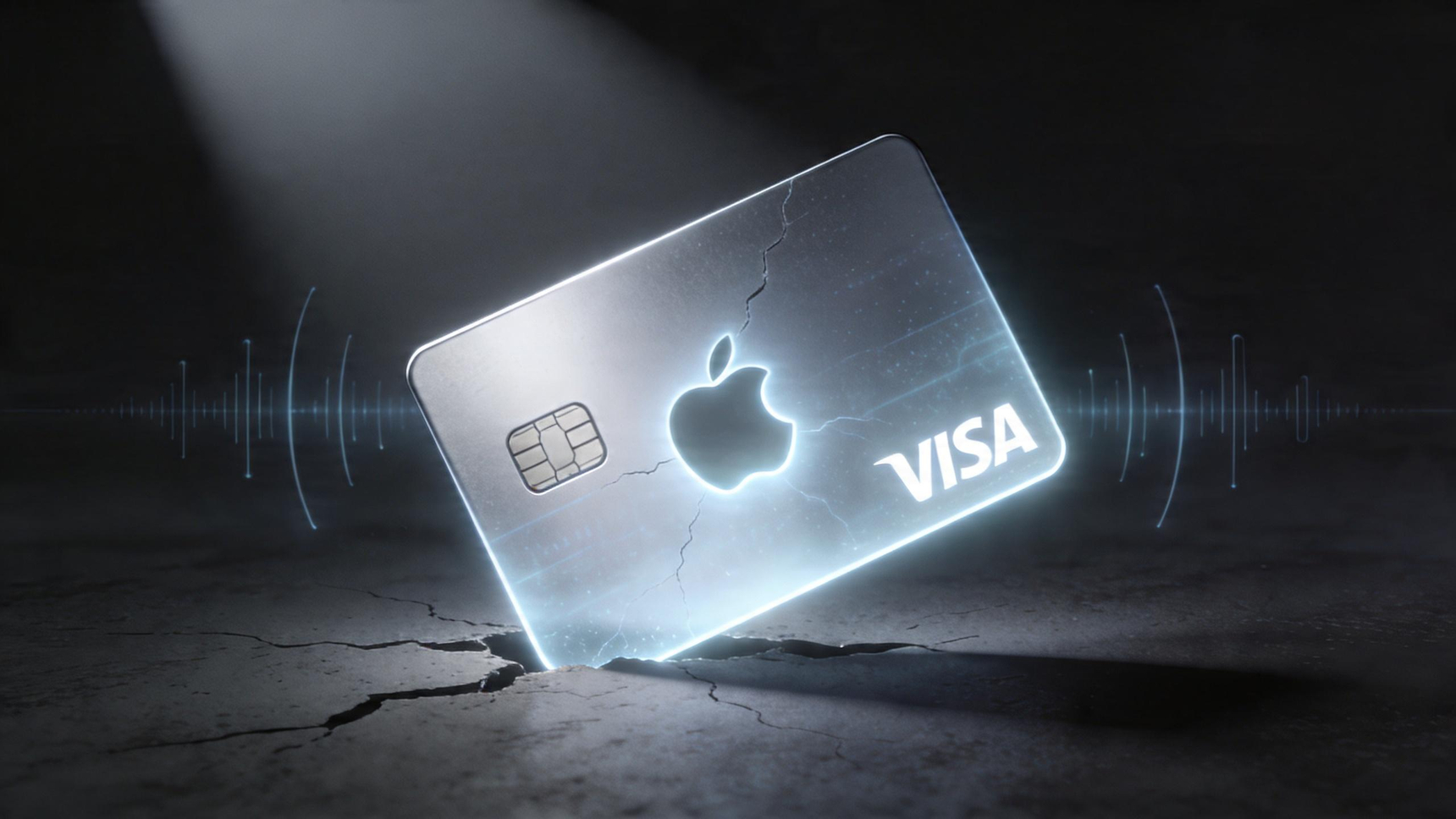
Because of this frustrating technical issue, Apple had to keep the Bluetooth-attached readers to ensure that no customer carrying a luxury metal card would be inconvenienced during payment. But as is Apple’s habit, it does not accept half-measures for long, and the hardware had to be upgraded to solve this dilemma at its roots.
iPhone 16 brings the final solution
This is where the new generation comes in. Thanks to significant improvements in the antennas and wireless technologies in the iPhone 16 family, the new phones are now able to process and read those heavy, luxury metal cards with high reliability and without any notable errors. This distinct development allowed Apple to start distributing new iPhone 16s to store employees to replace older phones.
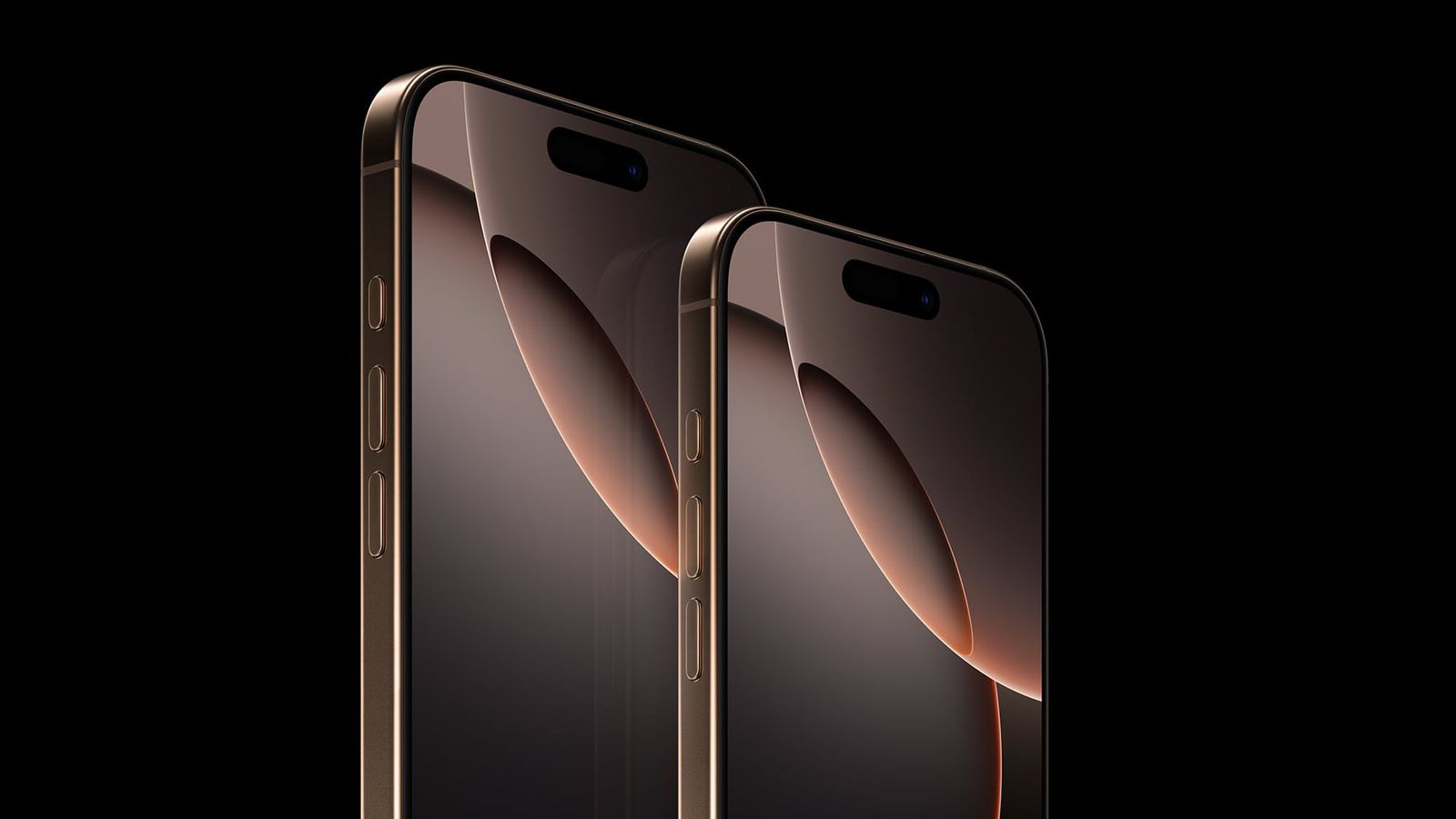
With the spread of the iPhone 16 among employees, the need for those external Bluetooth-paired accessories has completely vanished. The employee no longer needs to carry two devices or worry about failing to read a premium customer’s card; everything has become integrated with amazing efficiency inside the iPhone itself.
A futuristic and complication-free shopping experience
This step is not just a simplification of the hardware that employees carry, but a direct improvement to the user and customer experience inside the store. When you want to buy a new Mac or an Apple Watch, you won’t need to wait long; the employee will scan the product, and with one touch on their iPhone 16 screen, you will bring your card or digital wallet close to complete the payment in a few seconds.
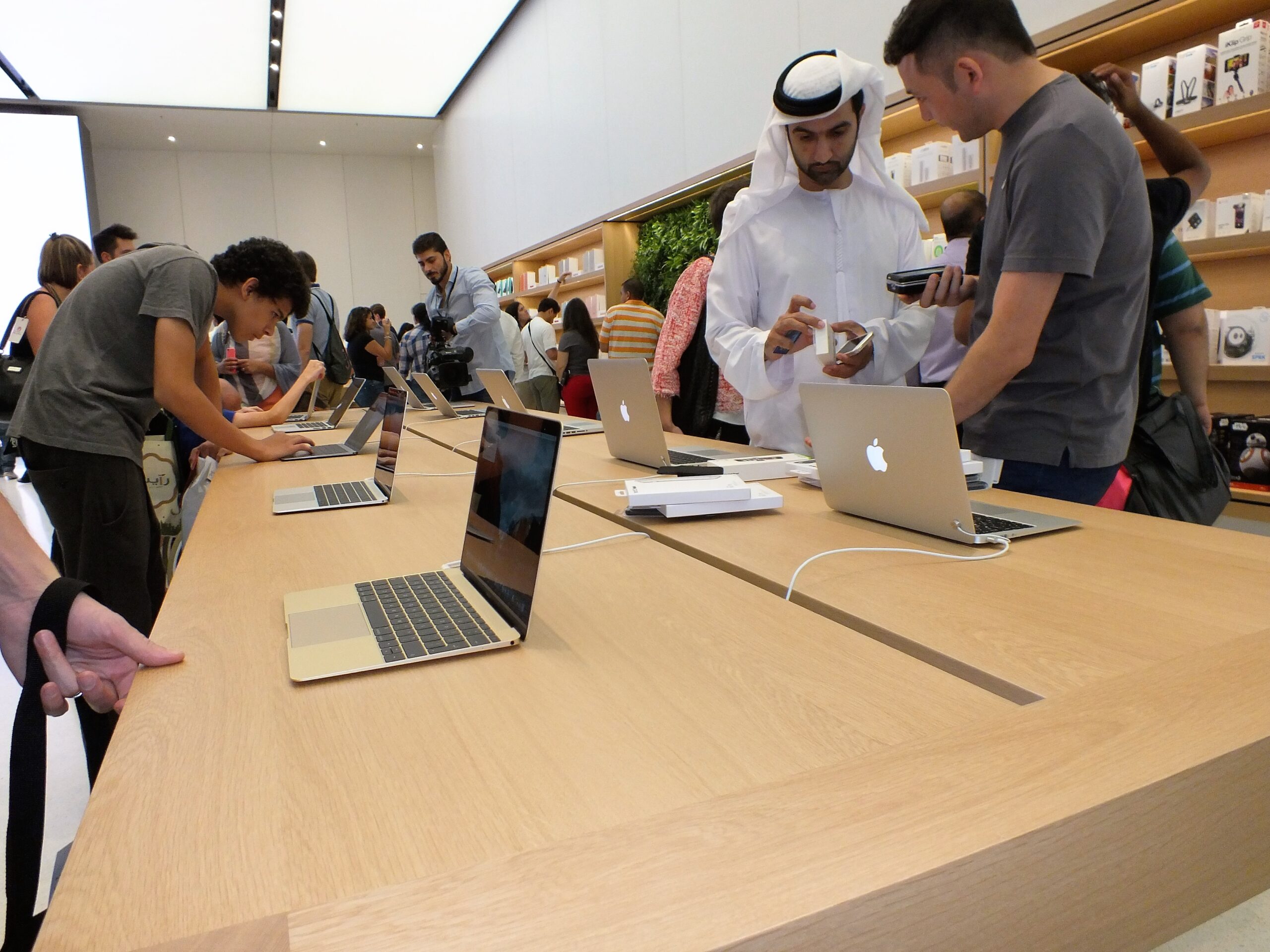
It is Apple’s usual philosophy: making technology invisible and working efficiently in the background without any complexity or unnecessary accessories. The future is contactless payment completely free of additional devices, and Apple stores are leading this change as usual.
Source:

Leave a Reply