It seems the AI fever has left no corner of Silicon Valley untouched, and the victim—or perhaps the beneficiary—this time is Apple’s Mac processor roadmap! In an unexpected move, Apple has decided to completely restructure its silicon chip plans, placing artificial intelligence at the forefront of its priorities. According to the latest reports, the company is preparing to bypass the anticipated high-end versions of the M6 processors and jump directly, with accelerated steps, toward the revolutionary M7 generation, proving to everyone that the AI train waits for no one, even if it means breaking traditions that have lasted for years.
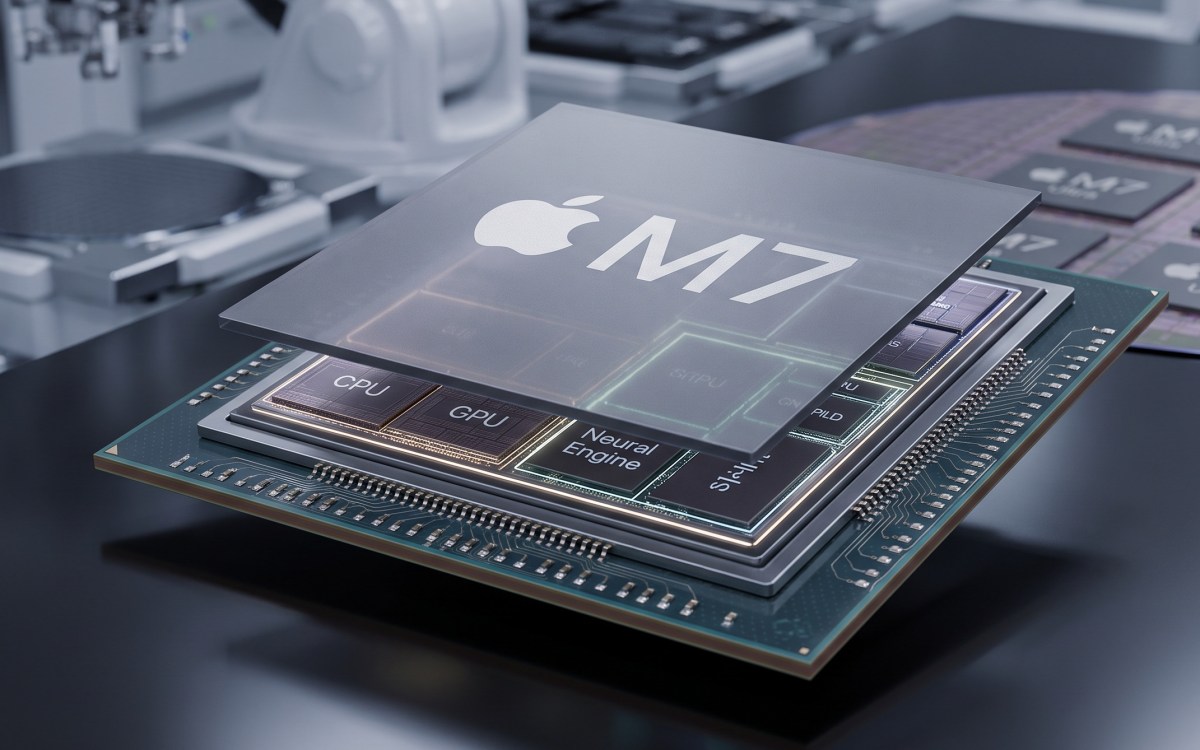
Skipping the M6 family… A historic decision that breaks the rules
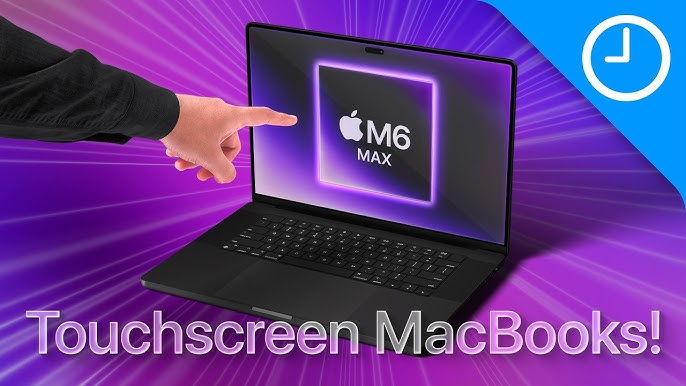
In his latest report via his famous “Power On” newsletter, trusted journalist Mark Gurman revealed that the base M6 chip is still on track to arrive in entry-level Macs later this year. However, the surprise lies in Apple’s decision to completely abandon the development of Pro, Max, and Ultra models for this generation! This exciting change marks the first time Apple has deviated from its usual pattern and strict timeline for launching its chips since it began its journey of independence and historic transition away from Intel processors.
Apple has long prided itself on its organized progression in upgrading its hardware, but the accelerating pace of AI technologies has imposed a new reality that requires extreme flexibility. This shift reflects Apple’s burning desire to catch up with the leaders and assert its hardware superiority, even if it requires bypassing massive production plans that were prepared in advance, and rethinking how to utilize production lines in cooperation with its major partners to ensure it remains at the top of the technological pyramid.
M7 Generation… A record time jump for the sake of AI
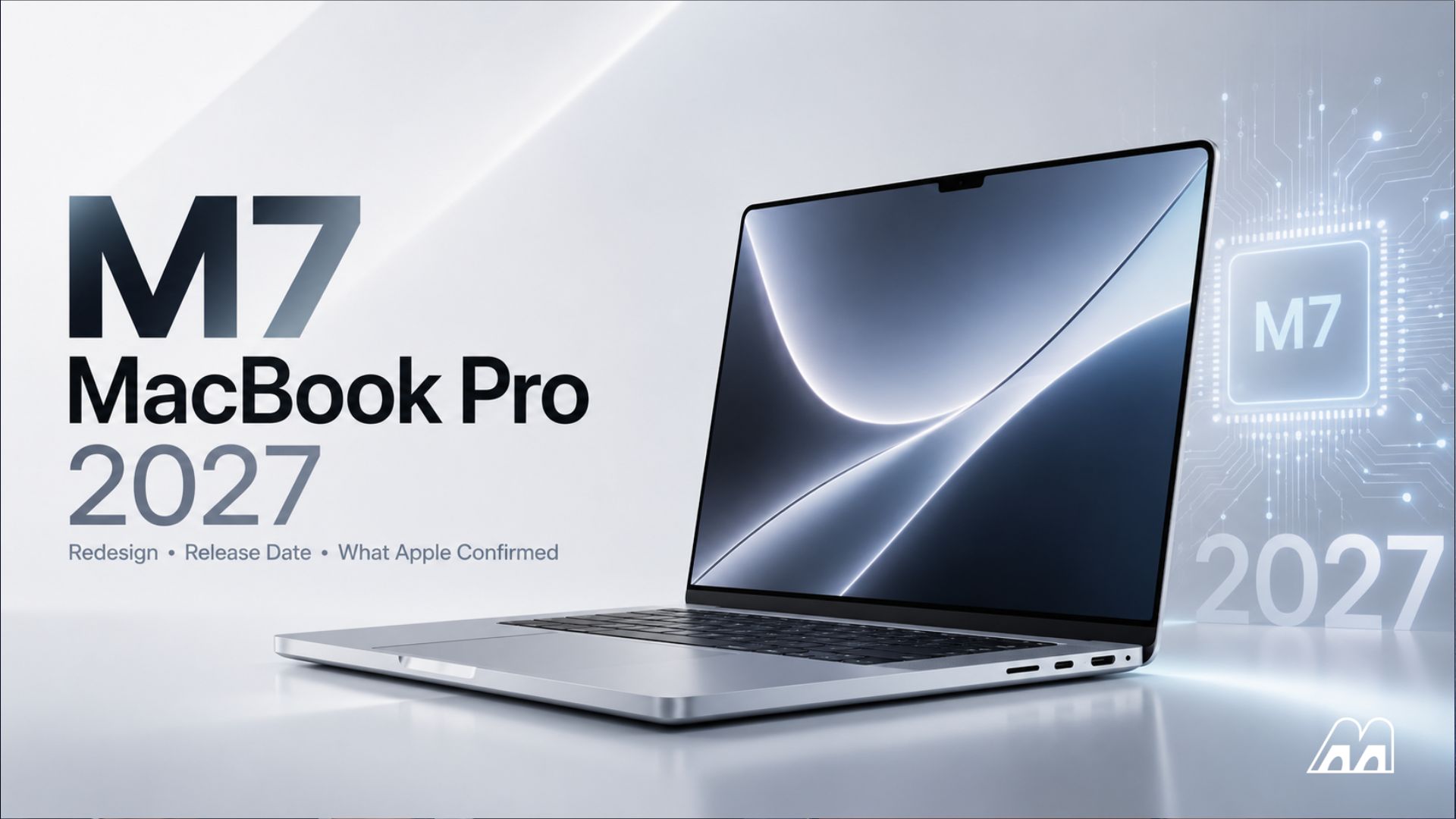
Why the rush? The answer is simply that Apple has reached a firm conviction that the AI improvements planned for the M7 generation will be so revolutionary and massive that wasting time completing the M6 family is economically and technically unfeasible. What is remarkable here is the incredible speed; the company began finalizing the M7 processor design just six months after finishing the M6 chip design, which illustrates the intensity with which the closed development rooms inside Cupertino are managed. Macs equipped with the new M7 chips are expected to begin rolling out in the first half of 2027.
This acceleration is not just a desire to boast about numbers, but a direct response to the pressures and intense competition Apple faces in the sector of protecting its hardware secrets and developing its independent software ecosystem. With the constant effort to protect its technological designs from being leaked or exploited by competitors, Apple seeks to impose absolute control by offering processors with superior capabilities for processing large language models locally on its devices without relying on the cloud, which enhances user privacy and data security like never before.
M7 Ultra and unprecedented super-capabilities for servers and desktops
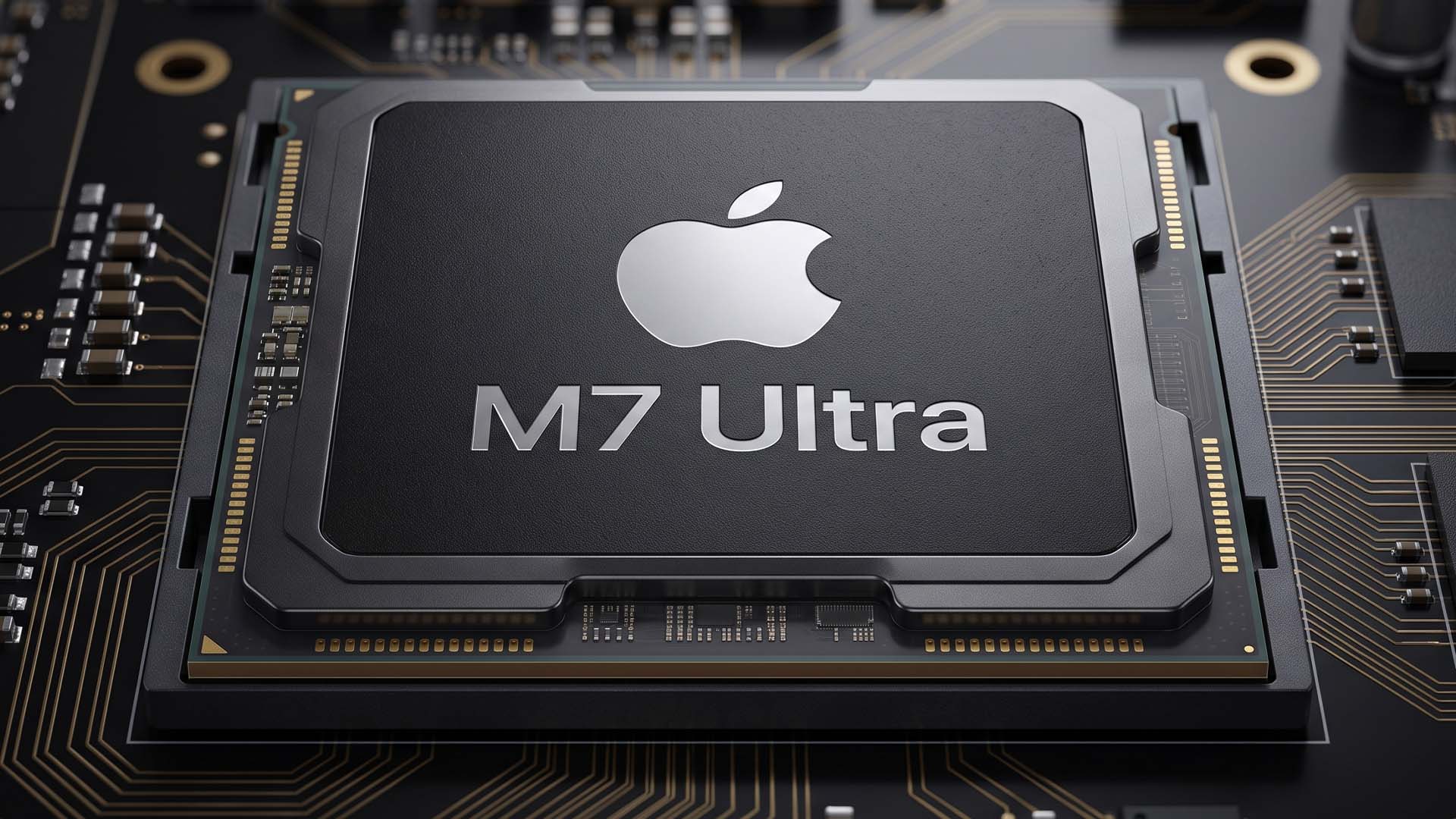
The intense focus on AI does not stop at mobile devices, but extends strongly to the giant M7 Ultra chip, which is being designed specifically to provide terrifying performance in processing complex AI algorithms. This high-end desktop chip may support up to 1.5 terabytes of unified memory, although final configurations will certainly depend on the availability and pricing of components at that time. To meet immediate needs, Apple also plans to deploy a more powerful AI server platform based on M5 Ultra processors first, before later moving completely to the M7 Ultra-based design to manage the infrastructure of its intelligent services.
This massive expansion in infrastructure and internal hardware enhances Apple’s ability to integrate its services into various aspects of users’ daily lives, just as it did with fast payment features and the intelligent systems we see in retail stores and the seamless interaction with future Apple accessories like the Apple Pencil and other innovative accessories that require ultra-fast response and immediate data processing to work with extreme precision.
What will we see in the waiting period? A touchscreen MacBook and the mysterious M8 chip
Until the M7 storm arrives, how will Apple fill this time gap? Reports indicate that the company will rely on M5 Pro and M5 Max processors to power the first MacBook Pro with a touchscreen, which is planned for release between late 2026 and early 2027.
But that’s not all! The eye is always on the distant future; work has already begun behind the scenes on developing the future M8 processors, which carry a mysterious codename: “Soko”. These processors are expected to move to a tiny 1.4-nanometer manufacturing process by 2028, promising energy efficiency and imaginary performance that will put Macs, Apple Watch Ultras, and the entire Apple family on a completely different level of intelligent power.
This new direction and the boldness in changing established plans prove that Apple no longer views AI as just an additional feature or a passing software update, but as the backbone upon which all its future products and services will be built. It is an entirely new phase where superior hardware overlaps with intelligent software to provide a user experience we have never seen before.
With these amazing developments in the minds of our upcoming devices, it seems the wait will be full of excitement and surprises that may redefine our relationship with our personal computers forever.
Source:



Leave a Reply