Throughout the previous years, there was a prevailing belief that the lifespan of an iPhone should not exceed two or three years at most before it starts working slowly and its performance becomes less than usual. However, that rule no longer applies to modern devices. The iPhone is now capable of lasting for years without its owner feeling that it has become an old device. The question here is, what has changed in the iPhone to make its lifespan extend for many years? You will find the answer in this article, where we review how many years an iPhone can last with you and when upgrading becomes an inevitable choice.
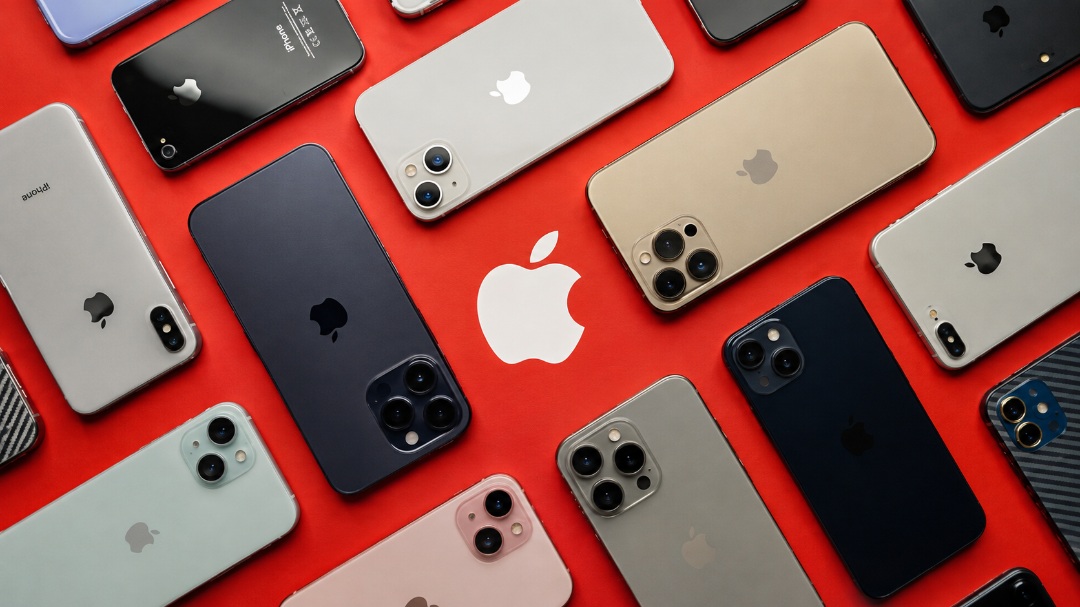
The Beginnings of the iPhone
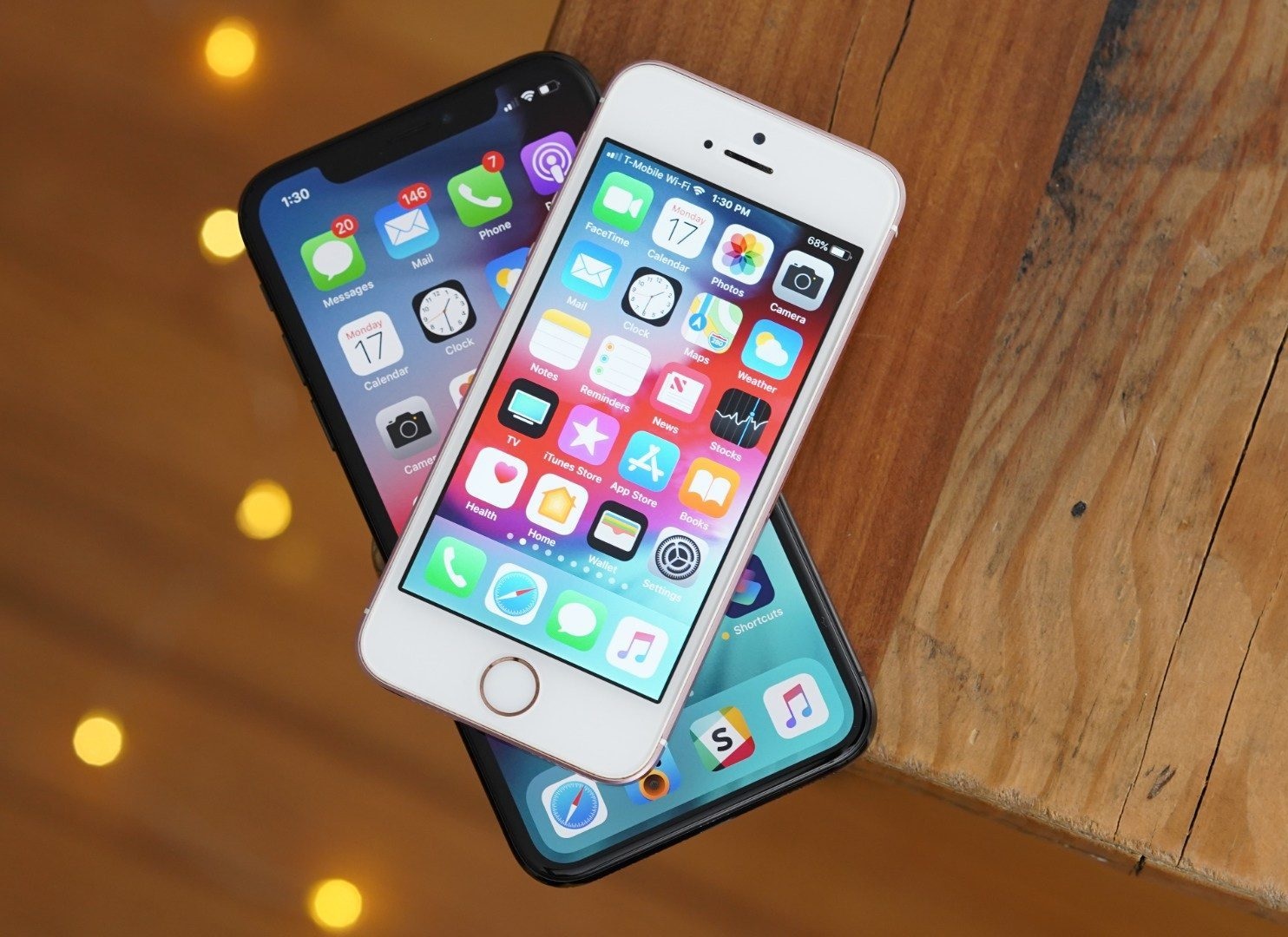
More than a decade ago, Apple was adding new technologies to its devices at a rapid pace, which made upgrading seem necessary for those who wanted to keep up with the latest features. For example, anyone who wanted to try Touch ID had to switch to the iPhone 5s, while getting Face ID meant buying an iPhone X.
Not only that, older phones would lose a noticeable part of their speed after a few years, especially with the arrival of newer versions of the iOS system. For this reason, users between 2007 and 2012 would keep their iPhone for a period ranging from two to three years before thinking about buying a new phone.
Why do users keep their iPhones for longer?
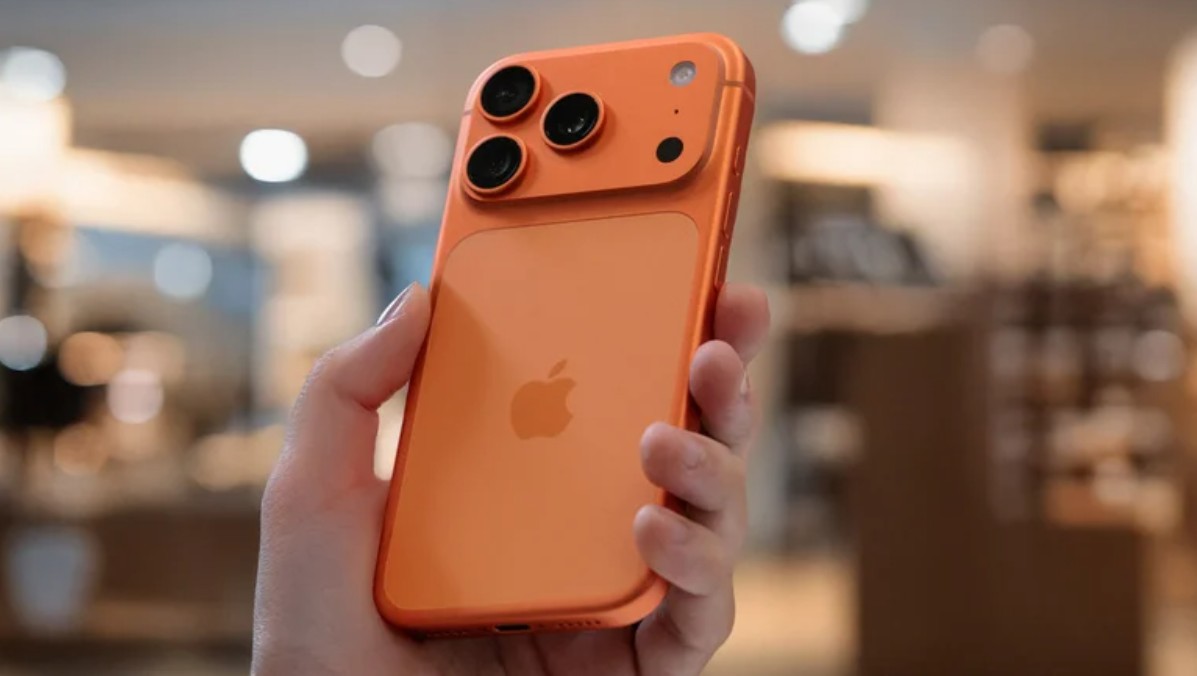
In recent years, the equation has changed significantly. Modern iPhones have become more powerful and are capable of running applications and new versions of the operating system for many years without the user feeling a significant decline in performance.
At the same time, telecommunications companies (in America) no longer offer the massive financial support that made buying a new phone every two years tempting. With the rising cost of devices, keeping the current phone for a longer period has become a logical choice for many users.
User experiences clearly illustrate this shift. There are users who moved from a two-year upgrade cycle to three years, and then the period became much longer as devices improved.
One notable example is the experience of a user who kept an iPhone 11 Pro, which they bought in late 2019, until 2025, before switching to the iPhone 17. This means they used the phone for six full years, a duration that was not common in the early years of the iPhone era.
Before that, they needed three years to move from the first-generation iPhone SE to the iPhone 11 Pro, and thus their upgrade pattern changed from approximately two years to three years, and eventually reached six years.
User Experiences
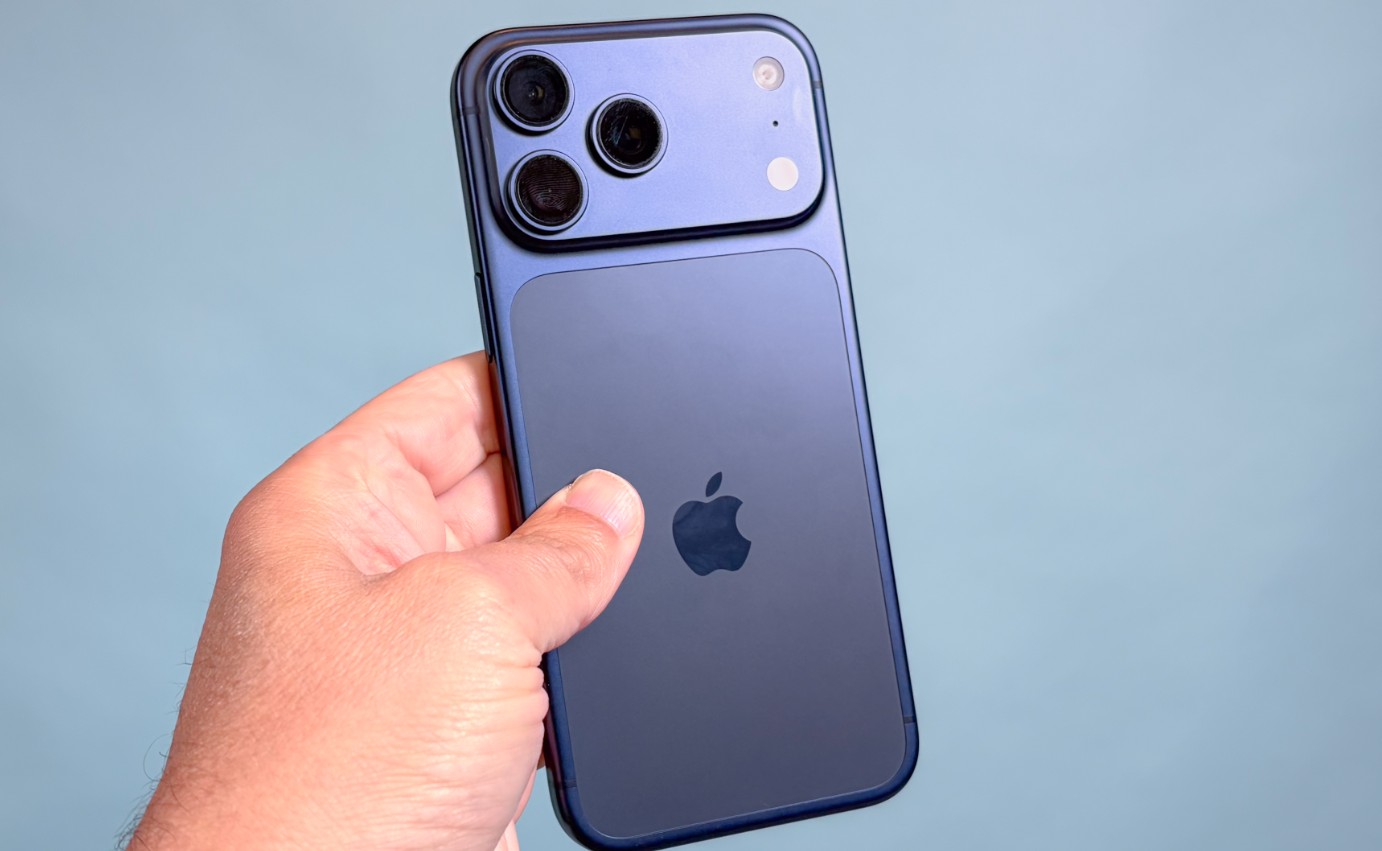
This experience is not an isolated case. In a survey conducted on Reddit several years ago, a large number of Apple phone owners stated that they usually keep their devices for a period ranging from 3 to 4 years.
Interestingly, some of these users were not actually forced to buy a new phone, as their devices were still working well. However, issues such as a damaged charging port or a broken screen sometimes prompted them to make the decision to upgrade.
Conversely, there are users who managed to keep their devices for up to 8 years, although these cases remain an exception compared to the more common duration. Some users also believe that replacing the battery can be a practical solution to extend the life of the phone. Instead of spending a large amount on a new device, replacing the battery can restore a large part of the phone’s capacity and give it additional years of use.
Extending the Upgrade Cycle
It might seem logical that users keeping their phones for longer periods would negatively affect Apple’s revenue, but the financial results were the opposite of this scenario. In the second fiscal quarter of 2026, the company recorded revenue of $111.2 billion, achieving a new record for second-quarter revenue. This means that extending the lifespan of devices did not prevent Apple from achieving strong financial results, even with the reduced need to replace phones at a rapid pace as was the case in the past.
The iPhone has become more durable
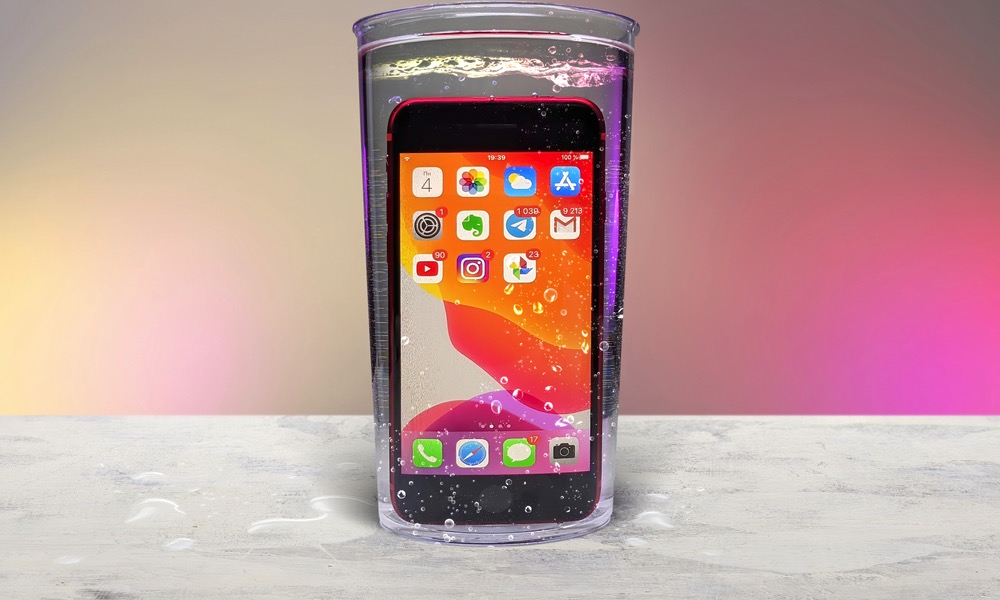
There is another reason that explains why iPhones are kept for many years, which is the significant development in the quality of device manufacturing and their resistance to daily factors. Let’s take water and dust resistance, for example. iPhones up to the iPhone 6s did not have an official IP rating for water and dust resistance, which made exposure to liquids more dangerous during daily use. But the situation changed with the iPhone 7, which was Apple’s first device to have water resistance and received an IP67 rating.
Then Apple raised the level of protection with the iPhone XS, which came with an IP68 rating and was able to withstand immersion in water at a depth of up to two meters for 30 minutes. The improvements did not stop there. All Apple phones starting from the iPhone 12 have an IP68 rating, with the ability to withstand immersion in water up to a depth of 6 meters for 30 minutes.
Modern phones have also become more resistant to shocks and drops thanks to improvements such as Ceramic Shield and stronger structures. As a result, dropping the phone or exposing it to a minor shock is no longer necessarily a sufficient reason to think about buying a new device as it used to be.
Has the idea of a “new iPhone every year” changed?
The answer is yes. An annual or even biennial upgrade is no longer a necessity for most users. A modern phone combines a powerful processor, better manufacturing quality, and higher resistance to water and shocks, along with software support that extends for years. Many companies in the phone market have also begun to commit to providing software updates for at least five years, which reduces the need to change the device just to get the latest operating system. For a user whose phone works efficiently, receives system updates, and has a battery that is in good condition or replaceable, continuing to use it for several years may be more logical than upgrading just to own the latest version.
In the end, owning a new iPhone every year or two is no longer an urgent necessity as it was in the past. Modern devices have become capable of continuing to work efficiently for longer periods. Also, good usage habits, such as keeping the system updated, avoiding behaviors that strain the battery, and taking care to clean the phone periodically, can help extend its life. With battery replacement when needed, the iPhone can continue to provide good performance for many years without the need to spend a lot of money on buying a new phone.
How many years has your iPhone lasted with you? Share your experience in the comments!
Source:
Leave a Reply