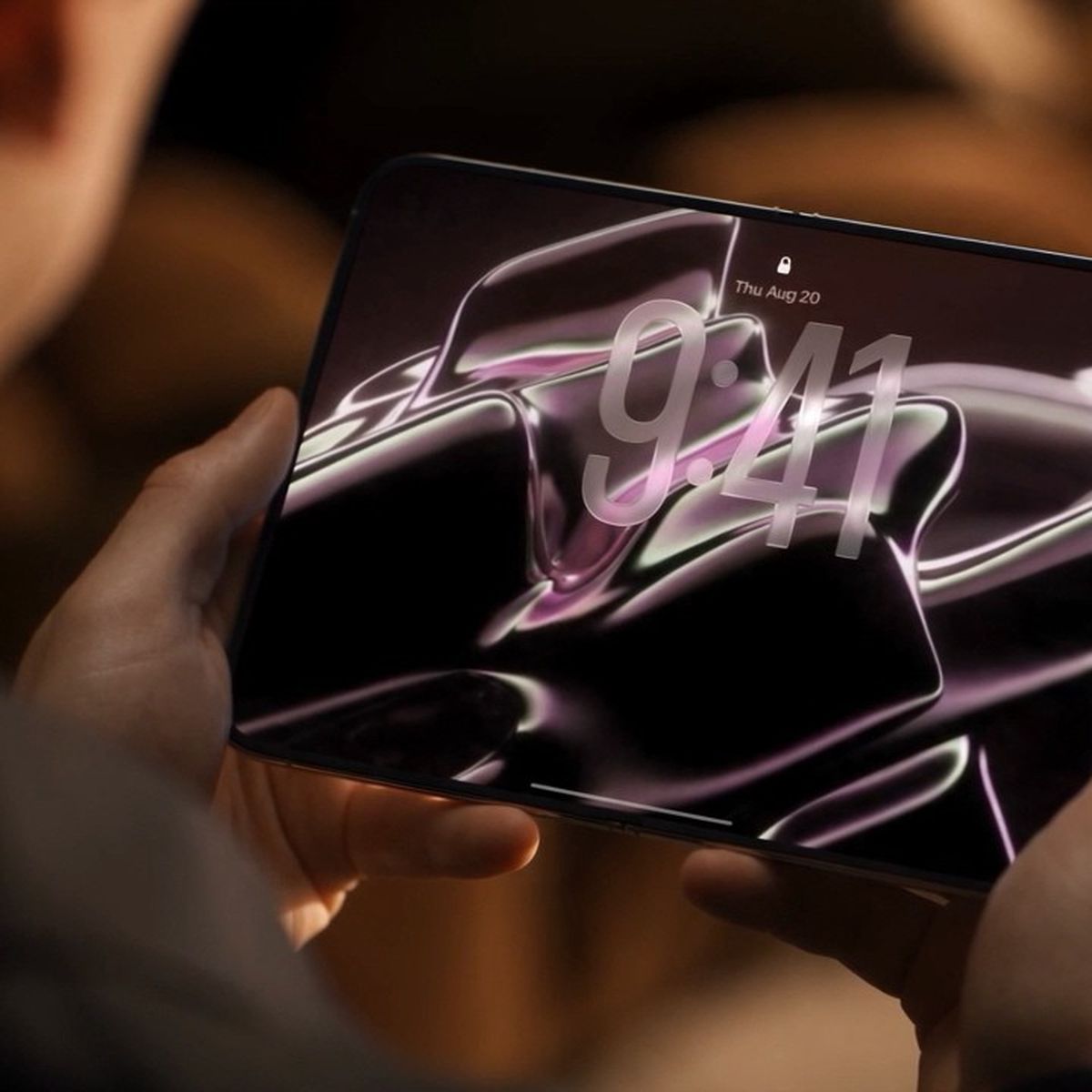
Shocking numbers.. Three out of four reject the idea
The survey was conducted by the CNET network in collaboration with the YouGov platform and included 2,605 adults in the United States. Its results were clear and unambiguous: 75% of participants do not care about Apple’s foldable phone and find no motivation to purchase it. This indifference was not limited to a specific age group but extended across various generations, even if the percentages differed slightly.
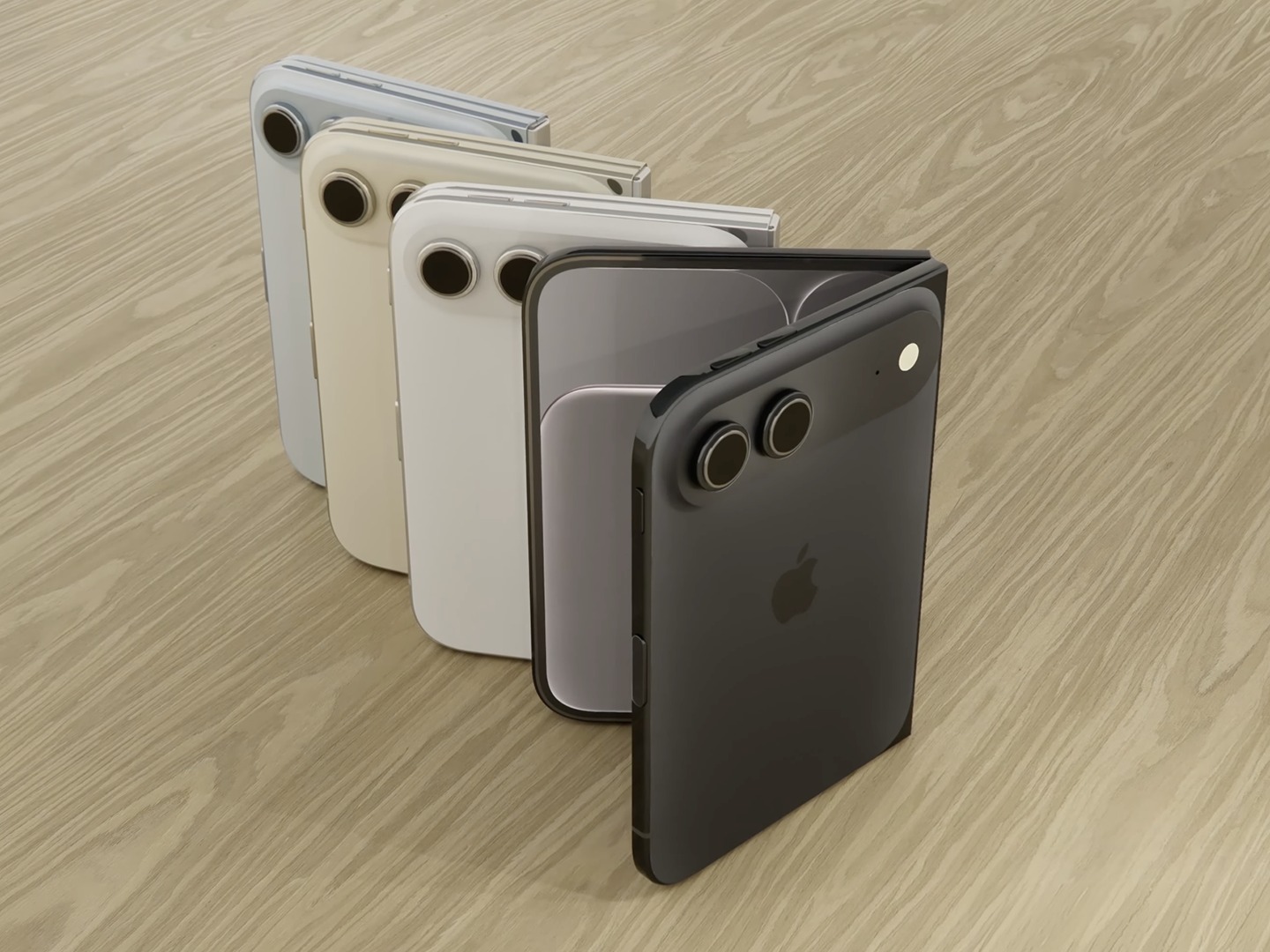
The data showed that Baby Boomers and Gen X were the most reluctant, at 83% and 77% respectively. Even among groups most passionate about modern technology, such as Gen Z and Millennials, 69% and 68% said they would not consider buying this phone. Nevertheless, some analysts believe that the remaining 25% of interested users represent a good initial base for a category of devices that is still considered specialized and elite in the smartphone market.
The price gap: Apple’s rosy dreams collide with consumer pockets
The surprises did not stop at the barrier of desire; they extended to include the ability and willingness to pay. Leaks suggest that the price of a foldable iPhone could easily exceed the $2,000 mark. In contrast, the survey revealed that the average amount an ordinary user is willing to pay does not exceed $781, a figure even lower than the starting price of the base iPhone 17, which is $799.
Gen Z was the most generous in estimating the price, with an average of $919, followed by Millennials at $859, while Gen X dropped to $690, and Boomers trailed the list with only $572. This massive gap between the expected price and buyer expectations confirms that the device, if it sees the light of day soon at this cost, will remain confined to a very narrow segment of extreme luxury enthusiasts.
The upgrade crisis and rising prices in the tech market
The survey also shed light on general purchasing behaviors in light of rising global prices; 41% of consumers stated that they are rethinking their upgrade plans due to continuous price increases, especially after Apple’s move to raise the prices of some of its devices affected by the memory chip shortage crisis, amid expectations of price hikes for the upcoming iPhone 18 Pro series.
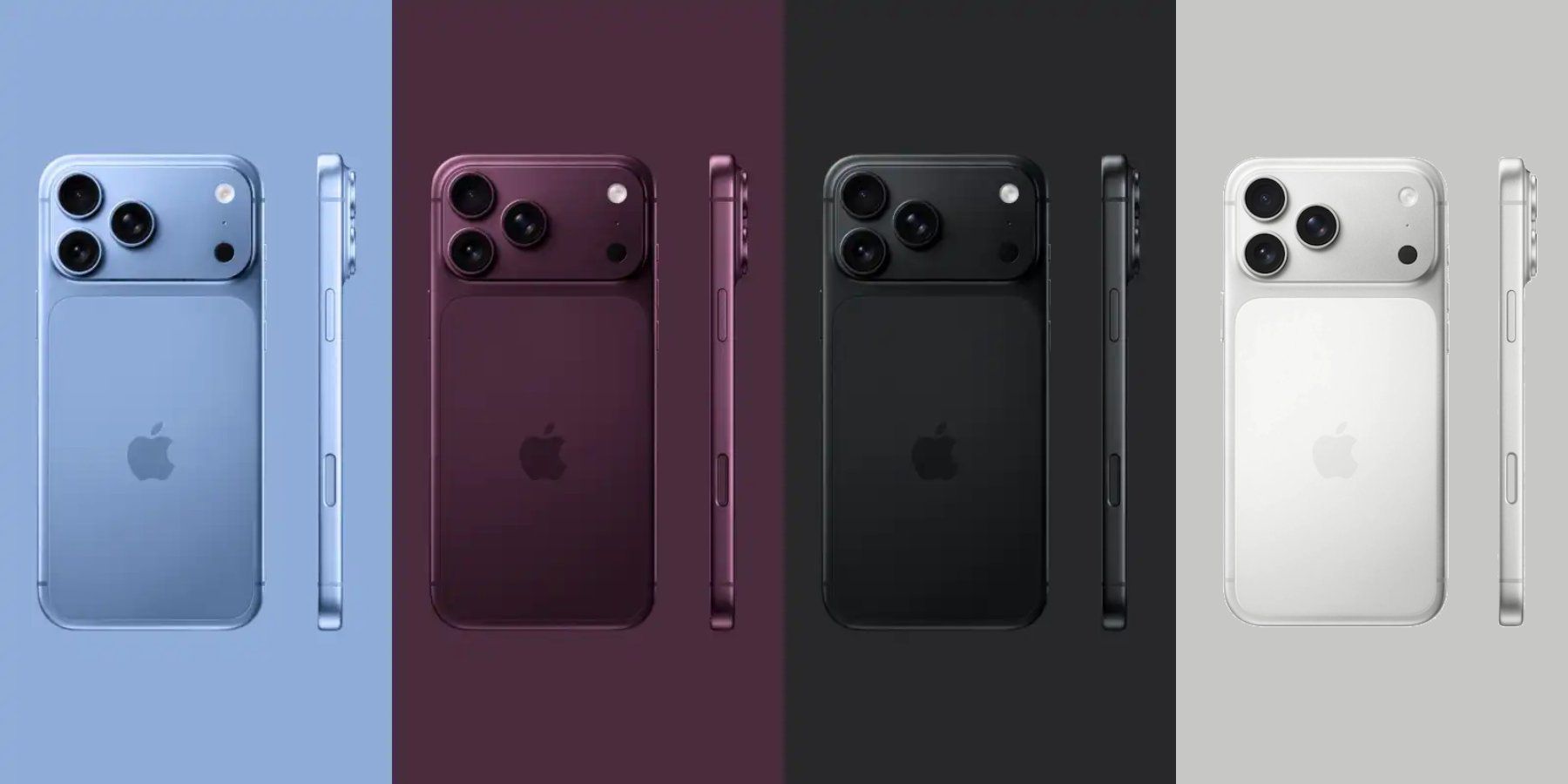
In light of these financial pressures, consumers are turning to alternative options to maintain their budgets:
- Seeking budget alternatives: 5% are considering buying older or cheaper models.
- Changing brands: 4% are seriously considering switching to competing brands.
- Refurbished devices: 4% are looking into the used and refurbished phone market.
- Relying on offers: 9% will not upgrade unless trade-in offers or carrier deals cover the entire cost.
- Sticking with the current phone: 22% explicitly stated they have no intention of upgrading soon, no matter how impressive the devices Apple releases are.
These facts place Apple before a real challenge; design innovation alone is no longer enough to attract the majority, and the foldable screen experience will not justify a device that costs more than double what the consumer is willing to spend, which forces the company to provide indispensable practical features that justify this astronomical price.
Source:

Leave a Reply