When Apple unveiled the first iPhone in 2007 with a 3.5-inch screen, that size was enough to change the phone industry forever. However, as technologies evolved and consumption habits changed, a race to increase screen sizes ignited, reaching four, then five, and eventually exceeding six inches to become the standard in everyone’s pockets. Although Apple kept pace with this trend strongly, it tried at one point to break this rule and offer a comfortable one-handed experience by launching the iPhone 12 mini and then the iPhone 13 mini. They were distinctive and incredibly elegant phones, but they quickly faded from view and Apple stopped producing them. So, what happened behind the scenes?

Apple’s equation with smaller phones and supply chain challenges
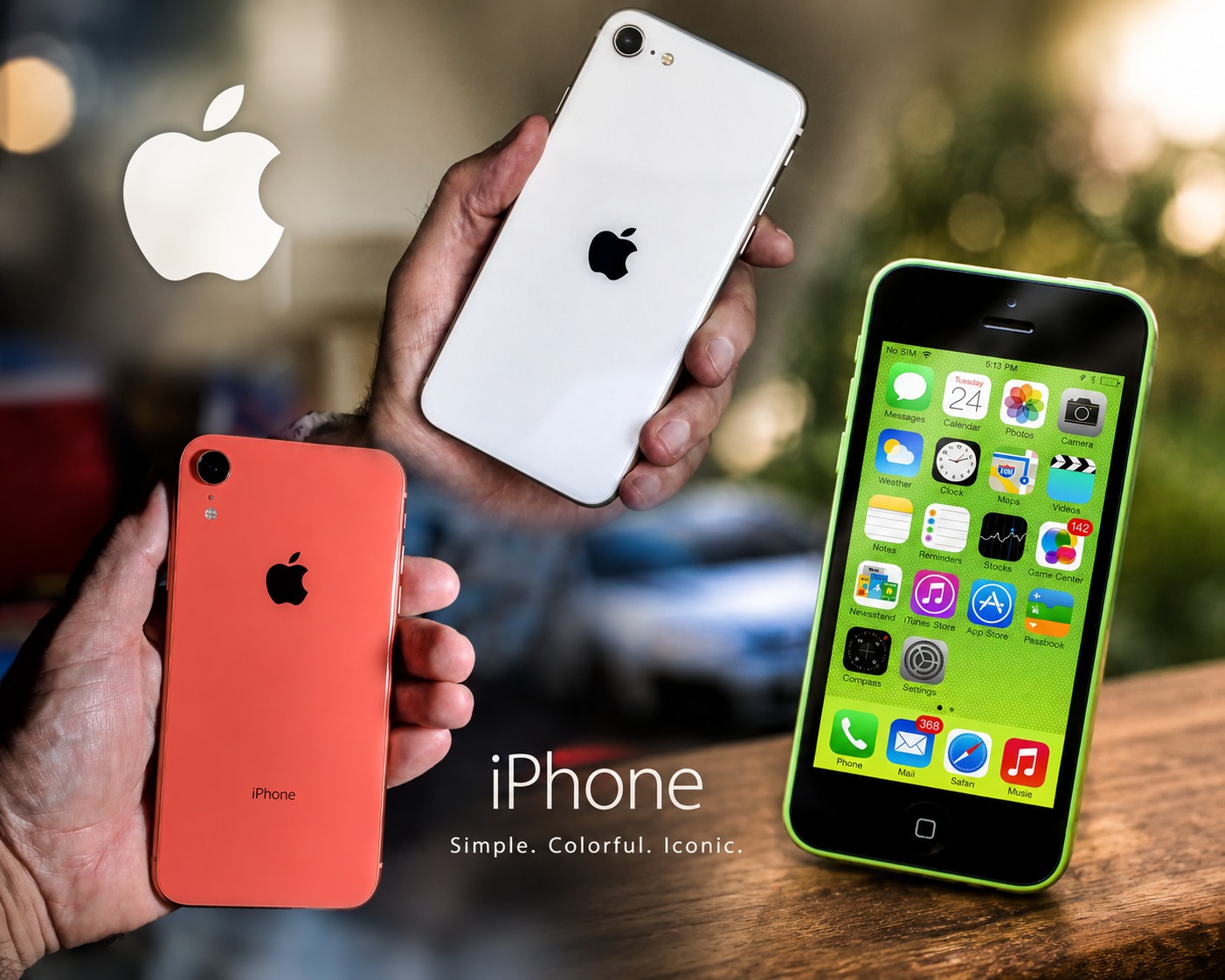
Historically, Apple has not treated lower-priced phones or those aimed at specific segments in the same way it manages its flagship devices. For example, the iPhone 5c faced sharp criticism due to its plastic chassis despite acceptable sales, while the iPhone XR achieved great success as an affordable option with a full-screen design, but it did not turn into a standalone, continuous series. As for the iPhone SE series, its strategy has always relied on reusing the chassis and parts of previous generations, which allowed the company to utilize old production lines to serve the segment of users looking for lower prices.
It was expected that this mini series would carry the banner and offer a flagship phone experience in a compact size and at a reasonable price, but the real problem lay in costs and design. The mini phones were not just a recycling of old chassis; rather, Apple designed a completely custom 5.4-inch chassis for them, which required allocating supply and production lines that were additional and completely separate from the lines dedicated to the more popular 6.1 and 6.7-inch models. This imposed an operational burden that was not feasible unless accompanied by strong sales to compensate for this investment.
Shocking sales figures and the end of the small screen era
The truth did not take long to reveal itself; just six months after the launch of the iPhone 12 mini, Nikkei Asia reports revealed that Apple had significantly reduced its production targets for the phone. Market research data from CIRP showed that the iPhone 12 mini accounted for only 4% of total iPhone sales during the summer of 2021, while the iPhone 13 mini achieved about 2% in its first week, with its share later rising to 4% while its predecessor’s share fell to just 1%. These are very modest figures that do not compare to the popularity of the larger models.
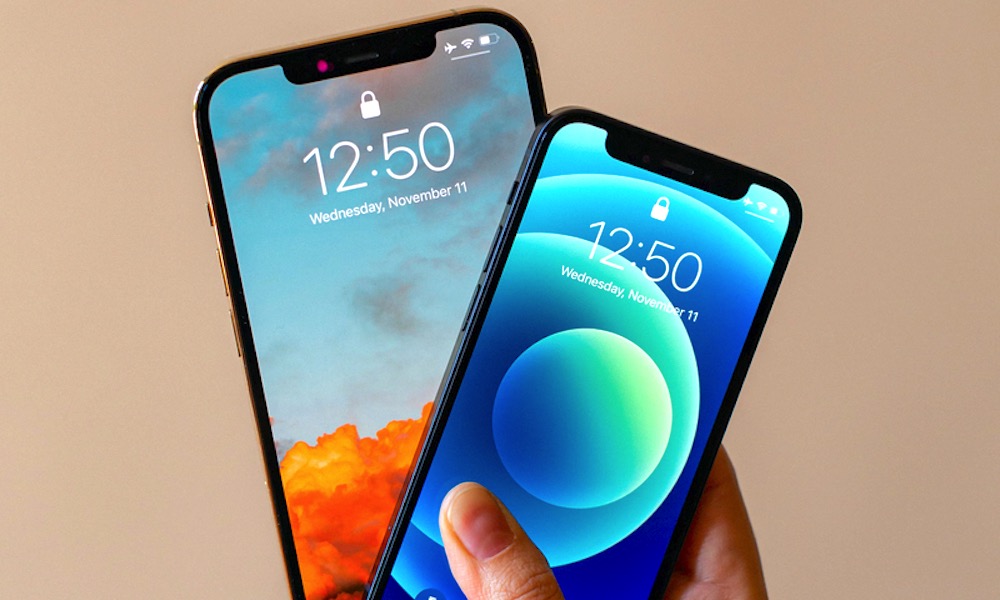
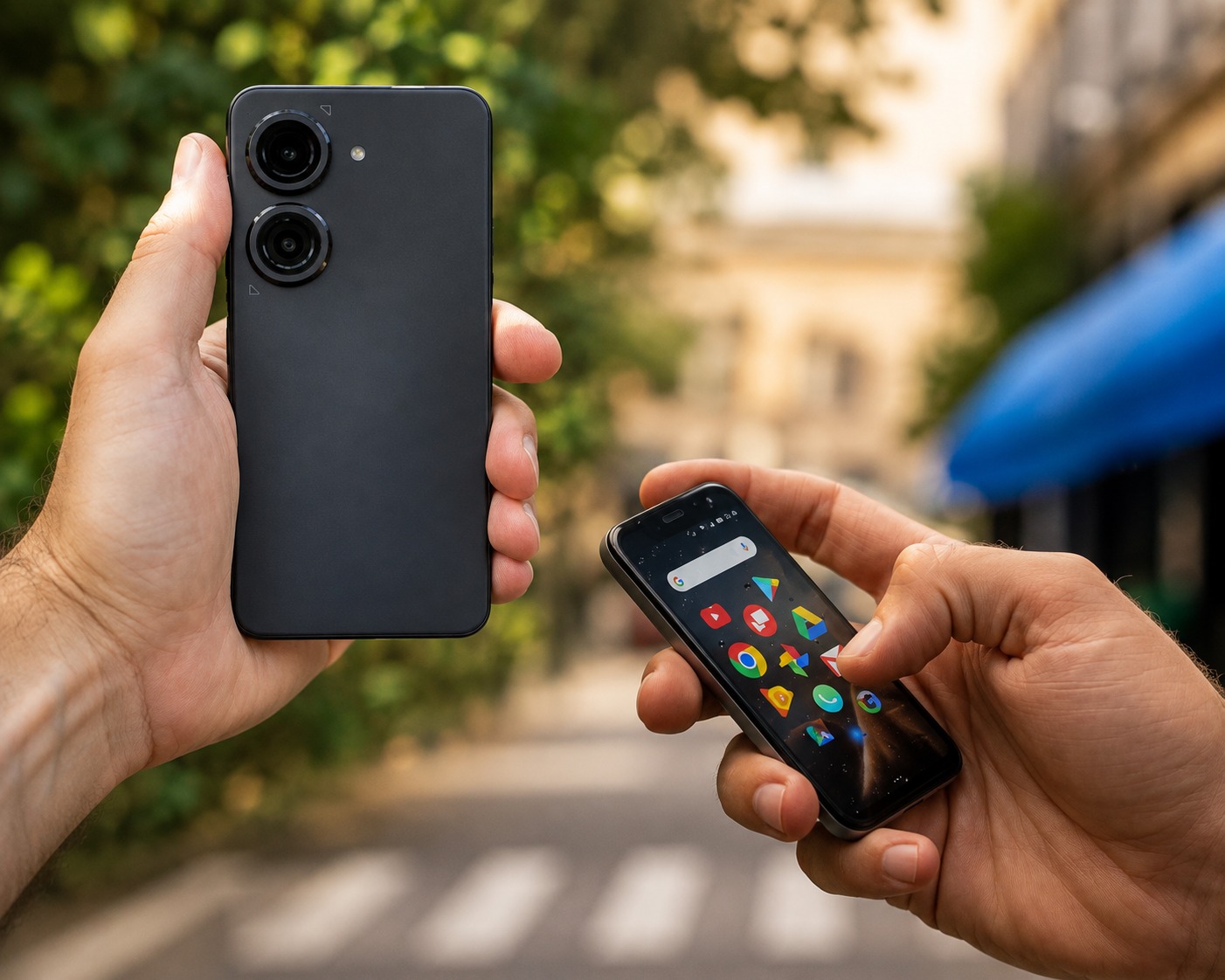
Faced with these disappointing figures and separate manufacturing costs, Apple officially stopped selling the mini series in September 2023 without any indications of an intention to revive it. Apple was not alone in this fate; the few attempts in the Android world to offer small phones, such as the 3.3-inch Palm device in 2018 or Asus’s ZenFone phones at 5.9 inches, faced similar ends.
Although fans of small phones are saddened to bid farewell to the 5-inch category, the market and company compass have made their decision to focus on large screens and foldable phones.
Source:

Leave a Reply