For many years, the competition between Samsung and Apple was not just a race for phone sales. It was a relationship of a different kind, where each company pushed the other to offer something new and different. From screens and cameras to design and foldable phones, we have always been accustomed to seeing each side try to leave its mark and force the other to catch up. But it seems the rules of the game are starting to change. With recent leaks about the latest phones from the Korean giant, it is clear that Samsung is no longer just imitating Apple—it is becoming Apple itself. In this article, we will take you on a quick tour to explore why Samsung has lost its identity and whether it is becoming a copy of Apple.
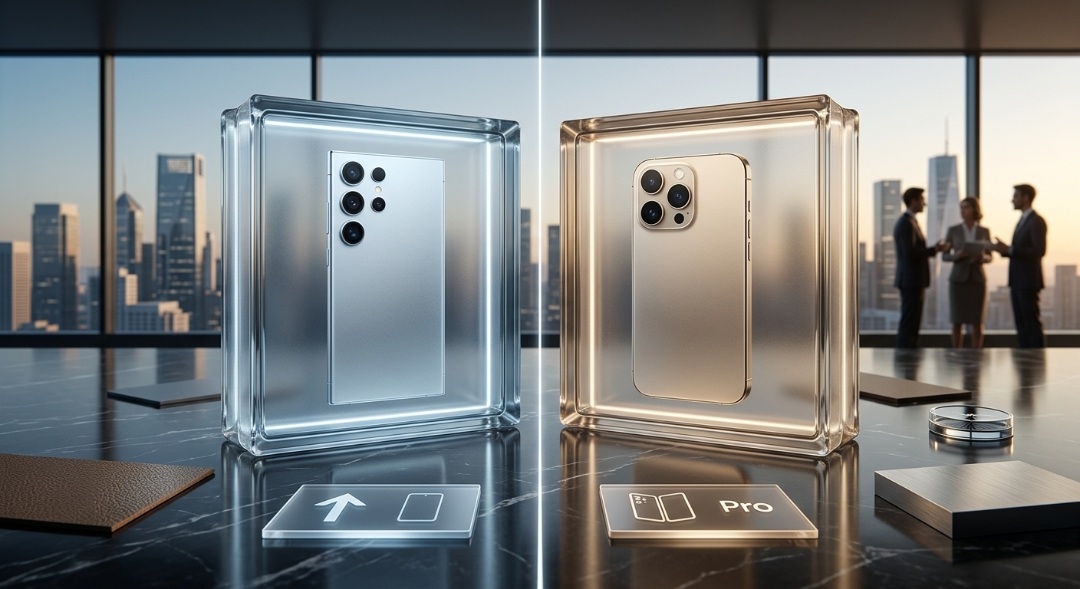
Samsung’s latest phones
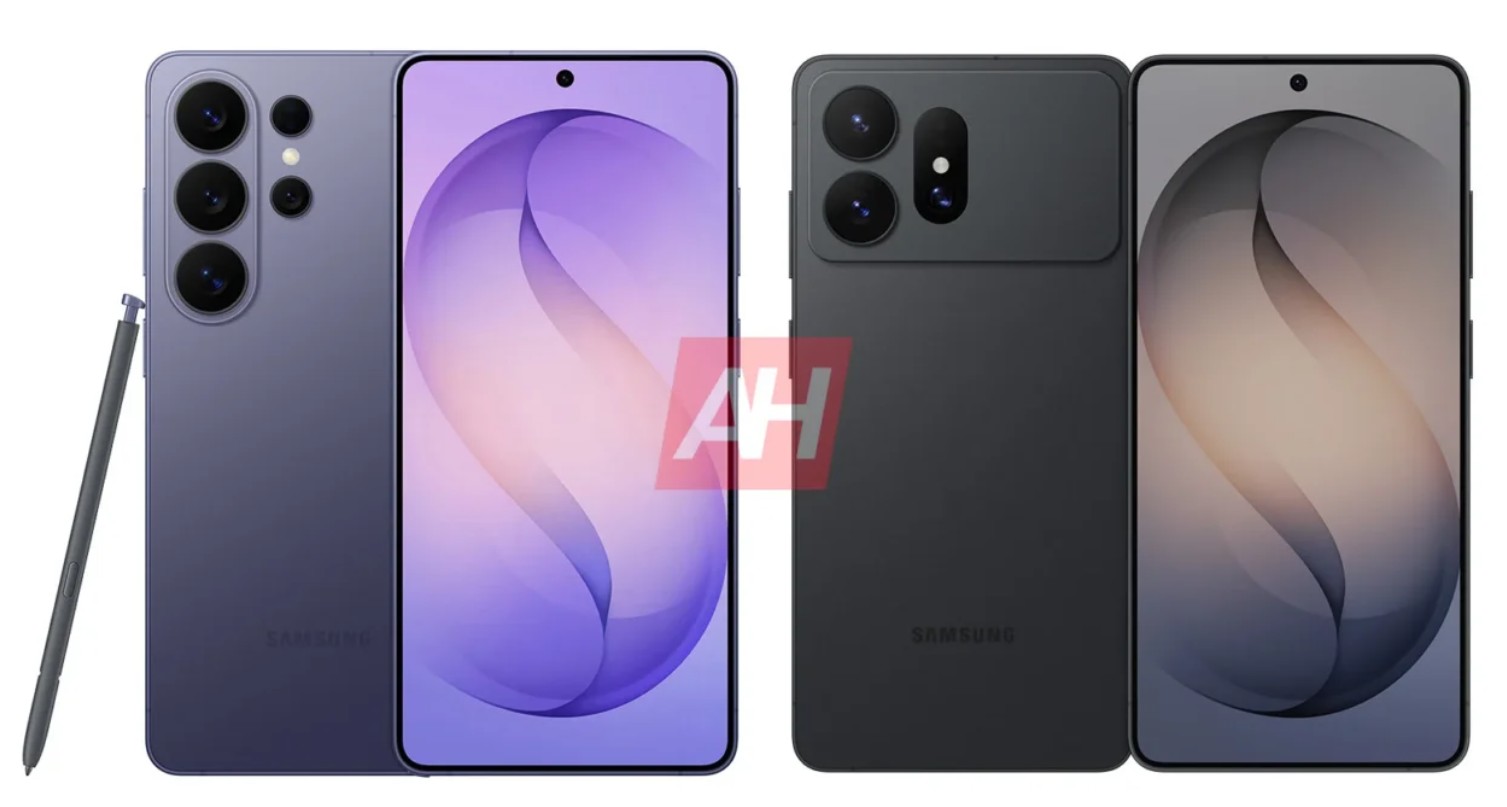
According to leaks, the Galaxy S27 Ultra may abandon the individual protruding camera design that Samsung has adopted for years, in favor of a wide horizontal bar that extends across the back of the phone and houses the cameras. If these projections are correct, it would be a major change compared to previous generations, but at the same time, it makes the phone look more like an iPhone. The problem is not that Samsung decided to change its design—innovation was indeed needed, especially since the company has faced criticism for relying on a single design language for too long. However, moving to a new shape does not seem like an innovative step to some as much as it seems like an attempt to follow the path chosen by Apple.
Galaxy phone design
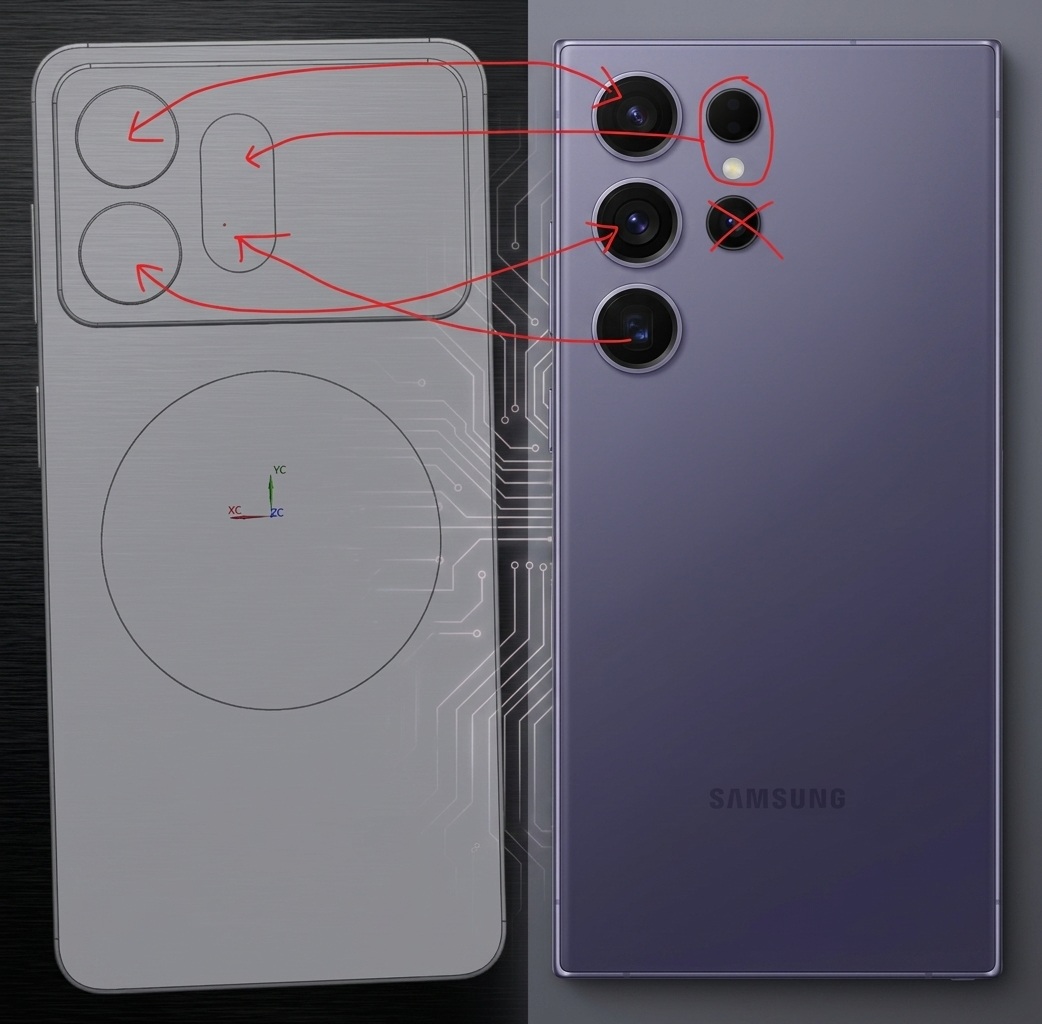
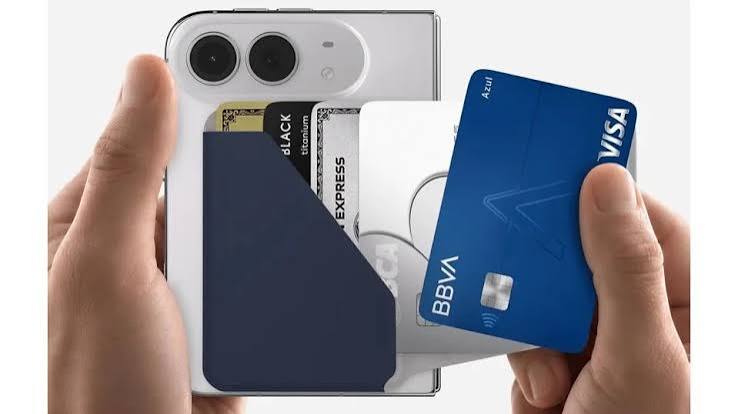
Samsung may have a strong practical reason for redesigning the back. The current camera arrangement has caused an issue with magnetic accessories. The protruding rings around the lenses interfere with charging discs and magnetic wallets, forcing users to rely on external cases that contain magnetic rings to take advantage of a MagSafe-like accessory ecosystem.
With Samsung moving toward supporting Qi2 and built-in magnetic charging, it was natural to rethink the design of the rear area. But that does not necessarily mean copying the shape adopted by Apple. There are other phones that support Qi2 without trying to imitate Apple, such as Google Pixel phones.
This is where the importance of design appears more than it might seem. Samsung spent years building a simple, easily recognizable visual identity, and it was easy to distinguish a Galaxy phone from its competitors even from a distance. But abandoning this identity might make its products less distinct in a crowded smartphone market.
Samsung as a copy of Apple
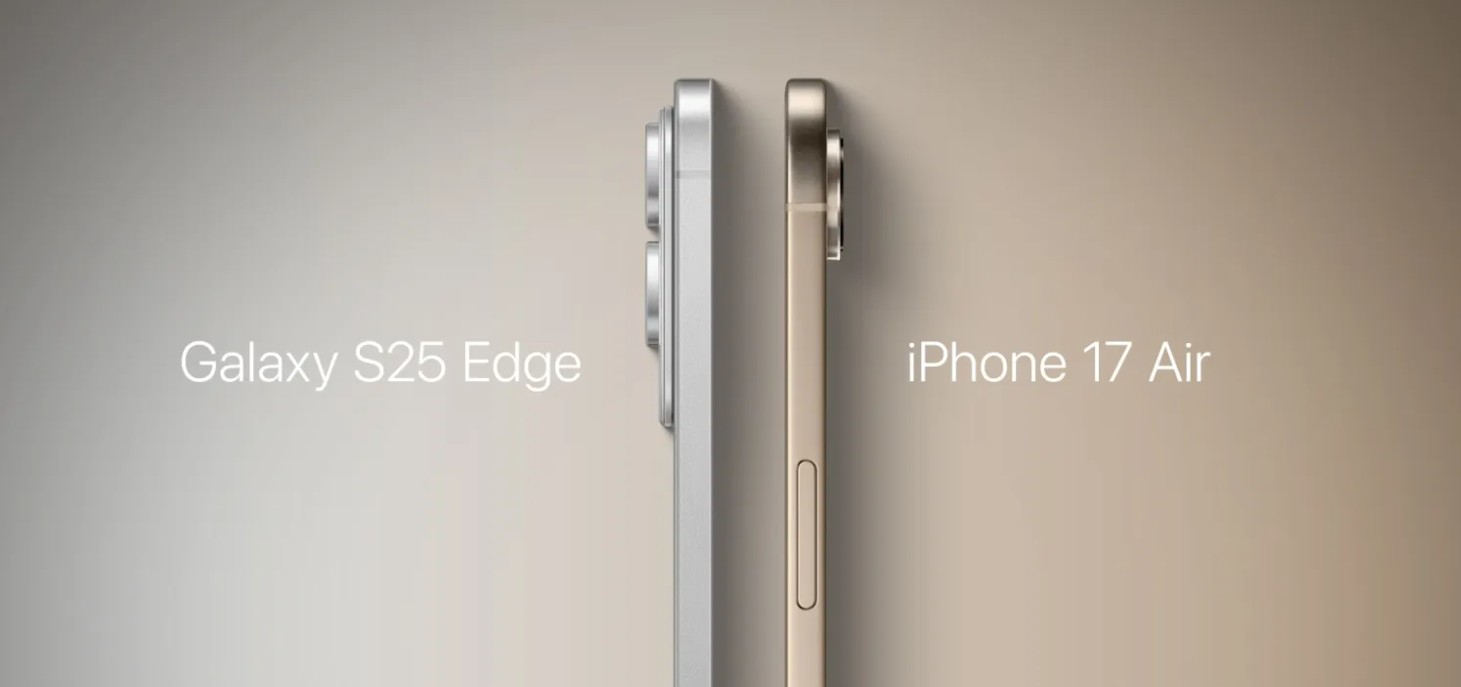
What makes the matter more controversial is that the S27 Ultra design is not the only example suggesting that Samsung has started moving after Apple instead of ahead of it. When rumors appeared about Apple developing an ultra-thin iPhone, reports followed about a thin Samsung phone until the Galaxy S25 Edge was launched. And when speculation began about Apple moving toward wider screens in its future foldable phones, Samsung suddenly began leaning toward wider external screens in its devices. That is why the Samsung Galaxy Z Fold 8 features a wider aspect ratio.
Of course, each case could be explained separately, and some of these developments might just be a natural response to changing user needs. But when we look at all these changes, we realize immediately that Samsung, which used to innovate first and push Apple to catch up, now seems more willing to watch its competitor’s moves and then act afterward. This shift seems even stranger given Samsung’s own history. The company was one of the most prominent contributors to the spread of large-screen phones, and it was one of the first companies to push curved screens and foldable phones toward widespread commercial use.
But the phone market has changed. Foldable phones still represent a limited percentage of global sales, while the average user remains attached to traditional phones, especially with rising prices. With the growth of foldable devices slowing down, it seems Samsung has become more cautious about trying revolutionary ideas with its flagship phones.
Finally, the problem is not that Samsung might have drawn inspiration from Apple. Even the maker of the iPhone has previously benefited from ideas that appeared with its competitors. But the more interesting question is: has Samsung started to lose its boldness and ability to innovate new ideas? Or has it become more cautious and satisfied with what it has achieved? Perhaps it is just an attempt to beat Apple to the market with similar products before the latter reveals its next move, in the hope of achieving success first. In any case, we will know in the coming period what is really going on in the mind of the Korean giant, and whether its new steps are part of a calculated vision or the beginning of a larger shift in its identity.
In your opinion, is Samsung still innovating its own path, or has it started following in Apple’s footsteps? Tell us in the comments!
Source:
Leave a Reply