As soon as pre-orders opened for the foldable iPhone Duo, the unthinkable happened: within just one minute, scheduled delivery dates began to slip with unprecedented speed. The biggest surprise was that some users who completed their orders within the first five minutes found themselves facing delivery dates stretching into January of the new year! Naturally, paying a high price in October for a revolutionary device only to be told to wait for more than two and a half months is extremely frustrating. While some analyses were quick to describe the device’s launch with such limited stock as a fatal strategic error, a closer look at the details reveals a completely different side; this crisis, despite being bitter for the user, is both a blessing and a curse for Apple.
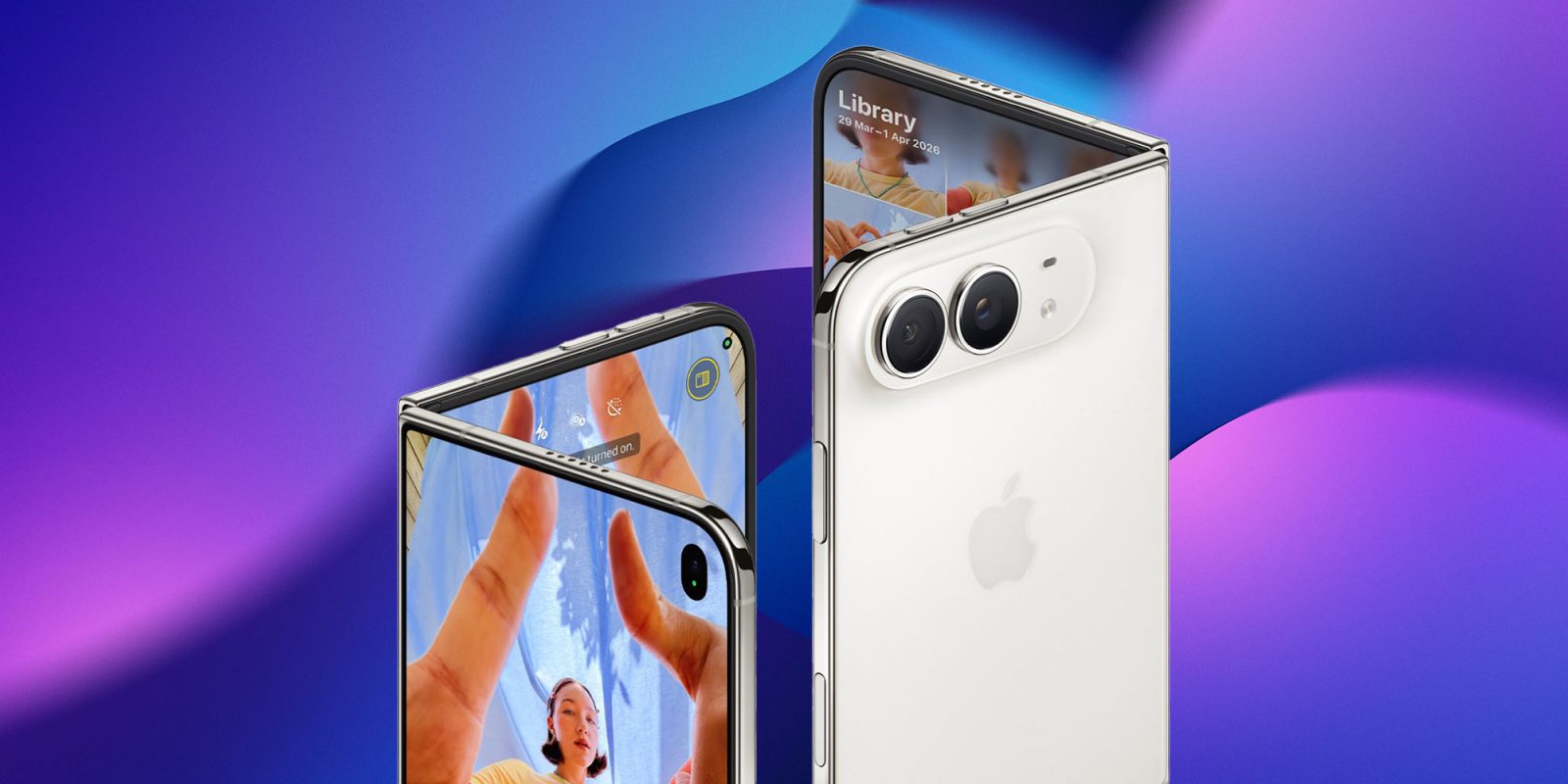
The supply and demand equation: An inevitable dilemma for Apple
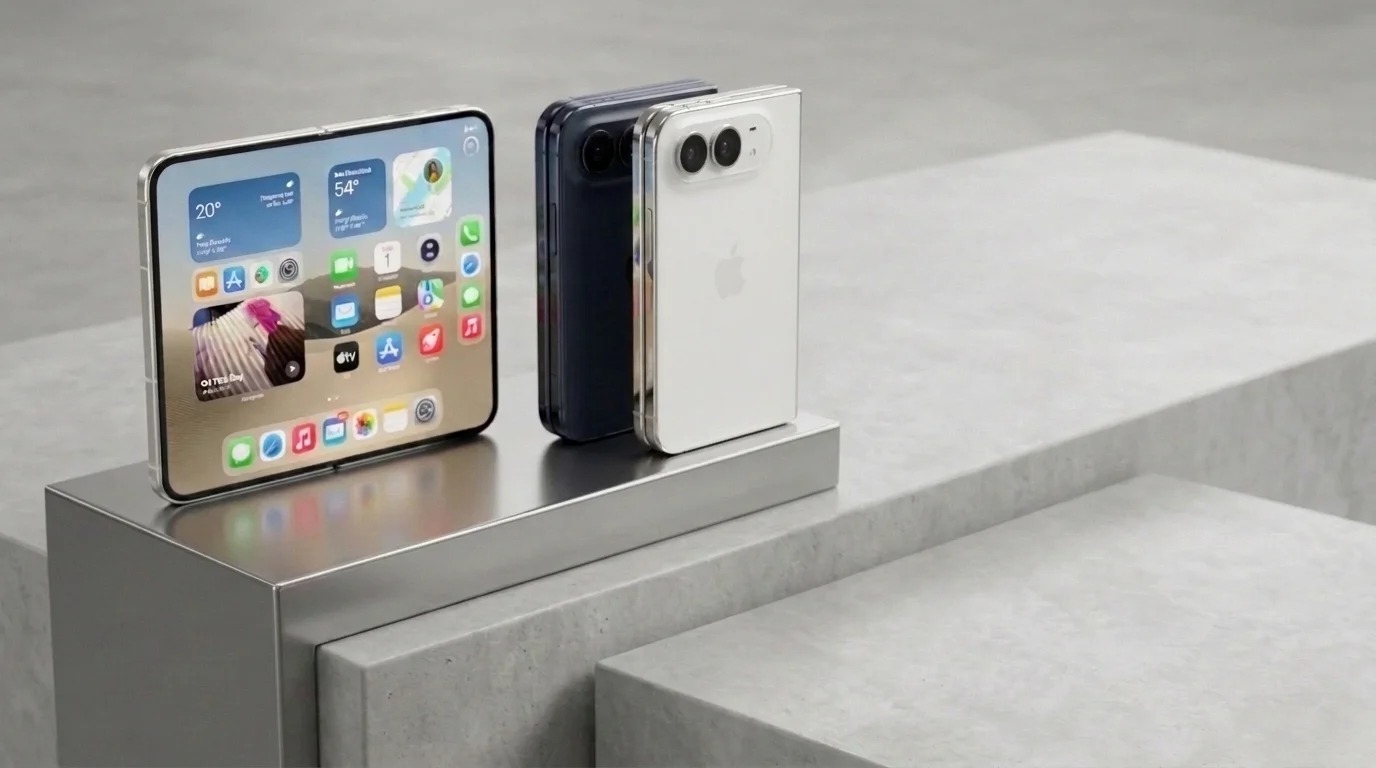
Apple has always been accustomed to building a massive inventory before launching any new device, but things are radically different when the company enters an entirely new product category, such as its first foldable iPhone. In such cases, accurately predicting the actual volume of demand becomes a near-impossible task for logistics and supply chain teams. In reality, Apple has put itself in a position where it is difficult to emerge as a complete winner; if supply exceeded demand and the phone remained available for immediate delivery from day one, headlines and analyses would immediately claim that the device was a dismal failure with modest interest. Conversely, if demand exceeds supply as we see today, it risks angering its most loyal fan base—those who rush to adopt its latest technologies as soon as they are announced.
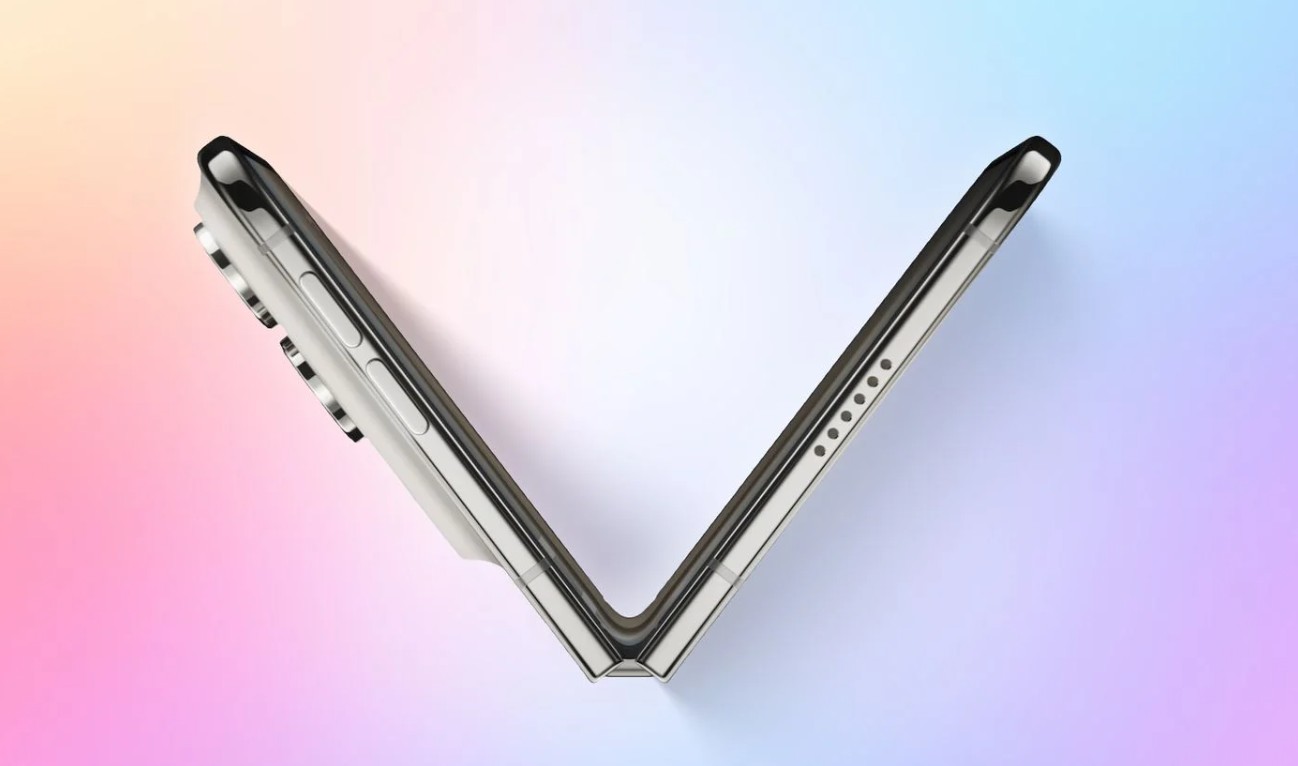
But what is the real reason behind this shortage? Only the engineers in Cupertino know the absolute truth, but the reality points to a dual equation combining exceptional demand and stifling manufacturing complexity. The high demand did not come from nowhere; although foldable phones still occupy a relatively limited space in the global market, Apple demonstrated its usual prowess by targeting the two biggest problems in the history of this category: the visible crease in the middle of the screen and poor overall durability. Apple delivered a refined design without noticeable creases, supported by a solid hinge and software features specifically designed to leverage the changing screen dimensions, along with a promotional campaign that whetted the appetites of tech enthusiasts and reignited levels of passion and anticipation we haven’t seen in years.
A blessing in disguise or a marketing error?
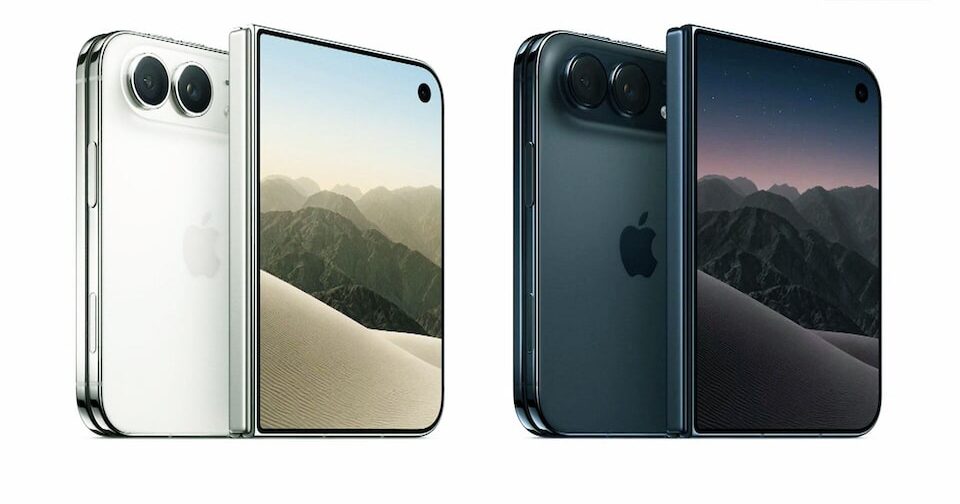
In the world of technical analysis today, it is easy to fall into the trap of a one-sided view; either the launch is a resounding success or a complete failure, forgetting that both truths can coexist side by side. Yes, it is completely frustrating and annoying to order a device in the early morning hours only to find yourself waiting until the new year to try it, and this certainly puts the company under pressure to justify its position to its enthusiastic customers.
However, this instantaneous stock depletion and the slippage of dates by several months serves Apple’s marketing narrative in an invaluable way; it establishes an impression among the public that the iPhone Duo is a massive technical phenomenon in demand beyond all expectations, which gives it an aura of scarcity and increases its appeal. If Apple had a magic wand to predict, it would have preferred a calculated delay of a few weeks without provoking public discontent, but reaching this imperfect state remains better from a marketing perspective than leaving shelves full of devices waiting for buyers.
A glimmer of hope for those with delayed orders
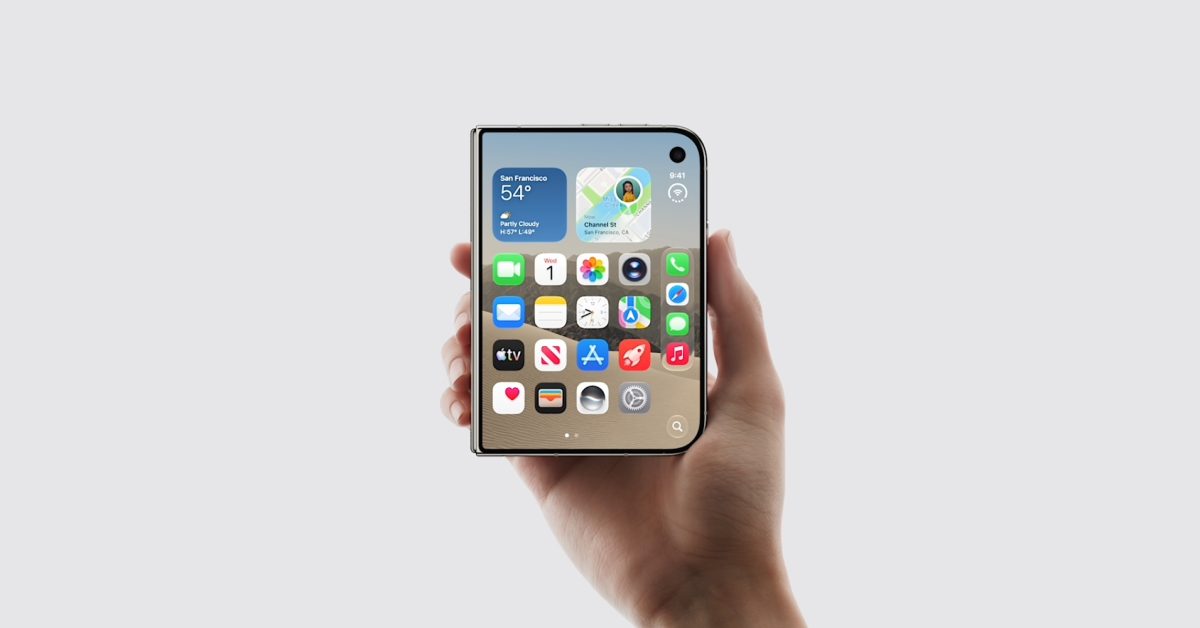
If you are among those sentenced to wait until January, the situation may not be as bad as it appears on the screen. Apple usually follows a practice of setting worst-case time scenarios in initial delivery estimates to avoid customer frustration, and these dates often begin to advance gradually as assembly pace stabilizes and factory production rates increase.
On the other hand, retail sources indicate that some Apple Store branches may see surprise shipments for direct purchase without prior online booking, due to the difference in estimates allocated for physical sales compared to online stores. Therefore, a quick visit to the store in the first days of the device’s launch might be a viable option that could save you months of anticipation. Additionally, some users believe that this long wait gives them the advantage of monitoring independent reviews after the device reaches the hands of early adopters, allowing them to calmly decide whether to keep the order or cancel it and save their money.
Source:
Leave a Reply