Apple has succeeded in introducing a foldable phone with a crease-free screen, but not everything is perfect. Some issues with the screen have appeared after customers received their phones, but as usual, not everything that looks perfect is without flaws. A video circulating on the Chinese platform Weibo revealed that the area around the iPhone Duo hinge appears softer, and a crease appears when pressed with a finger. While this behavior might be part of the phone’s design to eliminate the screen crease, it raises an important question: Did Apple give us a phone without a screen crease at the expense of durability? We will find out the answer in the following lines.
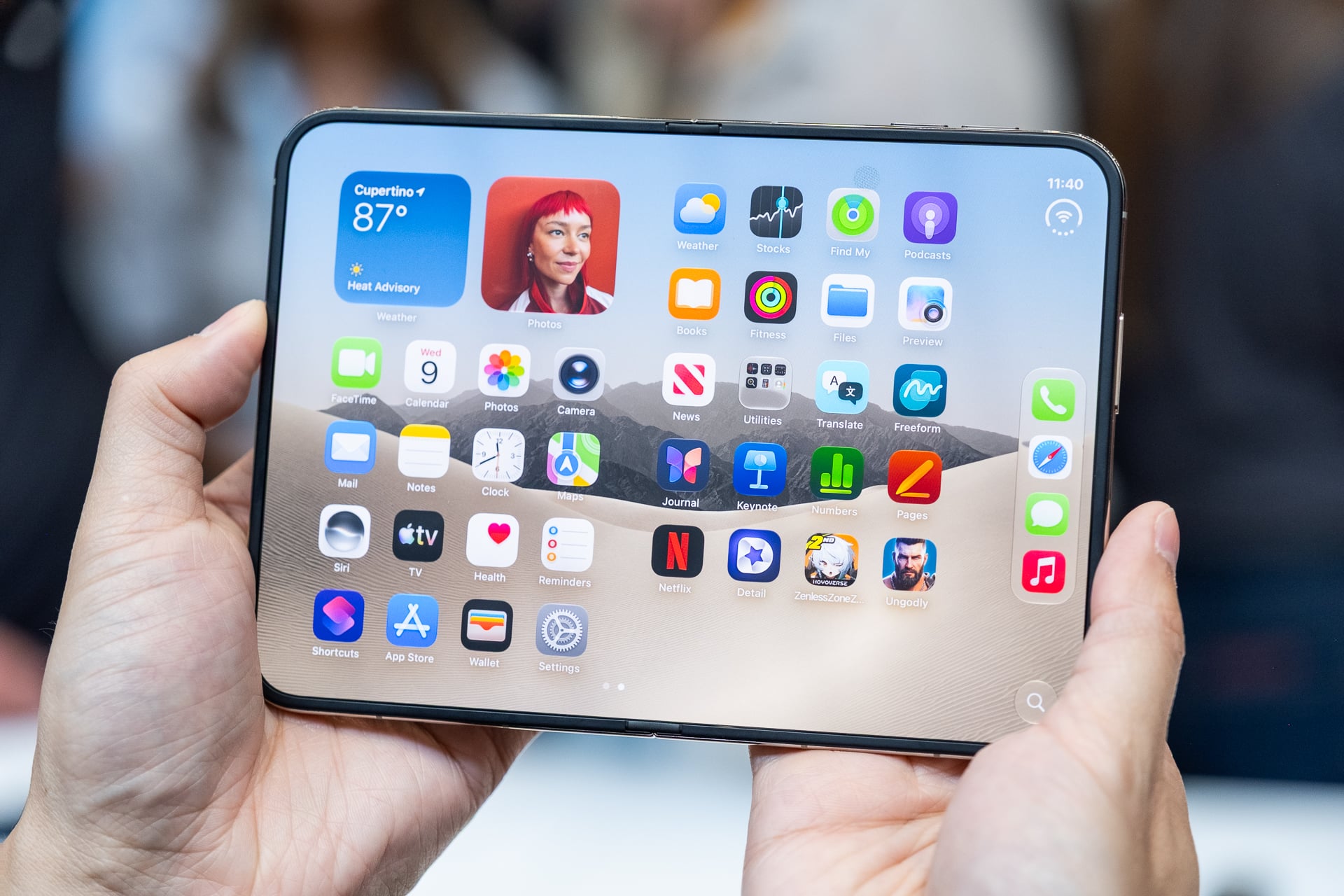
iPhone Duo
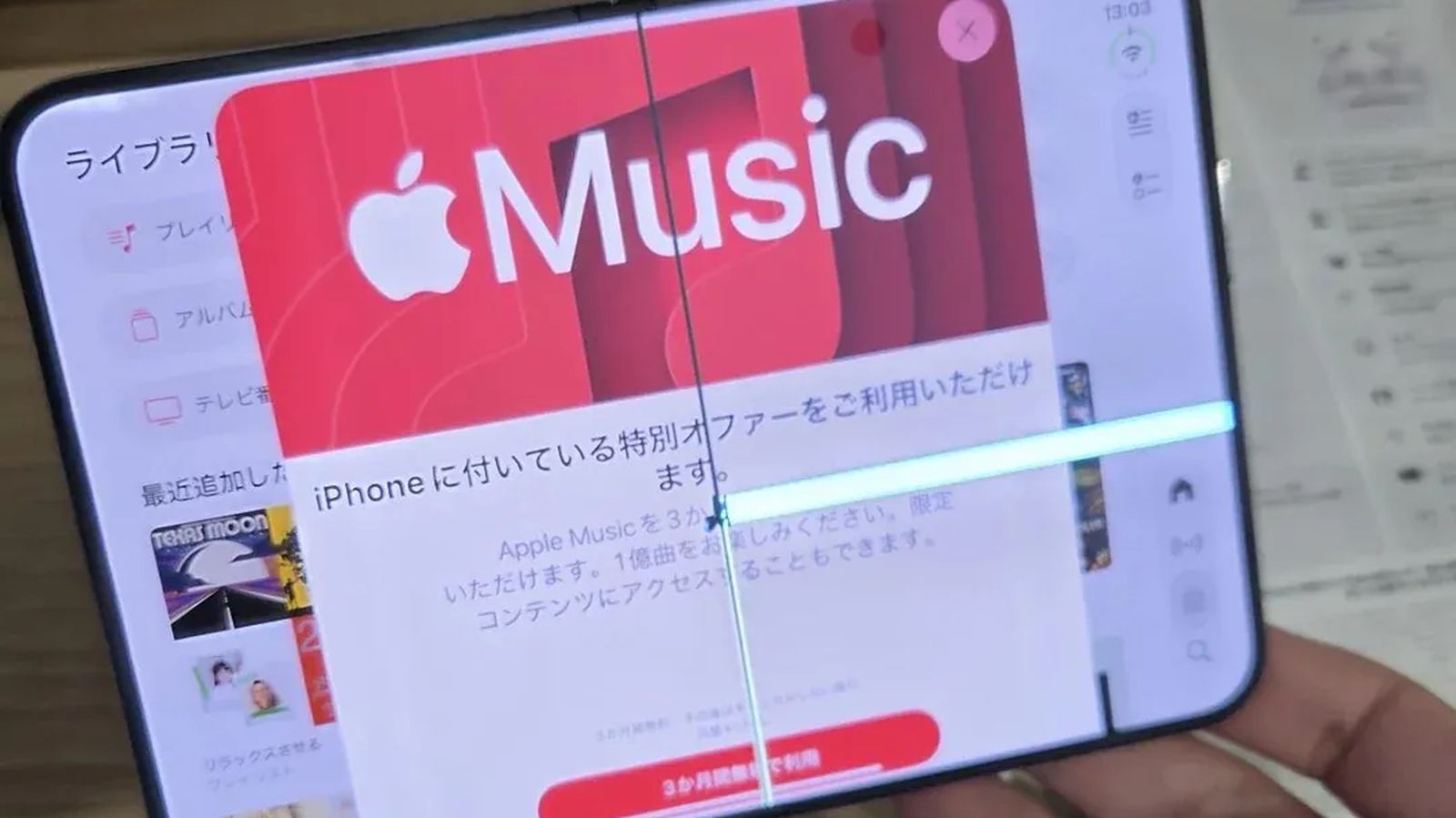
Apple’s foldable phone is scheduled to be available on October 23rd. Although the iPhone Duo is not yet available to everyone, a video posted by a user known as Kang, and later reshared by the Ice Universe account, showed that the part above the hinge responds to pressure differently than the rest of the screen. It dips slightly when pressed with a finger, rather than appearing completely solid and stable.
A crease-free screen
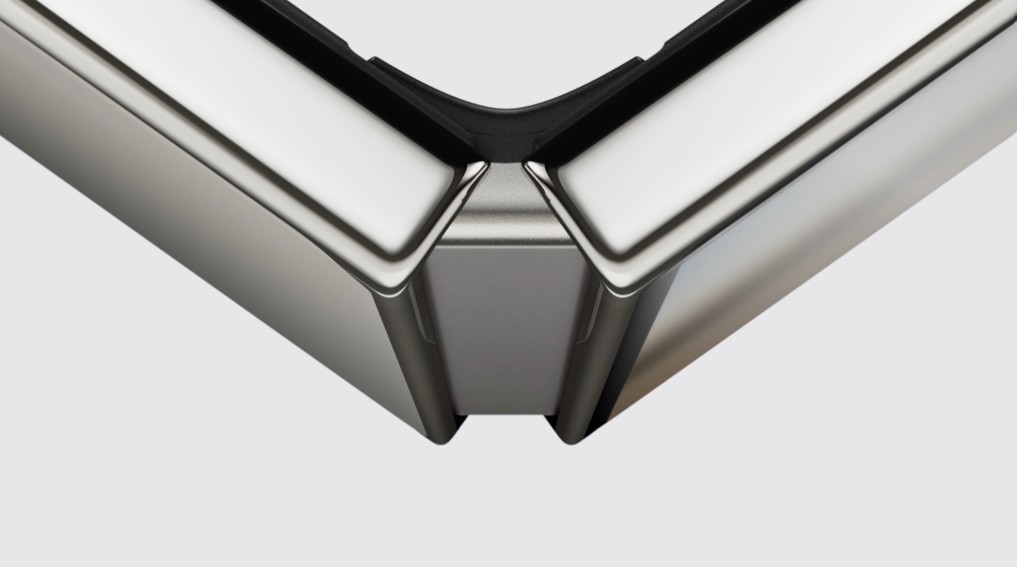
Apple tried to find a solution to the screen crease problem in the iPhone Duo, but according to the video, the part above the hinge appears soft or compressible. This leads to the appearance of temporary wrinkles on the surface of the screen. These marks seem to disappear as soon as the finger is lifted and moved away, as the surface returns to its smooth appearance. However, this behavior raises concerns about the screen’s ability to maintain its durability after long periods of opening, folding, and daily use. The account that posted the video noted that it tested the matter with several iPhone Duo units. Surprisingly, they all showed the same behavior, suggesting that this is not an isolated issue that appeared in just one device.
Variable thickness glass technology
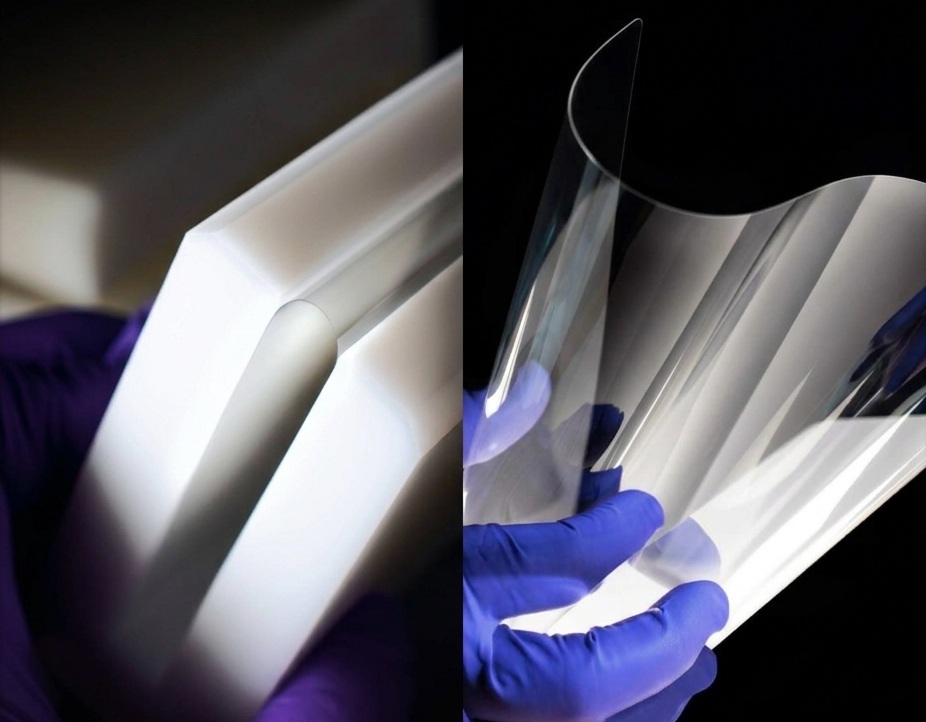
The Ice Universe account offered a potential explanation for this problem, suggesting it might be related to variable thickness glass technology, which rumors indicate Apple has adopted in the iPhone Duo. However, the company has not yet confirmed the use of this technology in its foldable phone. Several years ago, Corning revealed its variable thickness glass technology, known as Corning VtG. The idea is to make the part located above the hinge thinner, to make it easier to bend when folding the device, while the rest of the glass is thicker to enhance the screen’s durability. Corning explains that this design combines ease of folding at the hinge area with increased screen durability compared to glass of uniform thickness, thanks to the presence of thicker glass on both sides of the folding area.
Did Apple sacrifice screen rigidity?
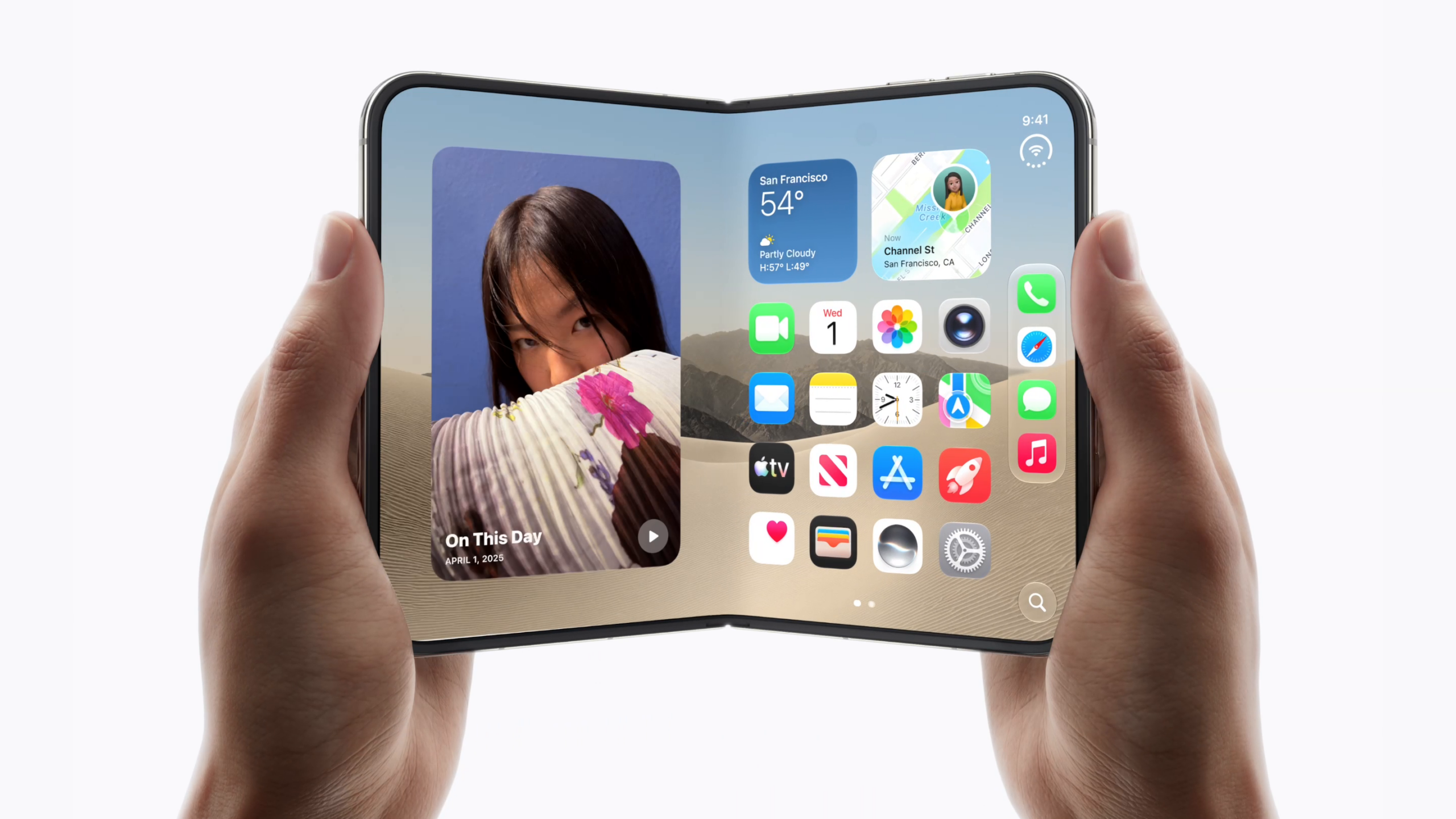
The disappearance of the crease line in the iPhone Duo may not just be an achievement in screen design, but the result of a careful choice between multiple priorities. It is expected that Apple may have adopted a more flexible protective layer that helps reduce the effect of the crease. However, it may not provide the same level of scratch resistance offered by harder surfaces. Conversely, this layer might make the replacement process easier and less expensive when damaged. If this interpretation is correct, Apple may have bet on a smoother appearance and simpler maintenance, rather than focusing on screen rigidity alone.
Ultimately, the crease-free screen may be one of the most prominent strengths of the iPhone Duo, but the real test begins after it reaches the hands of users. The softness of the area around the hinge does not necessarily mean the screen is weak, and the disappearance of the crease line alone does not guarantee its ability to last long. With repeated opening, closing, and daily use, it will become clear whether Apple has found a formula that combines an elegant appearance with durability, or if this design will reveal problems that have not yet appeared.
Do you prefer the disappearance of the screen crease or increased durability? Let us know in the comments!
Source:
Leave a Reply