Pre-order demand for the iPhone Duo has surged, pushing delivery dates as far as 2027. However, as is typical with revolutionary first-generation products, the initial excitement is beginning to collide with reality. The phone, which starts at a staggering price of $1,999, is not without its flaws. As soon as early adopters received their devices, reports of screen cracks emerged in some units, and other complaints have once again brought the “first-generation tax” into the spotlight.

Naturally, Apple is not the first company to test the complexities of foldable phones; companies like Samsung and Google have fought the same battle before and paid the price. Despite Apple’s innovation of an advanced hinge mechanism and a nano-layer to hide the fold line as much as possible, the expectations of Apple fans are always sky-high, which has caused these early issues to spark significant concern among early buyers.
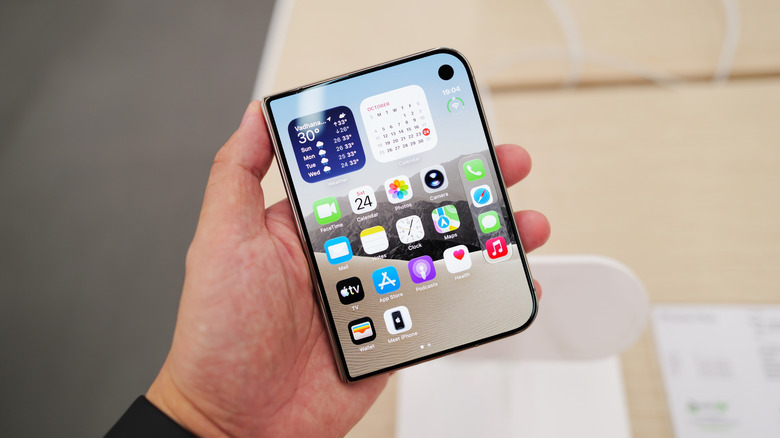
Internal Screen Crisis and Hinge Cracking
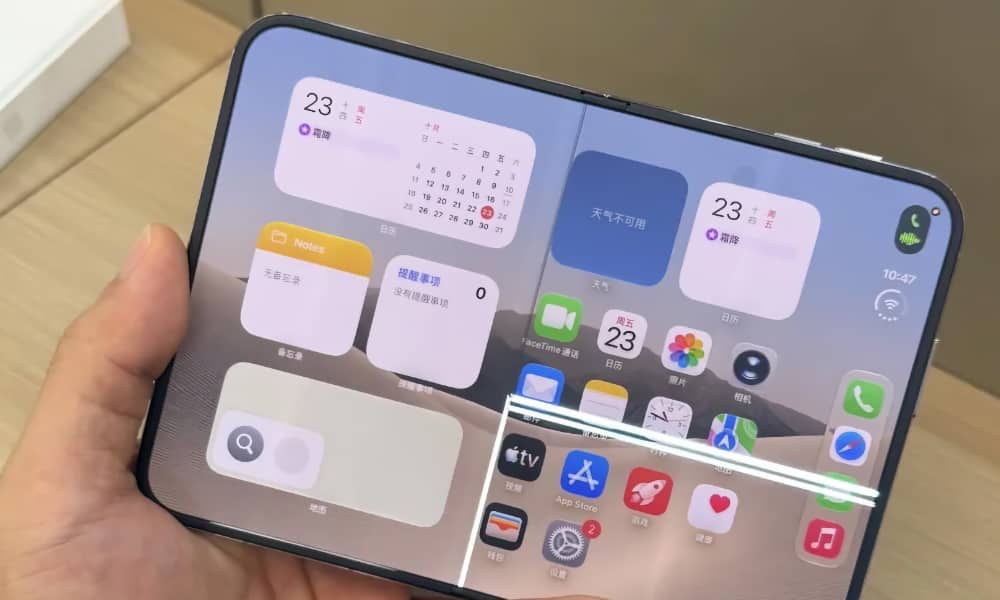
Unlike Android manufacturers who provide estimated figures for how many times their screens can be folded, Apple simply asserts that the iPhone Duo is built to last. However, the reality was shocking for some users; several reported hearing a strange clicking sound from the hinge while opening the phone, only to be surprised by a clear longitudinal crack in the middle of the screen at the fold line, accompanied by fractures and malfunctions on the right side of the internal screen.
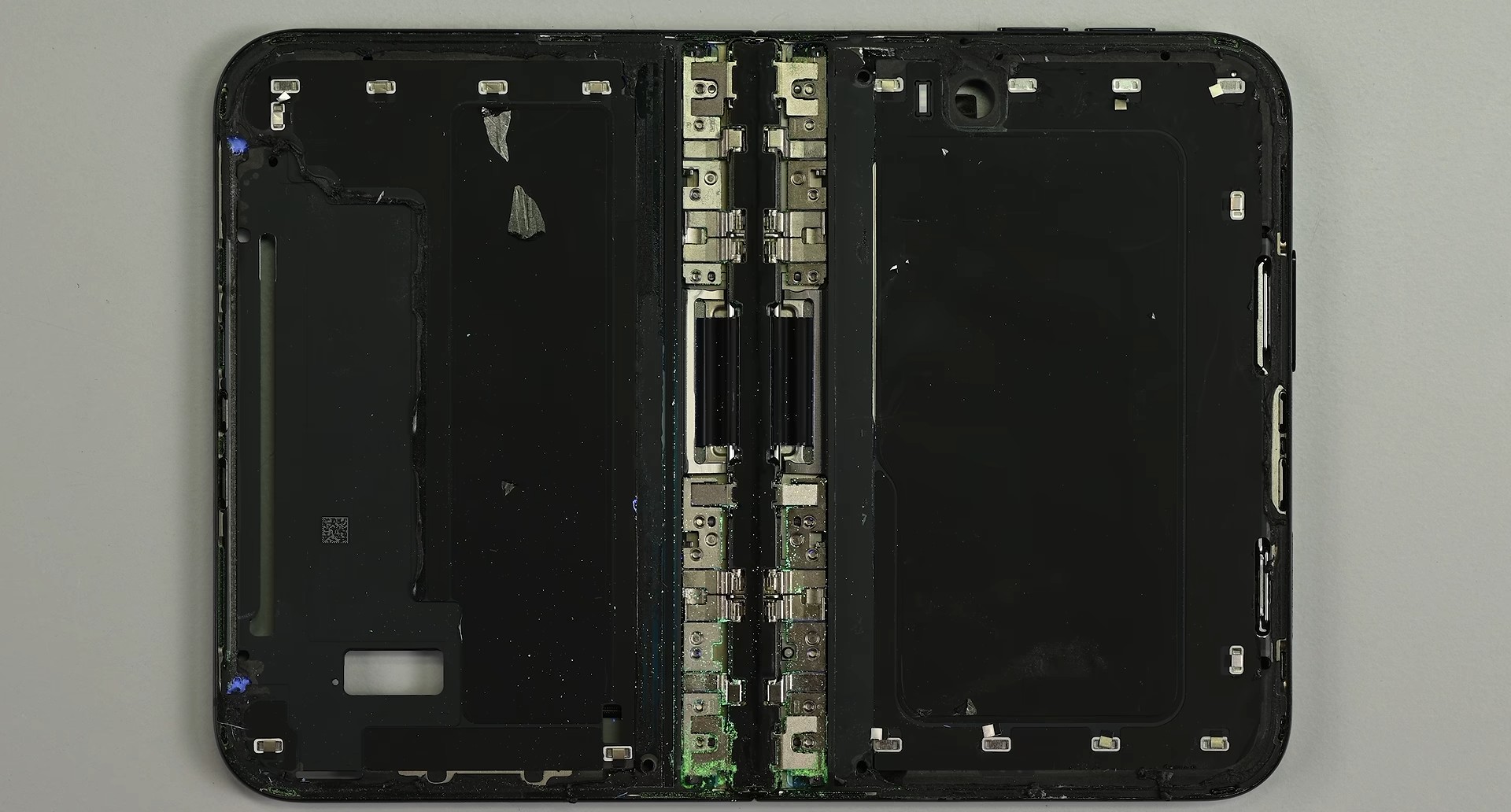
The famous teardown team iFixit offered several engineering explanations for what might be happening behind the scenes, suggesting that the cause is localized mechanical stress resulting from overlapping internal support edges near the hinge, or friction preventing the ultra-thin layers from sliding freely and smoothly, leading to microscopic cracks. For its part, Apple stated to Mark Gurman of Bloomberg that it is aware of an issue affecting the internal screen in a very limited number of devices, inviting affected users to contact its representatives directly to resolve the matter as individual cases for now.
Unoptimized Apps and Cropped Screens
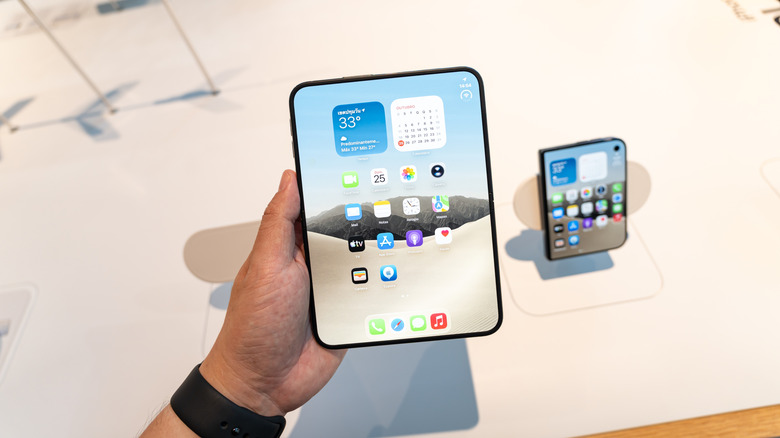
Despite Apple’s strenuous efforts to prepare developers in advance to handle the unusual screen dimensions before the official launch, the result on the ground was not as fast as expected. While some apps have been professionally updated, the vast majority of the most frequently used daily apps—such as social media platforms, banking apps, and games—still lack full compatibility with the large screen.
This lack of compatibility forces the system to display massive black bars that consume large areas of the screen and spoil the joy of the visual experience for a phone at this price. Even more surprisingly, Apple itself has not finished optimizing some of its core apps; the Safari browser, for example, cuts off a huge area of the bottom and side edges, making the actual content display area smaller than what traditional iPhone screens offer.
This is being addressed through successive updates from developers and Apple itself.
Uncomfortable Heat in the Hand

Apple equipped its foldable phone with a vapor chamber-based cooling system in parallel with the ultra-powerful A20 Pro processor, just as it did in the iPhone 18 Pro phones, to maintain peak performance and screen brightness. Theoretically, this phone should be a beast at running games, video editing, and complex tasks, but users have noticed a noticeable rise in the device’s temperature when held.
Reddit forums have been flooded with user complaints, with one noting that the phone became very hot just by being placed on a wireless charger without any significant activity, while another complained that normal browsing made the phone hot enough to penetrate a thick protective case and reach the screen. Some technicians explain this by noting that the vapor chamber system is indeed working to push heat away from the chip and distribute it across the entire half of the phone, which protects the processor but makes holding the device uncomfortable.
Unacceptable Camera Compromises
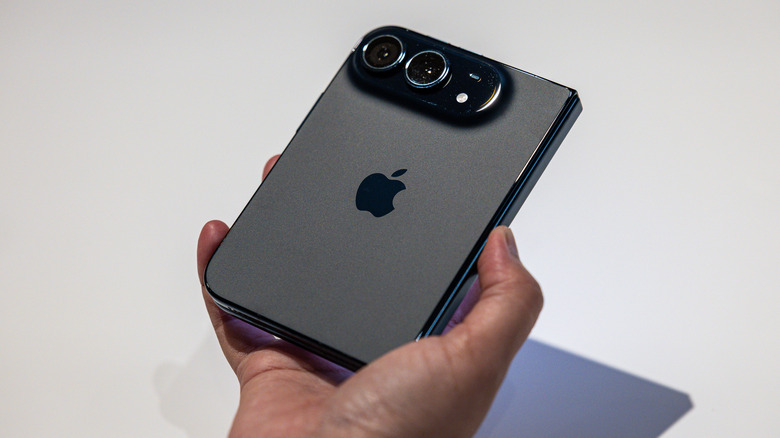
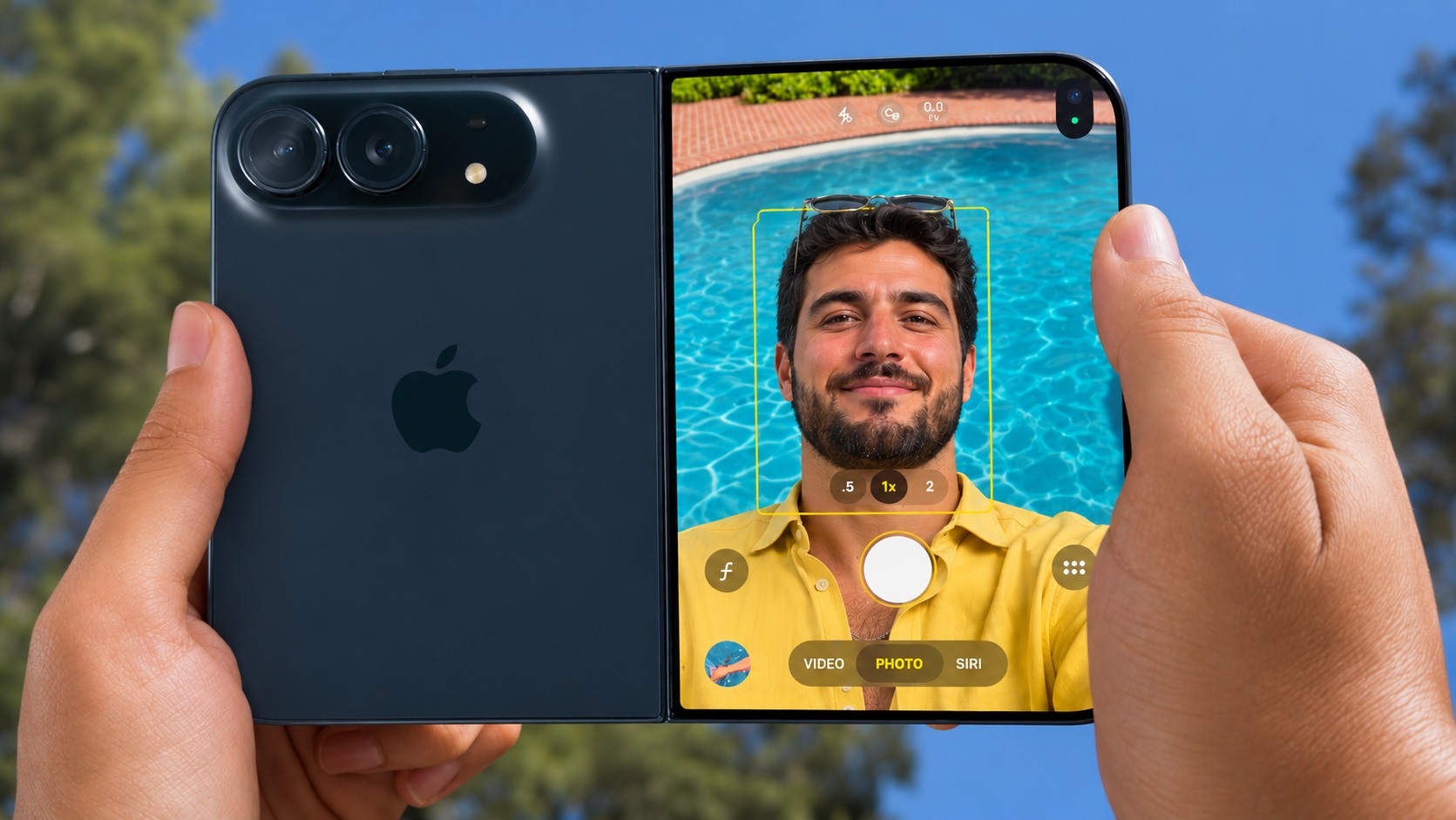
The camera system might be the biggest and most frustrating compromise in the iPhone Duo compared to its high price. The phone has four cameras distributed carefully: a 12MP front lens on the outer screen, a 4MP under-display lens on the inner screen, and a 48MP main lens supported by an ultra-wide lens. Although the results are acceptable in excellent lighting, the sensors used are less efficient than those available in the iPhone 18 Pro and even previous iPhone 17 models.
The point that sparked upgrade dissatisfaction among Pro-tier fans is the complete absence of a dedicated telephoto lens. This lack causes the zoom to lose sharpness and detail once it passes the 2x threshold. Furthermore, the internal under-display camera provides very modest quality that is barely suitable for quick FaceTime calls, making the hardware disproportionate to the high cost.
Software Bugs in iOS 27
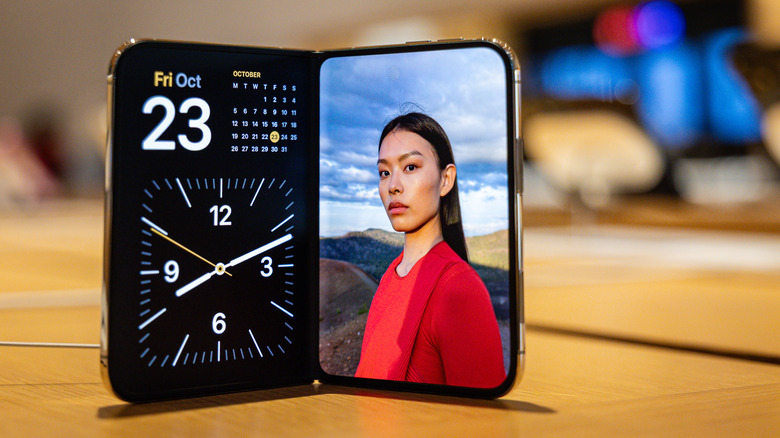
The conclusion of these troubles is directly related to the system. Despite the high hopes placed on the iOS 27 update to fix software bugs and develop Siri’s capabilities, it seems the system still needs intensive doses of refinement and improvement. With the release of the new iOS 27.2 version, the unprecedented interactions of the foldable screen have imposed a set of hurdles that have negatively affected the daily user experience.
Specialized technical reviews confirmed that the system sometimes misidentifies the correct camera orientation and struggles with responsiveness when switching between folding modes, in addition to annoying accidental touches on the edges. Developer Christian Selig also revealed a misalignment flaw in the Dynamic Island and Live Activities elements on the internal screen, where the interface appears distorted in some corners. While we are certain that these problems will be addressed with updates, they diminish the luster of the first experience with a device at this price.
Source:

Post Comment