When Apple and Google pit their best against each other at an identical starting price of $1,299, you immediately realize that the battle won’t be decided by a mere review of traditional specifications. Both the iPhone 18 Pro Max and the Google Pixel 11 Pro XL feature massive displays, the latest processors, and long-lasting battery life; however, the true battlefield that matters to users is the camera system. Both phones offer a high-level photography experience that satisfies the vast majority, yet each has clear weaknesses and a completely different philosophy in image processing. So, which phone is truly worth your investment?
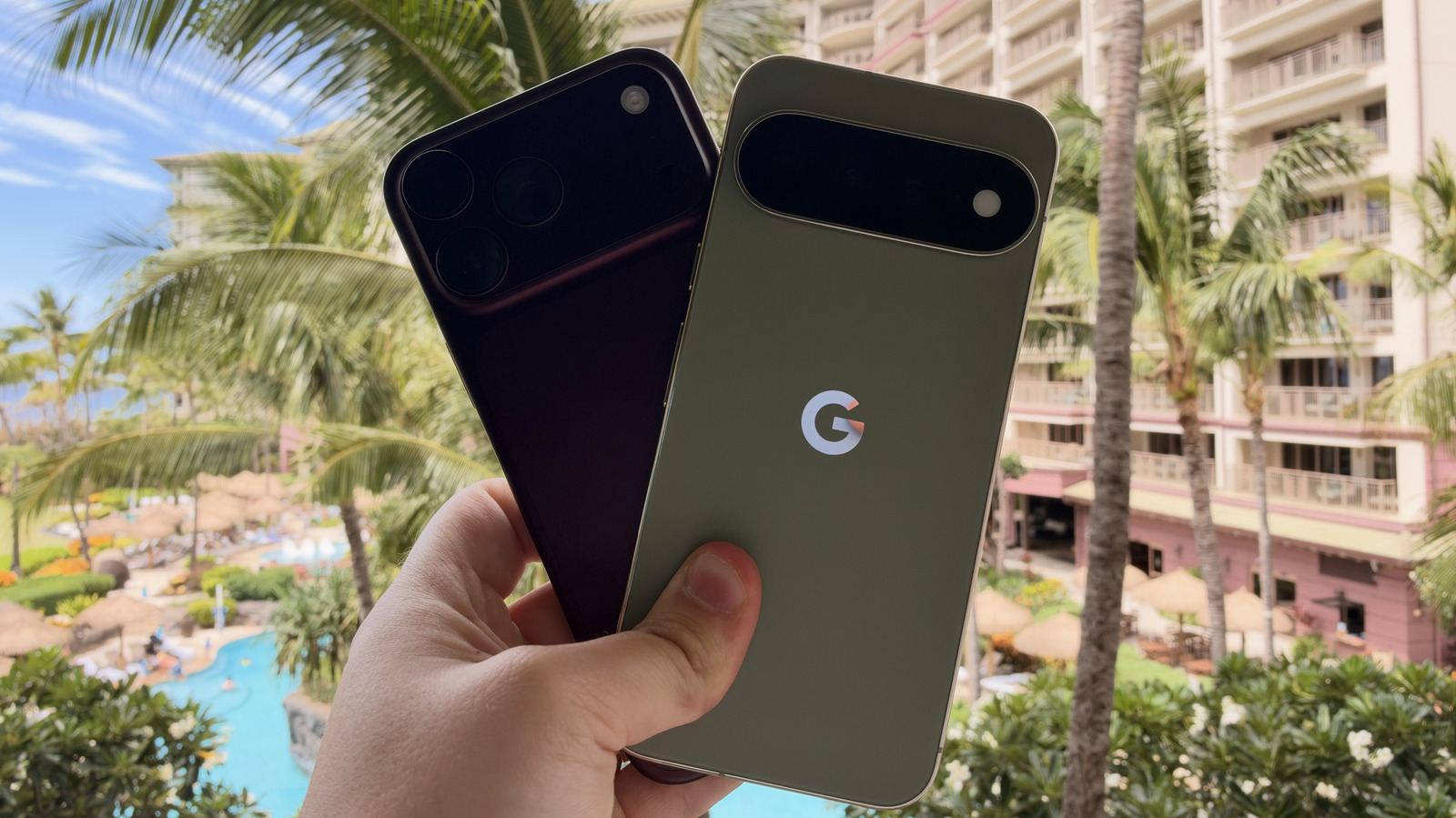
Hardware Specs: Similar Numbers and Contrasting Photography Philosophies
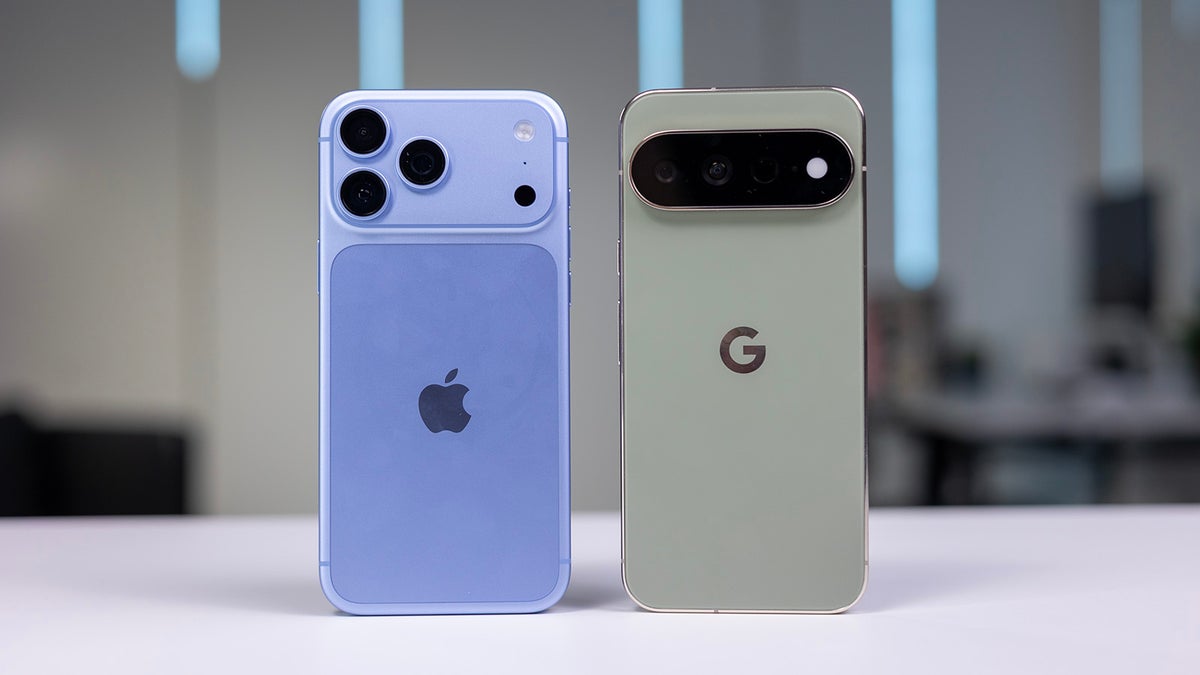
Apple has equipped its flagship iPhone 18 Pro Max with three 48MP rear cameras, featuring a major upgrade: a variable aperture on the main sensor. In contrast, Google has relied on a 50MP main camera for the Pixel 11 Pro XL with a 1/1.3-inch sensor, accompanied by a 48MP ultra-wide camera and a 48MP telephoto lens that supports up to 5x optical zoom, featuring a larger sensor that provides 30% higher light sensitivity compared to its predecessor.
Practical experience reveals that the iPhone 18 Pro Max excels in the overall system and the quality of photo and video capture under various conditions, while the Pixel maintains a notable lead in very specific areas that rely on AI processing and long-range zoom.
iPhone 18 Pro Max Camera: The Variable Aperture Makes the Difference
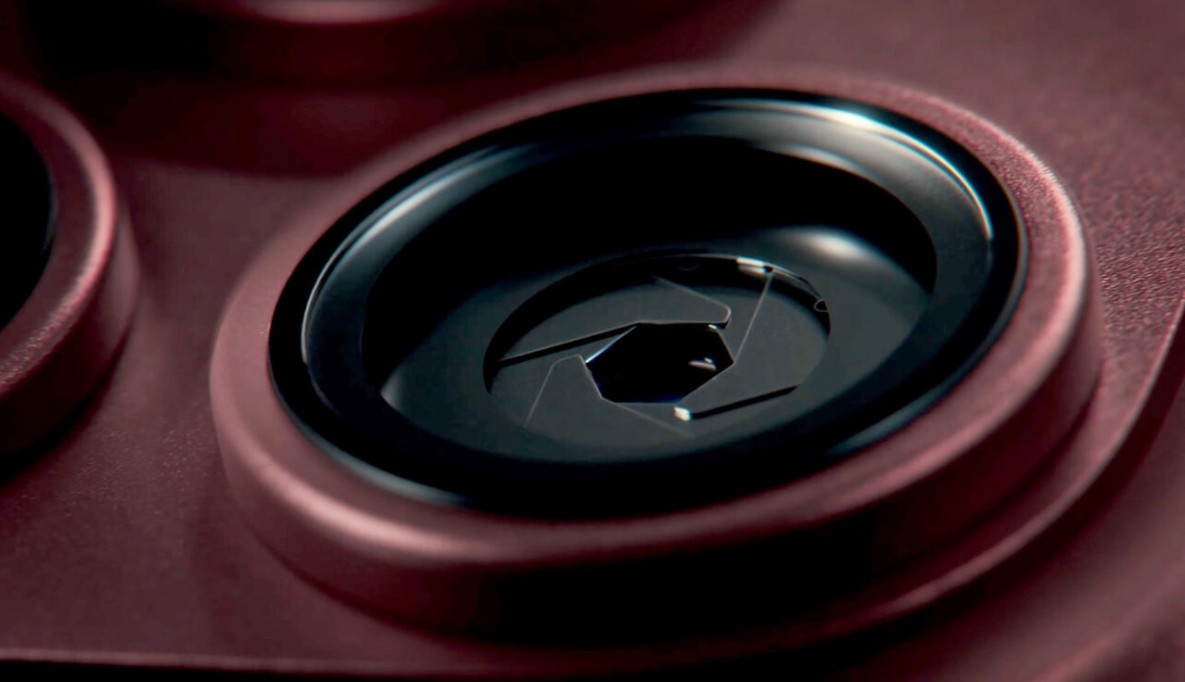
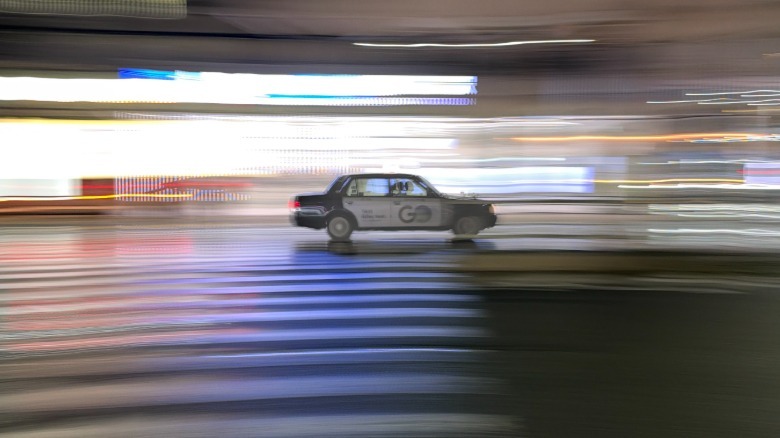
The real qualitative leap in Apple’s phone this year is the variable aperture, which allows for mechanical switching between f/1.48, f/1.8, f/2.8, and f/4.0 apertures. This precise control over the amount of light entering the sensor opens new visual horizons for professionals, from starburst sun effects and light trails to motion blur, as well as natural, refined bokeh and true cinematic depth of field without relying entirely on digital processing.

In low light, the lens reveals its full power; the f/1.48 option allows the sensor to gather as much light as possible, significantly reducing digital noise and exposure time in Night Mode, with a superior ability to tame glare from strong light sources in both photos and videos.

Apple has also added integrated professional controls within the official Camera app, giving the user seamless ability to adjust shutter speed, white balance, and aperture values with ease that surpasses paid professional photography apps. These features stand out clearly when capturing fast-paced scenes while adding smooth, calculated motion.
Regarding video recording, the iPhone remains in a league of its own without a real competitor. The new feature that allows applying cinematic effects to video after recording has made Cinematic Mode practical to an unprecedented degree, overcoming the issue of forgetting to enable the mode before hitting the record button.

Despite this power, the iPhone 18 Pro Max suffers from a clear limitation in zoom beyond the 20x barrier due to the absence of generative AI support. Additionally, the reference mode designed to create an uneditable version to prove image authenticity requires activating buried settings that most users may not reach.

Pixel 11 Pro XL Camera: Zoom Prowess and Night Shooting Speed

The Pixel 11 Pro XL offers a distinct experience that reflects Android’s power in processing fine details with a visual style that approaches classic films. However, the main attraction lies in the redesigned telephoto lens, which delivers impressive results at 5x and 10x levels, even in dark environments where previous Pixel generations struggled.

Google relies on an AI-powered Pro Zoom feature to extend the zoom range up to 120x, a feature that seems magical for reading distant text and signs inside halls. However, the system loses accuracy after exceeding 80x, as AI algorithms begin to invent imaginary details not present in the original scene.
Night Sight is about 4.5 times faster than the previous generation and shows superiority when shooting on streets where light sources of different colors overlap. However, the processing sometimes tends to brighten night scenes more than necessary, causing them to lose their realism, while turning it off results in sharp visual noise. Furthermore, the Magic Capture feature pulls still images from video at low resolution, and the camera flash has become weaker due to allocating part of the lighting units to the ambient notification system.
Final Comparison: Which One Is Worth Buying?
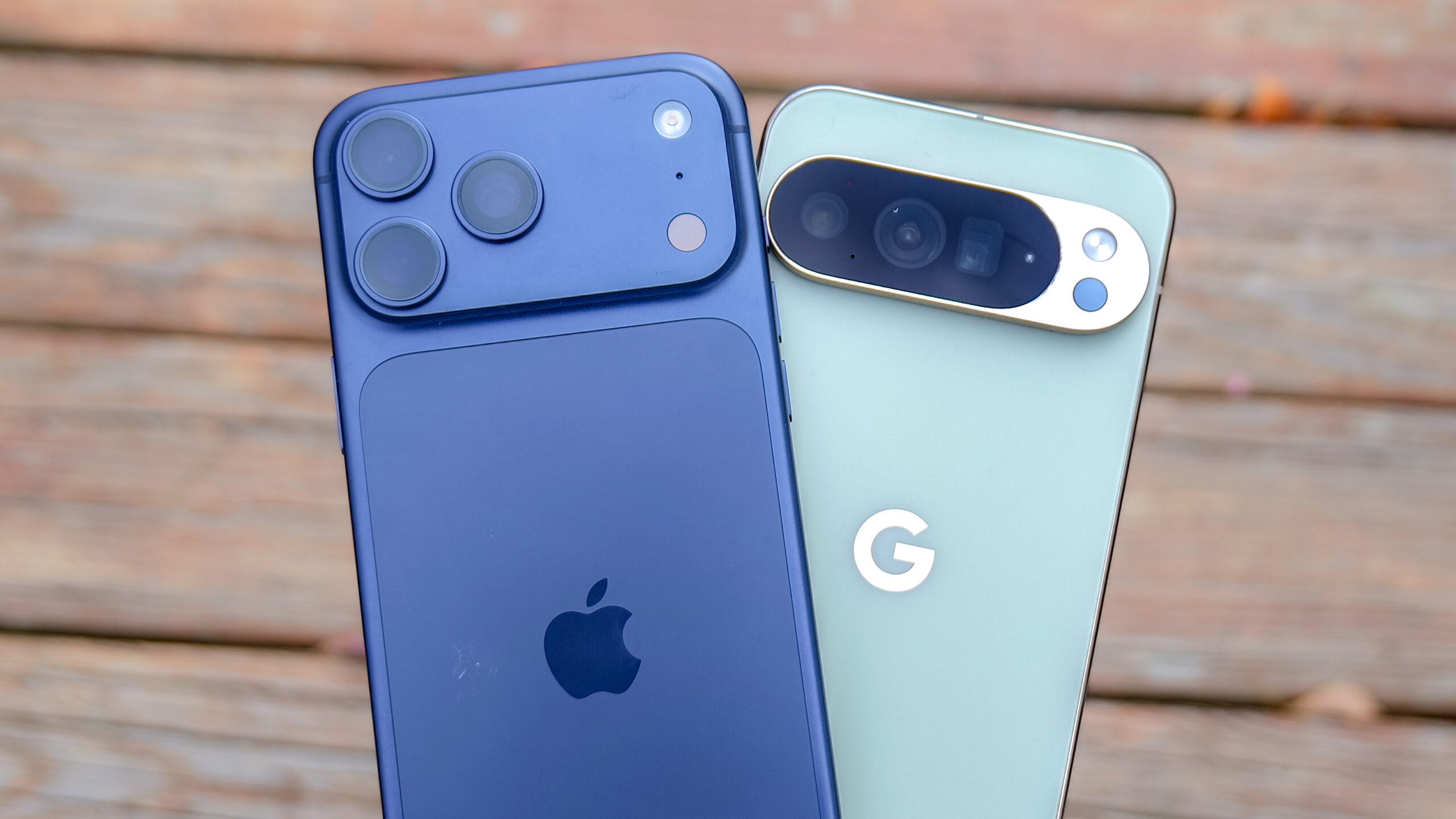
The iPhone 18 Pro Max offers a comprehensive and more mature photography experience; it captures realistic photos with balanced colors, excels in portrait shots, and the variable aperture gives it an unmatched visual advantage, alongside video recording that remains a trademark that comfortably outperforms all competitors, with a selfie camera that supports capturing horizontal photos intelligently without needing to rotate the phone.
On the other hand, the Pixel 11 Pro XL is unique with a zoom feature that far exceeds the limits of the iPhone, and super-fast processing for night shots with multiple light sources. However, reliability remains in Apple’s favor; the iPhone camera app works with the same efficiency and stability with every button press, while the Pixel app sometimes faces issues with autofocus within the preview screen. Both phones cost $1,299, and your choice depends on whether you prefer the power of AI-enhanced zoom or rely on video quality and actual mechanical control over light.
Source:
Post Comment