Let’s be honest, we all rely on the auto-delete feature for messages in apps like Signal or WhatsApp to feel a sense of security and privacy. But what if I told you that those messages you thought had vanished into thin air were leaving ghosts behind inside your iPhone? Yes, that is exactly what happened! Fortunately, true to its commitment to protecting its users, Apple quickly released a new software update for iPhones and iPads to patch a strange vulnerability that allowed law enforcement agencies to extract messages that had been voluntarily deleted by users.
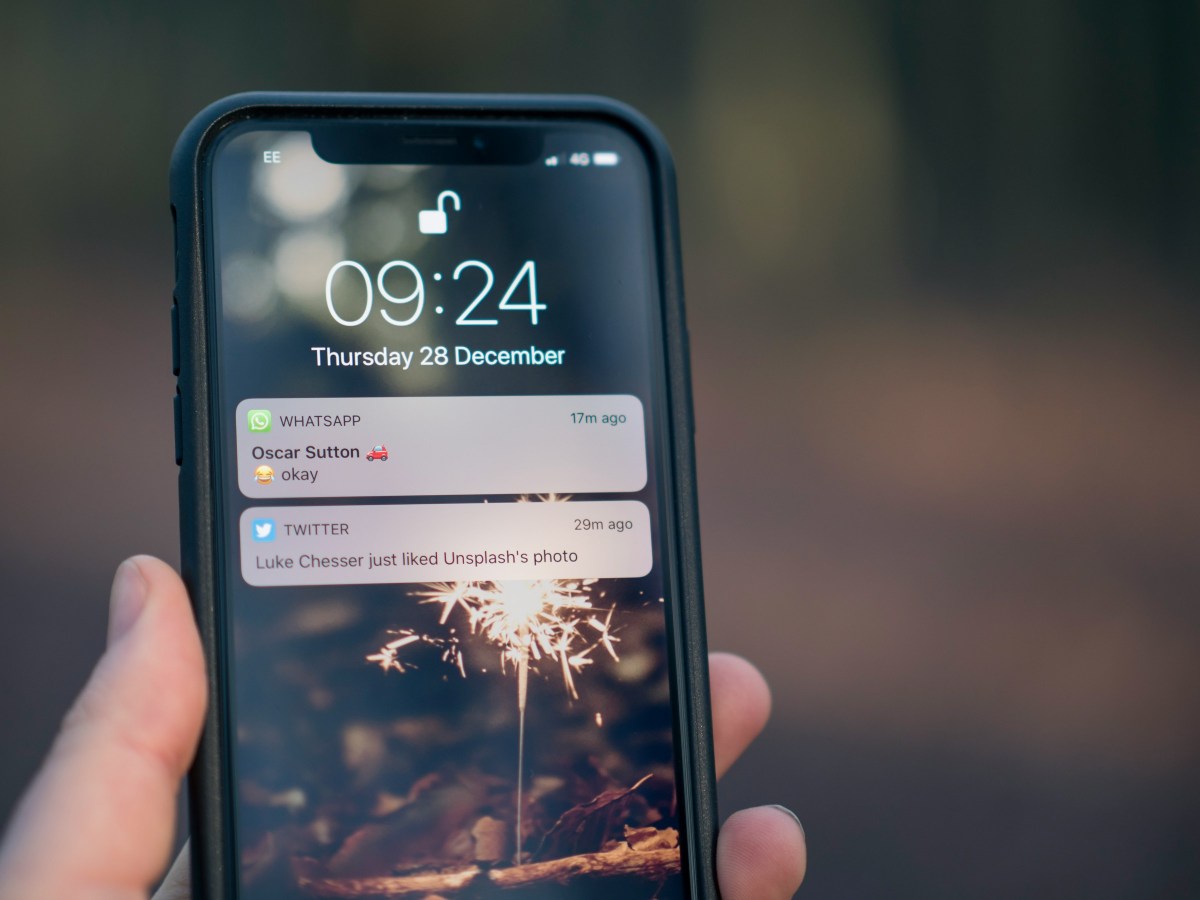
How did the messages wake from their deep slumber?
The story began when the independent news outlet 404 Media discovered that the FBI was able to extract deleted Signal messages from a suspect’s iPhone using advanced digital forensic tools. How did this happen despite the complex encryption the app is known for? The secret wasn’t in hacking the app itself, but in the notifications. When you receive a message, the system displays a notification of its content, and it turns out the system was keeping a log of these notifications in a hidden database for up to a full month, even after you deleted the message from the app entirely!
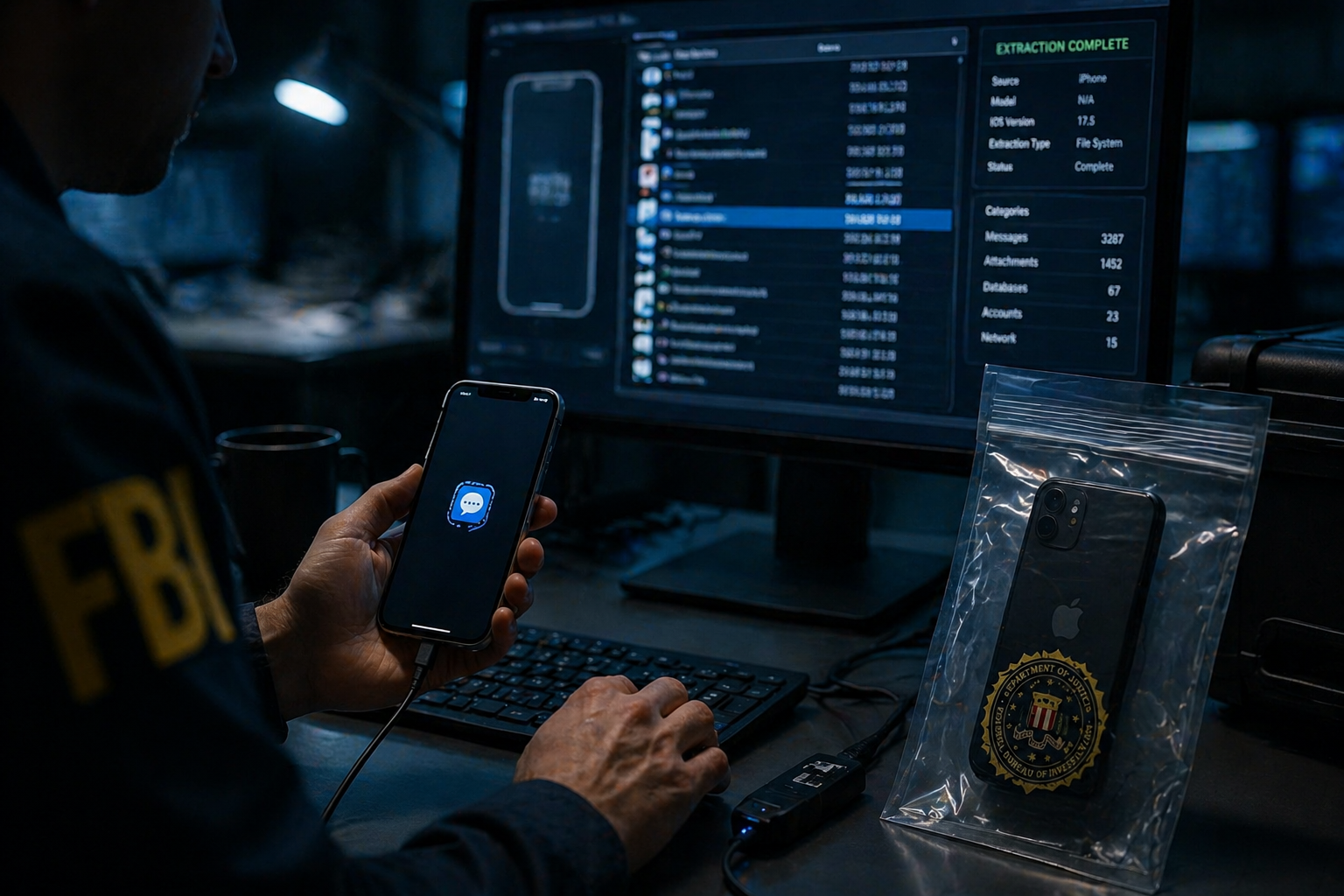
In the official security notes published on its website, Apple acknowledged the issue with its usual transparency, noting that notifications designated for deletion may have been unexpectedly retained on the device. It seems like a minor software glitch, but it was a precious treasure for digital forensic tools that hunt for such oversights to access highly confidential conversations.
Apple responds… and privacy gets back on track
In today’s tech world, where massive investments are poured into major tech conferences and events like StrictlyVC to innovate a more advanced future, privacy remains the most valuable currency and the biggest concern for companies. As soon as the news broke, Meredith Whittaker, President of Signal, moved to request that Apple address this vulnerability urgently, emphasizing that message notifications should not remain in any operating system database at all.
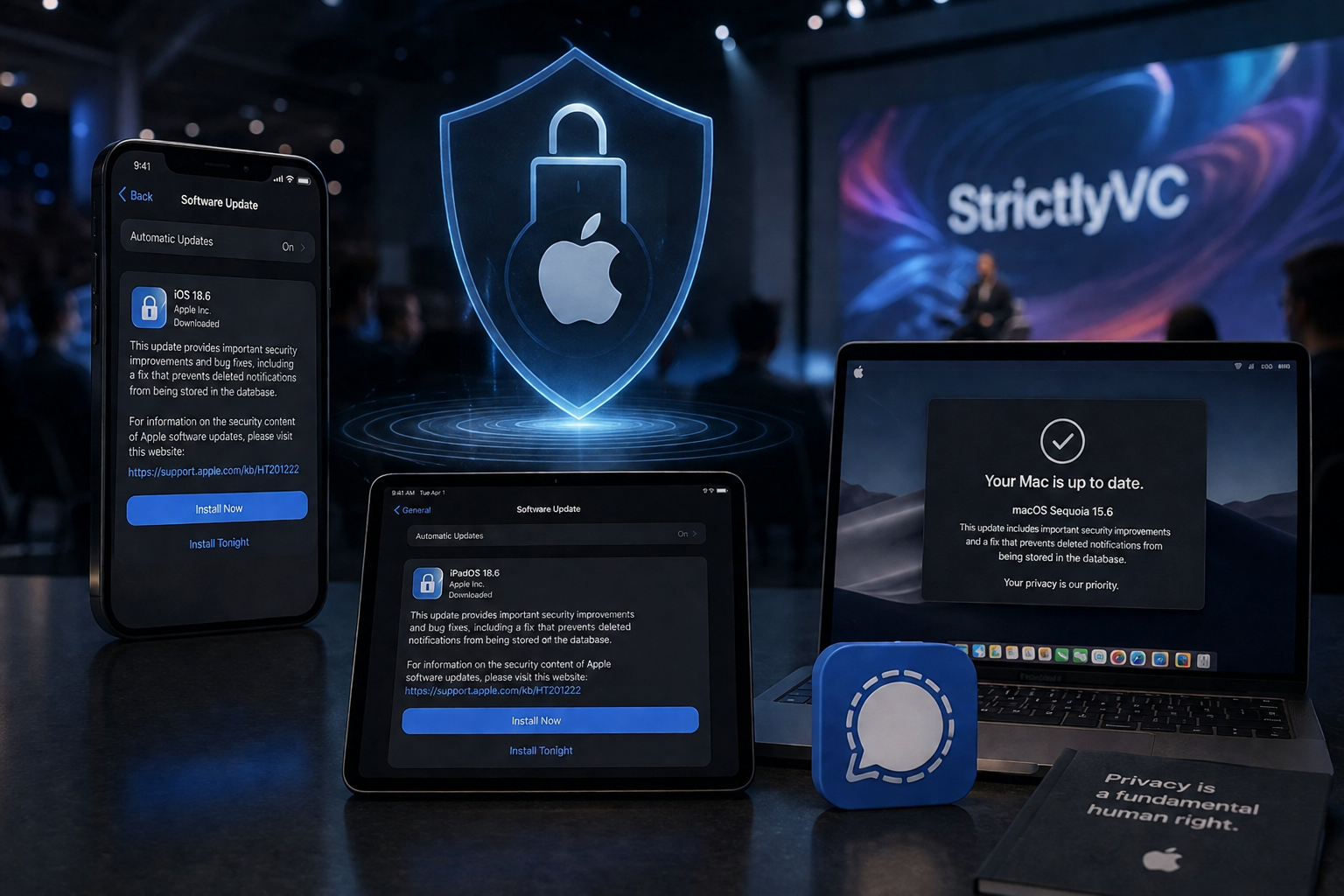
And as we always expect from the company that has made privacy a fundamental human right, Apple did not just release the software fix for modern devices; it provided the update and patched the vulnerability for iPhone and iPad users still running versions older than iOS 18. This breach initially alarmed privacy activists, as the idea of overcoming the auto-delete feature was a real nightmare for those who rely on it for security. However, thanks to Apple’s vigilance and rapid response, the door has been closed on any attempts to snoop through the window of forgotten notifications.
Source:
Leave a Reply