It seems Apple has found itself in a bind, but of the kind any CEO dreams of: its new product, the MacBook Neo, is achieving incredible sales that have far surpassed the most optimistic expectations in Cupertino. This laptop, which Apple launched at a starting price of just $599, has become the talk of the company’s halls. Now, decision-makers find themselves facing two difficult choices: either increase production to meet this insane demand, or settle for what has already been manufactured and risk running completely out of stock before the end of the year.

The Secret of the Low Price: Recycling Genius
Some might wonder how Apple was able to offer a Mac device at such a competitive price without sacrificing performance. The secret lies in Apple’s extreme intelligence (or perhaps frugality). The MacBook Neo relies on the A18 Pro processor, the same powerful engine found in the iPhone 16 Pro. However, there is a small trick; Apple uses processing units that have very minor defects in one of the GPU cores—units that would have been thrown in the trash if not for this device.

By converting these chips into a 5-core GPU configuration instead of the full version, Apple has managed to significantly reduce the bill of materials. It is a masterclass in technical recycling, where high-quality “scrap” becomes the beating heart of a device aimed at students and casual users. But here lies the problem: the quantity of these chips is inherently limited, and since everyone wants to get their hands on the Neo, the stock has started to evaporate at lightning speed.
The TSMC Dilemma and New Production Costs
Now, Apple finds itself facing the giant TSMC. If Apple decides to continue producing the MacBook Neo and meet the increasing demand, the “defective” chips left over from iPhone production will not be enough. It will have to reserve brand-new 3nm wafers, which means paying extra to jump the queue ahead of AI companies that are gasping for the same production capacity. Is it worth sacrificing profit margins for the sake of users?
The challenge doesn’t stop at processors; the entire industry is seeing a rise in the prices of aluminum, DRAM memory, and NAND storage. Although Apple prides itself on a new aluminum forming process that has saved it a lot, continuing to sell the device at $599 while expanding production in Quanta and Foxconn factories in China and Vietnam will cause profits to shrink in a way that may not satisfy Wall Street investors.
Apple’s Proposed Solutions: Are We Saying Goodbye to the $599 Version?
To combat eroding profits, Apple is considering several smart (or devious, depending on your perspective) options. One of these is to completely discontinue the base 256GB model and focus only on the 512GB model, which sells for $699. This would ensure a safer profit margin for the company without it appearing as a direct price hike.

There is also a plan to add tempting new colors, such as (PRODUCT)RED, or offer attractive deals like a free one-year subscription to the 200GB iCloud service to convince buyers to pay a little extra. Apple knows very well how to make us open our wallets while we smile, and it seems the MacBook Neo is the perfect bait to attract Windows users and students into its integrated ecosystem.
The New “iPod” of the Mac Family
Ultimately, it seems the MacBook Neo has begun to play a role similar to the iPod in the past; it is the product that offers the premium Apple experience at an affordable price, serving as the gateway through which users enter the world of Mac and never leave. Whether Apple decides to increase production or not, this device has already proven that there is a huge thirst in the market for a Mac that combines power with a logical price.
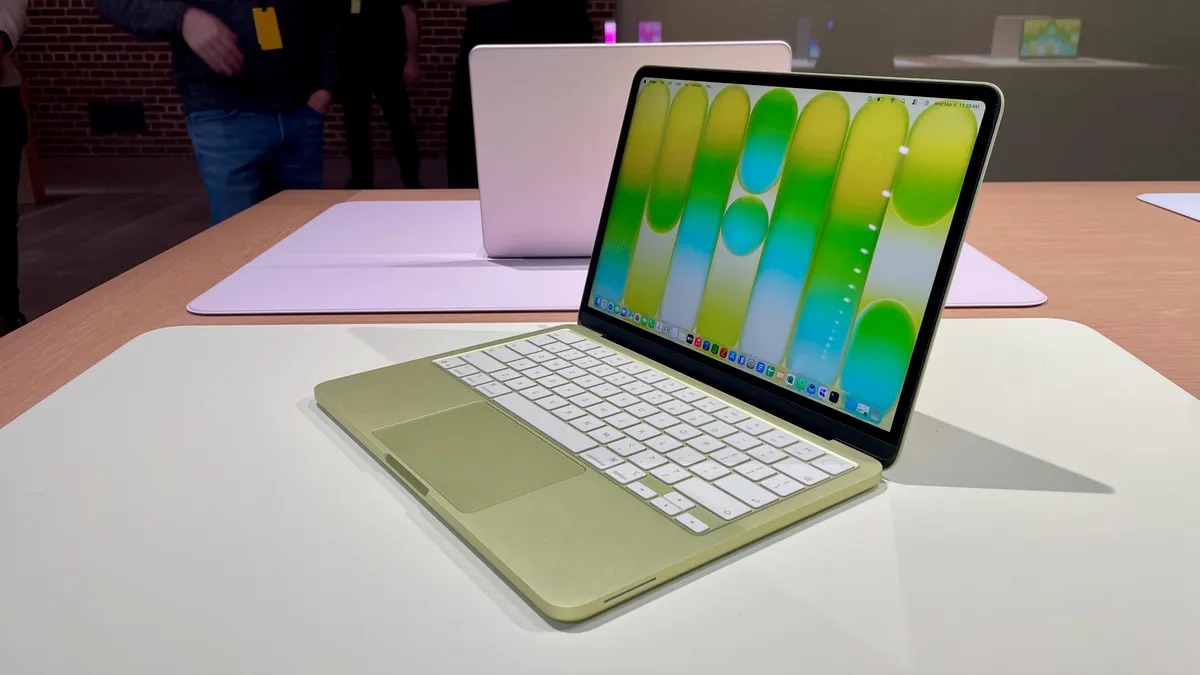
Those interested can currently find great deals through major retailers like Amazon, where the device is available in attractive colors including indigo, silver, and lemon. But our advice to you: if you are thinking about getting one, don’t hesitate too long, because Apple’s struggle with profit margins might make this price a memory of the past very soon.
Source:



Leave a Reply