Apple is the company that taught the world what elegant design looks like, and how technology transforms from mere rigid tools into pieces of art we show off. From the iPhone and iPad to the Apple Watch and the Vision Pro, Cupertino has set industry standards that competitors struggle to keep up with. However, even geniuses make mistakes, and Apple’s history is not just a series of brilliant successes and iconic launches; it is also filled with design farces that make you wonder: “What were they smoking when they approved this?”
The Beginning of the Stumble: The Apple III Computer
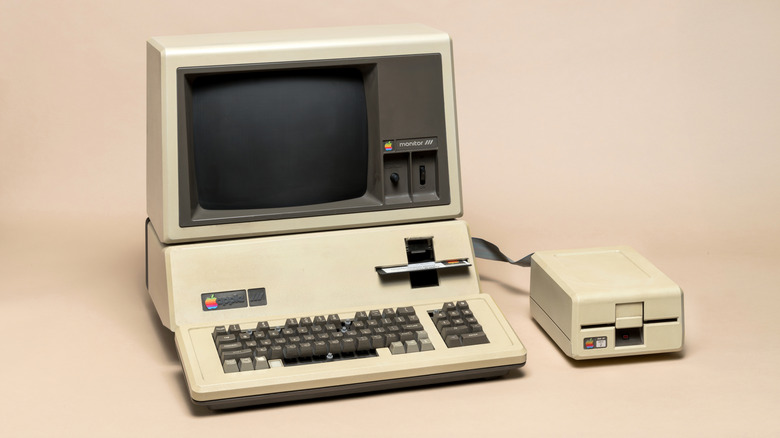
In 1980, Apple wanted to dominate the business market with the Apple III, but an obsession with design led to disaster. Steve Jobs insisted that the device should not have any cooling fans because he hated the noise. The result? The device would overheat to the point where the memory chips would literally pop out of their sockets!
The solution proposed by Apple at the time was both laughable and tragic: users were instructed to lift the device about 10 cm off the desk and drop it, hoping that the shock would force the chips back into place. This was Apple’s first major commercial defeat due to poor cooling, high prices, and a lack of software.
The “Hockey Puck” Mouse
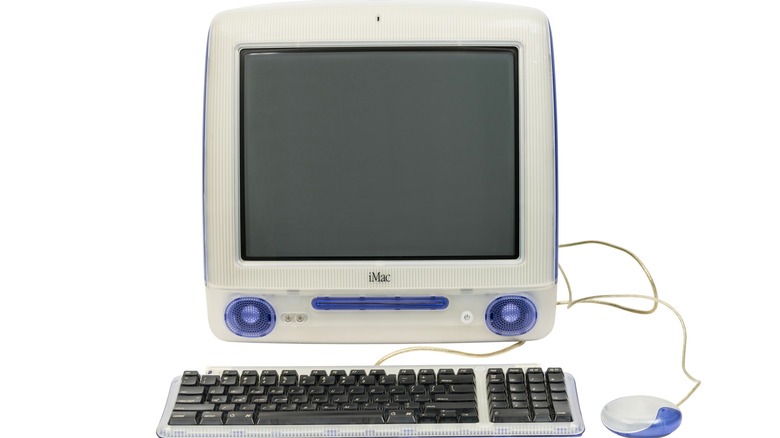
The iMac G3 was a revolution that saved Apple from bankruptcy with its colorful, transparent design, but the mouse that came with it was an ergonomic nightmare—easy on the eyes, but painful for the hand. The mouse was perfectly circular, making it difficult to know its orientation by touch alone without looking at it.
Users heavily criticized the poor ergonomics of this mouse; it was too small and imprecise, leading Apple to realize later that form should never kill function—a lesson it seems to have occasionally forgotten in later products.
Power Mac G4 Cube
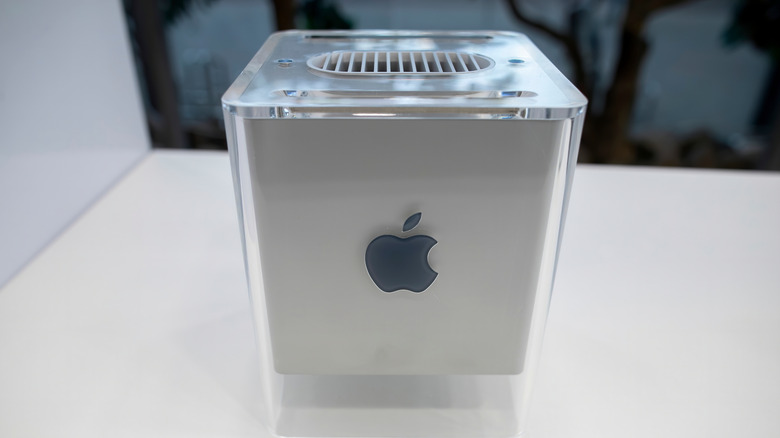
This device is a masterpiece, a suspended glass cube that looks like it came from the future. But behind this beauty, there were fatal flaws. First, it was extremely expensive ($1,799) without offering professional-grade performance, and second, cracks began to appear in its transparent acrylic casing very quickly.
Apple tried to justify it as just “mold lines” from the manufacturing process, but users were not convinced. The device also lacked the expansion options that professionals needed, causing it to fail commercially despite winning numerous design awards.
The Macintosh TV
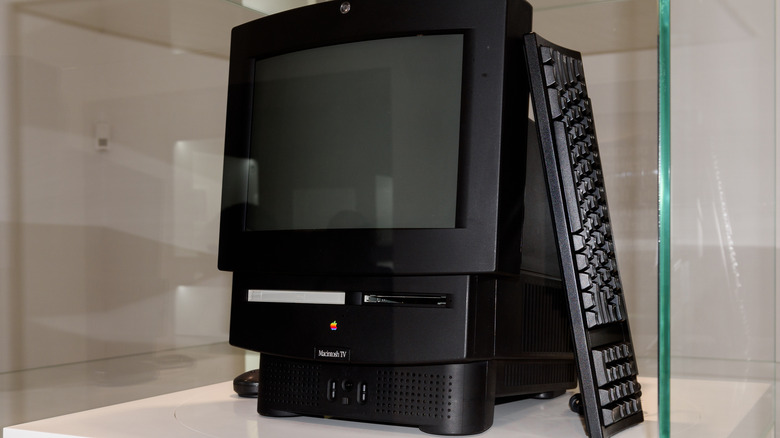
Years before the Apple TV, Apple tried to merge a computer and a television into one device in 1993. The idea was bold, but the execution was strange; the device couldn’t do both tasks at once! You had to either use the Mac or watch TV, and you couldn’t do both simultaneously.
With sluggish performance, a mediocre screen, and a high price, Apple sold only 10,000 units before discontinuing it. It was a living example that combining two worlds doesn’t necessarily mean getting the best of both.
The iPhone 4 Antenna Scandal (Antennagate)
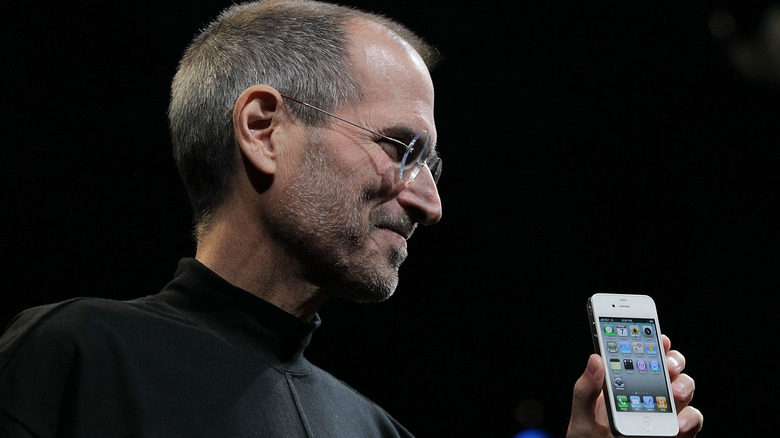
The iPhone 4 is considered one of the most beautiful Apple phones in history, but its design, which made the external metal frame the antenna itself, was an engineering mistake. As soon as you held the phone in a certain way (covering the gap in the bottom left corner), the signal would weaken or drop completely.
Steve Jobs’ famous response at the time was: “Just avoid holding it that way!” Apple was later forced to distribute free bumper cases to solve the problem and learned a harsh lesson in how to integrate antennas into metal designs.
The MacBook “Butterfly” Keyboard
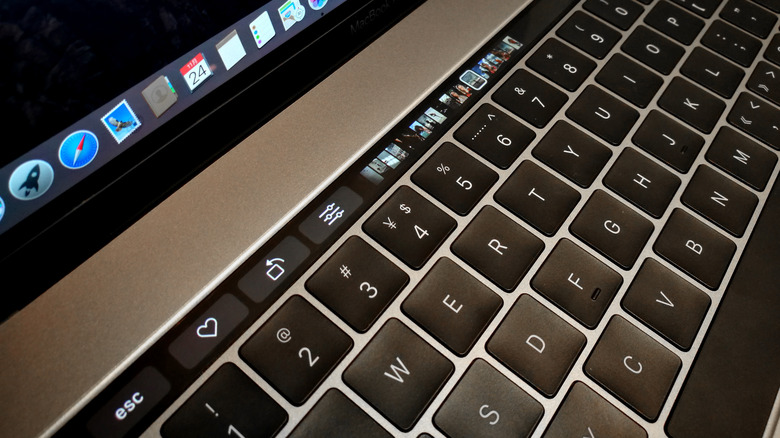
In its quest to make MacBooks as thin as possible, Apple invented the “butterfly” mechanism for keys. The result? A highly fragile keyboard where a single speck of dust could completely disable a key. Not only that, but the typing experience was unpleasant due to the short travel distance.
This design cost Apple millions of dollars in lawsuits and free repair programs, and the ordeal didn’t end until 2020 when Apple finally returned to the traditional, reliable “scissor” mechanism.
Magic Mouse 2 and the Charging Turtle
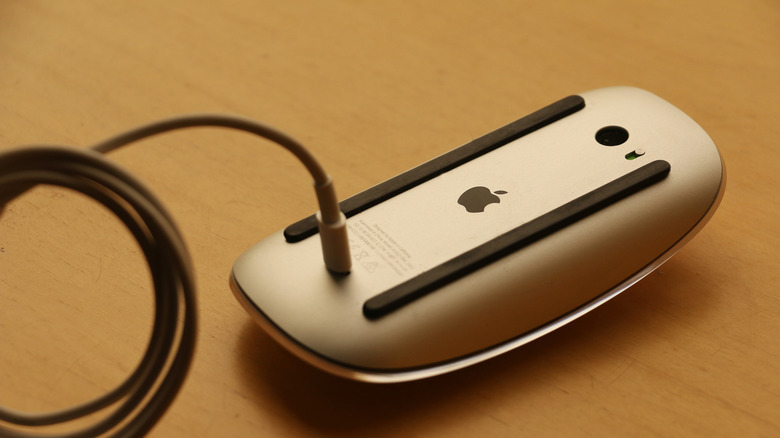
This mouse is the star of internet memes. While it looks very elegant from the top, Apple decided to place the charging port on the bottom! This means that when you need to charge it, you have to flip it on its back like a dead turtle, making it completely unusable while charging.
It is a strange design decision that prioritizes external aesthetics over simple logic. Instead of placing the port on the front to allow for wired use while charging, Apple insisted on this ridiculous position that persists to this day.
2013 Mac Pro: “The Trash Can”
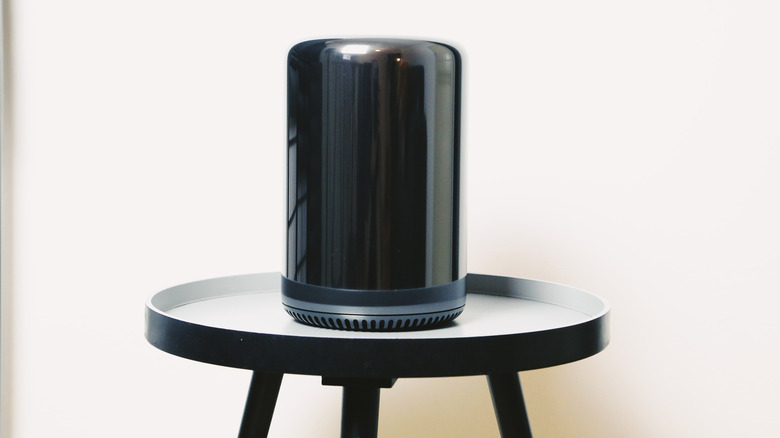
When Phil Schiller unveiled the cylindrical Mac Pro, he said his famous line: “Can’t innovate anymore, my ass.” But the innovation here was in the wrong direction. The design was small and elegant, but it put Apple in a “thermal corner” it couldn’t escape.
The device was not user-upgradable, and as graphics processors evolved, the cylindrical design couldn’t cool modern components, eventually forcing Apple to return to the traditional design (the “cheese grater”) in 2019.
$700 Mac Pro Wheels!
If you think buying an expensive Mac Pro is the end of it, Apple has a surprise: a set of wheels to move the device for $699! Yes, the price of a smartphone for four metal wheels. The disaster isn’t just in the price, but in the design; these wheels don’t have brakes!
This means your workstation, which costs thousands of dollars, could roll away and crash into the wall if your floor isn’t perfectly level. It is a product that embodies the peak of “arrogance” in pricing and impractical design.
Other Disasters: From Pippin to AirPower
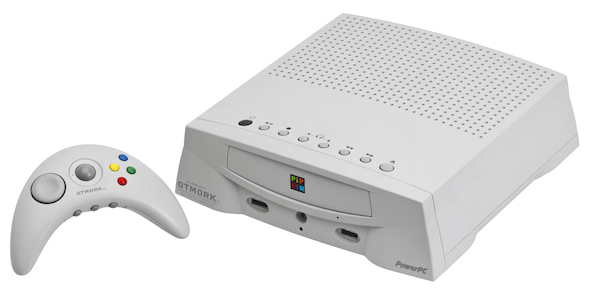
The list goes on to include the Pippin gaming console, which failed against the PlayStation; the first-generation Apple Pencil, which charges awkwardly by sticking into the iPad port like a radio antenna; and the third-generation iPod Shuffle, from which Apple removed all buttons, making you a prisoner to their proprietary headphones.
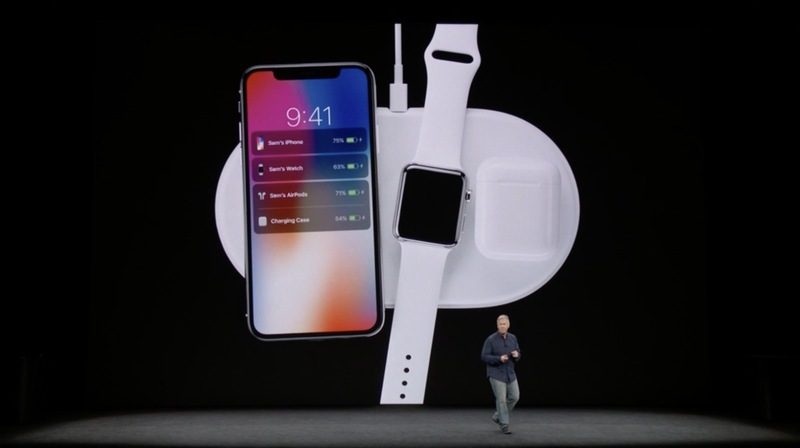
And let’s not forget AirPower, the charging mat that Apple promised and then canceled entirely after two years because it couldn’t solve the heat problem caused by overlapping charging coils. These failures remind us that Apple, despite its greatness, is a company run by humans, and humans make mistakes—especially when they try to reinvent the wheel (or sell it for $700!).
Source:



Leave a Reply