It seems Apple never minds being the “latecomer who arrives with merit.” While the market is currently flooded with foldable phones from every direction, Cupertino is quietly working on its most ambitious project: the Phonegram Ultra Fold. This device, expected to launch this year alongside the iPhone 18 series, aims not just to compete with Samsung and Google, but to present Apple’s own vision of what a foldable phone should be, with a blend of luxurious design and hardware that might make competitors a little nervous.
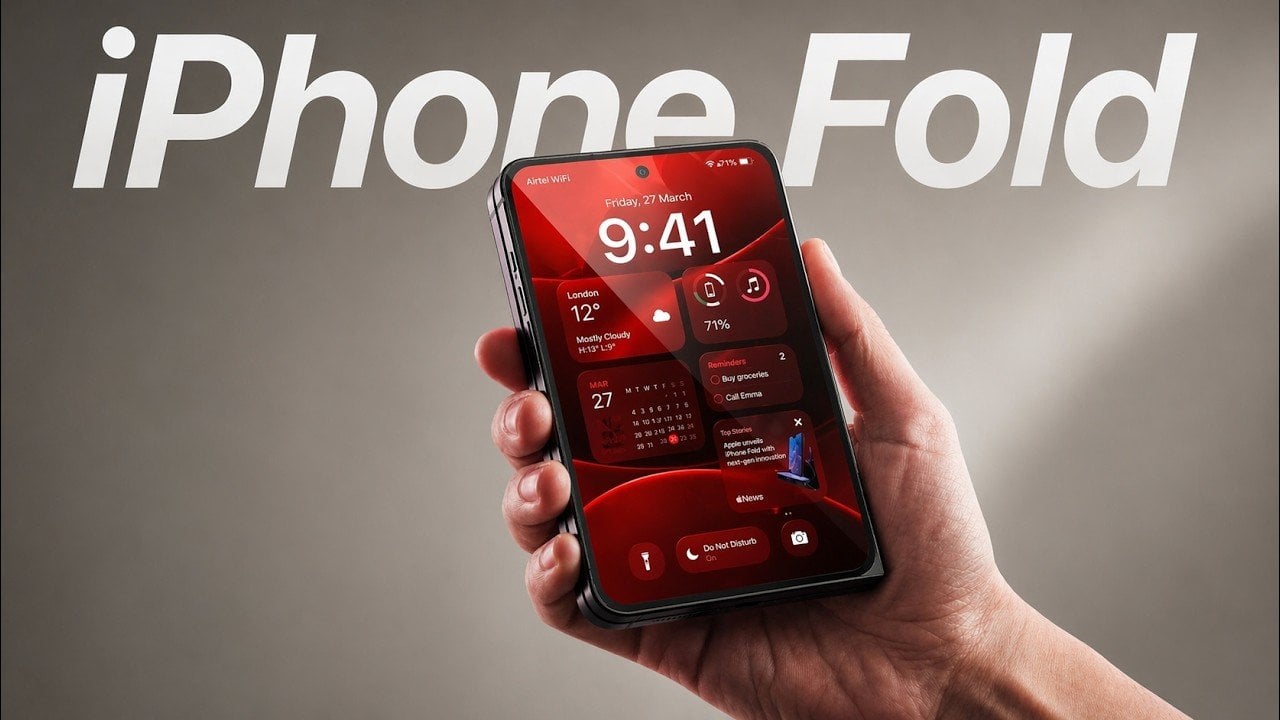
Design and Structure: The New “Passport” Philosophy
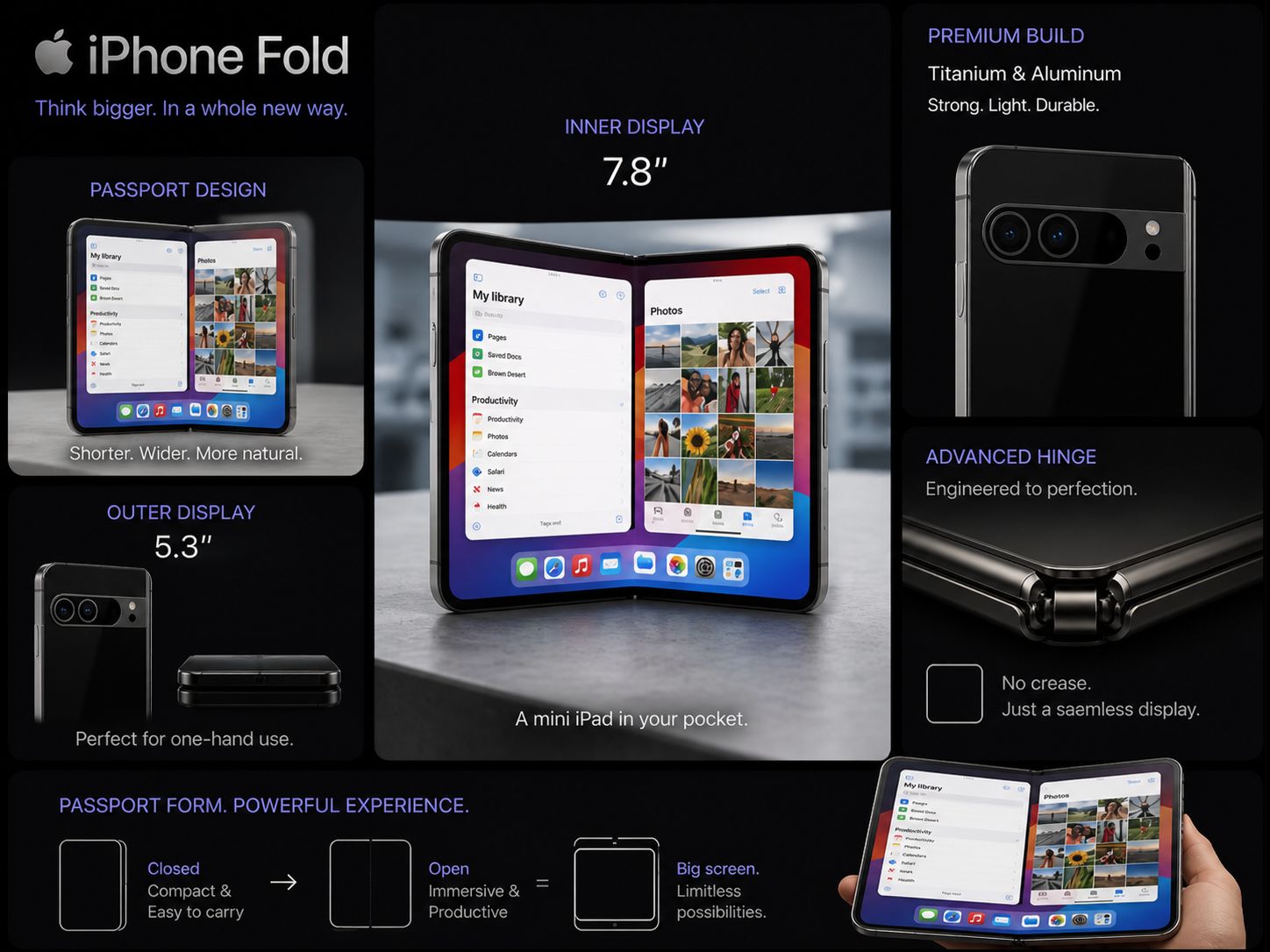
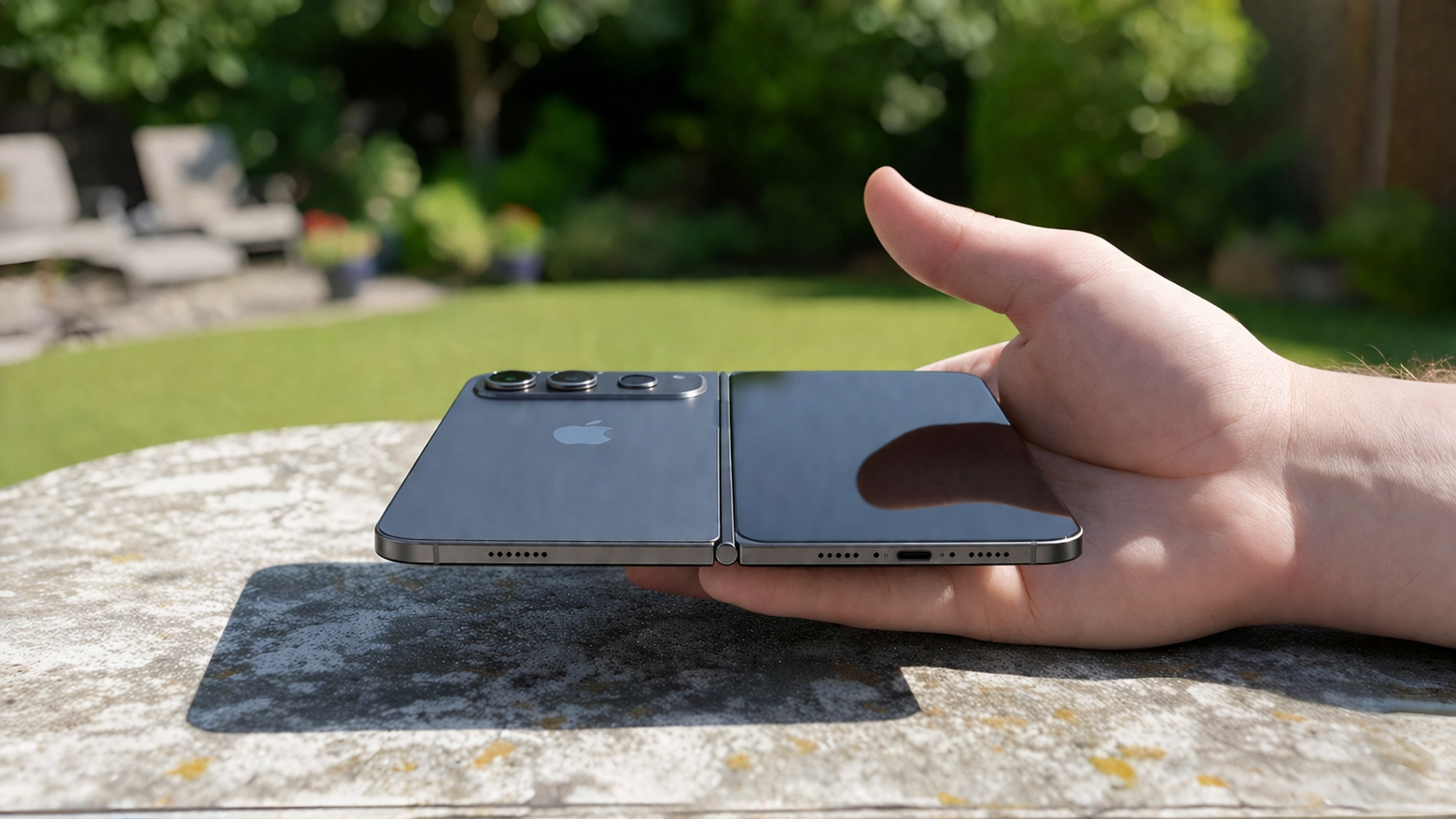
Leaks suggest that Apple will adopt a design some have dubbed the “Passport,” because it will be shorter and wider than current foldable phones. The goal of this design is to provide a more natural user experience when opening the device, as it will feature a massive 7.8-inch internal screen that is almost bezel-free, turning it into a small tablet (an iPad mini in your pocket!).
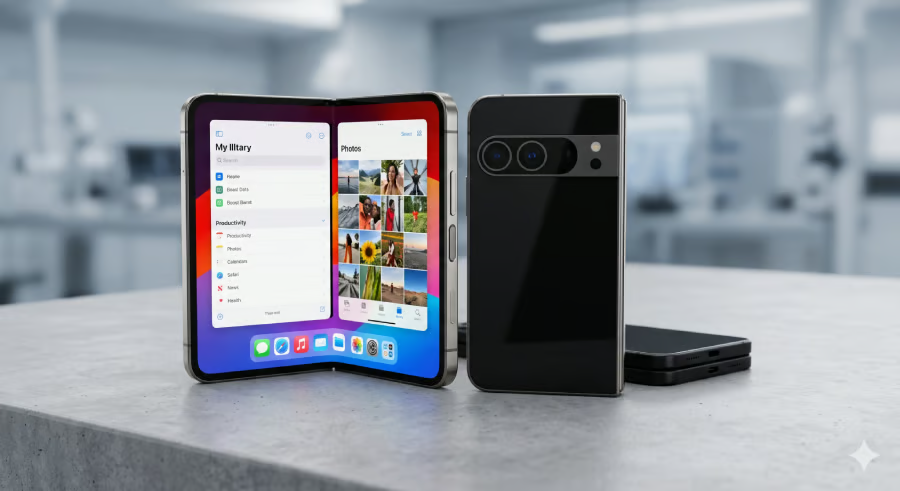
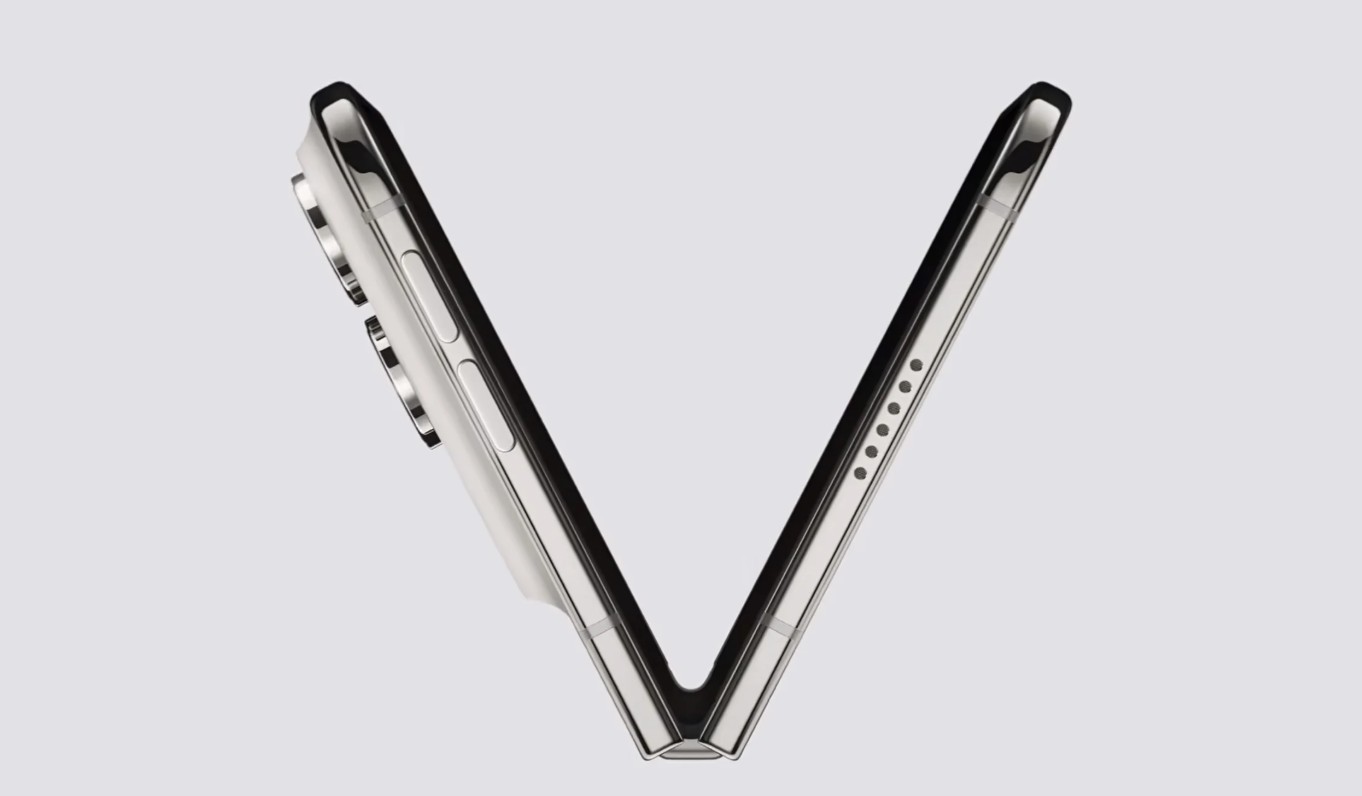
As for the external screen, it will be 5.3 inches, designed to be very comfortable for one-handed use. Since we are talking about Apple, a mix of titanium and aluminum is expected to ensure strength with light weight. The most exciting point is the advanced hinge mechanism Apple is working on, which aims to solve the eternal problem in these phones: The Crease, as the company seeks to make the screen look like a single, perfectly flat piece.
Performance and Hardware: A Technical Beast in Elegant Attire
At the heart of the Phonegram Ultra Fold, we will find the upcoming A20 chip, which will be manufactured with technologies that ensure amazing energy efficiency and the most powerful performance in the industry. Because this device is aimed at professionals and multitasking enthusiasts, it is expected to come with 12GB of RAM as a minimum, with storage starting from 256GB.
- Advanced A20 chip to ensure smooth performance in the most demanding tasks.
- 12GB of RAM to support AI and multitasking.
- A massive battery with a capacity between 5,000 and 5,500 mAh, the largest in iPhone history.
The battery here is a qualitative leap, as it is necessary to power a screen of this size and support 5G technologies and AI for long periods without the need for frequent charging, which may set a new standard for batteries in the foldable phone category.
Camera System and Software: A Complete Experience
Apple will not skimp on the photography side; leaks talk about a dual 48-megapixel rear camera capable of capturing stunning details, and more importantly, the presence of two 18-megapixel front cameras, providing exceptional quality in video calls and Augmented Reality (AR) applications whether the device is open or closed.
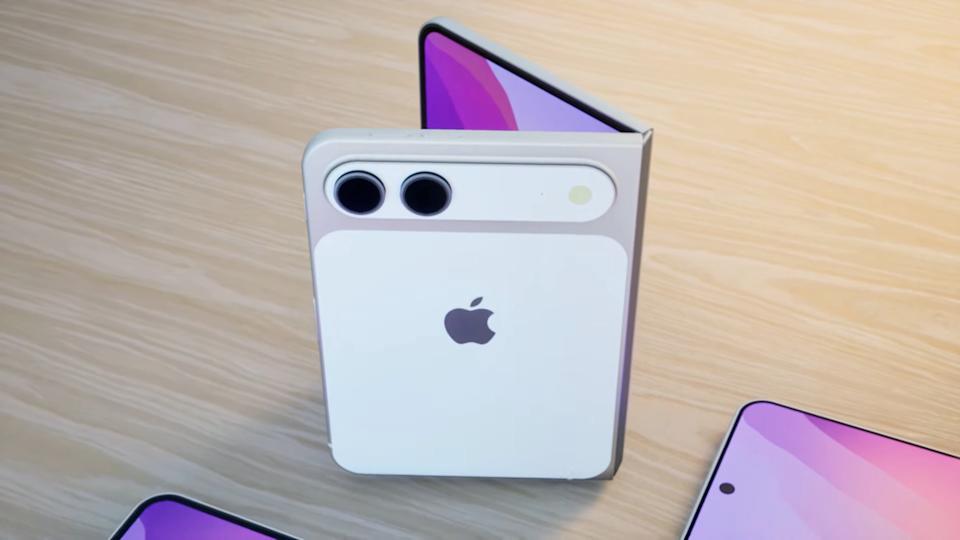
On the software side, the device will come with iOS 27, which will be specially developed to support folding features. We expect to see features inspired by iPadOS, such as the ability to run multiple apps side-by-side, flexible window resizing, and a very smooth transition of apps between the small and large screens when opening or closing the phone.
Market Challenges and the Difficult Bet
Despite all these impressive specifications, Apple faces two major challenges: the first is the price, which could reach $2,000, a figure that places it in the category of very luxury devices. The second is the competition, which has come a long way; by 2026, competitors will have reached the eighth or ninth generation of their foldable devices.
However, Apple is betting on the loyalty of its audience and the integration of its ecosystem. The company aims to capture 20% of the foldable phone market in its first year alone. Will it succeed? If it delivers a device without manufacturing flaws and a software experience that surpasses Android, then perhaps the 20% is just the beginning.
Source:

Leave a Reply