Samsung reaches a trillion-dollar valuation, OpenAI is working rapidly to produce its first smartphone, the standard iPhone 18 is more similar to the cheaper iPhone 18e, the iPhone 18 Pro will continue to use an anodized aluminum chassis like the iPhone 17 Pro despite complaints about scratches, a new ChatGPT update makes it smarter, a new leak regarding the iPhone Ultra, the start of trial production for Apple’s 1.4nm processors, and other exciting news on the sidelines…

New leak reignites debate over the size of the Dynamic Island on the iPhone 18 Pro
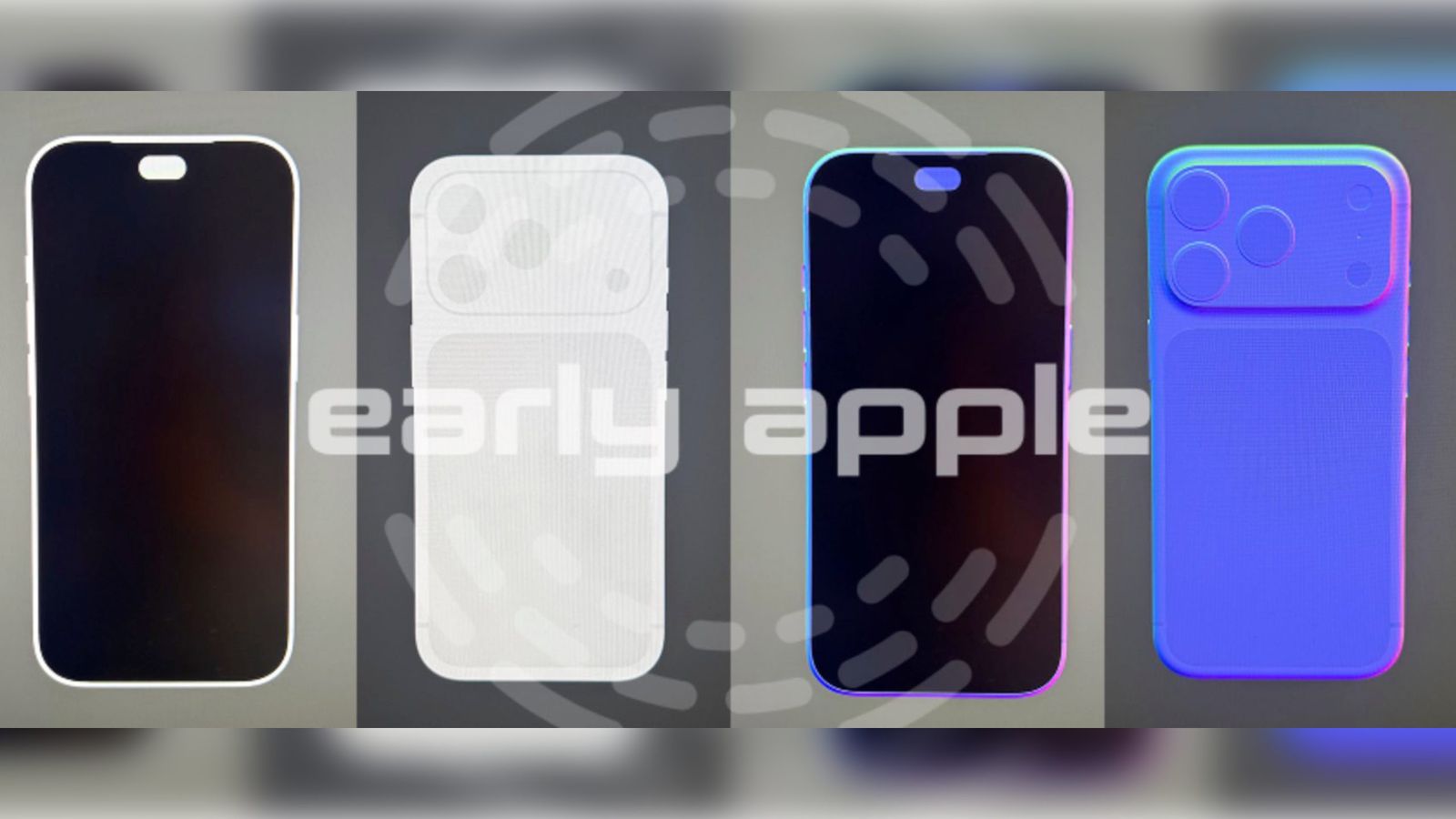
Leaked design images of the iPhone 18 Pro have reignited the debate over whether Apple will shrink the size of the Dynamic Island or keep it as is. According to the leaks, Apple may use new technologies to move some Face ID components under the display, allowing for a reduction in the Dynamic Island area and making the phone’s interface more elegant. However, reports remain conflicting; some leakers confirm that the change is coming this year, while others believe Apple will postpone the idea until the iPhone 19. Apple is expected to officially unveil the iPhone 18 Pro along with the first foldable iPhone this fall.
Apple may break a 10-year strategy in chip manufacturing
New reports state that Apple may partially abandon its complete reliance on TSMC for manufacturing its processors, a partnership that has lasted since 2016. The company is currently exploring the possibility of producing some low-cost chips with another company, a move that could help it reduce costs and address global supply crises.
Although Apple’s current processors are considered among the most powerful in the market, the increasing demand for artificial intelligence technologies and new devices is pushing the company to rethink its future strategy. So far, Apple has not confirmed any official change, but this step could be the beginning of a new phase in the design and production of its upcoming device processors.
watchOS 27 may introduce new faces for Apple Watch
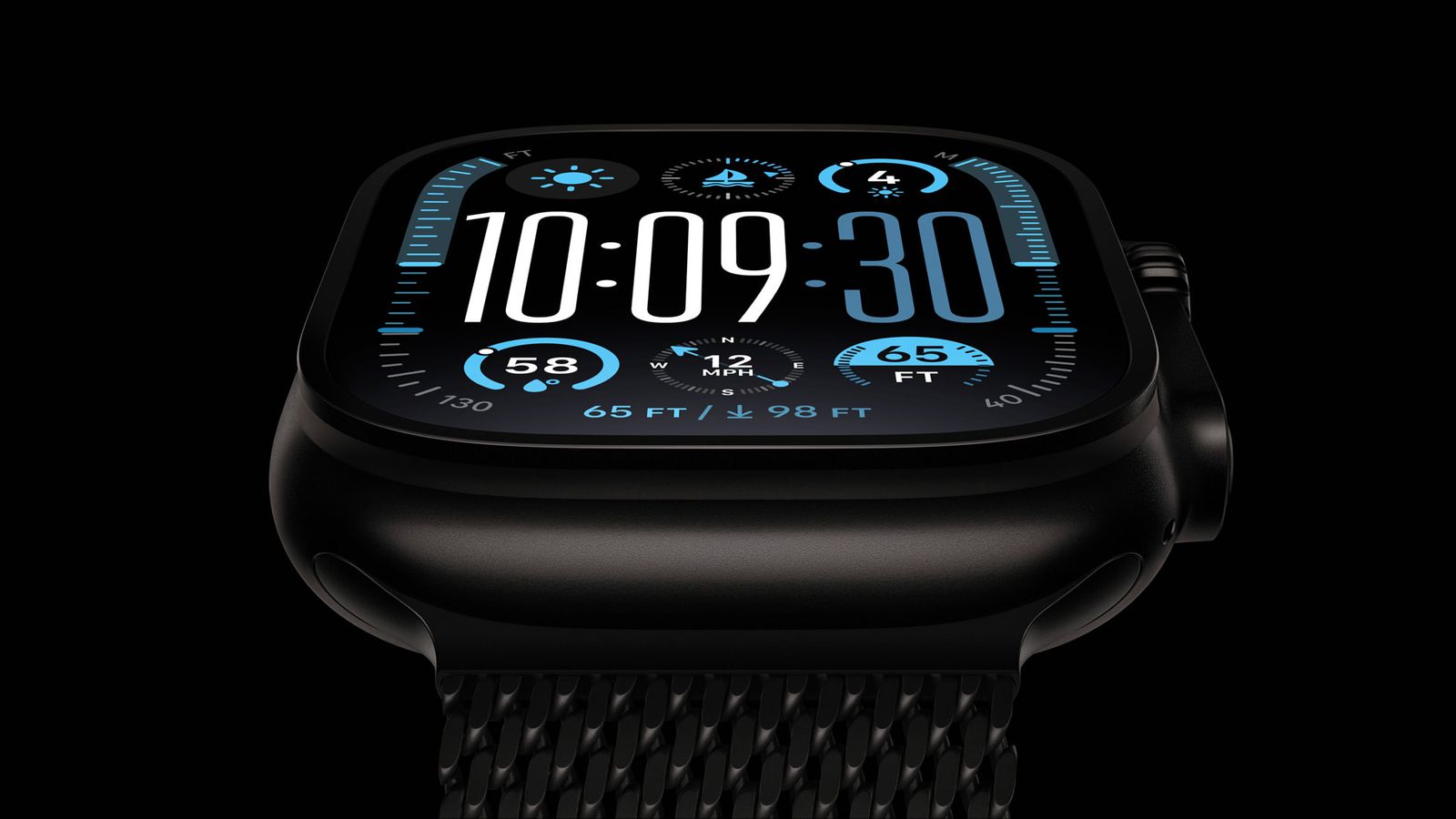
Apple is working on developing a new set of watch faces in watchOS 27, including a simplified version of the famous “Modular Ultra” face that was exclusive to Apple Watch Ultra models, which may finally arrive on standard watches.
Leaks also indicate Apple’s continued interest in further customizing the appearance of the face, with the addition of interactive elements and new designs. The official unveiling of the system is expected during the WWDC 2026 conference next June.
App Store monthly subscriptions will become more flexible
Apple has announced a new system for App Store subscriptions that allows users to pay monthly while committing to a 12-month period. The new idea gives users a lower price similar to an annual subscription, but without having to pay the full amount upfront. Apple believes this method may help developers attract a larger number of subscribers, especially for people who prefer monthly payments over annual ones. The user can cancel the subscription later, but only after the agreed-upon commitment period ends.
Apple warns that Mac shortages will continue for several months
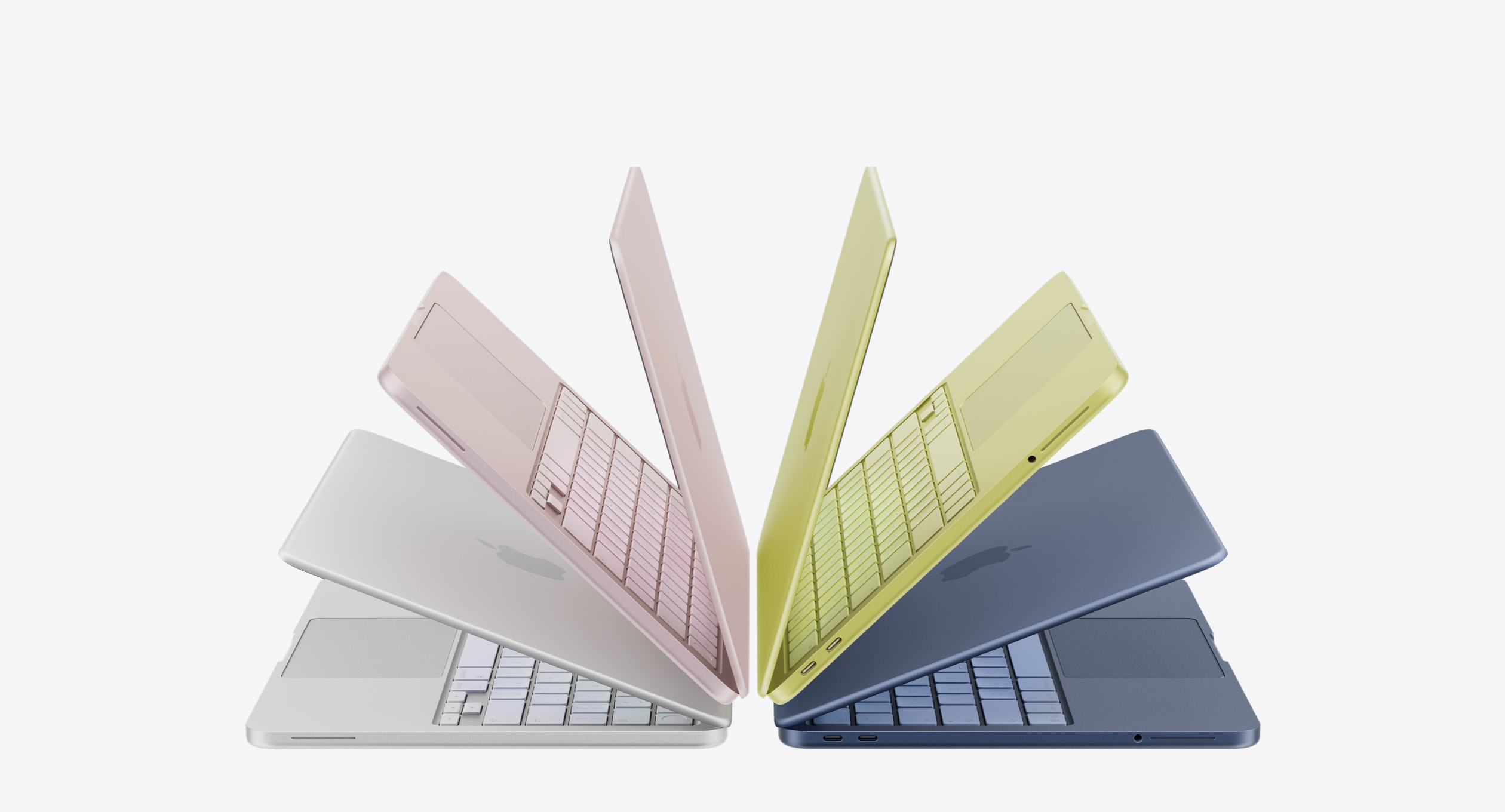
Apple announced that some Mac devices, such as the Mac mini, Mac Studio, and MacBook Neo, are currently suffering from availability shortages due to very high demand. Tim Cook explained that the high turnout, especially from developers and companies interested in artificial intelligence, has caused significant pressure on production and supply lines.
The company added that some of these devices may need several months for the balance between demand and production to return, especially with the continued shortage of some advanced components used in processor manufacturing. The report also noted that the budget-friendly MacBook Neo has achieved great success and attracted a large number of new users to Mac devices.
Upcoming Apple smart glasses may support gesture control and dual cameras
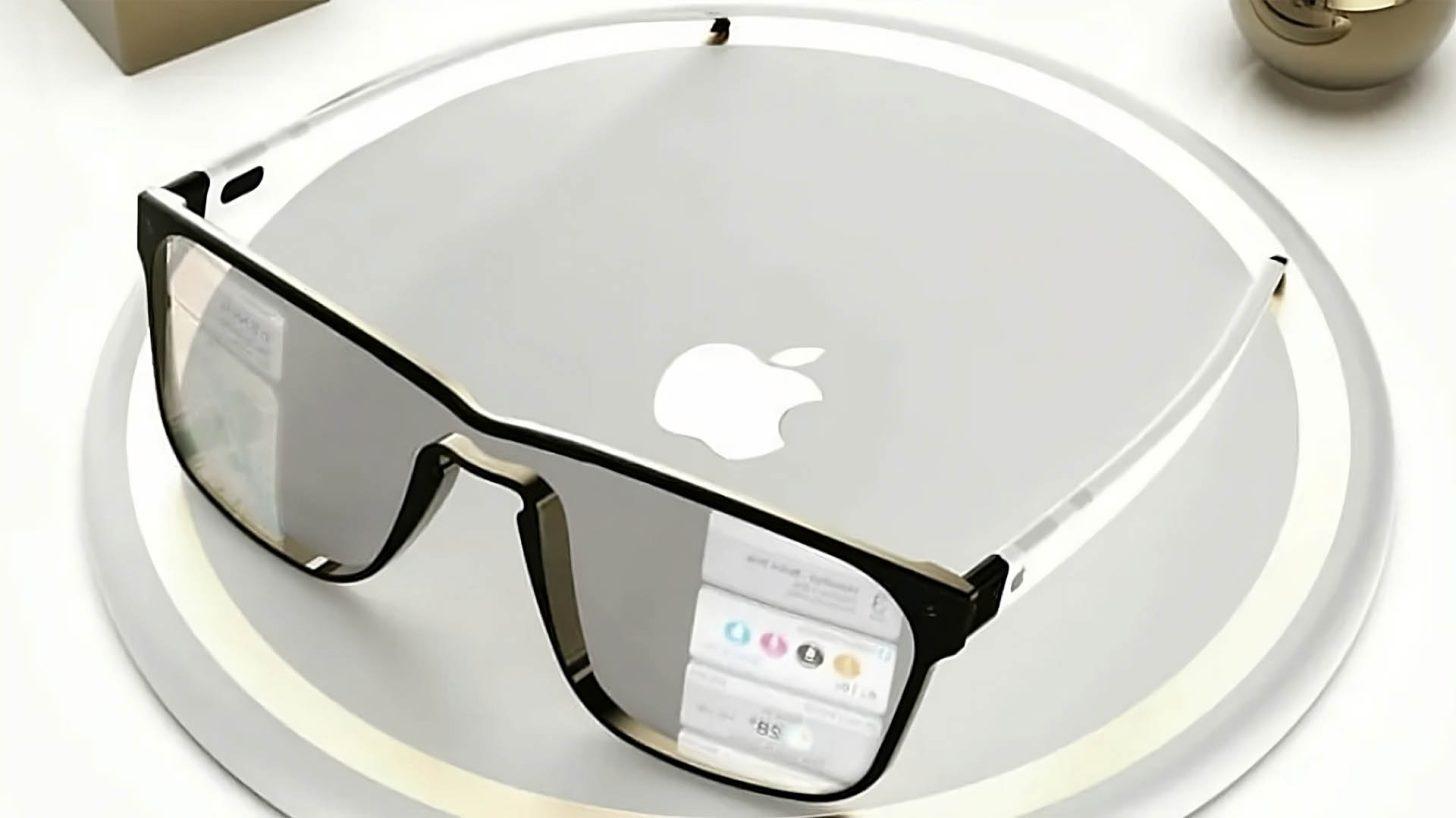
A new report revealed that Apple is working on developing advanced smart glasses that will support control via hand gestures without the need to touch the screen or use traditional buttons. The glasses are also expected to contain two cameras to help understand the surrounding environment and provide smart features based on artificial intelligence. Apple aims with these glasses to provide a more natural and easy user experience, with the ability to use them for navigation and interacting with applications and daily information in a fast and convenient way. Leaks indicate that the launch could take place during 2027 if the development process goes as planned.
Satellite connectivity may reach nearly half of all phones by 2030
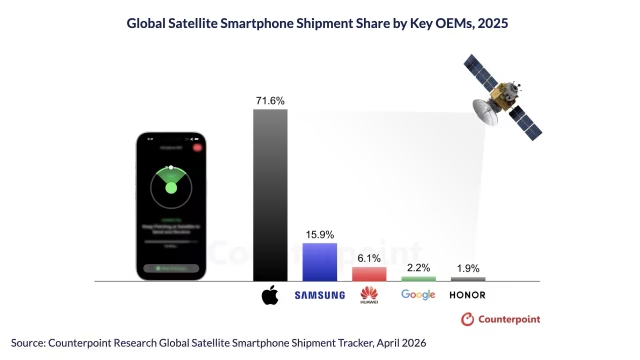
A new report indicates that satellite connectivity technologies will become widely prevalent over the coming years, with about 46% of smartphones globally expected to support them by 2030. Apple is considered one of the first companies to introduce this technology with the iPhone 14 series. This feature helps users send messages and request help even in places where traditional phone networks are unavailable, making it very useful while traveling or in remote areas. Experts expect this technology to become an essential part of future phones.
TSMC begins trial production of Apple’s 1.4nm processors
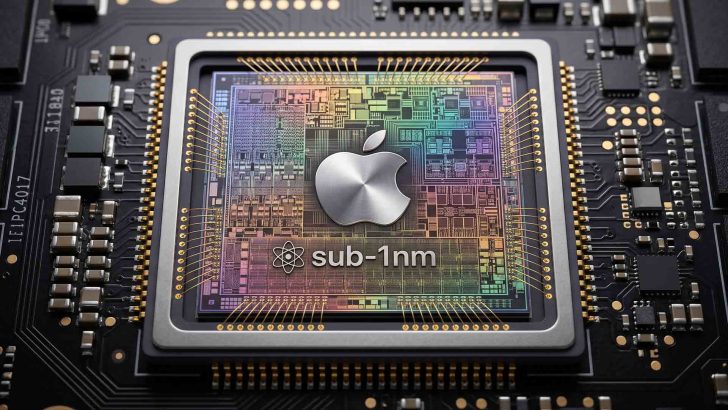
TSMC, Apple’s main partner in processor manufacturing, has begun the trial production phase for the new 1.4nm technology, which Apple is expected to use in the future in upcoming iPhone and Mac devices. This technology aims to provide higher performance with lower power consumption compared to current generations. Reports indicate that these processors will help improve the speed of applications, games, and artificial intelligence features, while maintaining battery life for longer periods. Apple also continues to invest heavily in developing its own processors to maintain its lead in performance and efficiency.
Reason for the delay of the iPhone 18 launch according to a leaker
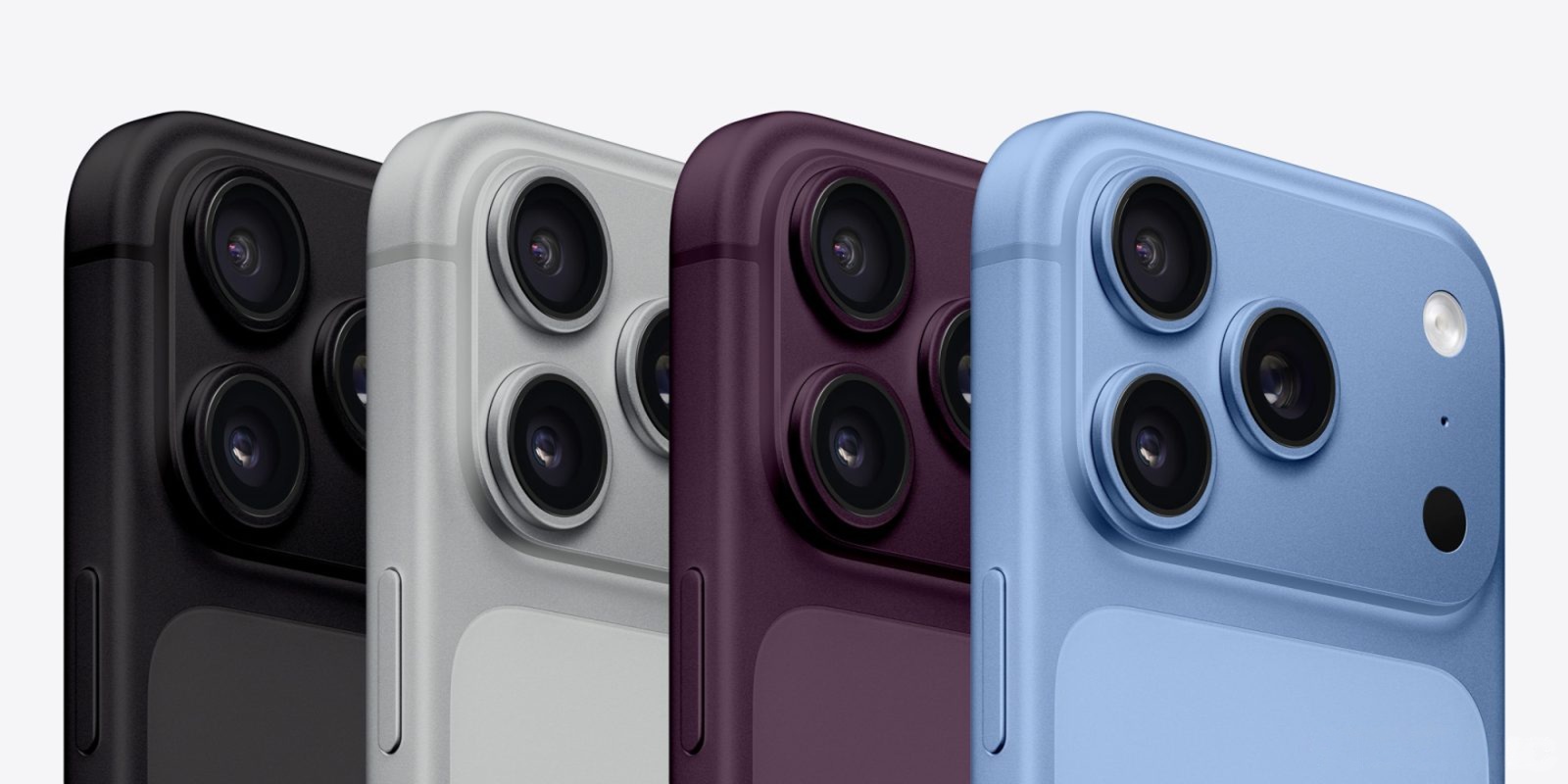
The well-known leaker Fixed Focus Digital revealed that Apple has decided to delay the launch of the standard iPhone 18 as part of a calculated marketing strategy, aimed at giving the iPhone 17 series a longer sales period and reducing production costs. It is said that the company is also facing some pressures related to global supply chains.
Reports indicate that Apple plans to launch Pro devices first and then the standard versions later, with the possibility of reducing some specifications in the iPhone 18 compared to the previous generation. The iPhone 18 is expected to be launched in the spring of 2027 instead of the usual fall of 2026.
Google confirms: Pixel phones will not get Apple’s “Liquid Glass” design
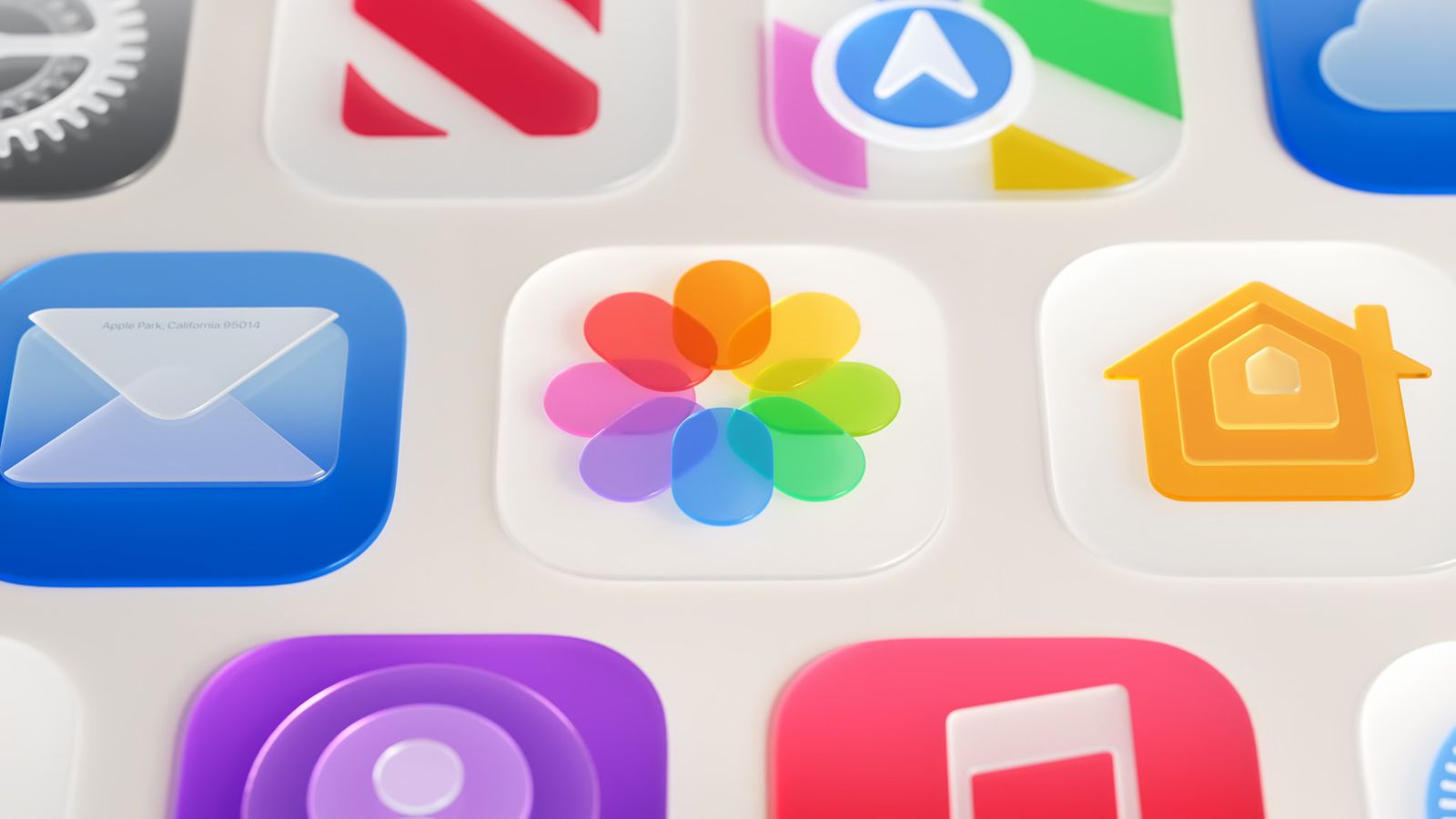
Google confirmed that Pixel phones will not adopt the “Liquid Glass” design that Apple recently introduced in iOS 26 and its other systems. This came after a conceptual image spread on social media showing an Android interface with a transparent design similar to Apple’s interface, which prompted Google’s head of Android, “Sameer Samat,” to respond sarcastically, saying that this “will not happen.” Nevertheless, it seems that Google is working on adding some transparent and blurry effects in Android 17 to give the interface a softer and more modern look, but without completely imitating Apple’s design. Google is expected to officially reveal more details about Android 17 on May 12.
Samsung reaches a trillion-dollar valuation amid talk of a new collaboration with Apple
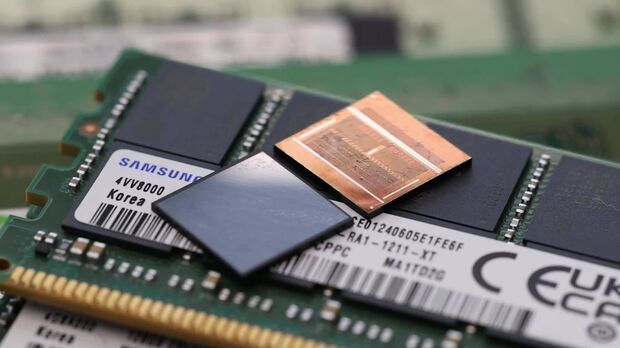
Samsung has succeeded in reaching a market valuation of one trillion dollars for the first time in its history, driven by the high demand for the memory chips and processors it manufactures. This rise came after the company announced strong earnings in the semiconductor sector that significantly exceeded analysts’ expectations. Reports also spread indicating that Apple is in talks with Samsung and Intel to help manufacture its device processors, after it faced a shortage in the supply of A19 chips for the iPhone 17 series from TSMC.
Samsung is currently working on developing advanced manufacturing technologies at 1.4nm and 2nm, which are technologies that Apple is expected to rely on in the future in its upcoming devices such as the iPhone 18. Although Samsung’s phone division is facing pressure due to high manufacturing costs, the electronic chip sector is still achieving strong growth, especially with the continued high demand for server and artificial intelligence chips in the coming period.
Apple wins a legal battle over a fruit logo that resembles its own
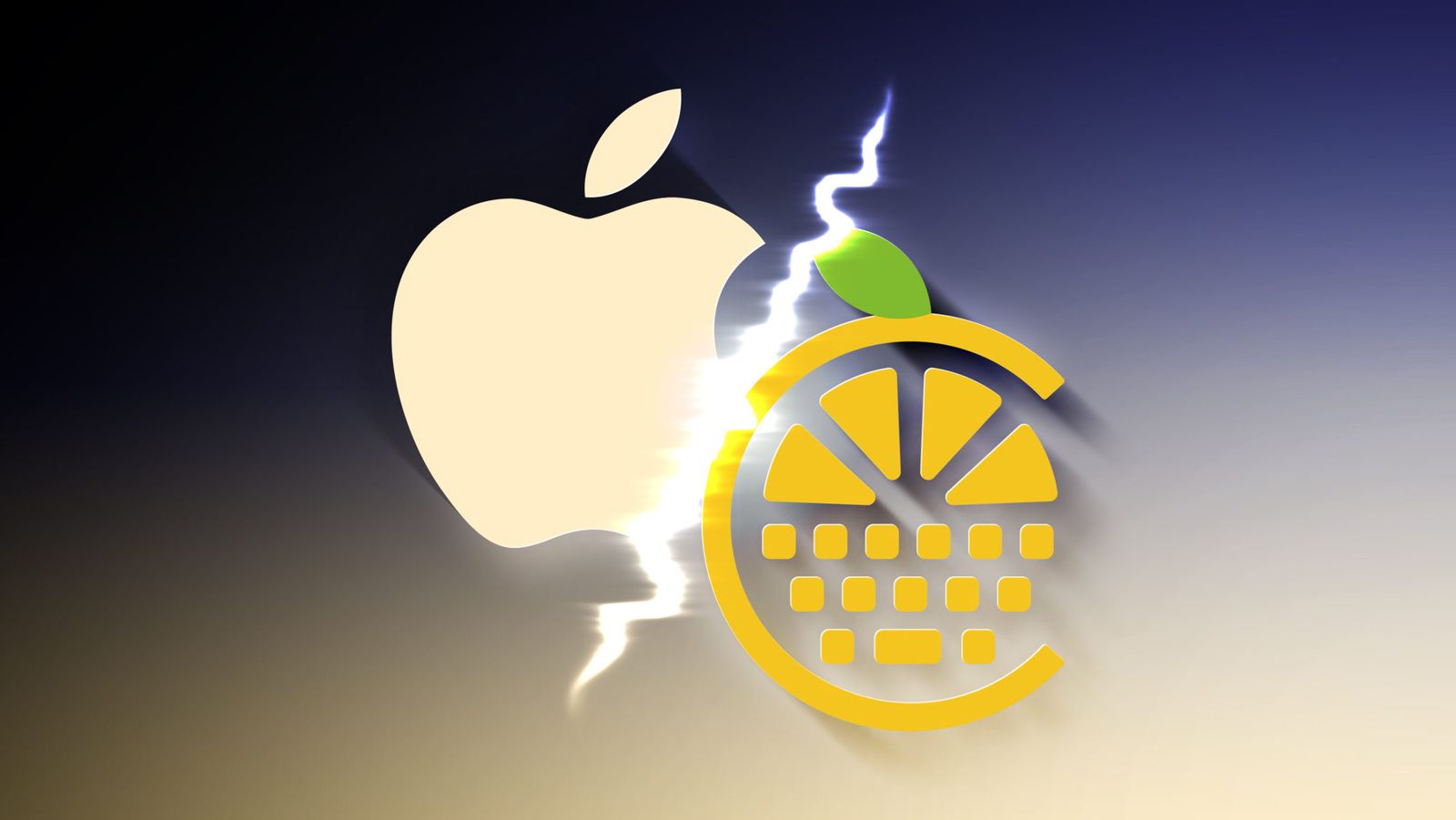
Apple won a legal objection in the European Union against a Chinese company that manufactures keyboards, after it considered that its logo, which bears the shape of a circular fruit with a green leaf, might remind users of Apple’s famous logo. Although European authorities felt the logo looked more like an orange than an apple, they partially agreed with Apple due to the strength of its brand fame and the possibility that people would associate the two logos. Consequently, the company was banned from using the logo on computer products and keyboards, while it was allowed to use it on other products such as solar panels.
Leak: The foldable “iPhone Ultra” may be the easiest to repair
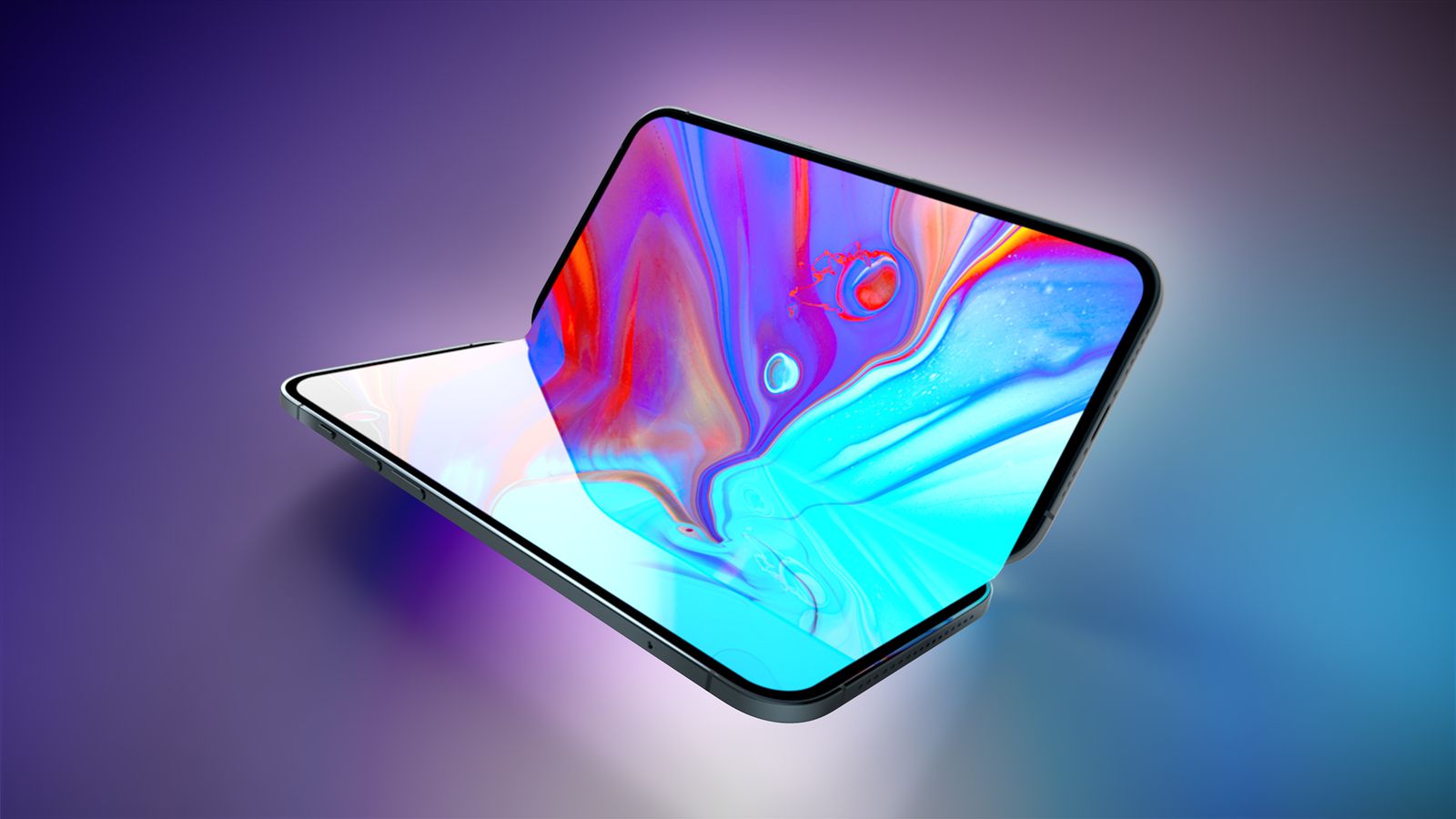
A well-known leaker revealed that Apple’s foldable phone, expected to be named “iPhone Ultra,” may become the easiest foldable phone to disassemble and repair compared to competitors. According to the leaks, Apple has adopted a new internal design that reduces the complexity of wires and cables inside the device, making its maintenance easier and providing more space for the battery and screen. It is said that the phone will come with the largest battery in the history of the iPhone, with a 7.8-inch internal screen, a 5.5-inch external screen, an A20 processor, a Touch ID sensor, and two rear cameras. Expectations indicate that Apple may unveil the device alongside the iPhone 18 Pro phones in the fall of 2026, at a price that could reach $2000.
iPhone 18 Pro may get a more advanced screen and better battery life
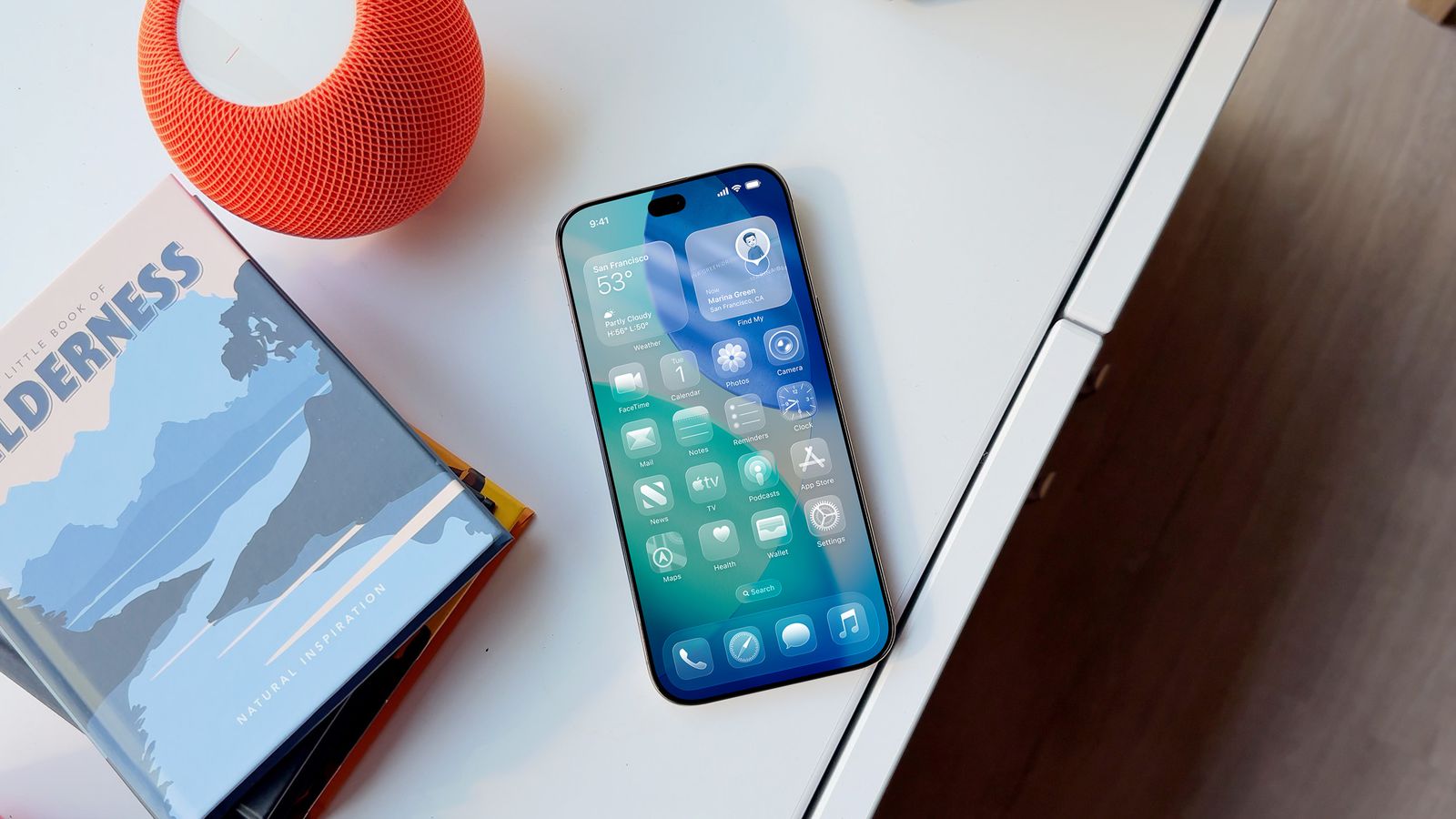
New reports indicate that Apple is preparing to use upgraded OLED screens in the iPhone 18 Pro and iPhone 18 Pro Max phones, with significant reliance on Samsung and LG for manufacturing, while the Chinese company BOE has dropped out of the competition due to quality and production issues. The phones will rely on a new technology known as LTPO+, which is expected to help reduce power consumption and improve battery life by controlling screen brightness more precisely according to usage conditions. Leaks also indicate that Apple may move some Face ID components under the screen, which could lead to a reduction in the size of the Dynamic Island in the upcoming phones expected to be unveiled in September.
New ChatGPT update makes it smarter, more accurate, and uses fewer emojis

OpenAI announced an update to the default model in ChatGPT to GPT-5.5 Instant, which provides more accurate answers and reduces errors and incorrect information, especially in sensitive fields such as medicine, law, and finance. The model has also become better at analyzing images, answering scientific questions, and choosing the right time to use internet search to get better results. OpenAI also focused on making responses shorter and clearer without excessive emojis or repetitive questions, while maintaining ChatGPT’s natural style. The update has begun reaching all users, while advanced customization features will be available to Plus and Pro subscribers first before expanding to the rest of the users later.
Miscellaneous News
◉ Apple has agreed to pay $250 million to settle a class-action lawsuit accusing it of misleading advertising after delaying the smart “Siri” features that were promoted with the launch of the iPhone 16. The case alleged that the company led consumers to believe in features that were not actually available, prompting them to buy devices with non-existent features. The settlement will give users in the United States compensation ranging from $25 to $95 per eligible device, while Apple confirmed that it ended the case to continue focusing on developing its products and services, noting that it has already added many “Apple Intelligence” features since 2024.
◉ Leaks indicate that the iPhone 18 Pro will continue to use an anodized aluminum chassis like the iPhone 17 Pro, despite user complaints about its susceptibility to scratches and color changes in some versions. Apple considers these issues a natural part of the aluminum material and not a manufacturing defect, which has sparked dissatisfaction among some customers. The new phone is expected to be released in September 2026 in new colors such as dark red, light blue, dark gray, and silver, along with the announcement of the first foldable iPhone.
◉ New leaks indicate that the standard iPhone 18 will share many components with the cheaper iPhone 18e, meaning the difference between them will clearly shrink. It is said that Apple has made cuts in specifications such as the screen and processor to reduce costs, and this may lead to a significant convergence between the two devices compared to what was the case with the iPhone 17 and the 17e version. The iPhone 18, 18e, and iPhone Air 2 are expected to be launched in the spring of 2027, while advanced versions such as the iPhone 18 Pro and iPhone Ultra will be announced in the fall.
◉ Analyst Ming-Chi Kuo revealed that OpenAI is working rapidly to produce its first smartphone based on an “AI agent,” with plans to launch it in the first half of 2027. The phone will rely on a custom processor from MediaTek and will feature advanced capabilities in image processing and multitasking such as vision and language, in addition to security technologies to protect data. If the project succeeds, its sales could reach 30 million devices during 2027 and 2028, making it a direct competitor to Apple products such as smart glasses and upgraded AirPods.
Sources:
1 | 2 | 3 | 4 | 5 | 6 | 7 | 8 | 9 | 10| 11 | 12 | 13 | 14 | 15 | 16 | 17 | 18 | 19


Leave a Reply