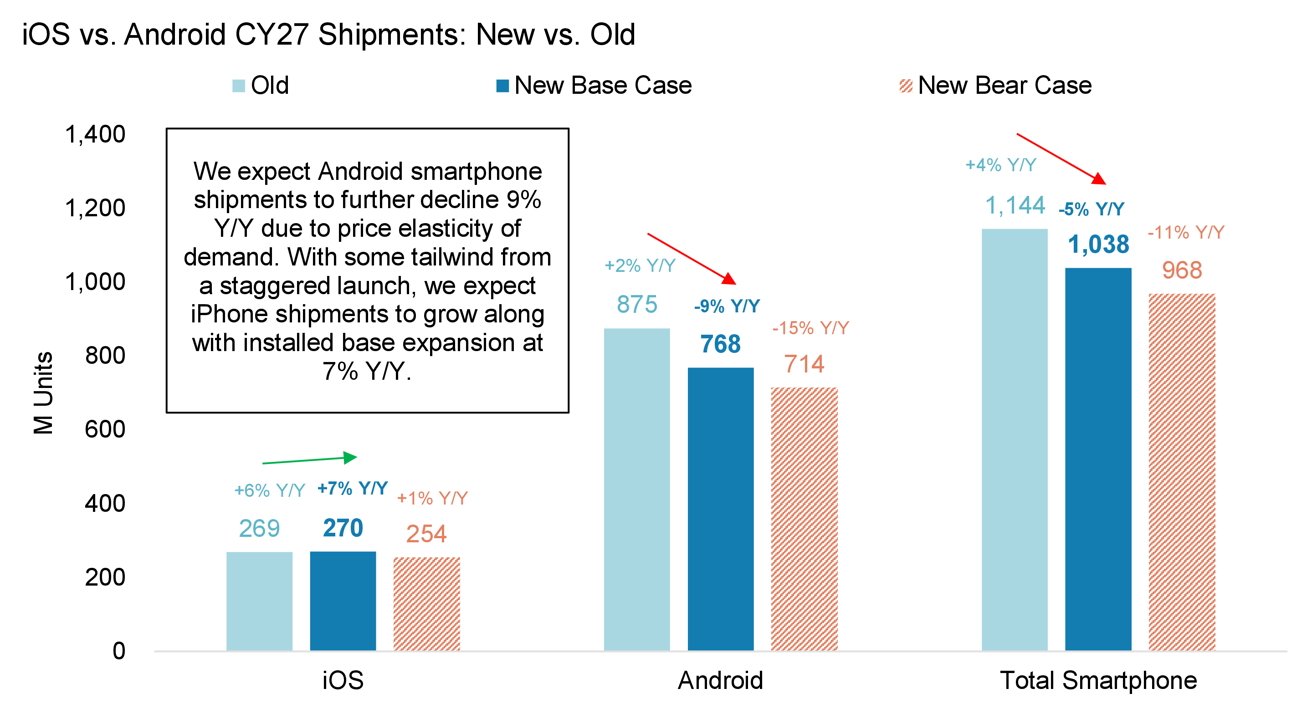
The global smartphone market is going through difficult times due to rising memory and storage costs, along with an economic recession, which has caused companies to suffer a noticeable decline in sales. However, amidst this gloomy atmosphere, the latest reports from Morgan Stanley indicate that Apple is experiencing a completely different story, with projections for iPhone shipments to grow by 7% by 2027.
User loyalty and the secret to Apple’s sales resilience
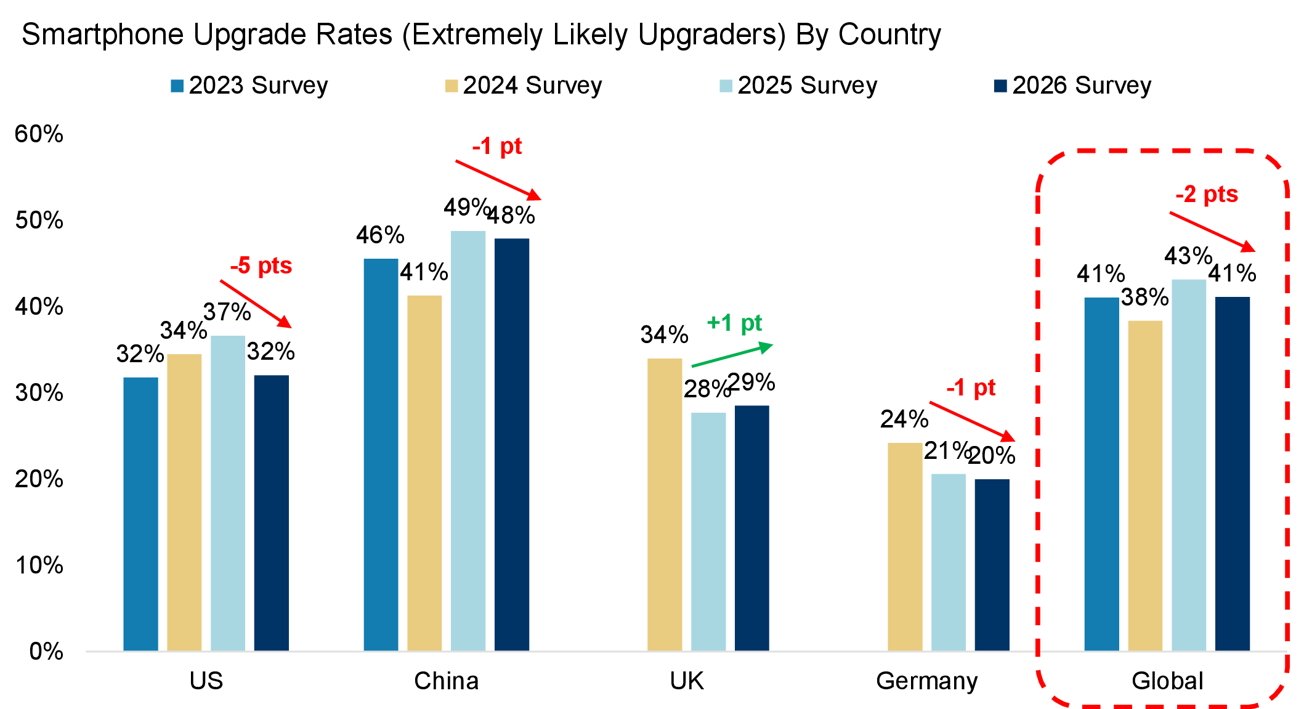
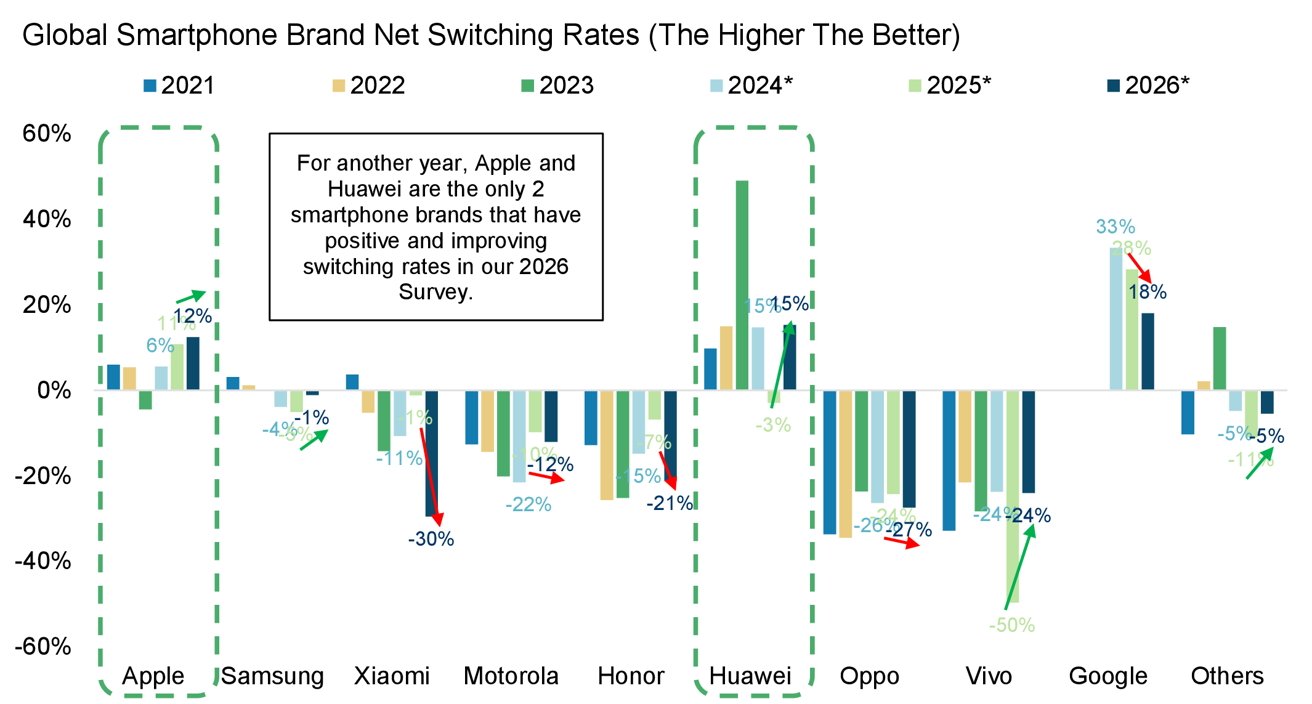
A survey conducted by the bank, which included thousands of users, revealed that the phone upgrade cycle has reached a record level of 4.4 years, as people are keeping their devices for longer periods. Despite this slowdown, iPhone users have maintained their enthusiasm, with Apple recording a customer loyalty and retention rate of 93%, and a positive switching rate of 12% from other platforms.
This stability puts Apple on track to capture about 26% of total global smartphone shipments by 2027. The active iPhone device base is also expected to exceed 1.7 billion devices by the end of that year, further supported by a smart launch schedule that sees the arrival of the base iPhone 18 and the slim iPhone Air in the spring of 2027.
iPhone Duo entices Android users
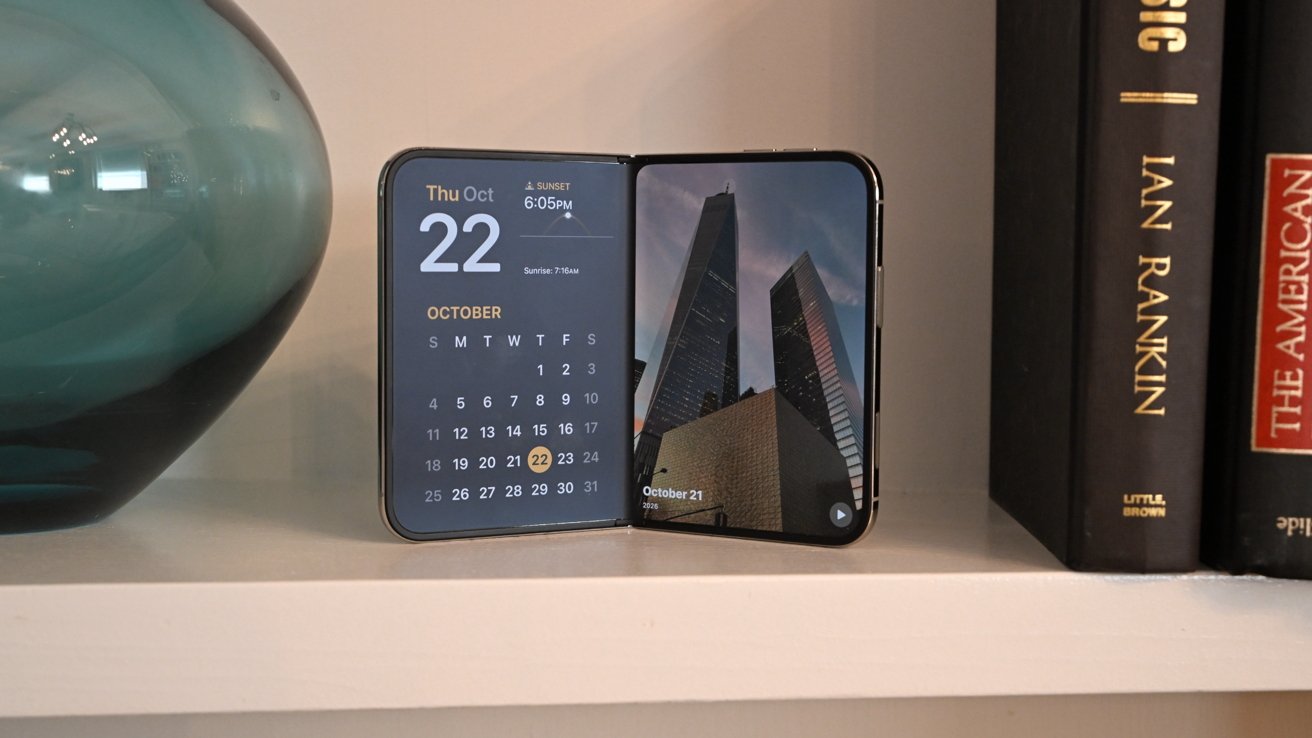
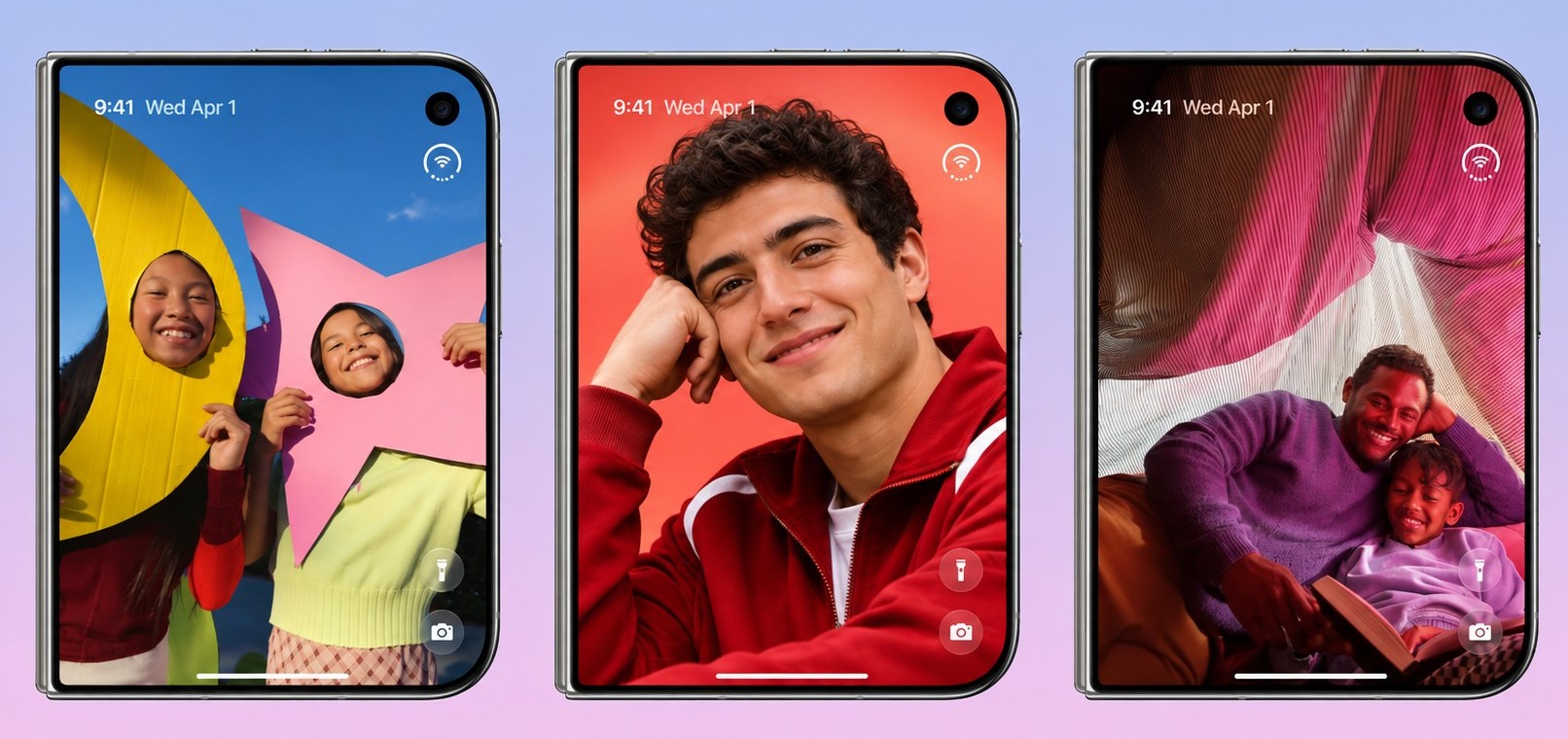
The most notable surprise in the report was the foldable iPhone Duo, which is sold at a high price of $1,999. The survey showed that 22% of Android users are genuinely interested in switching to it, with China leading this desire at 34%, followed by the United States at 17%.
Certainly, the high price remains the primary obstacle to widespread adoption of the phone, as 28% of hesitant users considered the cost to be excessive, while others expressed concerns regarding the durability of the foldable screens and the hinge mechanism in the long term.
Apple Intelligence declines as a direct reason for upgrading

An interesting observation is the fading luster of “Apple Intelligence” as a primary incentive for purchasing a new phone, as it dropped from fourth to seventh place among the most important reasons for upgrading. Instead of AI features, users have returned to focusing on classic basics such as battery life and the device’s eligibility for updates.
Users’ willingness to pay monthly subscriptions for AI has also declined, meaning that these technologies now help in choosing a brand in general, but they no longer drive users to change their phones quickly if their current devices are still doing the job.
Source:

Post Comment