In the world of technology, being first isn’t everything; the true value lies in how you reach the user. Looking back at Apple‘s journey over many decades, it becomes clear that its excellence doesn’t depend on being the first to innovate, but on its clever ability to read the mistakes of others and then reintroduce the same idea in a way that makes it more attractive and essential in users’ lives. Despite the criticism it has faced for being late to enter certain fields like foldable phones and an AI assistant to compete with ChatGPT, Gemini, and others, this delay is often part of its strategy. Apple does not seek to provide an incomplete experience; instead, it waits for the decisive moment when it can deliver a mature product that redefines the entire category. In this article, we review five notable moments where Apple succeeded in changing the rules of the game, turning ideas that previously failed into iconic products that achieved widespread adoption across the globe.
The iPhone
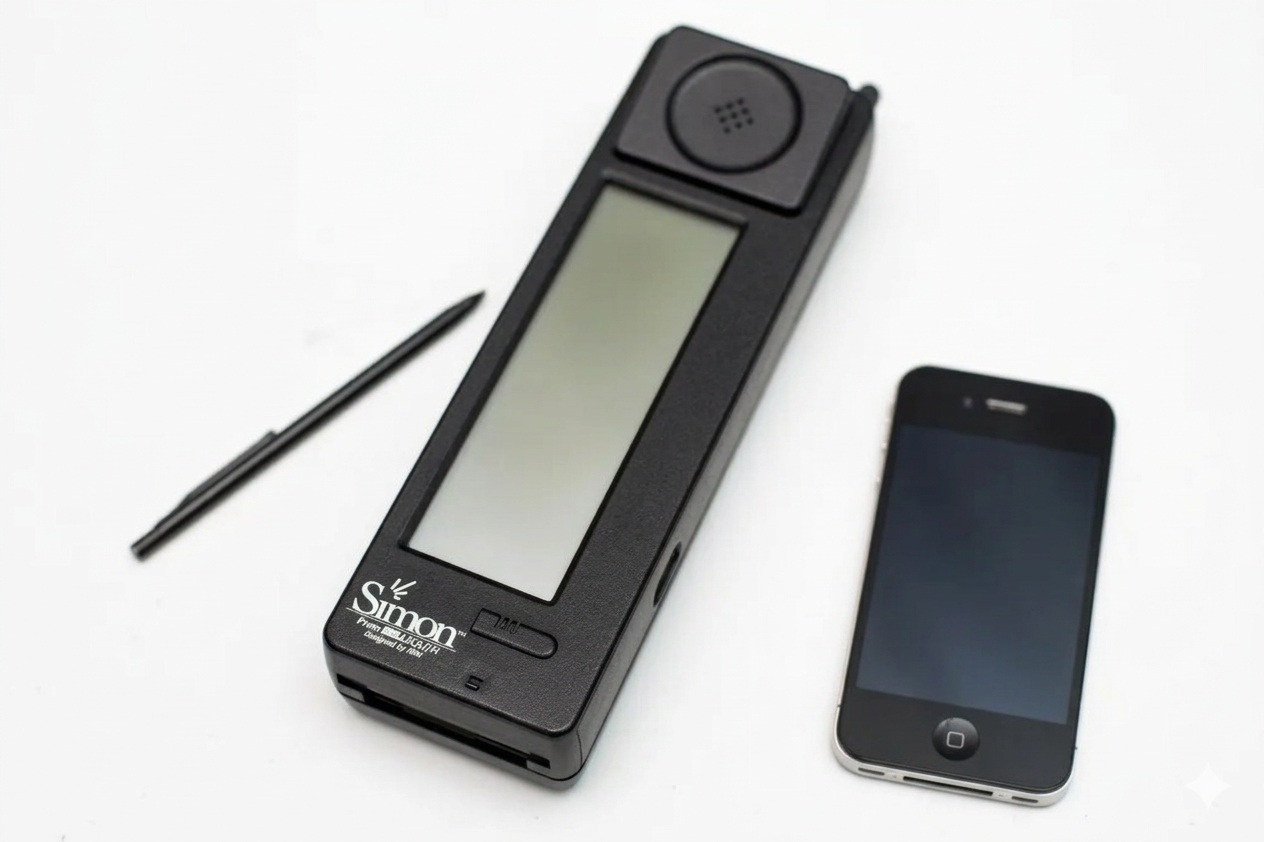
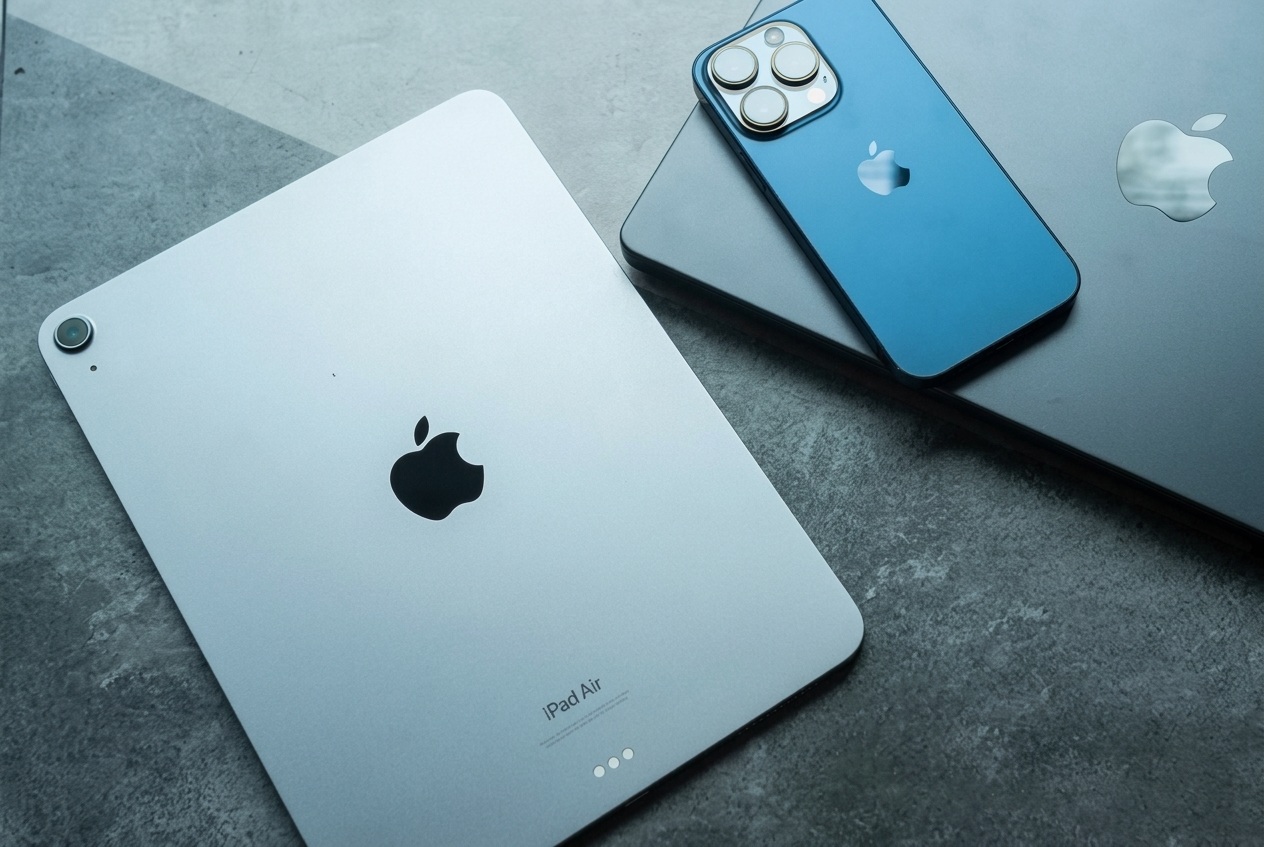
The iPhone was not the first smartphone ever; it was preceded by devices like the IBM Simon, but they did not achieve widespread popularity due to their complexity and lack of suitability for the average user. That changed when Apple launched the first generation of the iPhone in 2007. Its success is likely due to its creation of a seamless user experience. It introduced a large screen instead of a physical keyboard, along with the integration of phone, music, internet, and email. The result was stunning, as this simplicity became a turning point. After smartphones were restricted to a limited category, within a few years, they became the best-selling and first choice for most users around the world.
The iPad
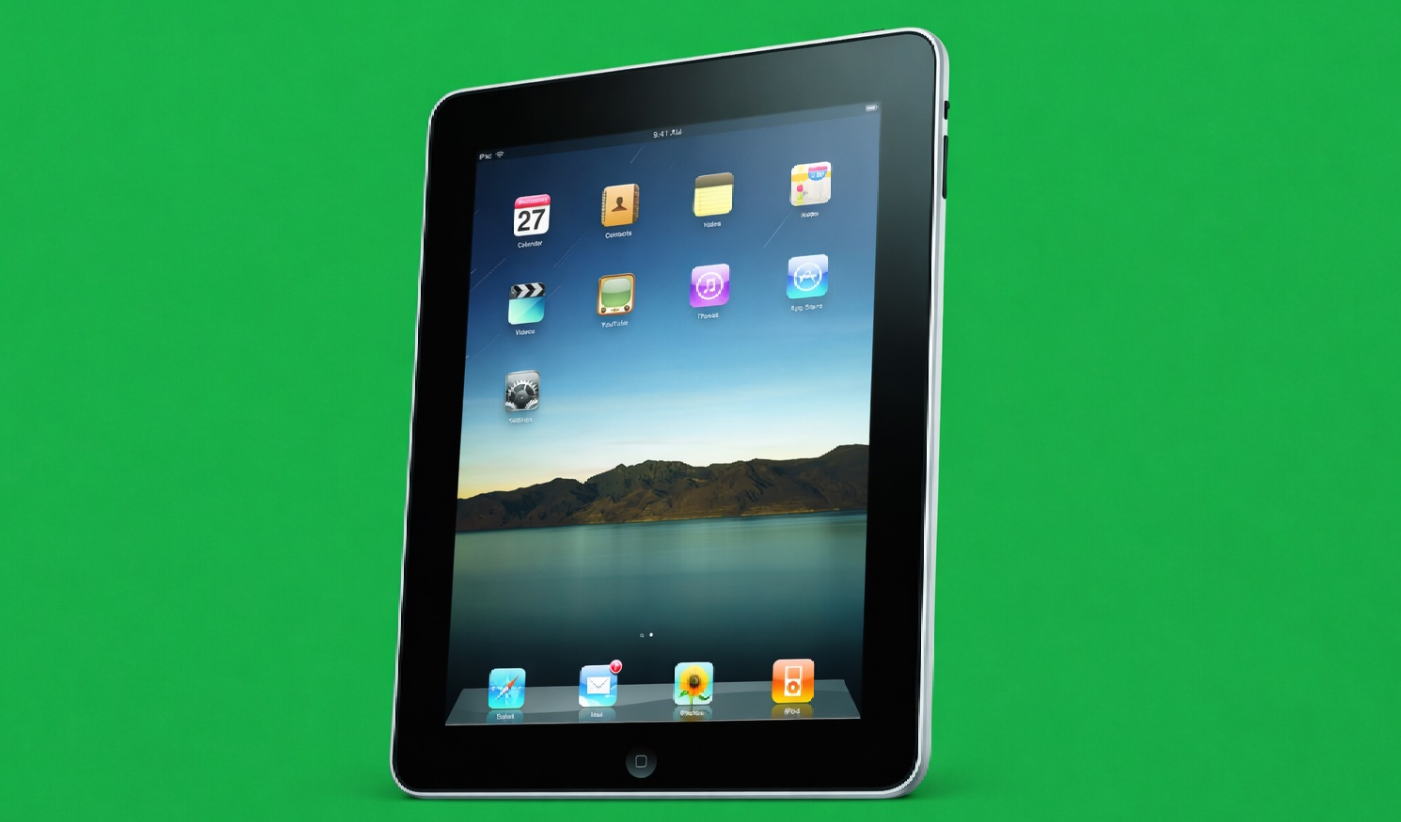
The idea of tablets is not new; they appeared decades ago and were commercially released in the late eighties, but they failed to attract users due to their large size, high cost, and complex user experience. However, when Apple entered this field in 2010 with the iPad, it didn’t so much invent the idea as reintroduce it in a practical and attractive way. By designing a thinner device with fast performance and a simple user experience, all starting at $499. The result was clear: within just one year, the iPad achieved huge sales and revived a category that was on the verge of extinction, turning it into a thriving global market worth billions of dollars.
The iPod
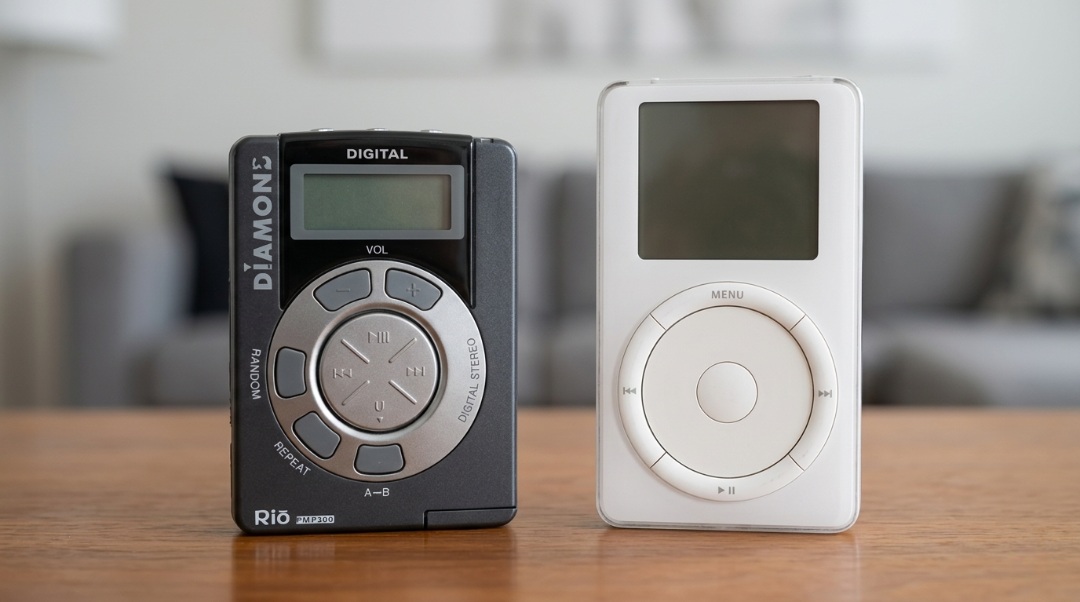
The iPod was not the first music player; it was preceded by products like the Diamond Rio PMP300, which achieved massive fame and sold over 400,000 units in the late nineties. However, digital music players remained unattractive to many, as those devices had limited capabilities and did not truly change user behavior. Apple decided to approach the idea of a music player from a completely different angle. It didn’t focus just on the device, but on the entire experience. While other devices could barely hold a few songs, Steve Jobs announced the iPod with the famous slogan “1,000 songs in your pocket.” This vast difference in capacity made users rush to buy it, even though its price was double that of its competitors.
PowerBook 100
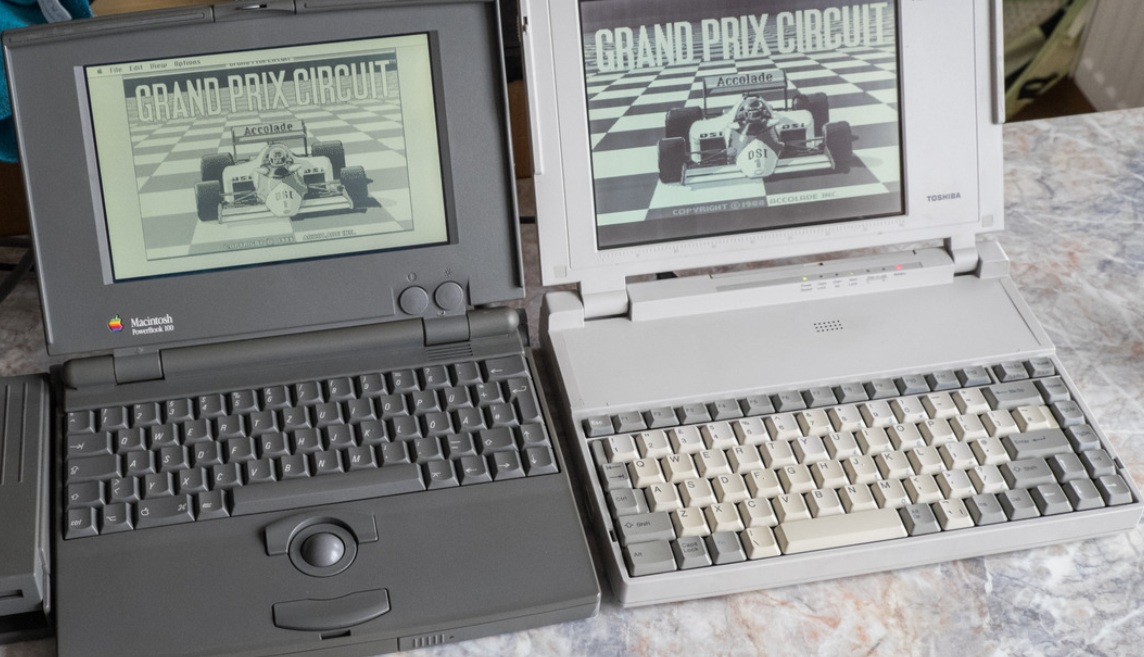
Have you ever wondered why the trackpad is in the middle of the laptop below the keyboard? This design, which we consider intuitive today, traces its origin to the PowerBook 100, which Apple launched in 1991. Before that, laptops suffered from poor design, with the keyboard placed at the front without any consideration for user comfort or hand positioning. Apple flipped the equation and rethought the entire user experience, introducing a new concept for palm rest and component organization. It can be said that this change was not minor; it laid the foundation upon which most modern laptops operate, whether they run Windows or Chrome.
Macintosh
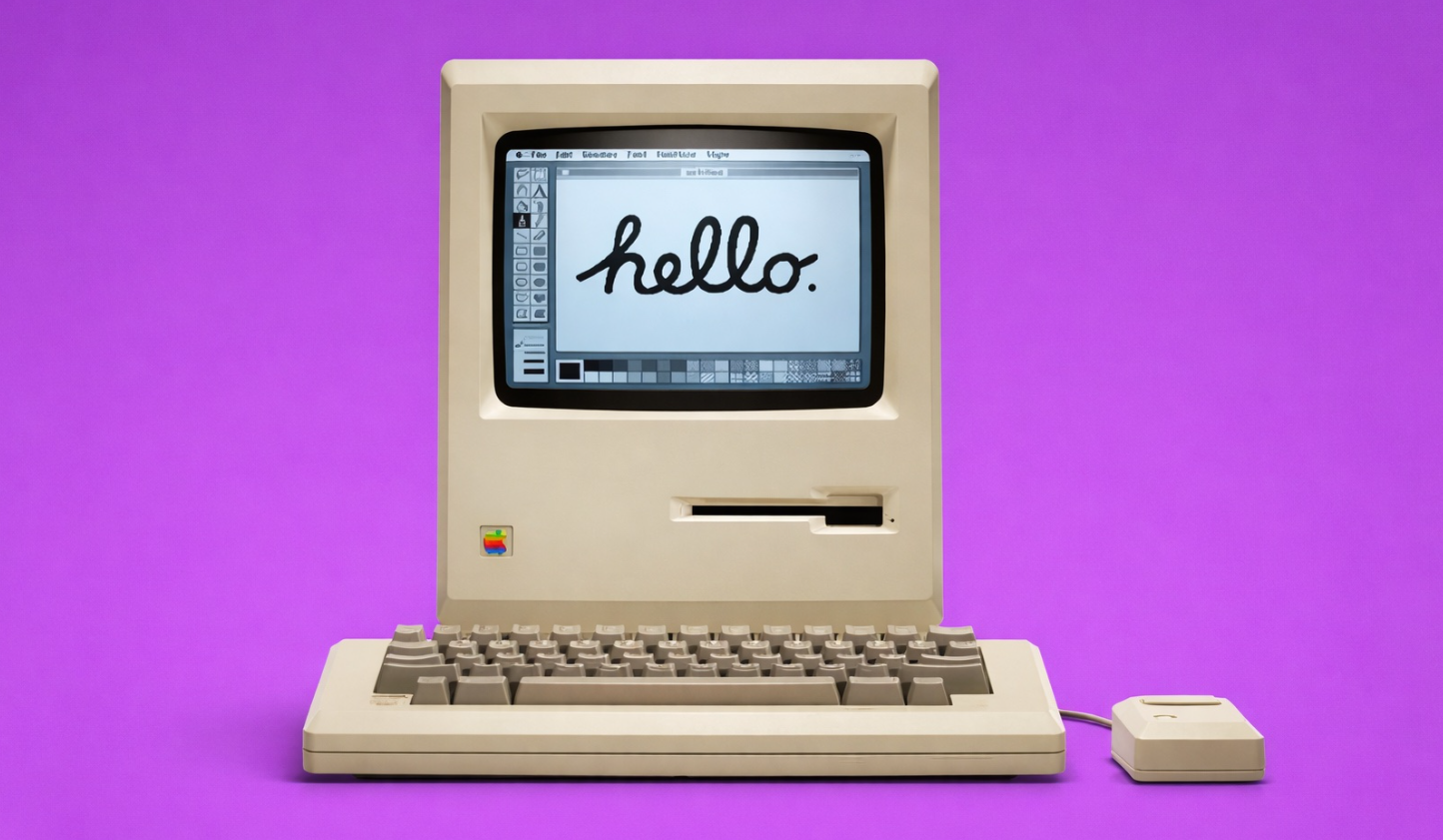
In the early eighties, using a computer was not easy; it was limited to those who knew how to handle complex text commands like DOS. Everything depended on typing precise commands, which made the experience far from the average user. But in 1984, Apple changed the scene by launching the Macintosh, which introduced a graphical interface that relied on clicking with a mouse instead of typing commands. Suddenly, interacting with a computer became simpler and clearer, and the user moved from entering commands to direct visual interaction like drag-and-drop. This shift did not go unnoticed; it pushed other companies, led by Microsoft, to adopt the same idea in their systems. Graphical interfaces later became the standard way to interact with digital devices everywhere.
We have reached the end after learning about the secret of Apple’s genius and how it managed to turn failure into success and huge profits. It can be said that winning doesn’t always mean arriving first, but arriving better than others. This is where Apple excels, as its ability lies in observing the stumbles of competitors and turning their failed and lackluster products into essential tools the world cannot do without.
Do you think Apple truly creates success or does it benefit from the ideas of others? Tell us in the comments!
Source:
Leave a Reply