Since the launch of ChatGPT in late 2022, OpenAI is no longer just a company developing AI models; it has become one of the most prominent names leading the global artificial intelligence sector. With its growing influence and increasing user reliance on its services, the company seems to be preparing for a bolder move: entering the smartphone market. But does an AI-based phone really have the power to change the game? Or will it collide with the same reality that previous attempts to challenge the dominance of traditional phones faced? This is what we will explore in the following lines as we analyze the idea from all angles and investigate whether the anticipated OpenAI phone represents the beginning of a new era or just an ambitious experiment that will struggle to shake the iPhone’s throne.
From software to hardware
OpenAI has built its business around software and cloud platforms that provide access to AI technologies through digital applications and services, rather than producing phones or physical hardware. However, this model has always left it at the mercy of platforms owned by other companies. Accessing users is done through operating systems and app stores that the company does not control, which limits its ability to build an integrated experience around artificial intelligence.
For this reason, moving into hardware seems like a natural step in the company’s journey. Owning its own smartphone would give it more room to control how the user interacts with AI, rather than being limited to the role of an app within an ecosystem owned by others.
The evolution of the smartphone
Over the past few years, the smartphone has ceased to be just a communication tool; it has transformed into a comprehensive digital platform that manages various aspects of daily life, from financial transactions and government services to work, entertainment, and communication.
This reality makes it extremely difficult to replace the phone with small devices or smart accessories that rely entirely on voice commands. The user does not just need a smart assistant that answers questions, but a screen, apps, and interconnected services that perform tasks quickly and reliably.
Therefore, any company aspiring to redefine the AI experience for users will sooner or later find itself forced to deal with the smartphone as the most important platform in the user’s digital life.
Why does OpenAI need its own phone?
The real reason may not be to sell millions of devices, but to build an integrated platform for artificial intelligence. When the developer of ChatGPT owns the device, the operating system, and the associated services, it becomes capable of providing a deeper and more integrated experience. The smart assistant could better understand the user’s context and interact with various apps and services more seamlessly than what is available today.
Furthermore, owning a private platform gives OpenAI greater independence from the restrictions imposed by competing companies, especially as the AI race intensifies among tech giants.
A near-impossible mission
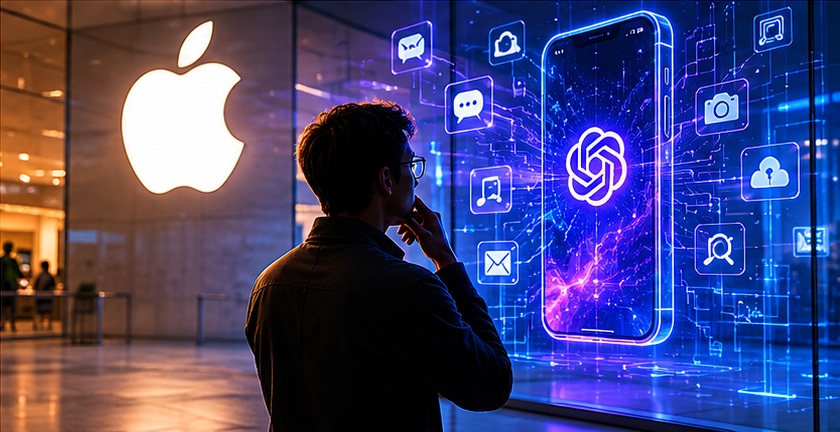
Despite the importance of the idea, succeeding in the smartphone market is not easy. History has proven that even major companies have faced enormous difficulties when trying to compete with Apple and Samsung.
The problem lies not only in manufacturing a good phone but in building an integrated ecosystem of apps, services, technical support, and supply chains. Even if OpenAI offers an innovative device, convincing users to abandon their current phones will remain a difficult challenge. AI alone is not enough to create a revolution in a mature market that has reached a high degree of development and stability.
Success is not the only goal
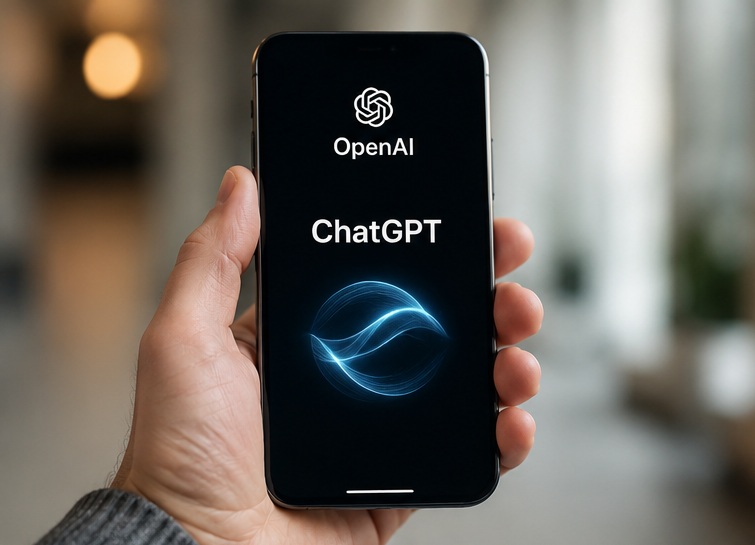
It might be a mistake to measure a project like the OpenAI phone solely by the number of devices sold. Even if the phone does not achieve widespread adoption, it could become an experimental platform for testing new ideas about the future of human-AI interaction.
Through these experiments, different user interfaces, new ways of dealing with apps and services, or features that push other companies to develop their products faster might emerge. In this case, the phone would have achieved an important part of its goal, even if it does not become a direct competitor to the iPhone or Android phones.
In the end, it can be said that the ChatGPT phone will not be the device that turns the smartphone market upside down, and it may face significant difficulties in competing with established names. But for OpenAI, simply entering this field could be a strategic move that cannot be ignored. The company is not just looking for a new phone; it wants to own a wider window to reach users and build a future where AI is an essential part of the daily experience. Even if the phone fails and does not achieve the expected success, it may open the door to ideas and technologies that will change the way we interact with smartphones in the coming years.
Do you think the OpenAI phone is capable of changing the game? Let us know in the comments!
Source:
Leave a Reply