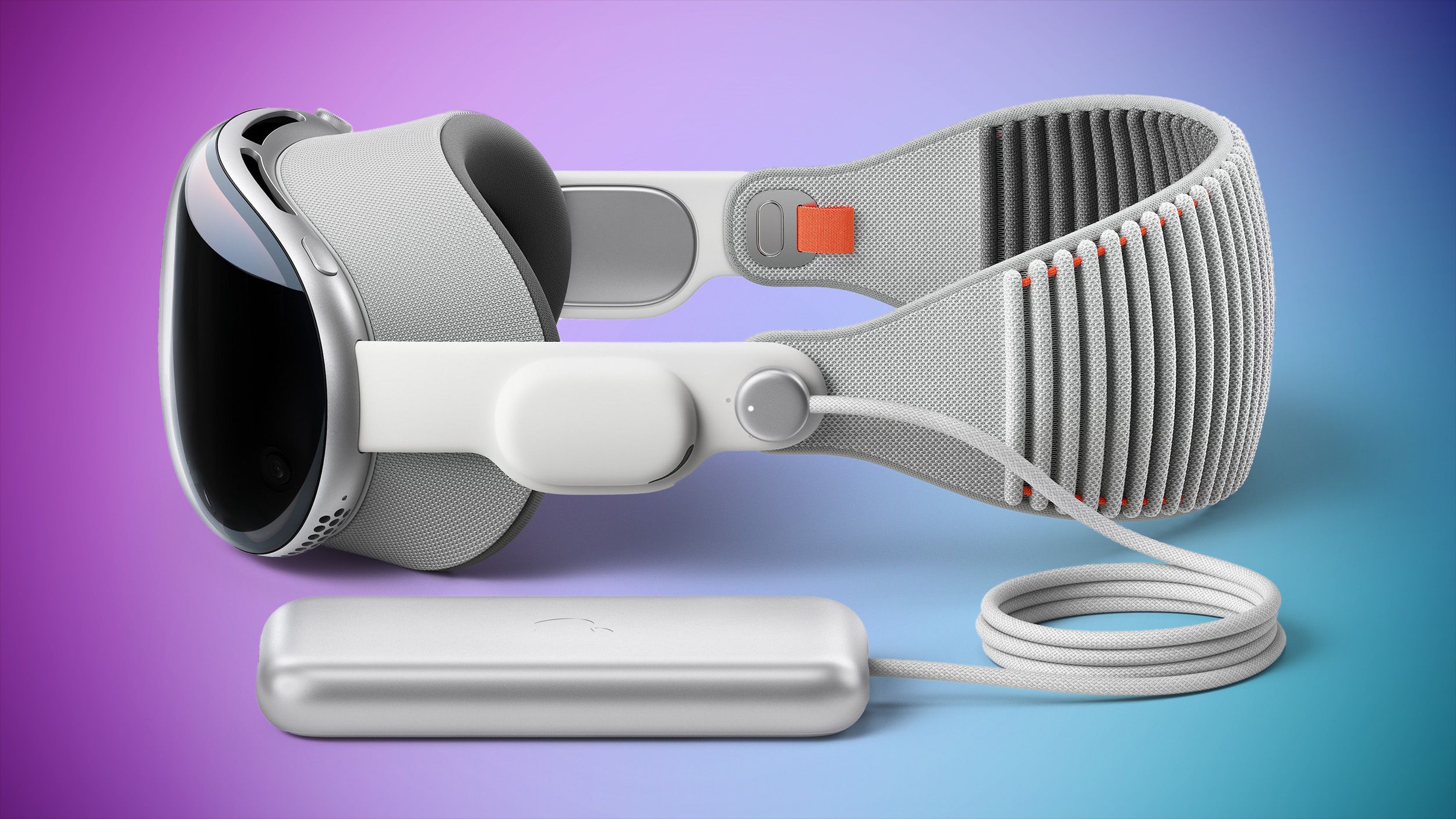
The Apple Vision Pro, the piece of technology that was supposed to usher us into the era of “spatial computing,” seems to have had a launch filled with stumbles—not just due to the technology itself, but because of how Apple manages its employees. A new book titled “The Rebellion: The Rise and Revolt of the Educated Working Class” by journalist Noam Scheiber reveals that the deterioration of the work environment at Apple stores over the past decade contributed directly to the disappointing launch of the headset in early 2024. The book points out that staff reductions, lack of training, and an excessive focus on sales figures left employees ill-equipped to handle such a complex product.
“Hasty” Training and Excessive Secrecy
In a mysterious trip to Cupertino, Apple flew in hundreds of employees to be trained on the headset under strict non-disclosure agreements; their phones were even confiscated to prevent any leaks. The goal was to maintain the “element of surprise,” but the reality in the stores was quite different. Upon returning, they were asked to lead four-hour workshops, while many sales staff received only superficial training, in some cases amounting to just 20 minutes of actual hands-on experience with the headset before facing the public.
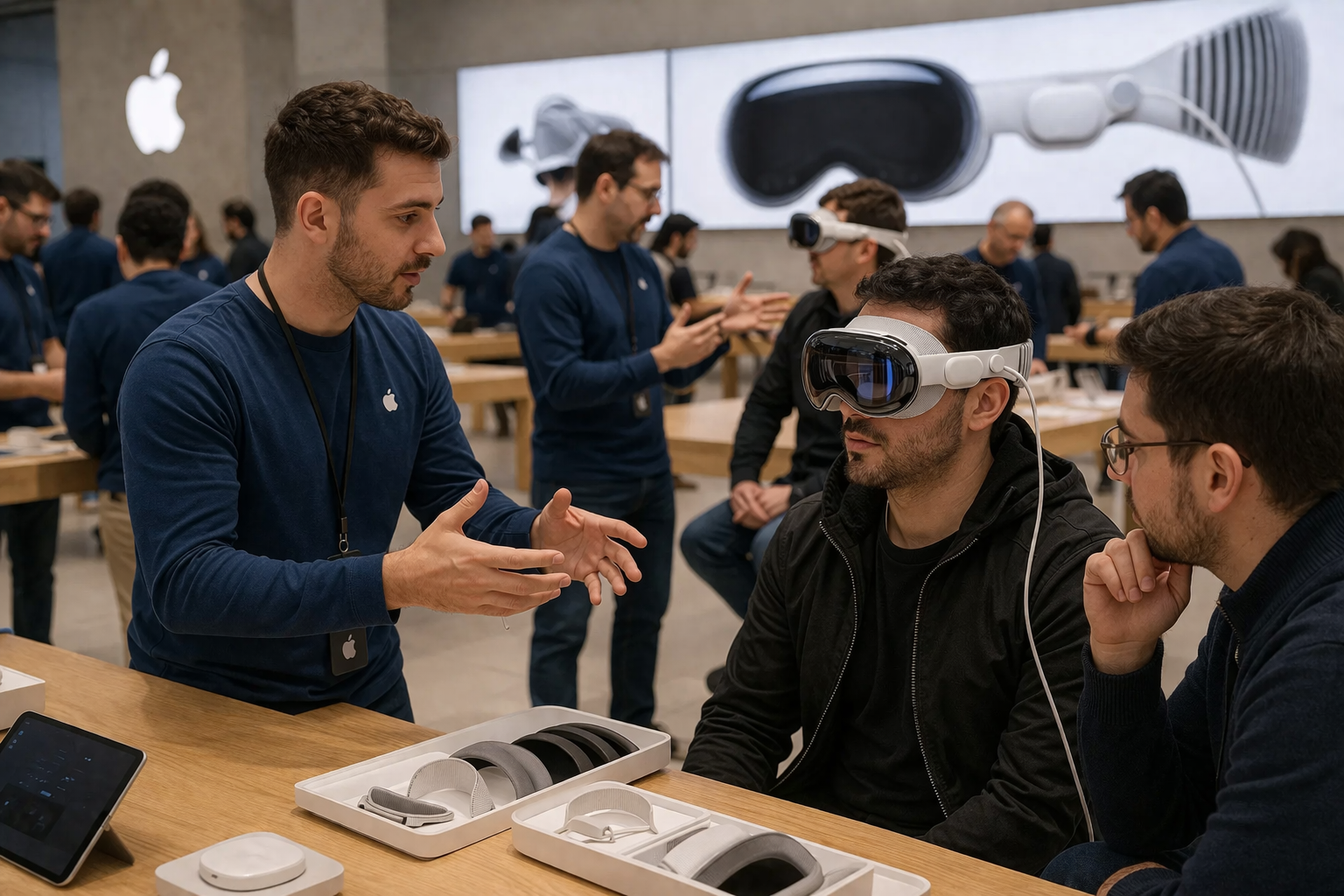
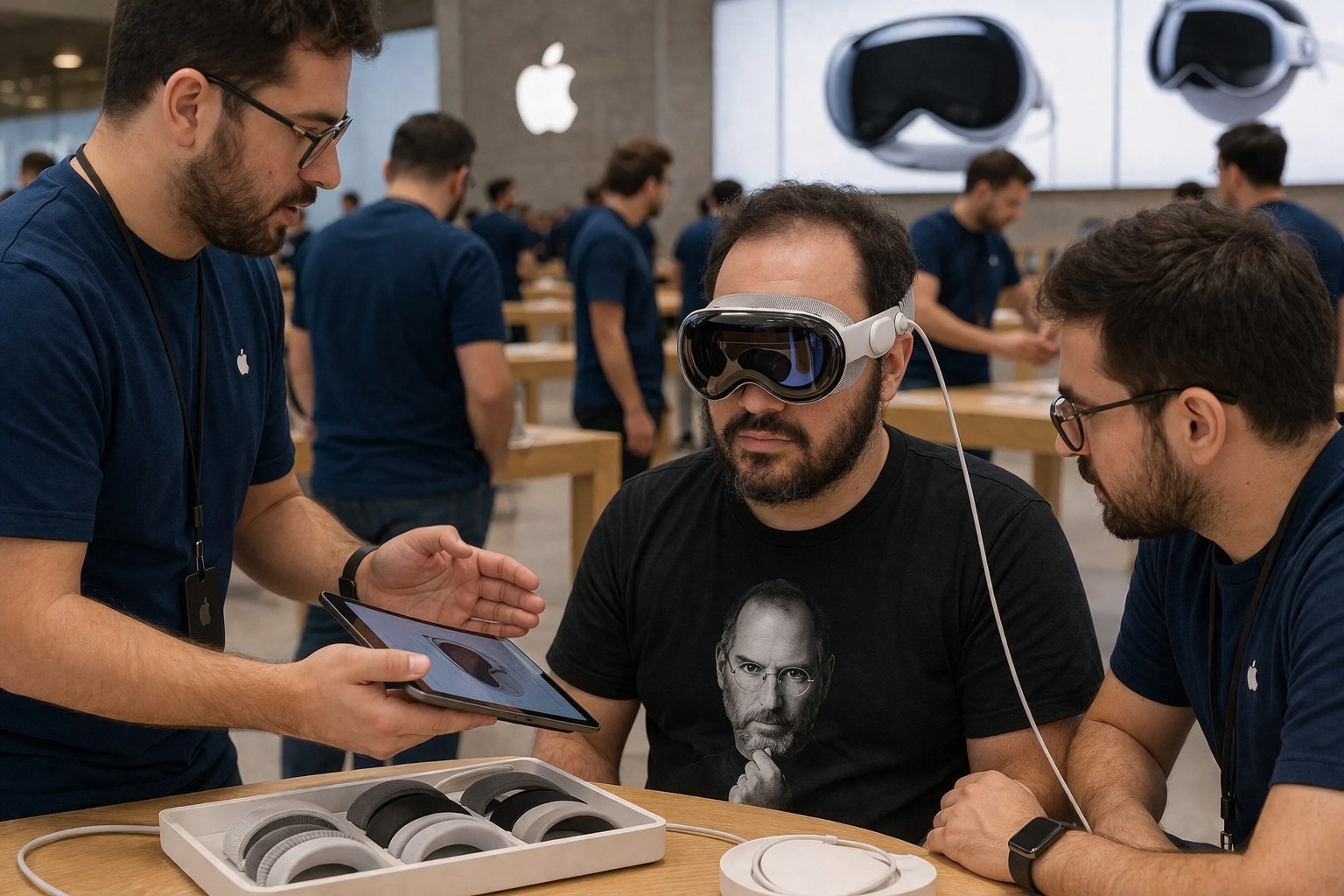
This lack of preparation caused employees to stumble through a complex scenario that required scanning the customer’s face, choosing one of 25 light seal options, and guiding the user through eye and hand controls. Worse, some employees were giving demonstrations with unclear or blurry content without realizing it, due to simple fit errors they weren’t trained to detect, which gave customers a poor first impression of a product costing thousands of dollars.
From Jobs’ Philosophy to Tim Cook’s Numbers
The book tracks a radical shift in the identity of Apple stores since the departure of Steve Jobs and Tim Cook taking the helm. Jobs believed in building a permanent and well-compensated workforce, based on the theory that an employee who feels like a “second-class citizen” will make the customer feel the same way. In the Cook era, this model was gradually dismantled in favor of cost-cutting, increased reliance on contractors, and shifting training from long, interactive sessions to short, self-paced learning modules.

After the departure of Angela Ahrendts, who tried to preserve the spirit of Jobs, Deirdre O’Brien came in to push stores toward traditional retail metrics: device activation rates, accessory sales, and AppleCare+ subscriptions. Even creative roles that focused on educating customers turned into something resembling direct product marketing, causing the stores to lose that personal touch that once distinguished them.
An Expensive Device and Employees Who Can’t Afford It
The Vision Pro also faced internal challenges, such as its heavy weight, lack of apps, and a price tag that starts at $3,500 and easily reaches $4,000 with add-ons. The shock was that most employees, even with their 25% discount, could not afford the device, meaning they didn’t have the opportunity to build familiarity with the product outside of working hours. Due to the difficulty of memorizing the long demonstration “script,” employees were later allowed to read it from an iPad, which some considered a reduction in the quality of the experience, making it seem robotic and boring.
The numbers don’t lie; while Apple sold 10 million watches in its first year, Vision Pro sales did not exceed 500,000 units in 2024. In some stores, such as the Towson location, employees reported entire weeks where they didn’t sell a single unit, sometimes even recording “negative” sales figures due to the high volume of returns. In a desperate attempt, some stores relaxed the demonstration requirements, allowing employees to improvise instead of sticking to the script, and even lowered the minimum age for testers, but none of that could save the headset from its difficult reality.
Source:
Leave a Reply