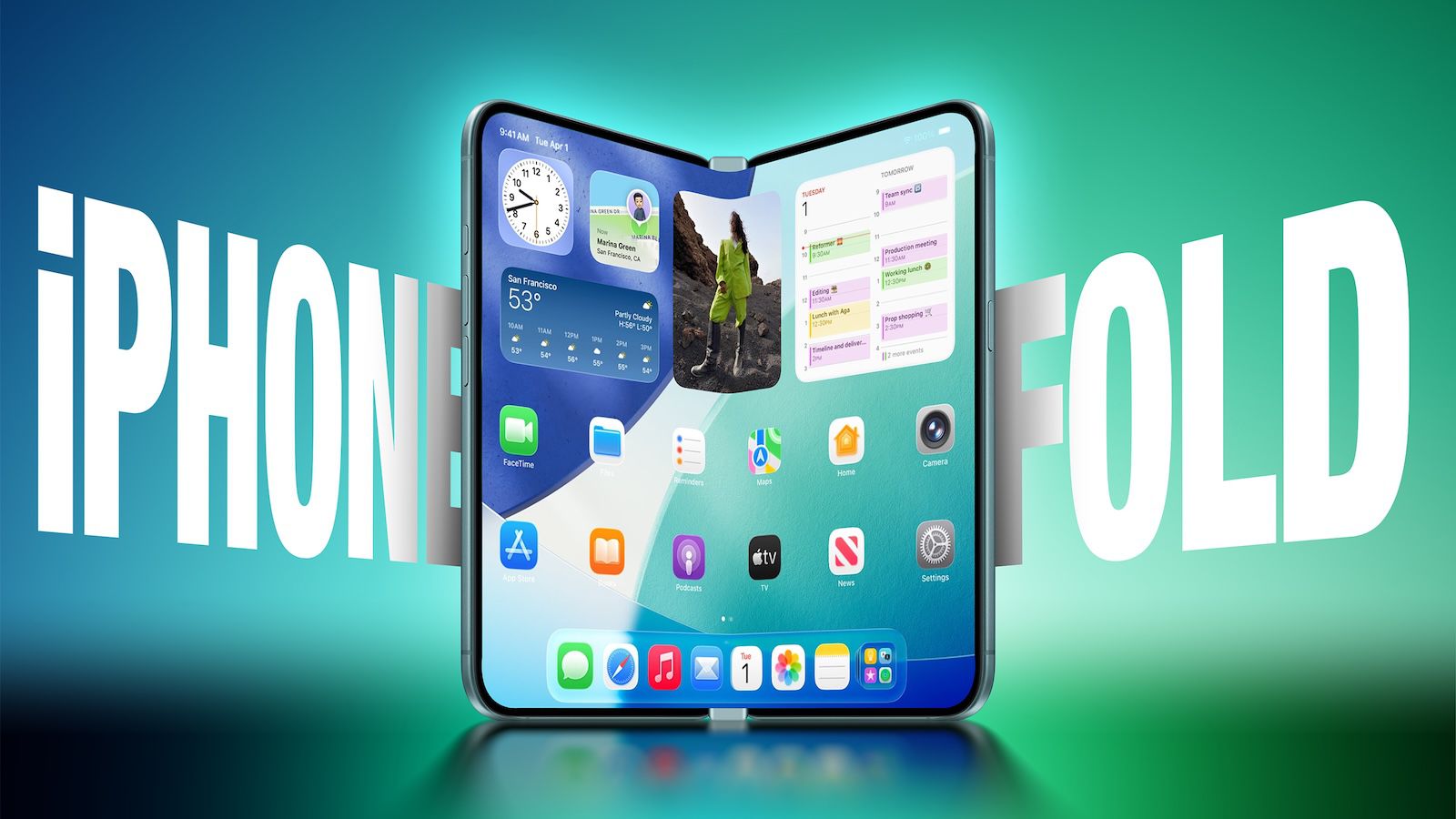
After years of leaks, it seems the dream of a “foldable Phonegram” is finally transitioning from mere patents in Apple’s drawers to tangible units on production lines. According to the latest reports, Foxconn, Apple’s long-time partner, has already begun the trial production phase for the highly anticipated Phonegram Fold. This step is not just a routine procedure; it is the green light signaling that the design has been approved and that Apple is now preparing to test the factories’ ability to turn this innovation into a reality that millions will carry in their pockets. So, are you ready to fold your Phonegram?
Trial production phase and beyond
The trial production phase that has begun at Foxconn’s factories is the cornerstone of any Apple product lifecycle. During this period, manufacturing quality is verified, and any obstacles that might arise on assembly lines are identified before mass production begins. Information leaked from Chinese sources indicates that Apple plans to start actual mass production in July, provided no major technical issues emerge during the current testing phase.

This timeline means Apple is working diligently to avoid any further delays, as entering the foldable phone market requires unprecedented engineering precision, especially given Apple’s goal to deliver a product that surpasses competitors who have been in the market for years. Apple does not just want to make a foldable phone; it wants to make the “Phonegram” that sets new standards for this category.
When will we see it in our hands?
Although Apple remains on track to launch the Phonegram Fold in 2026, expectations suggest we will not see it in the usual September window. Instead, there is a high probability that the device will be announced alongside the Phonegram 18 Pro models at the big annual event, but its market release might be delayed until December 2026.
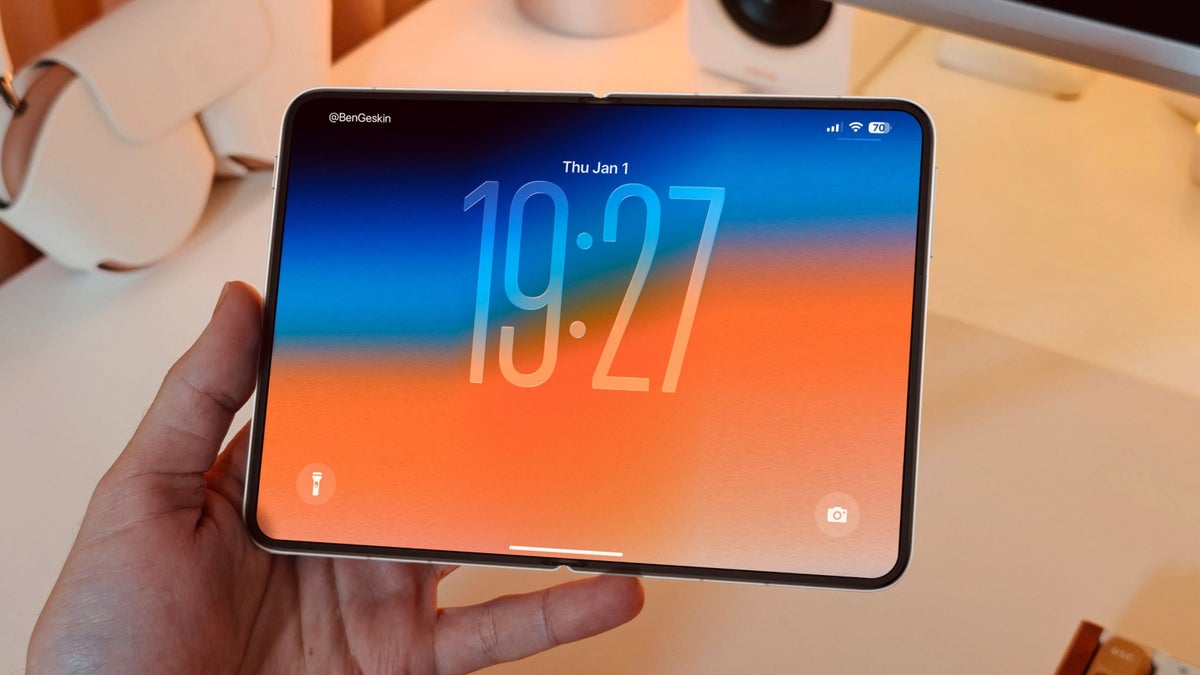
This split in the launch date might be a calculated strategy by Apple to give each device its own media spotlight, or perhaps it is due to the manufacturing complexities required for a foldable device. In either case, 2026 looks to be the most exciting year in Apple’s history since the launch of the first Phonegram, as we will witness a radical transformation in the form factor we have become accustomed to.
Slim design and iPad-like screen
Leaks regarding the Phonegram Fold’s design are extremely interesting; it is expected to feature a 5.5-inch external screen when closed, and when opened, it transforms into a small tablet with a screen reaching 7.8 inches. Interestingly, Apple has decided to use a 4:3 aspect ratio, making it closer in shape to a small iPad rather than the elongated shapes we currently see in other foldable phones on the market.
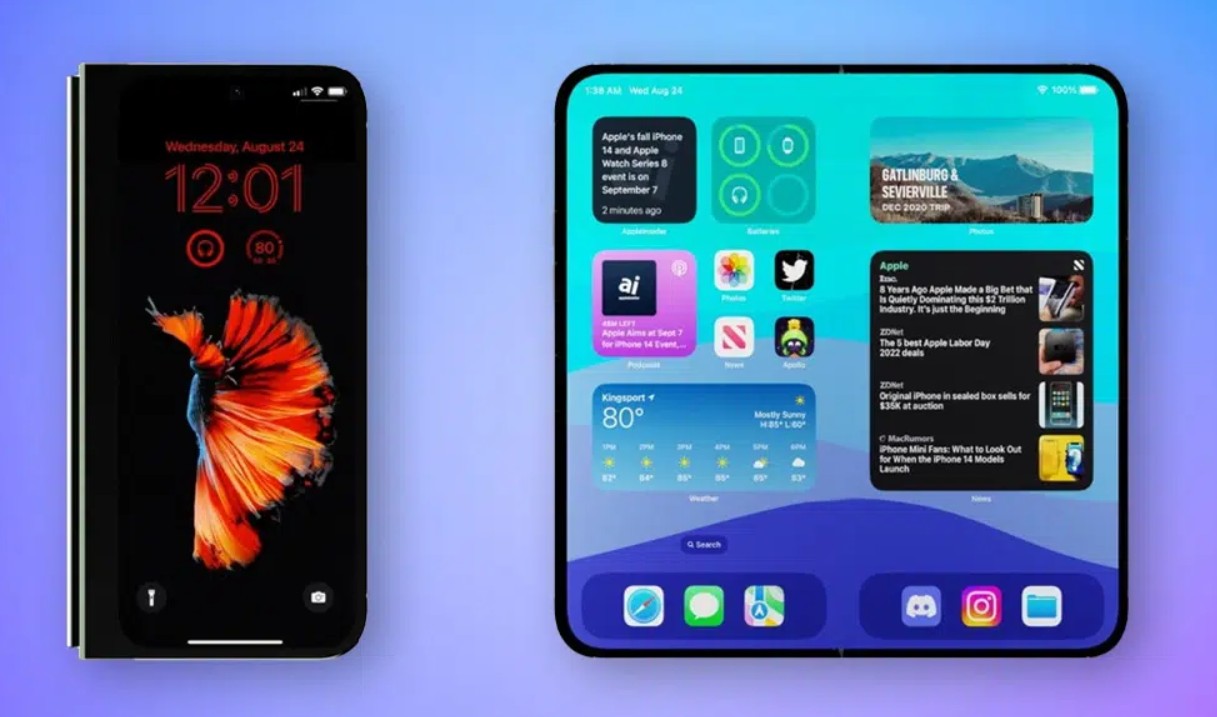
Apple also aims to make the device incredibly thin, with a thickness of only 4.5 mm when unfolded. To achieve this extreme thinness, Apple had to work on entirely new hinge technologies, and it is said that they have achieved great success in making the crease in the middle of the screen almost invisible when the device is opened—a point that competitors have long struggled with.
Design challenges: Sacrificing for thinness
Of course, reaching a thickness of 4.5 mm did not come without a price. It is expected that the Phonegram Fold will lack the usual triple-camera system, as there will be no room for a telephoto lens. Additionally, the TrueDepth Face ID sensor might not find a place in this slim design, which could push Apple to use a Touch ID fingerprint sensor integrated into the side button, just as it is in the iPad Air devices.
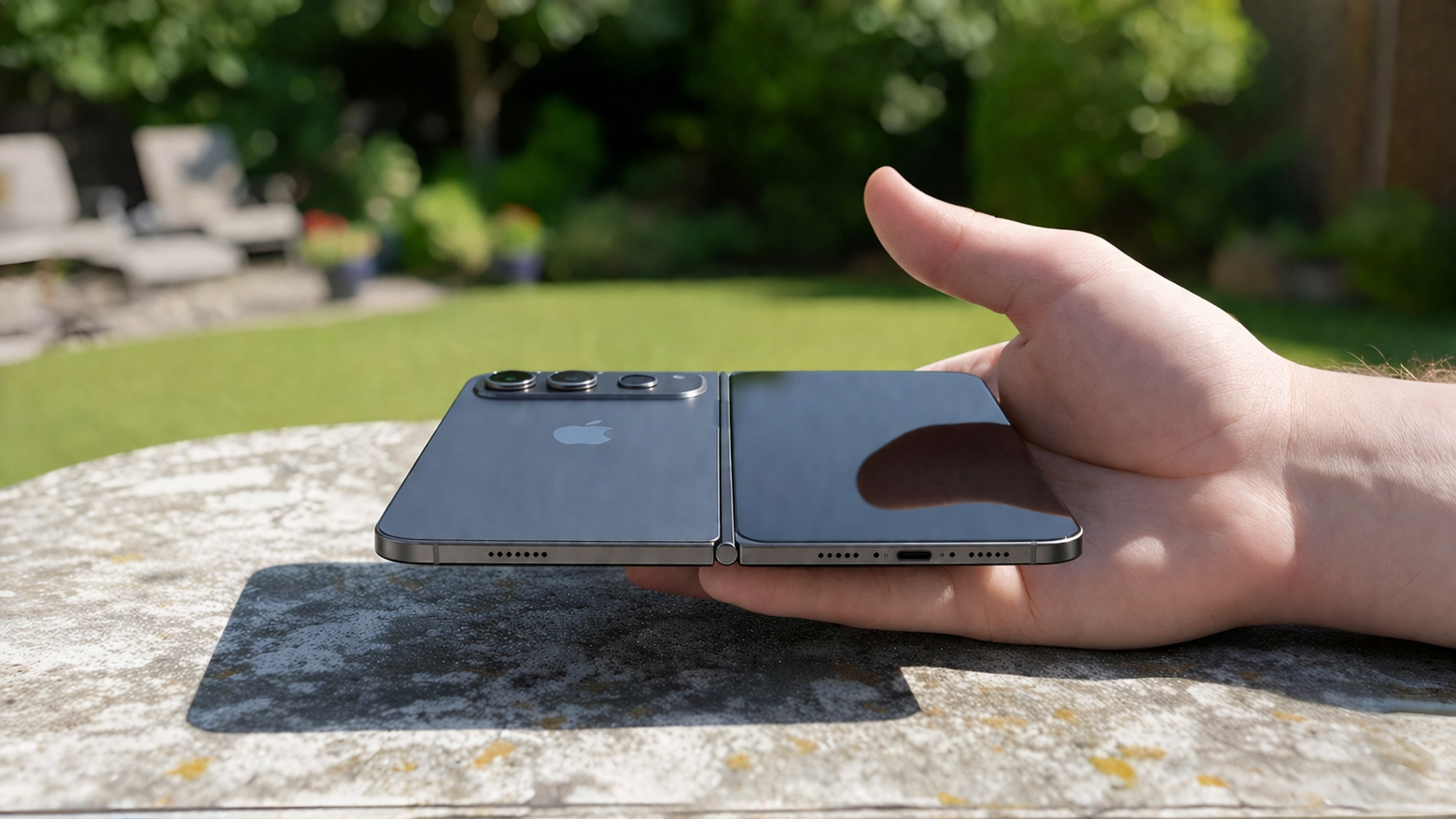
These technical sacrifices might seem disappointing to some, but they are necessary to provide a device that is both elegant and functional. Apple is betting on the unique user experience and the large foldable screen more than on advanced camera features in this first model. The primary task now is to deliver a device that is durable, attractive, and free of manufacturing defects, which Apple’s fans do not forgive easily.
Source:



Leave a Reply