As the moment approaches for the leadership transition from Tim Cook to his successor John Ternus in September, Cook has not concluded his tenure with a traditional quiet exit, but rather with a candid reflection that mirrors his unique style. Inside Apple Park, and in front of a team that has accompanied him for over 15 years, Cook did not showcase billion-dollar sales figures or the successes the company has achieved. Instead, he looked back at one of the most sensitive moments in his early days—specifically in 2012—when he faced his first real test and the mistake that nearly shook the foundations of his leadership early on. In this article, we will take you on an interesting journey as we travel back in time to explore the story of the app that almost ended his career before it even began.

The Early Stumble: When Apple Lost Its Way
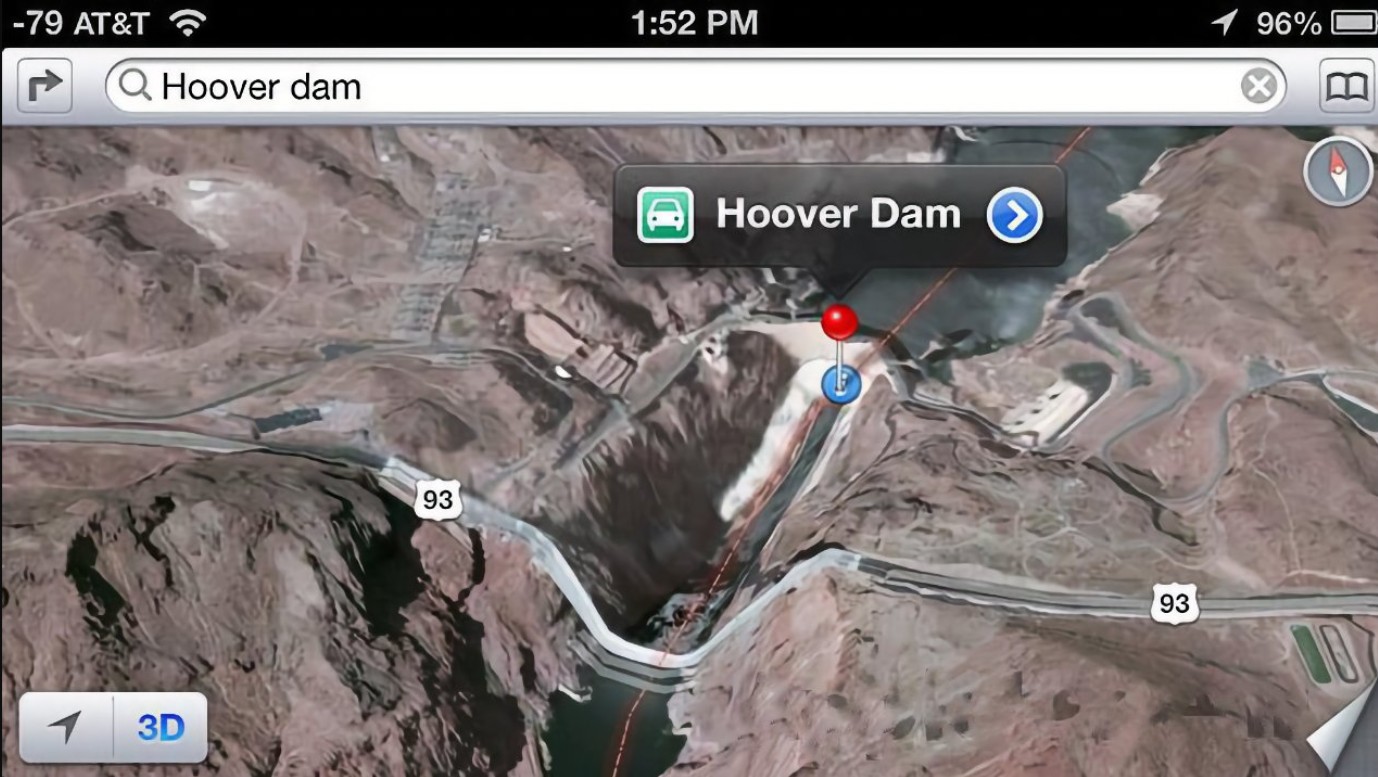
Apple Maps was not just a failed app at its launch; it was an existential test of the company’s identity following the departure of Steve Jobs. At the time, Cook was facing immense pressure to reduce reliance on Google, which was demanding user data in exchange for using its maps. In a move that seemed bold at the time, Cook chose privacy over quality, but the price was high. Apple Maps was launched, and users quickly encountered catastrophic errors, including distorted buildings, roads ending in the ocean, and airports appearing as green fields. It could be argued that this was not just a matter of software bugs, but a reflection of Tim Cook’s haste. For this reason, Apple’s CEO decided to issue a public apology to users and recommended that they rely on other alternatives until Apple Maps improved.
The Departure of Jobs’ Heir

The impact of the failure did not stop at a public apology; it caused an earthquake in Apple’s management structure. Scott Forstall, then head of software, was seen as a miniature version of Steve Jobs with his sharp temperament and ambitious vision. However, the Maps crisis was the straw that broke the camel’s back. Forstall refused to sign the public apology letter, considering the admission of error a sign of weakness and believing the noise would subside. But Cook saw things from a different perspective. Cook’s personal apology was not just public relations; it was an announcement of a new era at Apple—an era where collective responsibility and composure prevail over individual ego. Consequently, Scott Forstall was removed from his position and left the company for good.
From Failure to Success

Today, in 2026, Apple Maps appears as a fierce competitor that often outperforms Google Maps, especially in its integration with the company’s ecosystem. But the real story is not in the current quality of the app, but in the culture of resilience. The lessons learned from this story can be summarized in the following points:
◉ Leadership Responsibility: Cook took ownership of the mistake publicly and provided cover for his team to work and improve.
◉ Commitment to Principles: Sticking to privacy even though it cost the company years of catching up with competitors.
◉ Ability to Change: Removing leaders who do not align with the culture of collaboration, regardless of their talent.
We have reached the end after reviewing the first mistake Tim Cook made after leading Apple. It can be said that in his final meeting with Ternus, Cook’s message was clear: leadership does not mean not making mistakes, but rather possessing the courage to admit them and the perseverance to correct them. Tim Cook leaves his executive position knowing that the first major mistake he made was the very cornerstone upon which he built Apple’s stability and its transformation into the most valuable company in the world.
Do you think Apple Maps is now capable of competing with Google Maps and perhaps surpassing it? Let us know in the comments!
Source:



Leave a Reply