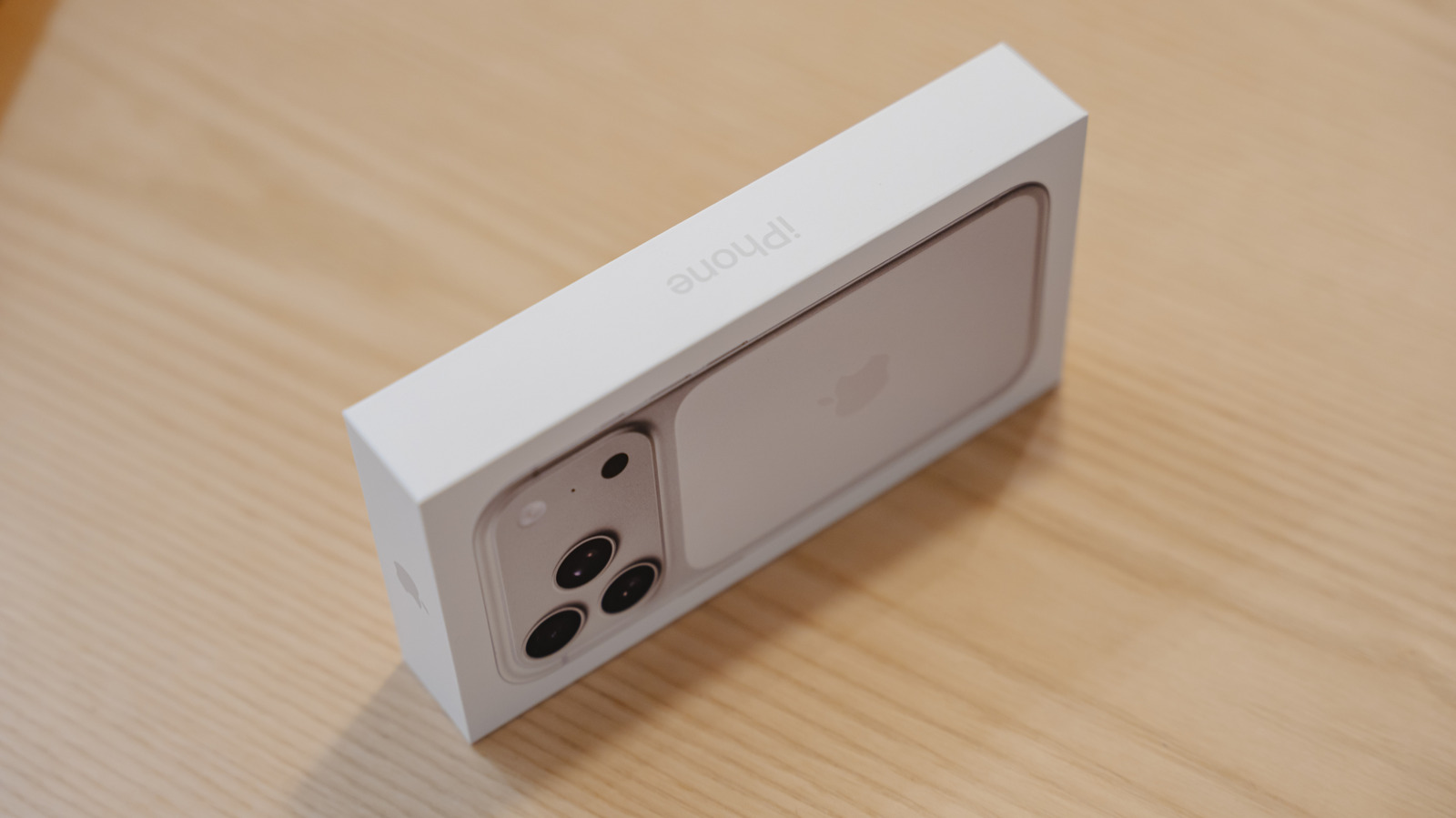
Anyone who has ever opened a new, sealed iPhone box knows that feeling well; you aren’t just opening a box, you are entering a slow process that requires patience. Once you pull the paper seals from the back and start lifting the top lid, you find that the lid moves very slowly, as if it is resisting your desire to reach the phone. This is not a manufacturing defect, but rather precise engineering resulting from a near-perfect fit between the two halves of the box, creating air pressure that makes the lid slide off with dignity and silence.
Apple’s “Ritual” Philosophy
This recurring experience is no coincidence; it is a “ritual” carefully designed by Apple to increase excitement and build a sense of luxury. Apple rarely talks publicly about its packaging strategy, but statements from Steve Jobs and Jony Ive over the years reveal a lot. Jobs believed that the tactile experience of opening an iPhone or iPad box sets the tone for the user’s entire perception of the product, a philosophy he learned from Mike Markkula, Apple’s first investor and chairman.
Jony Ive, the legendary former designer at Apple, spent a long time with Jobs designing the boxes. According to Walter Isaacson’s biography of Jobs, Ive believes that the process of taking a product out of its box should be a “ritual” that makes the product feel special. For him, packaging can be theater, and it can tell a story before you even touch the device.
The Unboxing Experience: Theater in a Box
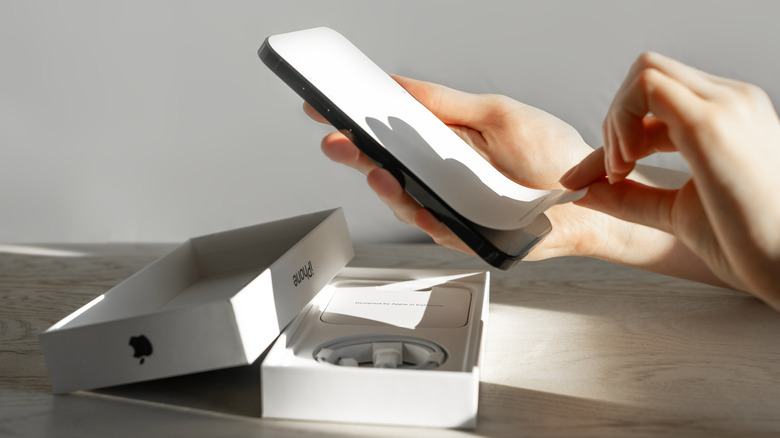
The goal of this deliberate slowness in the lid’s slide is to create a state of anticipation. As design expert Greta Dersch explains, the packaging is designed to make the user wait for the moment of product reveal. In a world where we are used to ripping open packages quickly, the iPhone box tells us: “Slow down, take it easy, you are about to transition to an amazing experience.” Time here is the most precious commodity, and Apple forces you to consume it to appreciate what is coming.
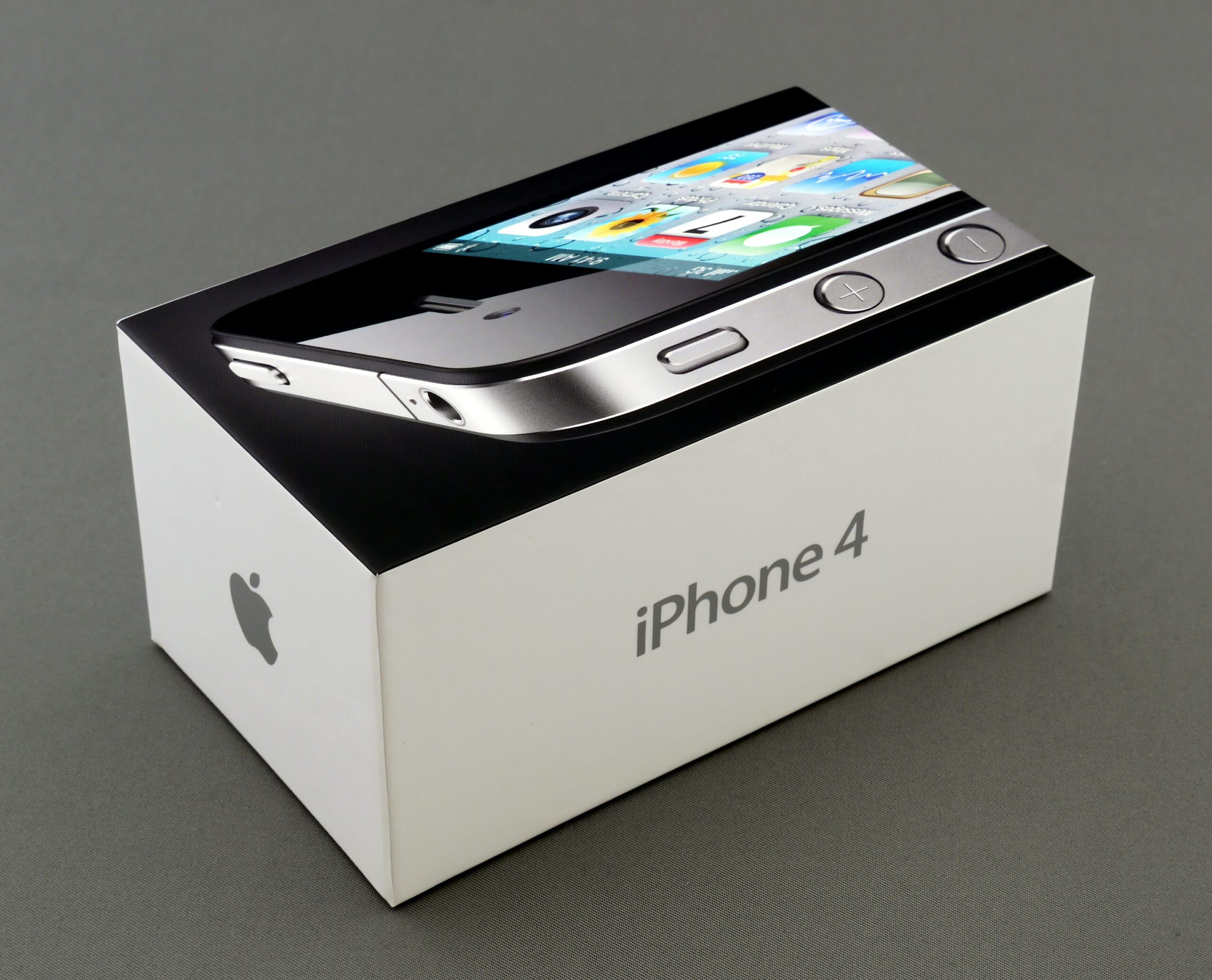
Since the first iPhone in 2007, Apple has maintained this approach despite changing box sizes. The box is made of rigid cardboard to provide strong protection, with a very minimalist design that focuses on the product image on top and its name on the sides. Once the lid finally rises, the iPhone screen is the first thing you see, covered with a thin paper layer, making it immediately available to you after that suspenseful waiting period.
Evolution of the Box Over the Years
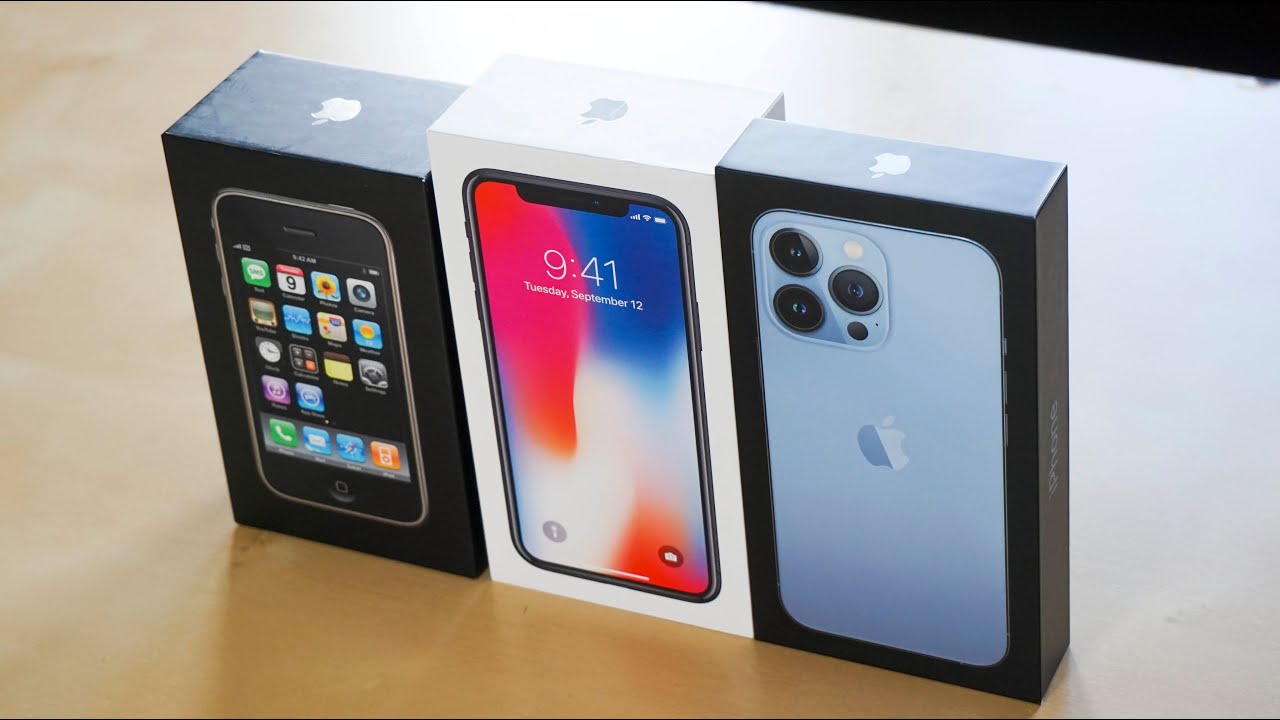
In 2020, the iPhone box saw a major change with the launch of the iPhone 12, as the charger and EarPods were removed for environmental reasons. This allowed Apple to significantly reduce the box size and ship 70% more units per pallet, contributing to a massive reduction in carbon emissions. Despite the smaller size, the slow-sliding experience of the lid remained sacred and unchanged.
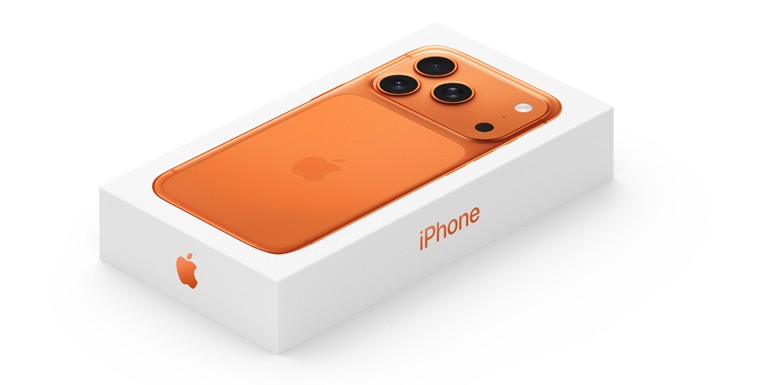
Apple continued to improve the box environmentally; with the iPhone 13, the outer plastic wrap was eliminated, and by the iPhone 16 in 2024, the packaging became 100% fiber-based, with 64% recycled materials. Even with these shifts toward sustainability, the “difficulty” of opening the box remains a feature, not a flaw; it is the guarantee that every user will get that dramatic moment of anticipation that Jobs and Ive planned decades ago.
Source:
Leave a Reply