Many Apple users postpone updating their iPhone devices for various reasons, most notably limited storage space or fear of issues and sluggish performance after new updates. However, what some do not realize is that ignoring iOS updates for long periods can lead to problems that go beyond just missing out on some new features. In the following lines, we will take you on a quick and enjoyable tour to learn why you should not ignore iOS updates on your iPhone.
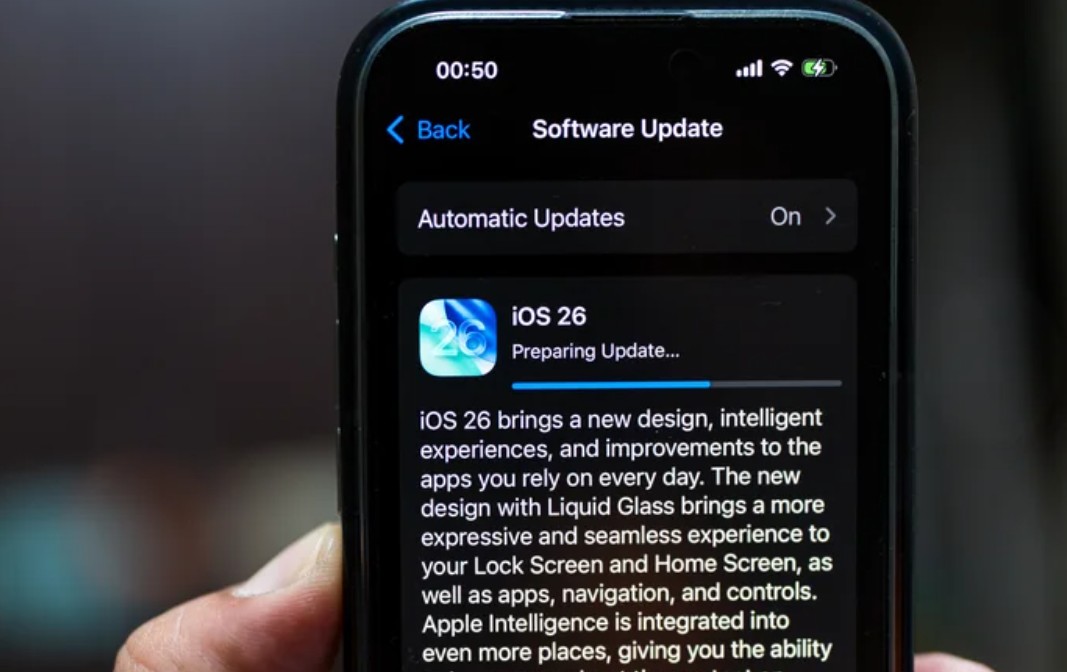
iOS Updates
Throughout the year, Apple releases continuous updates for the iOS operating system. Some add new features, while others focus on addressing security vulnerabilities and improving system stability. Although these updates may sometimes consume significant storage space, ignoring them can make the phone more prone to problems over time.
One of the biggest risks associated with not updating your iPhone is security. As cyberattacks constantly evolve, tech companies discover new vulnerabilities almost constantly, which prompts Apple to release successive security patches to protect user data and prevent any attempts to hack their smartphones.
When you continue to use an old version of the operating system, the iPhone becomes less capable of countering these threats, which may expose personal information, passwords, and sensitive data to the risk of being hacked or exploited by cybercriminals.
Not updating the iPhone
The problem does not stop at security alone, as some modern apps and services gradually stop supporting older versions of the system, meaning that the user may face issues running apps or benefiting from their new features after a while.
Updates also affect the stability of the phone itself, as they often include fixes for technical bugs that may cause battery drain, device overheating, or sudden crashes during use.
On the other hand, the user misses out on the opportunity to access the latest features that Apple constantly adds, whether they are performance improvements, artificial intelligence updates, or new tools within core apps like Messages, Maps, and the keyboard.
Furthermore, Apple strives through its annual updates to continuously develop the user experience; therefore, running an old version of iOS for a long time may make the iPhone seem less efficient compared to what it is actually capable of delivering.
In the end, it is true that some users prefer to wait a little before installing new updates, especially on older devices, but ignoring updates entirely for a long time is not a practical decision, especially with the increasing reliance on phones for storing personal and sensitive data and managing daily accounts and services. Also, you should keep in mind that updating your iPhone might be annoying due to space or time, but it is actually an essential part of maintaining your device’s security and stability and ensuring it continues to work smoothly and efficiently for as long as possible.
Do you update your iPhone as soon as new updates arrive, or do you prefer to postpone them? Let us know in the comments!
Source:

Leave a Reply