In the fast-paced world of technology, there is no room for the hesitant, and it seems that Apple has realized this hard truth in a controversial way. In early 2025, under a veil of total secrecy, Apple executives held an emergency meeting to address a growing internal crisis regarding the company’s artificial intelligence strategy. This meeting was not just a routine discussion, but an explicit admission that the initial features of the Apple Intelligence system had not received the expected reception, and that the voice assistant Siri was facing critical delays that threatened the company’s position against its fierce competitors.

Details of the secret meeting and the AI shock
The meeting, called by Jeff Williams, Apple’s former Chief Operating Officer, highlighted deep concerns about the structural obstacles hindering Apple’s AI efforts. It was not just a software issue, but a matter of the entire operational mechanism. CEO Tim Cook had already lost confidence in the head of the AI division, John Giannandrea, which ultimately led to the latter’s formal departure from the company.
Amidst this tension, Mike Rockwell, the mastermind behind the revolutionary Vision Pro headset, stepped up to take responsibility and fix the struggling digital assistant, Siri. This offer served as a lifeline at a time when Apple was looking for radical and quick solutions to save what could be saved before it was too late.
Power struggles and the legacy of old warnings
According to revelations by renowned journalist Mark Gurman, this crisis is not new. About a decade ago, former hardware chief Dan Riccio warned his colleagues that artificial intelligence could pose an existential threat to Apple devices. Consequently, Rockwell was tasked with creating a roadmap to completely rebuild the Siri assistant.
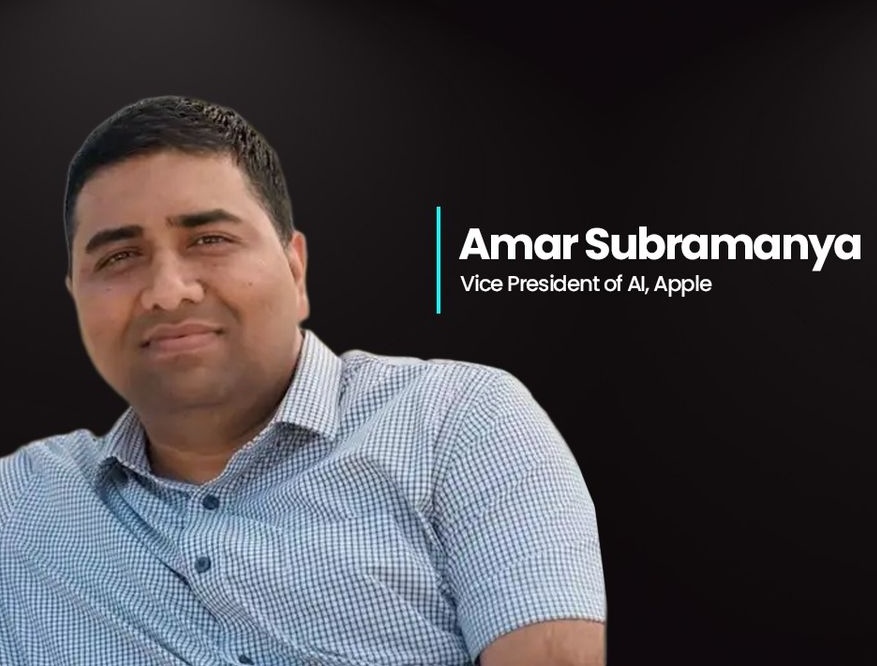
However, the road was not paved with roses; Rockwell aspired to a broader leadership position in AI, reporting directly to Tim Cook. However, Craig Federighi, head of the software division, insisted on keeping AI efforts under his engineering umbrella. In the end, Rockwell agreed to lead the Siri reboot under Federighi’s supervision, followed by the recruitment of brilliant minds like Amar Subramanya, a former executive at Google and Microsoft, to oversee AI models and research.
Tim Cook’s mobilization and the unexpected alliance with Google
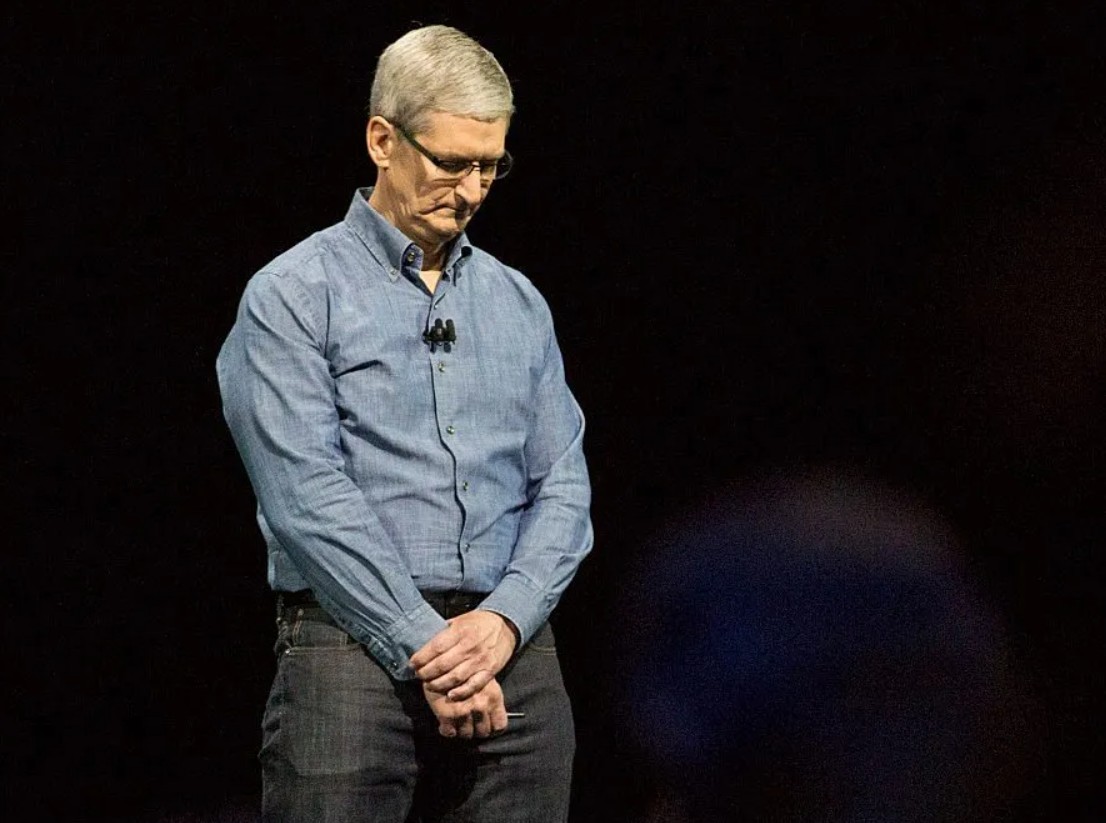
This escalating crisis led to an unusual change in Tim Cook’s management style. The CEO, usually known for his hands-off approach and giving sector managers freedom, began to intervene deeply and personally in Apple’s AI roadmap. He began expressing his opinions on features and urging executives to treat this technology with the utmost seriousness and urgency.
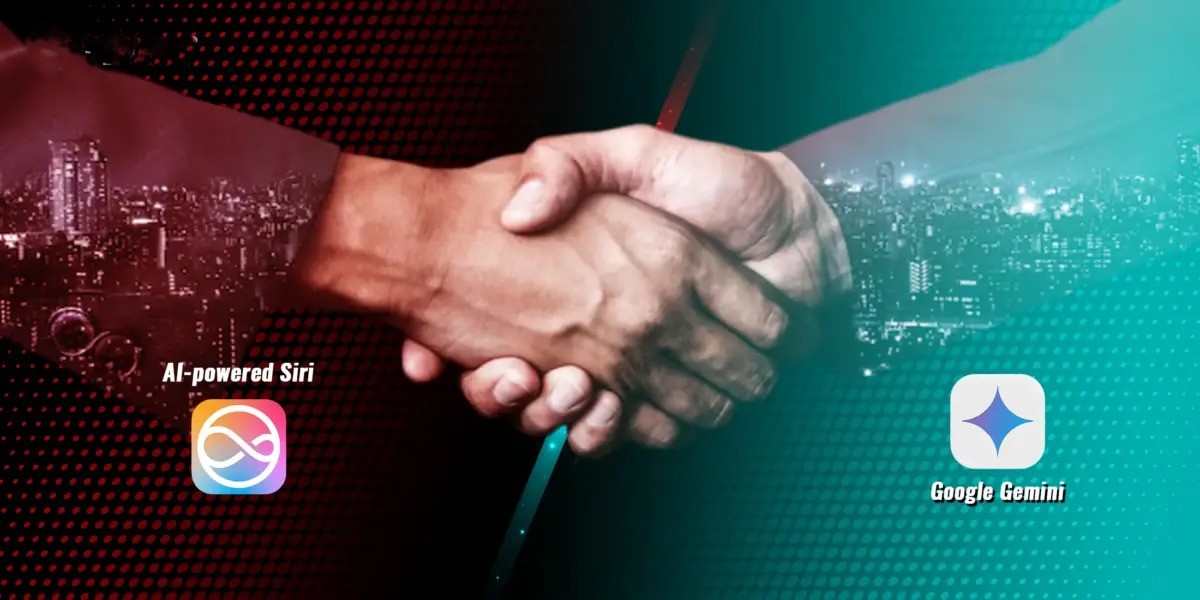
Under this pressure, the trio of Mike Rockwell, Craig Federighi, and Eddy Cue succeeded in striking a historic agreement with Google to use advanced Gemini models and Google Cloud technologies as part of the comprehensive overhaul of the Siri assistant. This is a move that would not have happened had Apple not realized the gravity of the situation and its need to leverage external capabilities to overcome this crisis and ensure it remains competitive.
What awaits us today at the Developers Conference and iOS 27?
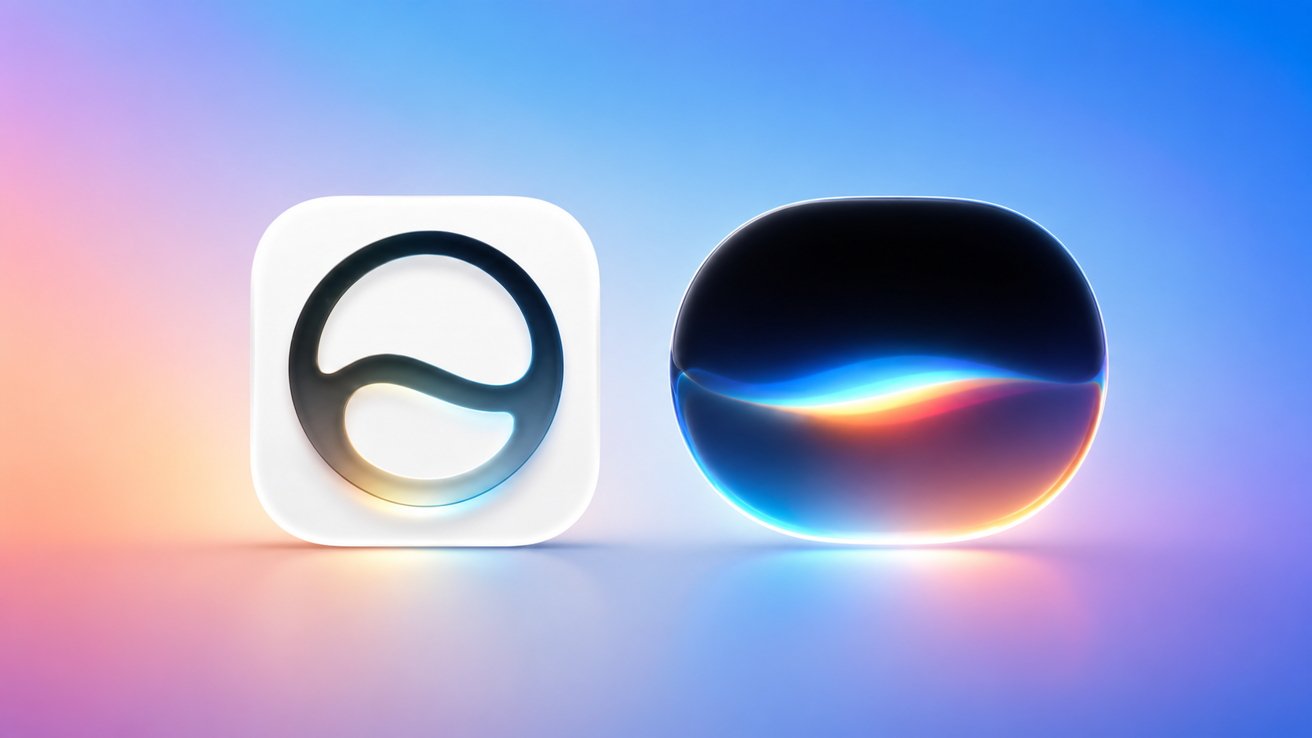
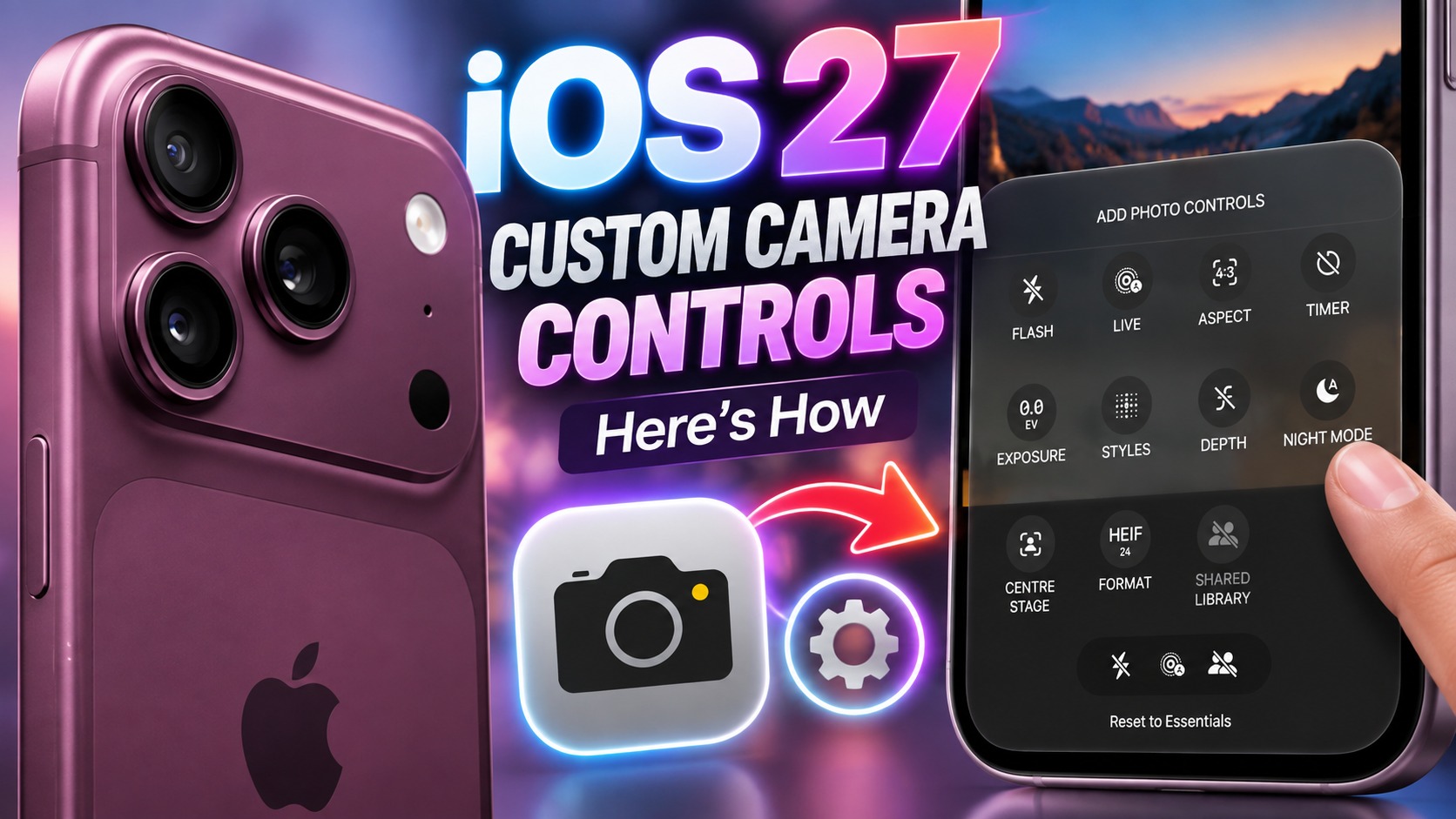
Apple is expected to showcase the fruits of these major changes at the upcoming Worldwide Developers Conference. This showcase will include a fully updated and improved experience for the Siri voice assistant, along with the launch of a completely independent AI chatbot app within the upcoming iOS 27 operating system.
The surprises did not stop there; reports indicate that Apple is reversing its previously cautious stance toward generative AI image processing. It will add new tools that allow users to fill in gaps in images and adjust perspective angles in a professional and innovative way, as the company redefines the photography and image editing experience on its smart devices.
The impact of the crisis on upcoming devices and the future of leadership
The process of fixing Siri remains a cornerstone of Apple’s future product roadmap. Software bugs and challenges associated with AI models and Siri have already caused delays in the launch of many anticipated devices, such as the smart home display, which has been postponed until the fall, the home robot, and future smart glasses.
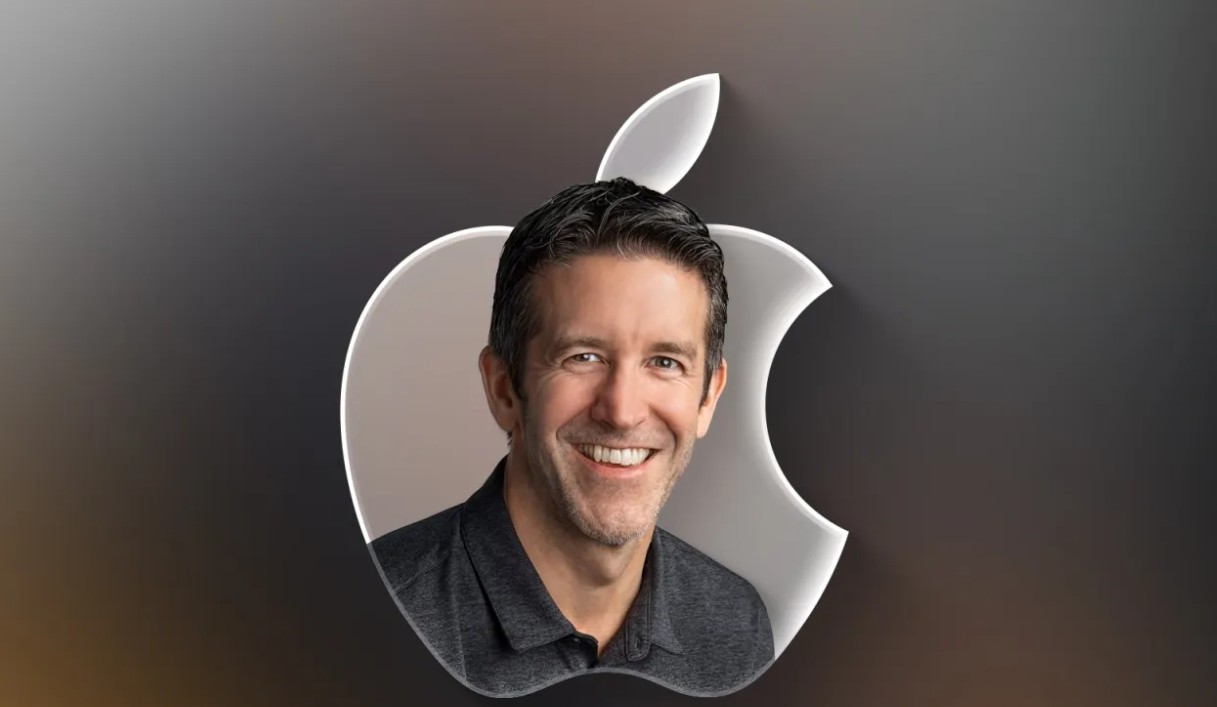
As Tim Cook prepares to hand over the CEO position to John Ternus this coming September, the company’s ability to successfully execute its AI strategy will play a pivotal role in determining the release dates of these devices in global markets and the success of the new leadership era. Apple stands today at a real crossroads, and its next steps will define the features of its future for decades to come.
Source:
Leave a Reply