iOS 27 revolutionizes AirPods and HomePod speakers, gives you the freedom to hide your location, and more. Apple is waging a fierce war against poor-quality apps on its store, Instagram gives you control over your profile, and Anthropic launches “Claude Fable 5,” the most powerful in its history, as AI companies race to raise prices in what is becoming known as the “Tokenpocalypse”! Finally, leaked images of the foldable iPhone, which will come in only one color, another leak for the iPhone 18 Pro, and other exciting news on the sidelines…

Apple introduces “Tap to Share” feature in iOS 27
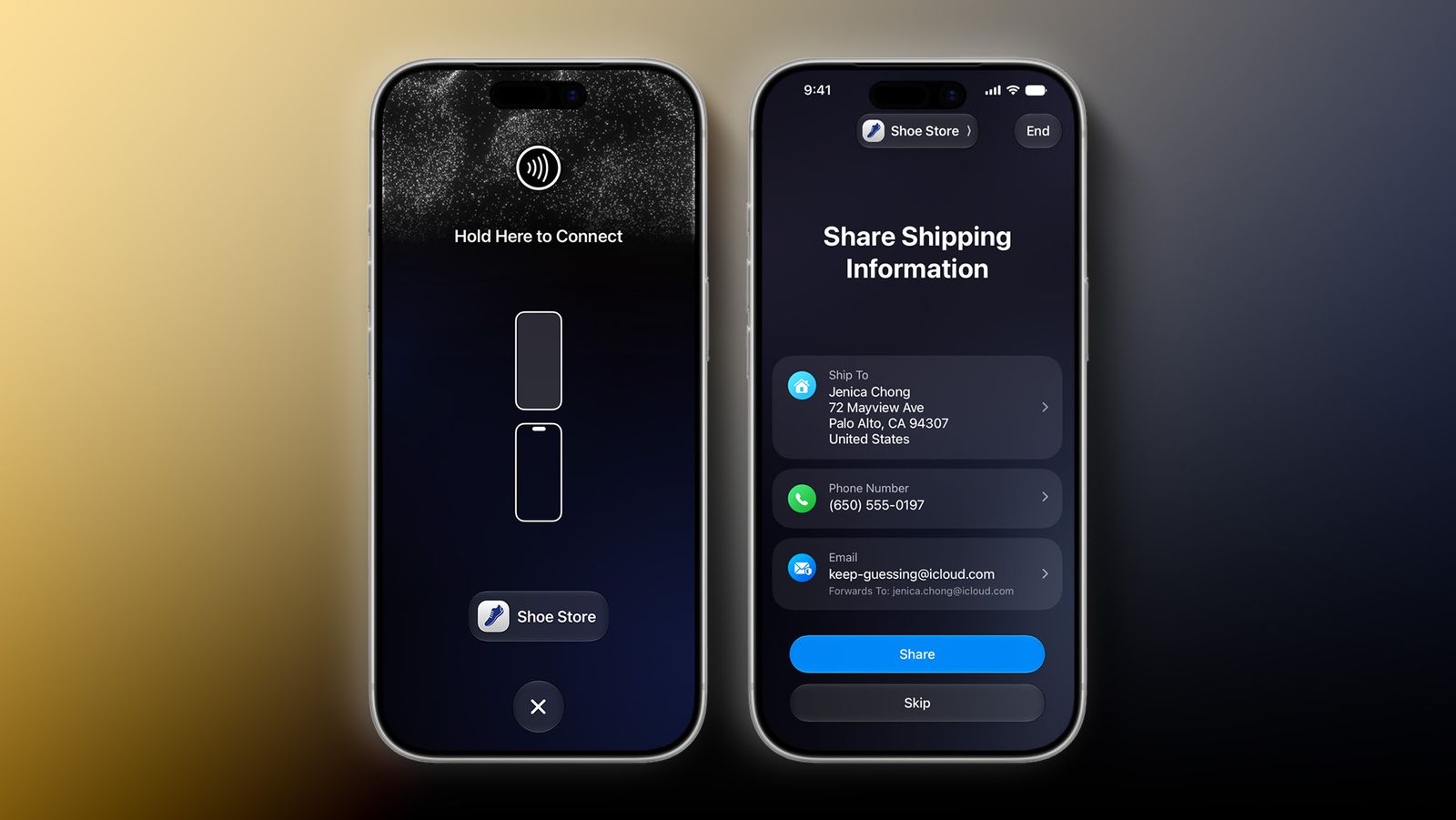
In iOS 27, Apple added a new feature called “Tap to Share,” which allows store owners or sellers to share data with customers by simply tapping an iPhone using NFC technology, such as registering membership details, sending a shipping address, or sharing a card in Apple Wallet. This feature is built on the “Tap to Pay” service that allows accepting payments without additional hardware, but it expands usage to include information exchange alongside payment. The feature requires an iPhone 12 or later, but it is currently not available in the European Union and the European Economic Area, and Apple has not disclosed the reason for the delay or the launch date there.
Federighi explains why Apple launched a standalone Siri app

Craig Federighi, Apple’s Senior Vice President of Software Engineering, revealed the reason behind the company’s decision to launch a standalone app for the Siri assistant within iOS 27, after Apple had previously stated it did not intend to create a separate chat app for Siri. The new app—announced at the WWDC conference last week—provides users with a centralized place where they can return to their previous conversations with Siri and follow up on them. Federighi explained that Apple does not view Siri as just a chat app separate from the rest of the system, but rather as an integrated conversational tool that works at the heart of the user experience, capable of understanding what is on the screen and interacting with it directly. He noted that the app was created simply because the most appropriate way on Apple’s platform to return to a previous conversation is to have an app icon on the home screen that can be easily opened. It is worth noting that the developer version of iOS 27 is available now, but using the new Siri requires registering for a waitlist through settings, with the public beta version set to be released next July.
Apple removes “Walkie-Talkie” app from Apple Watch
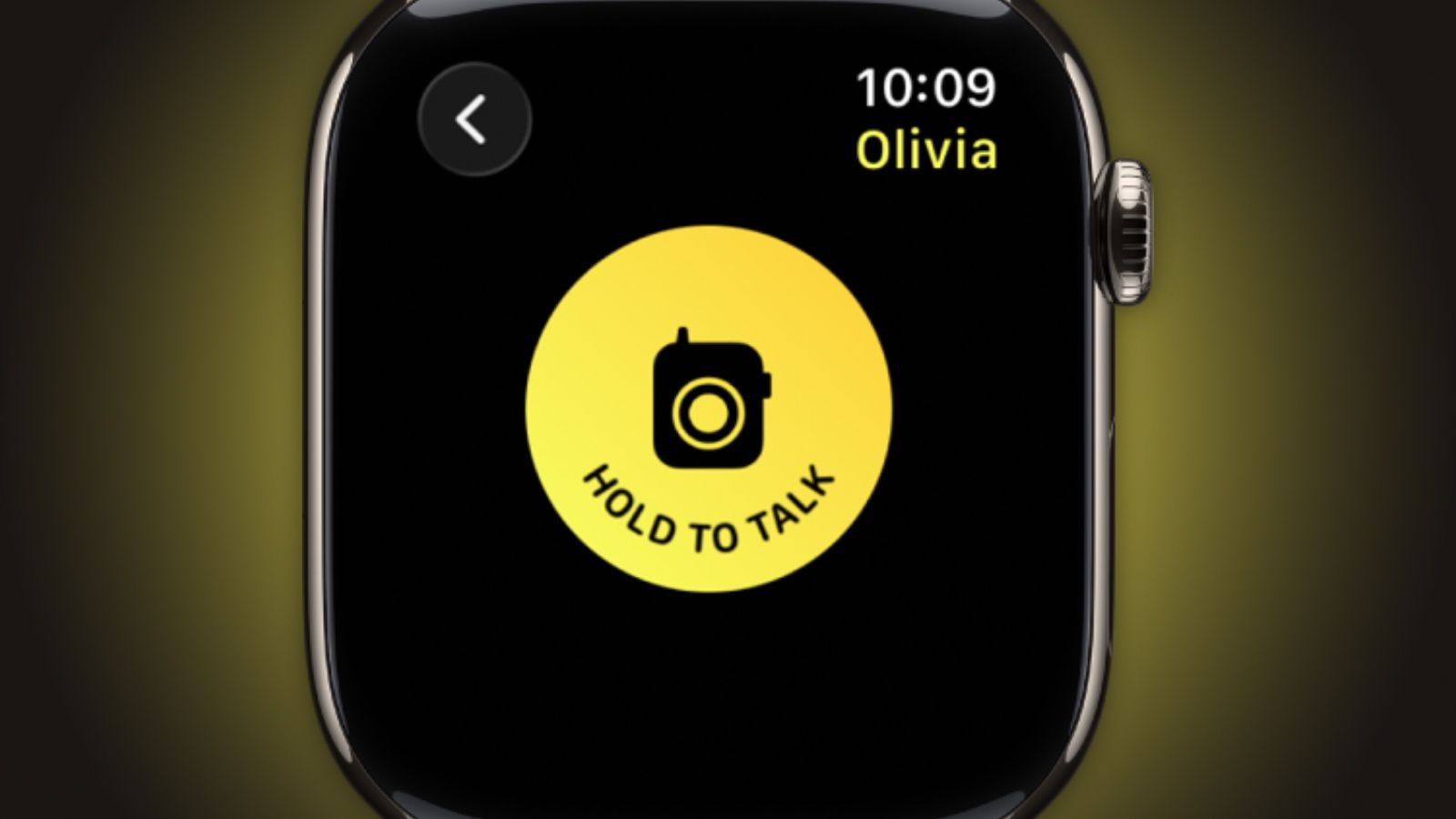
In the first beta version of watchOS 27, the “Walkie-Talkie” app has suddenly disappeared from the app list and Control Center on the Apple Watch. This app first appeared in 2018 with watchOS 5 and allowed users to send short voice messages over Wi-Fi or cellular networks using FaceTime architecture, working like a wireless communication device over any distance. Despite the unique idea, the app did not receive significant updates over the past years and also faced a security issue that forced Apple to temporarily disable it at its inception. So far, the company has not officially confirmed its removal, but indicators suggest it is a final decision rather than a temporary bug. The public beta version of watchOS 27 will arrive next month, with the official launch in the fall alongside new Apple Watch models.
iOS 27 adds new features to HomePod speaker
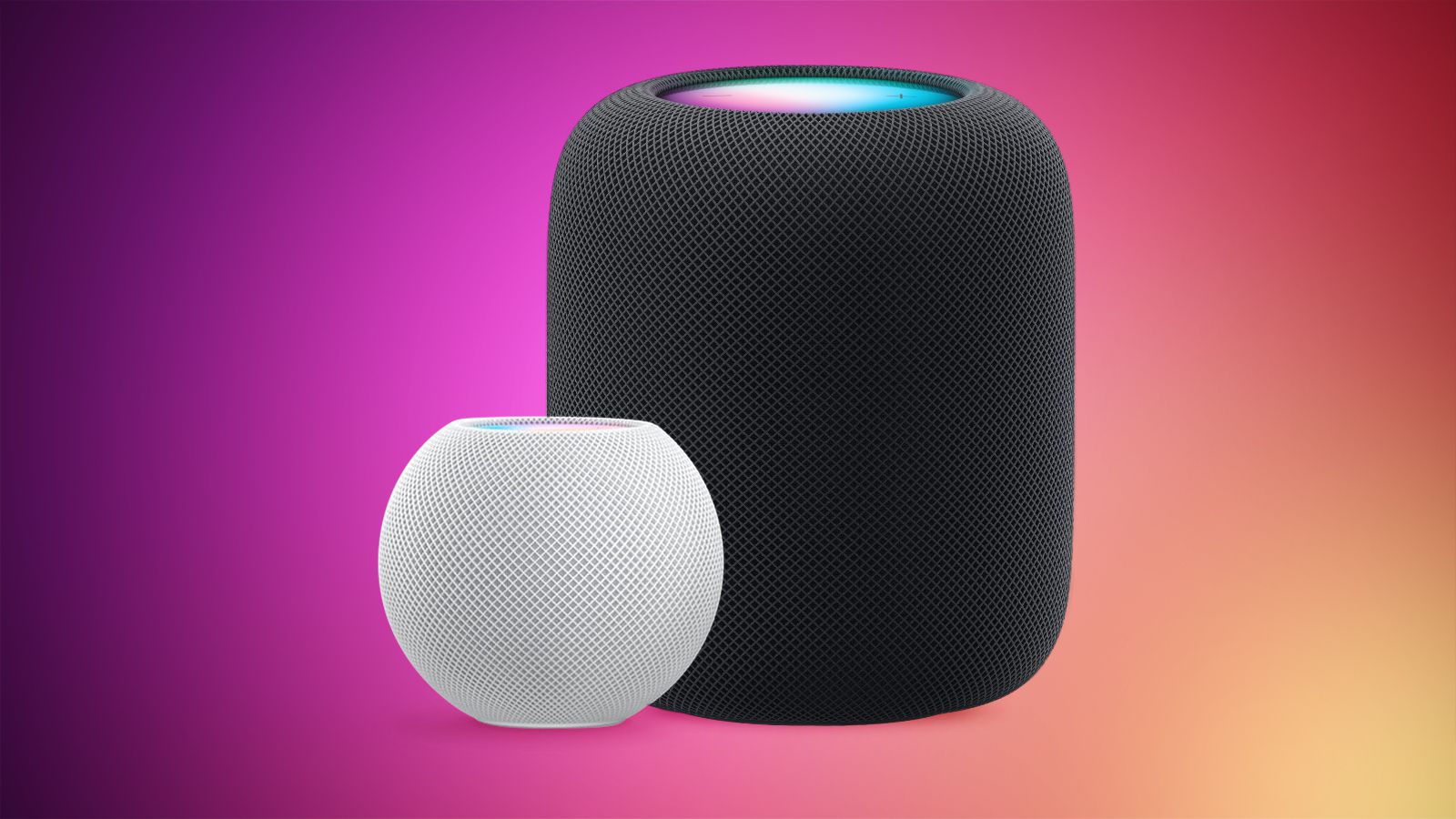
Apple announced that iOS 27 and HomePod Software 27 will bring the AutoMix feature to the HomePod smart speaker. This is an AI-powered feature available in the Apple Music app that works on seamless mixing between songs in terms of rhythm and tone, with improvements in its algorithms to make transitions between tracks smoother than ever before. HomePod users were deprived of this feature in the current version of the software, as they could only benefit from it by streaming audio wirelessly from another device that supports it. Notably, the new version also supports the first-generation HomePod released in 2018, which Apple discontinued in 2021, a fact confirmed by an independent tester after some questions were raised about the matter. HomePod Software 27 is scheduled to be released in its final form next fall, alongside the official launch of iOS 27.
Apple tightens App Store rules and fights poor-quality apps
Apple announced a major update to App Store policies targeting poor-quality and duplicate apps. The company now has the authority to remove apps that do not provide real value to users or that belong to already saturated categories such as flashlight, wallpaper, timer, astrology, and dating apps, unless they offer a different and unique experience. Apple also explicitly stated that trivial apps like laughter or burping sound apps do not add any value to the store, and their developers may be expelled from the developer program if they continue to submit them. In the same context, Apple emphasized that developers of apps containing user-generated content—such as social media platforms—are responsible themselves for removing any content that violates policies, such as pornographic content, otherwise they risk having their apps removed from the store. Finally, Apple banned the use of the “Live Activities” feature to send spam or fraudulent messages to users.
Anthropic launches “Claude Fable 5” AI model to the general public

Anthropic announced the launch of its new AI model, “Claude Fable 5,” which is the most powerful in its history and available for general use. It features exceptional performance in the fields of programming, scientific research, and complex information processing, with the ability to work independently for longer periods than any previous model. To ensure safety, the company has adopted strict preventive safeguards that prevent its misuse in sensitive areas such as cybersecurity, chemistry, and biology, where questions related to them are automatically referred to a safer model.
In addition, Anthropic is launching a more advanced version called “Claude Mythos 5” for a limited category of specialists in cybersecurity and infrastructure protection, and reports indicate that Apple is among the partners included in this program. As for pricing, “Fable 5” will be available within current subscription plans for free until June 22, after which its use will require additional paid credit.
Apple reveals iOS 26 adoption rates
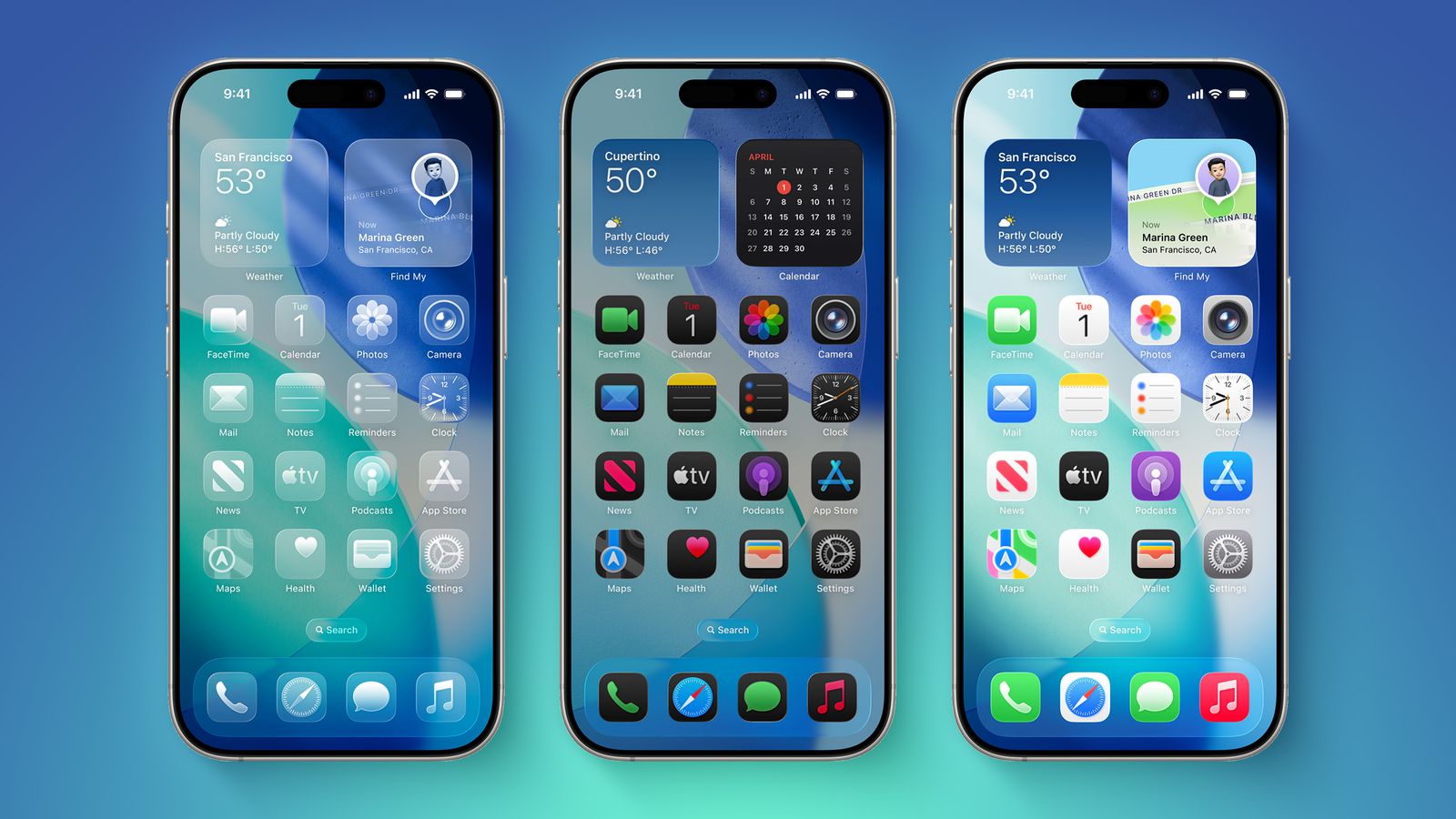
Apple revealed its latest statistics regarding the adoption of iOS 26, just before the start of the WWDC 2026 developer conference and the launch of the iOS 27 beta. The numbers show that 79% of all iPhones were running iOS 26, and this percentage rises to 86% if we limit it to iPhones released within the past four years.
As for the iPad, the adoption rate of iPadOS 26 reached about 68% of total devices, and 79% of those released in the past four years. These percentages are slightly lower compared to the numbers recorded by the previous system, iOS 18, in the same period last year. It is worth noting that these numbers are based on data from devices that made purchases through the App Store on June 7, and they are at the same time the last statistics issued by Apple about this system, after the official testing of the iOS 27 beta version began.
European Union: The decision to block smart Siri from Europe is Apple’s alone
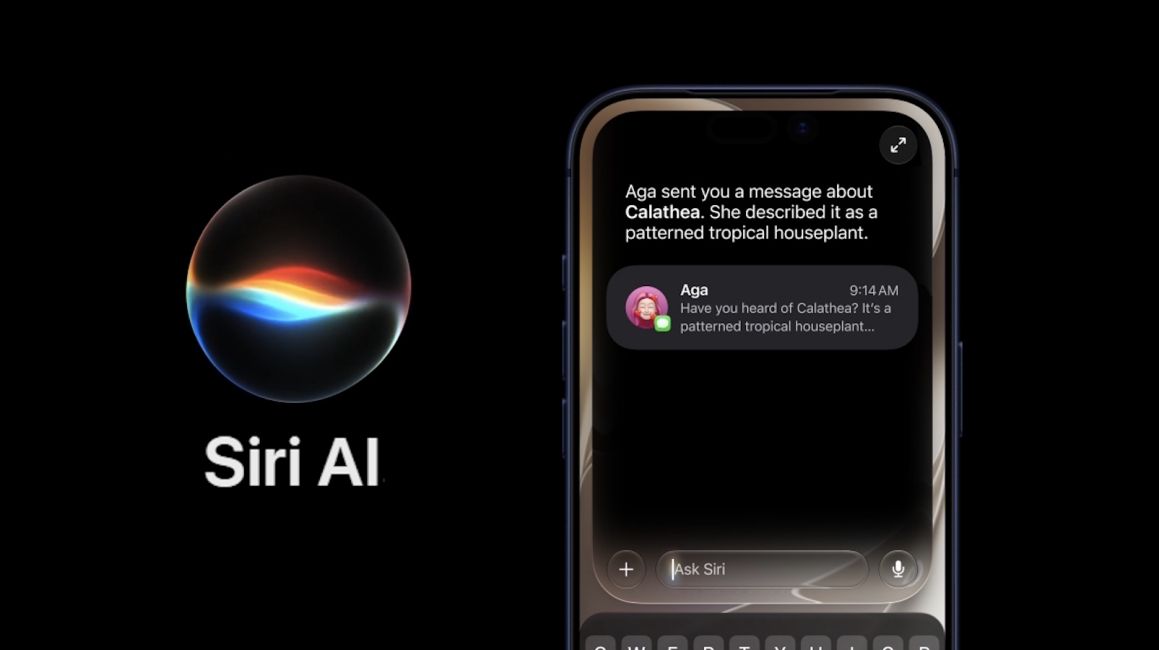
The European Commission responded to Apple’s announcement that it would not launch the smart Siri assistant in European Union countries, confirming that this decision rests entirely with Apple itself, not with regulatory restrictions as the company suggested. The Commission’s spokesperson explained that Apple did not seek to find technical solutions that meet the privacy and security requirements in force in the Union, but simply asked to be exempted from its legal obligations, which the Commission flatly rejected. In contrast, Apple had stated that it was “disappointed” by regulators who—according to the company—rejected all its proposals, including a system that allows external voice assistants secure access to the same device capabilities used by Siri. Regardless of the conflicting narratives, the practical result is that European Union users will not be able to benefit from the new smart Siri features when iOS 27 launches later this year, with no clear timeline for their future availability.
iOS 27 introduces a completely redesigned settings menu for AirPods
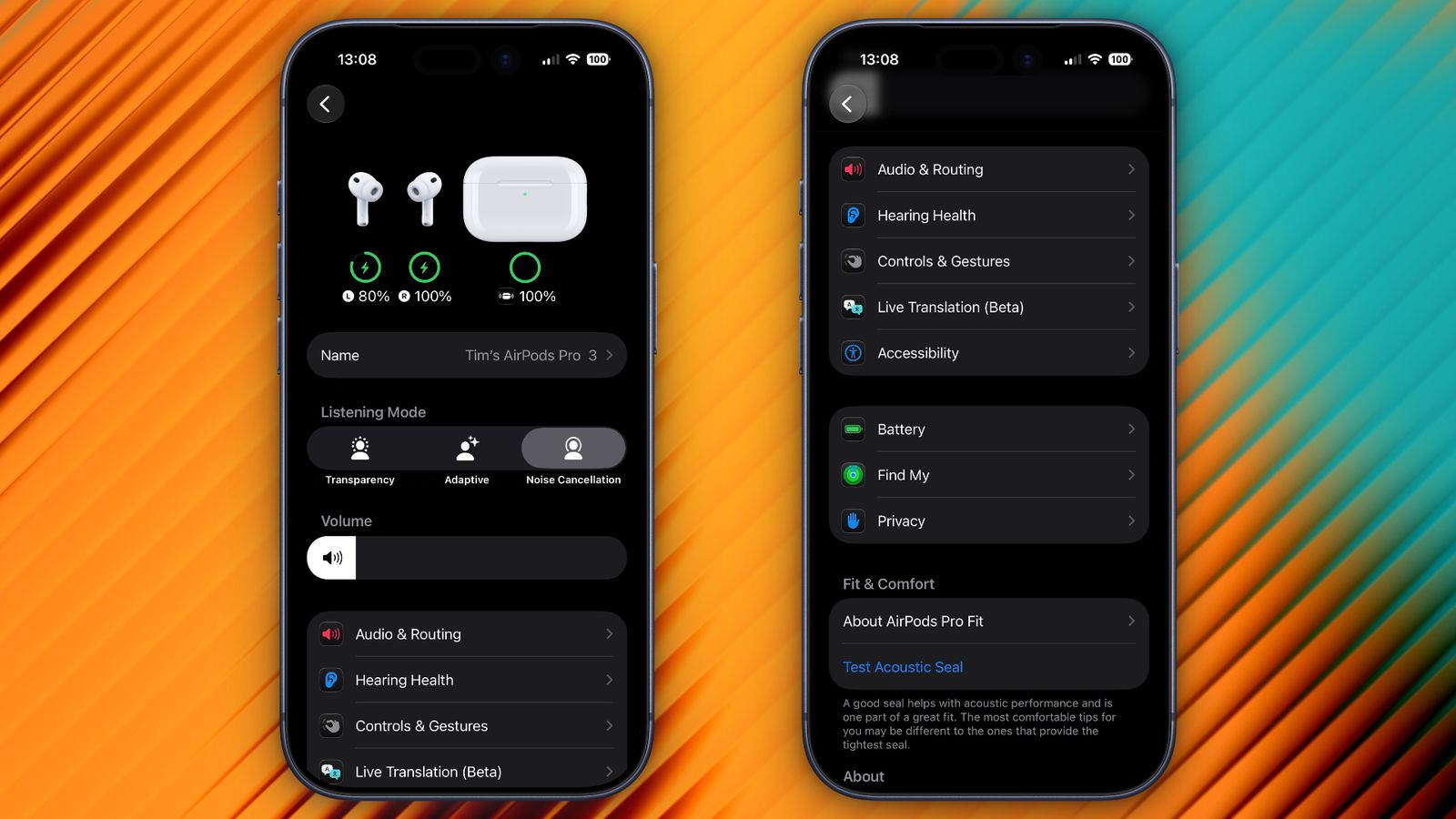
iOS 27 includes a radical update to the AirPods settings menu on iPhones. The new menu is more organized and easier to navigate compared to the old version, which required long scrolling to reach any option. The revamped menu includes a slider for volume adjustment, as well as grouping scattered options into clear and organized sections under distinct icons, including: Accessibility, Audio and Routing, Hearing Health, Control and Gestures, in addition to new sections for Battery, Privacy, and “Find My.” This new design also reached AirPods settings in macOS 27, known as “Golden Gate.”
iOS 27 allows you to temporarily hide your location from others in the “Find My” app

In the first beta version of iOS 27, Apple added a practical new feature in the “Find My” app that gives the user the ability to temporarily hide their location from specific people for 12 hours, simply by pressing the “Hide Location” option that appears in the People section within the app. After this period expires, the setting automatically returns to its previous state. It is worth noting that activating this feature does not send any notification to the other person; it simply appears on their device as “Location Not Found” without any explanation. The public beta version of iOS 27 is expected to be available next month, while the final official release is expected in September.
Apple Photos app finally gets a slideshow maker
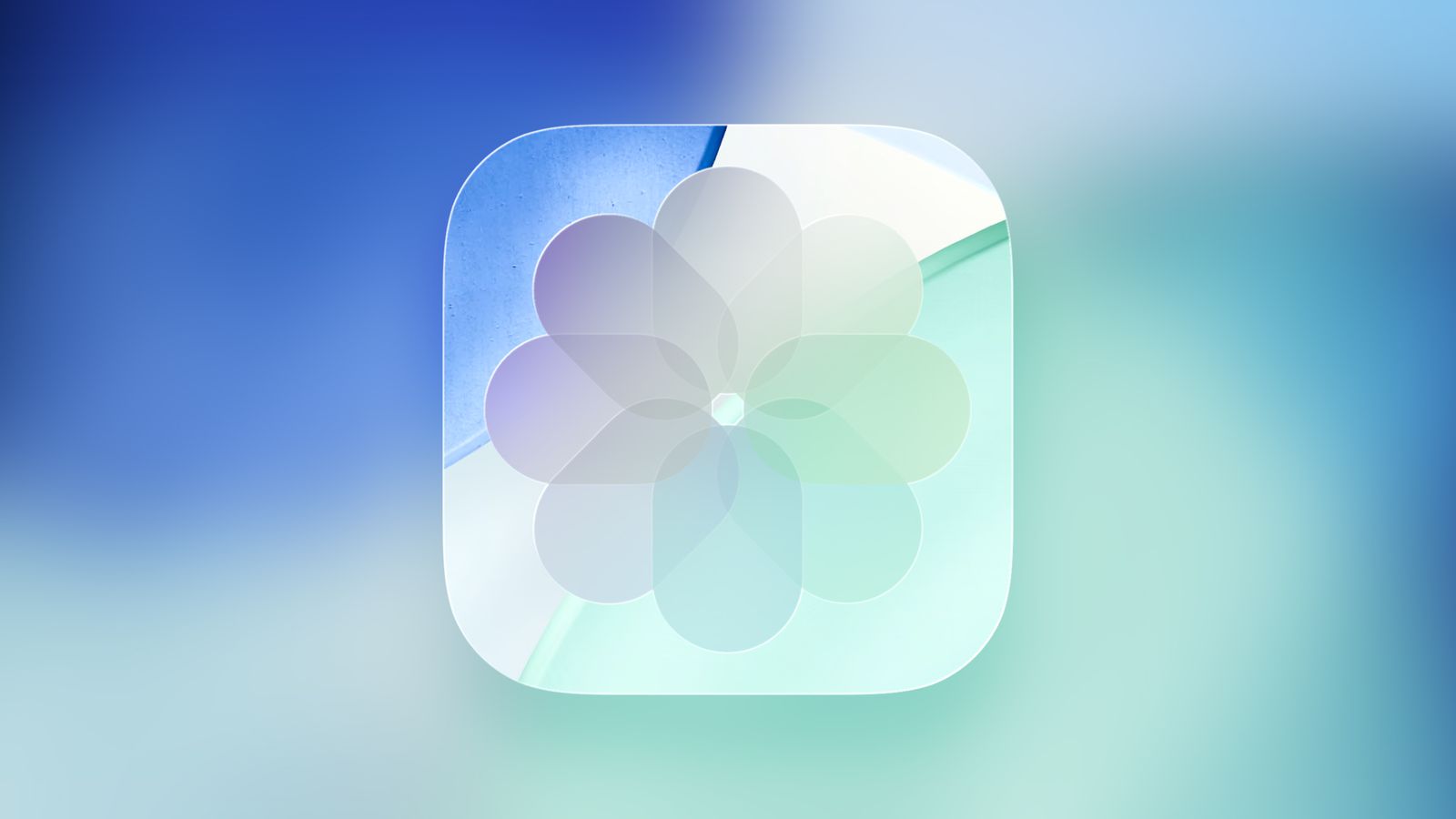
Apple announced that the Photos app will soon allow playing any collection of photos and videos as a slideshow, with the ability to choose the display duration, transition style, and add music. The slideshow can also be saved directly as a video within the Photos library for easy viewing later. Other additions include: saving a specific frame from a video as a photo, more flexible tools for organizing albums, emoji reactions in shared albums, viewing the latest activities in them, and accessing photos and videos in full quality. Apple also added new collections such as “Shot by Me” and “Identity Documents,” while improving search results for people and pets.
Leak: Foldable iPhone design… and it might be released in white only

Famous leaker Sonny Dickson revealed detailed images of a foldable iPhone model that appears to reflect the final design of the device, indicating the possibility of it being released in an exclusive white color only. The device adopts a passport-like shape, wider than it is tall, which distinguishes it from other foldable phones on the market, with a 5.5-inch external screen and a 7.8-inch OLED internal screen that makes it close in size to an iPad mini when opened. Leaks speak of an ultra-thin titanium frame with a thickness of 4.5 mm, with a fingerprint sensor instead of Face ID, and a horizontal dual-camera array on the back. Among the most prominent new details is that the external screen will extend from edge to edge with a slight curve on the sides, and that the selfie camera for the internal screen will be in the top left corner. The device is expected to be announced in September 2026 alongside the iPhone 18 Pro, with a price exceeding $2,000 according to reports.
Leaks reveal iPhone 18 Pro colors… but an important warning

Images of parts of the iPhone 18 Pro chassis were recently circulated on the internet, showing three expected colors for the device: a dark red resembling cherry color, a light blue, and a dark gray, in addition to a fourth silver color that did not appear in the images. The dark red color was expected to be the signature color for this generation, similar to what Apple did with the Cosmic Orange color in the iPhone 17 Pro.

However, a subsequent investigation proved that these images were manipulated using AI and are not real photos of the device parts, which means they should be treated with extreme caution. Nevertheless, other reliable leaks indicate that these four colors remain among the options that Apple is actually testing. The iPhone 18 Pro and iPhone 18 Pro Max are expected to be officially unveiled in September 2026.
Miscellaneous News
◉ Meta announced that the WhatsApp application will stop working on some older iPhones if they are not updated before the end of November 2026. Starting November 30, the app will require iOS 15.5 or later instead of iOS 15.1. Affected devices include the iPhone 6s, 6s Plus, SE (first generation), iPhone 7, and 7 Plus, which can install the latest version, iOS 15.8.8. This means users only need to go to settings and update the system to ensure WhatsApp continues to work. Unlike last year, when support was completely discontinued for the iPhone 5s, 6, and 6 Plus, this time no device is being excluded entirely; it is just raising the minimum compatibility threshold to protect users and provide better security updates.
◉ Recent reports revealed that Apple has quietly begun to stop selling the travel case for the Vision Pro headset—which was priced at $199—in many countries around the world such as the UK, Japan, Germany, France, and Hong Kong, while it is still available for purchase in the US, Canada, and the UAE. This comes in the context of a general decline in the future of this headset; the updated version released in October 2025 did not achieve the hoped-for demand despite keeping its price at $3,499, and its total sales did not exceed 600,000 units with a high return rate compared to other Apple products. Additionally, its development team was redistributed to different projects, and plans to release a cheaper and lighter version known as “Vision Air” were canceled. Reports indicate that Apple is now moving towards developing smart glasses that compete with Meta’s glasses, with expectations that no new product in this field will be released before 2028 or 2029 at the earliest.
◉ Apple announced that macOS 27 Golden Gate will be the last version to support running Intel applications via the Rosetta 2 tool, the technology that has allowed running programs built for Intel processors on Macs equipped with Apple Silicon chips since 2020. Starting from the next version, macOS 28, these applications will not work at all, meaning users and developers need to update their software or look for alternatives compatible with Apple’s new processors. The new system also automatically removes Rosetta if it was installed in the previous version, and it can be reinstalled if needed. Most popular apps are already compatible with Apple Silicon, but those who rely on old software will have to stay on macOS 27 or move to other solutions before September 2026, the official launch date.
◉ The Telegram messaging app launched an official version dedicated to the Apple Watch, allowing users to read and reply to messages directly, with support for features such as stickers, voice messages, and location sharing. Although Telegram had offered a similar app in 2015 before it was later discontinued, this return gives users a better official experience than the third-party apps that have appeared in recent years.

◉ Apple introduced in macOS 27 Golden Gate a feature familiar to iPhone and iPad users, which is “Pull to Refresh,” where users can pull the screen down within apps to get the latest content instead of relying on keyboard shortcuts or menus. This feature will be available at launch in apps such as Safari, Mail, News, Podcasts, and Calendar. The arrival of this gesture to Mac devices reflects Apple’s continued unification of interaction methods between its various systems.
◉ The Instagram app launched a long-awaited feature that enables users to rearrange their posts in the profile grid in the order they desire, instead of the fixed reverse chronological order that has been imposed since the app’s inception. This feature is available on iPhone and Android devices and can be activated by long-pressing any post in the grid, then choosing “reorder grid” from the pop-up menu, and dragging the content to the desired position. Changes are saved immediately and appear to all page visitors. It is worth noting that pinned posts always remain at the top of the page regardless of any rearrangement. Instagram had announced this feature in January 2025, partly as an apology to users whose page designs were disrupted after the app shifted from square photos to longer vertical photos, with this feature reaching all users about a year and a half after it was announced.
◉ Microsoft raised the prices of the “GitHub Copilot” programming tool significantly, which sparked a wide debate about the future of pricing for AI services that have remained supported by investor money for years. With companies like Anthropic approaching an IPO and needing to prove their profitability, it seems that users will soon bear the true cost of these services, which may fundamentally change how individuals and companies deal with them.
◉ WhatsApp announced that it has stopped a new espionage campaign linked to the NSO Group, in violation of a court order prohibiting the company from targeting app users. The attacks relied on malicious links and test accounts within WhatsApp, similar to previous campaigns that used Pegasus software. WhatsApp filed a request to hold NSO in contempt of court, while the US government continues to impose sanctions and keep the company on the blacklist, despite attempts by new investors to improve its reputation and push it to enter the US market.
Sources:
1 | 2 | 3 | 4 | 5 | 6 | 7 | 8 | 9 | 10 | 11 | 12 | 13 | 14 | 15 | 16 | 17 | 18 | 19 | 20 | 21



Leave a Reply