During the Worldwide Developers Conference (WWDC) keynote, Apple focused heavily on massive features like iOS 27 and the Siri AI assistant, to the point that it didn’t talk much about the Apple Watch and its new system. However, the watchOS 27 update is inevitably coming, but with news that may be shocking and disappointing to many users who own slightly older models. It seems the company has decided this year to draw a harsh and unusual line at the end of the lifecycle for some of its wearable devices that are still considered relatively modern.
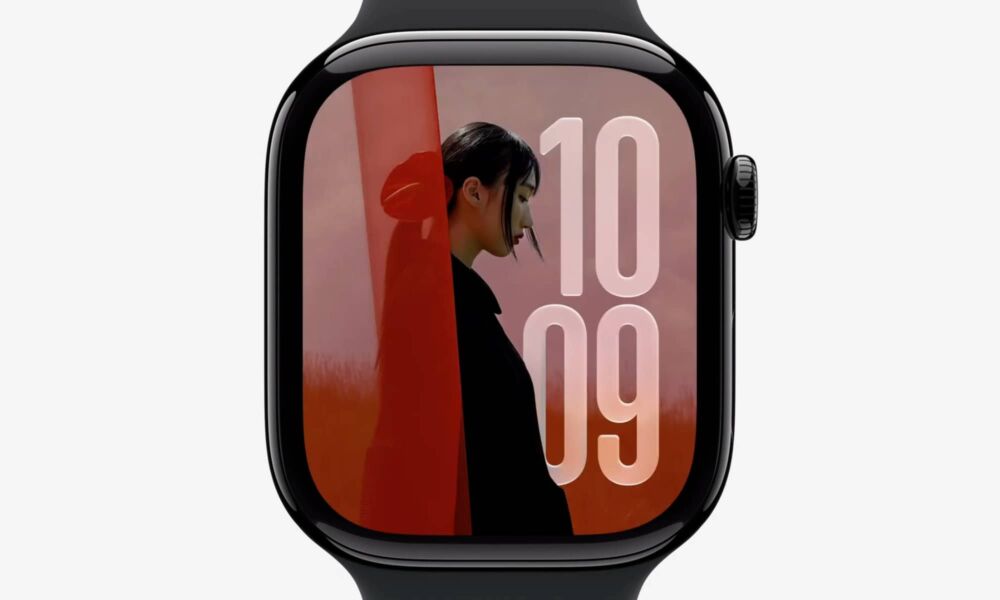
Compatibility shock: Apple draws a harsh line for its watch support
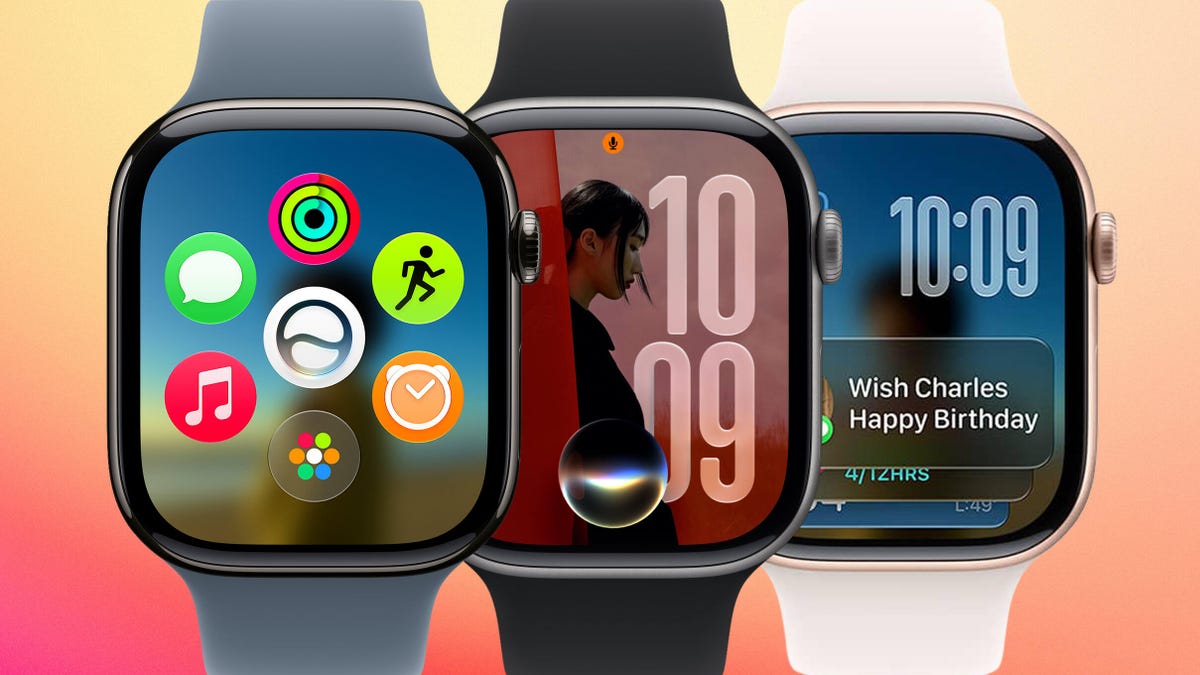
Initially, the watchOS 27 preview page on Apple’s official website surprisingly indicated that the new system would require an Apple Watch Series 10 or later. This would have been absolutely shocking, especially since the Series 9 and Series 10 watches share almost the same core hardware architecture. Fortunately, Apple caught the error later and updated the page to confirm support for the Apple Watch Series 9. However, this means that support has officially stopped for watches released just three years ago!
To put things in perspective, the previous watchOS 26 supported older watches dating back to the Apple Watch Series 6 released in 2020, providing five full years of software updates. With watchOS 27, Apple has decided to stop at a very short lifecycle of just three years. This decision leaves the Apple Watch Series 8, released in 2022, with the shortest support cycle since the launch of the original watch (Series 0) in 2015.
The most controversial part is that this cutoff also includes the first-generation Apple Watch Ultra, as it was released in the same year and carries the same S8 processor. While owners of the Apple Watch Ultra 2 remain safe, early adopters who paid a premium for the powerful, first-ever sports version of the Ultra watch in late 2022 suddenly find themselves facing a software dead end much sooner than they expected.
Why watchOS 27? Is it Siri and AI?
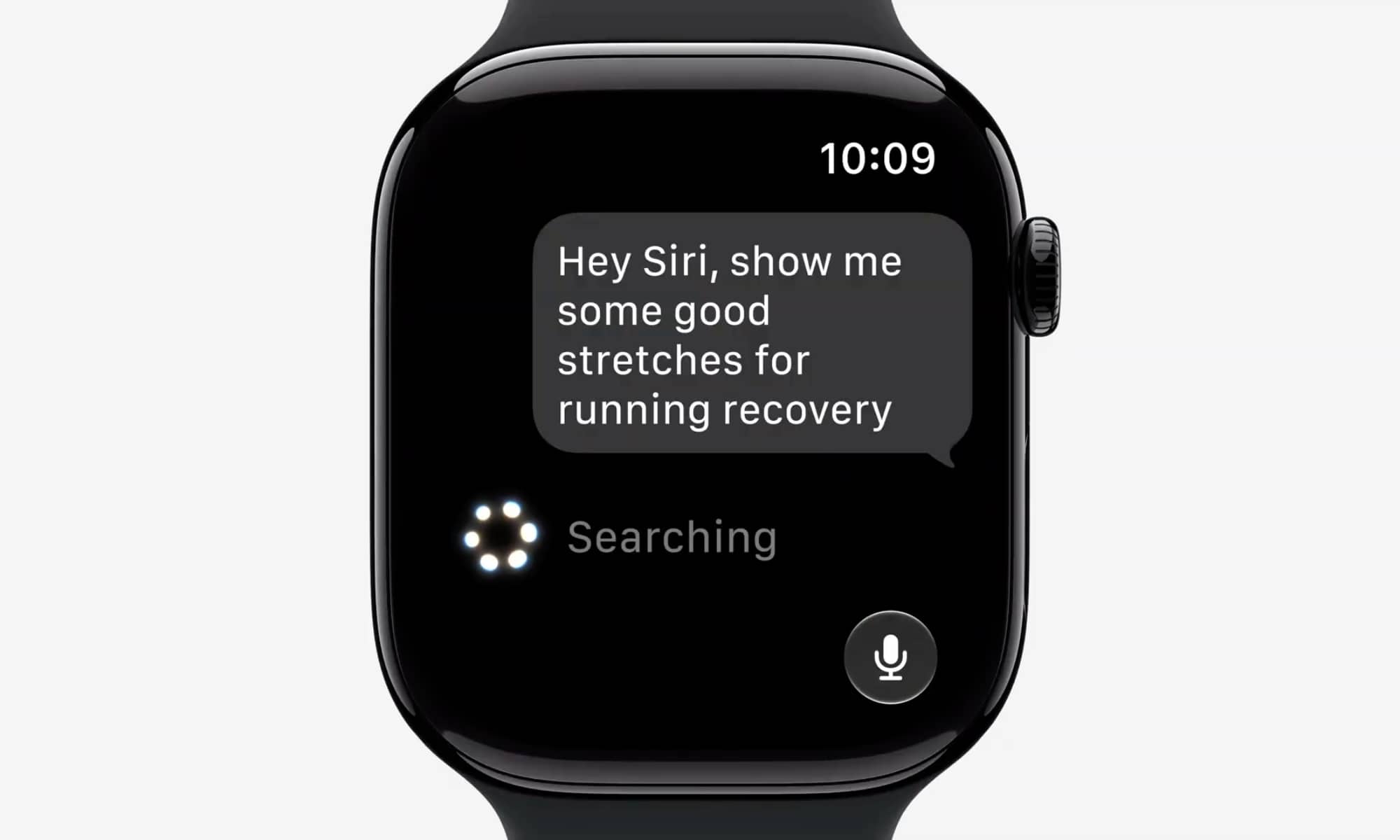
Apple quickly pointed out during the conference the integration of AI with Siri on the watch to enable users to ask questions and take actions directly from their wrist. It seems Apple insists on using this advanced Neural Engine to process these requests locally. Although Apple could have simply limited this feature to newer models while allowing the system to be installed on older watches (just as it does in iOS 27 with AI features limited to the iPhone 15 Pro or iPhone 17 Pro), it chose instead to drop support entirely for older devices.
New features and app interface updates
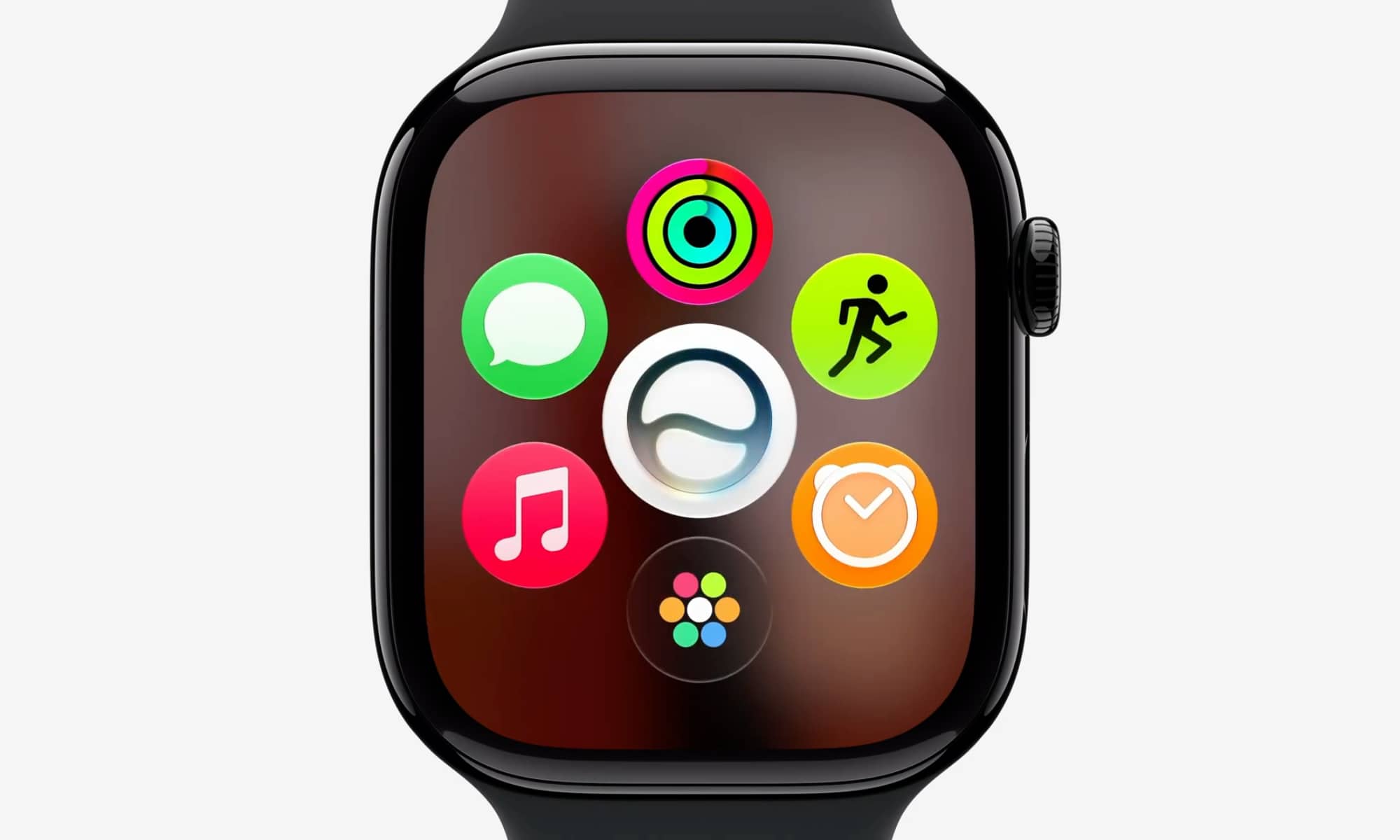
Other features in watchOS 27 seem less hardware-demanding. For example, the AI-powered Workout Buddy feature, which provides advanced fitness analytics during workouts, updates to the cycle tracking app to support the perimenopause stage, and the new dynamic app grid that arranges your six or seven most-used apps in a circular loop around the Siri app for lightning-fast access.
None of these features seem to require the power of the S9 processor directly. When Apple introduced the Workout Buddy feature last year, it worked on any watch supported by watchOS 26 as long as it was paired with an iPhone that supports Apple Intelligence. The new system design might have become so complex that it is difficult to run smoothly on older S-Series processors; nevertheless, we cannot blame those who bought an Apple Watch Series 8 or the first Apple Watch Ultra and feel frustrated by this sudden decision.
Source:
Leave a Reply