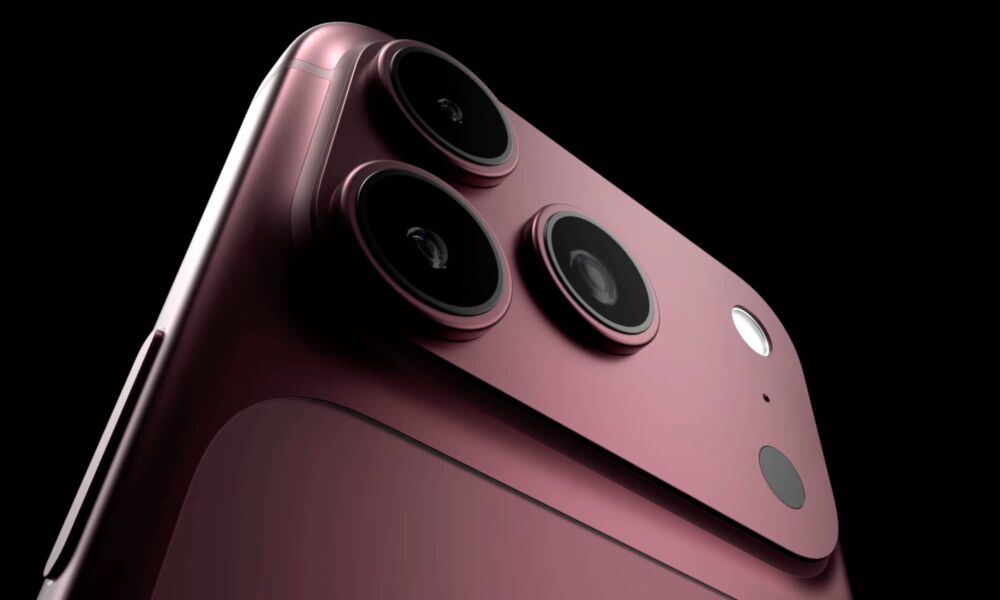
It seems that Apple’s secrets are no longer entirely safe within the labyrinthine corridors of its sprawling supply chains. Earlier this week, the tech world was shaken by news of a massive sensitive data leak from “Tata Electronics” in India, one of Apple’s key partners. As questions mount regarding the volume of the leaked data, a precise report from AppleInsider confirmed that the leaks were not merely routine documents, but actually included detailed technical specifications for the upcoming iPhone 18 Pro months before its official announcement.
An earthquake in the supply chain: What happened at the Tata factories?
The story began when a ransomware group known as “World Leaks” announced the theft of over 200,000 files, totaling more than 630 GB of confidential data belonging to Tata. Although the Indian supplier did not delve into sensitive details, it confirmed in an official statement to Reuters that it had experienced a “cybersecurity incident,” without disclosing the identities of affected clients or the volume of stolen data, while internal sources confirmed that the company had indeed received a demand for a massive ransom payment.
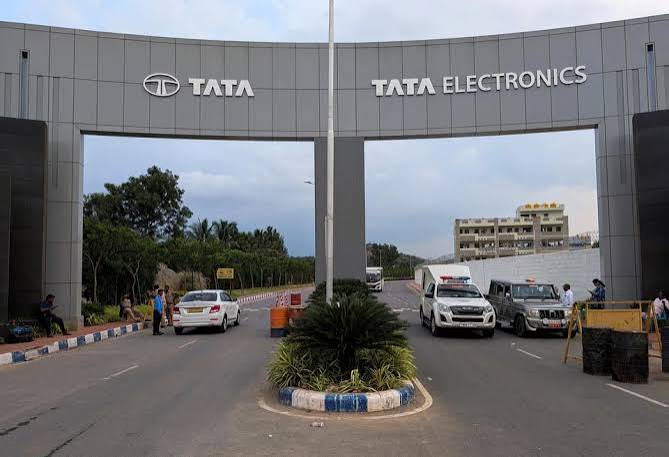
Tata Electronics is Apple’s largest supplier in India in terms of employee count. While it remains smaller than the Taiwanese giant Foxconn in terms of total production, its role is constantly growing in Apple’s plans to diversify its supply chains. Since Tata also manufactures for major companies like Tesla, Nvidia, and Qualcomm, the stolen data included much more than just Apple’s secret blueprints, encompassing highly sensitive manufacturing documents and technical schematics.
Internal anatomy of the iPhone 18 Pro and iPhone 18 Pro Max

After examining samples of the leaked data and verifying their authenticity and origin, exciting details regarding the iPhone 18 Pro and iPhone 18 Pro Max were revealed. Given that these phones have already entered the mass production preparation phase for their usual launch, the leaked documents included detailed schematics of the motherboard, including all its layers and various angles.
The schematics reveal with extreme precision the layout of electronic chips and internal components, as well as the names of the suppliers for each part. Although the external design of the iPhone 18 Pro will not see a major visual revolution but rather an incremental improvement over the current design, what is interesting is that the Tata files underwent strict internal censorship to hide the expected colors—a smart move by the Indian supplier to protect some of Apple’s privacy, unlike what sometimes happens with scandalous Foxconn leaks.
A20 Pro processor and C2 modem: Specifications under the microscope
The most exciting aspect of these leaks lies in the confirmation of the internal specifications we were expecting. The leaked data revealed the existence of Apple’s upcoming A20 Pro processor as the phone’s main chip, which will come equipped with a significantly upgraded Image Signal Processor (ISP) to provide a qualitative leap in video recording and artificial intelligence, in addition to an enhanced screen security feature to protect displayed data.
The documents also settled the debate over Apple’s proprietary communication chip (modem), known by the codename Ganymede or the C2 modem, confirming that Apple is closer than ever to completely phasing out Qualcomm chips and relying on its own hardware for network connectivity.
It did not stop there; the leaks included a passing reference to Apple’s foldable phone, referred to by the codename V68, although the documents did not yet reveal deep details about it. It is a rich technical feast confirming that behind the scenes at Apple, a super-generation of devices is being cooked up.

While hackers are busy leaking complex engineering schematics for Apple’s chips and phones, we at Phonegram wish these gifts and leaks came in the form of free iPads distributed to users instead of encrypted files that cause anxiety for companies and headaches in the cybersecurity management rooms in Cupertino!
Source:



Leave a Reply