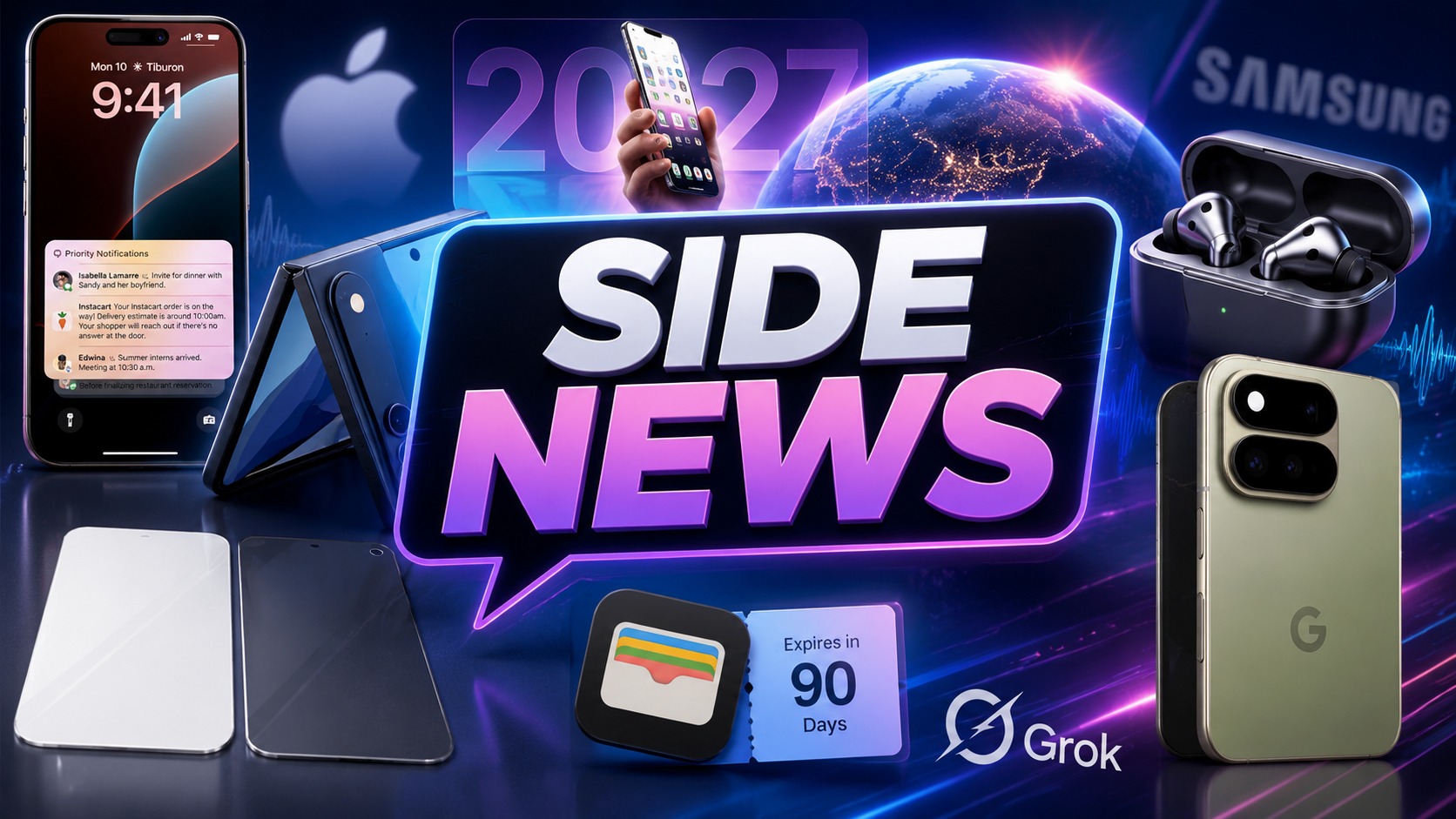
Google and Epic Games have backed down from their settlement agreement, Apple has closed a loophole that allowed for the purchase of unlocked iPhones, OnePlus is preparing to withdraw from the US and European markets, the European Union has backtracked on requiring Apple to make its smartwatch and headphone batteries removable, Apple factories are ready to manufacture the glass 20th-anniversary iPhone, Apple Intelligence has received approval in China, OpenAI is unveiling a portable smart speaker, the OLED iPad mini may come with a 60Hz screen, WhatsApp is testing a cloud storage alternative to iCloud, iOS 26.6 warns against malicious iMessages, Apple shares return to record levels, Apple is preparing to launch two new generations of Apple Pencil, and other exciting news on the sidelines…

Google Backs Down from its Agreement with Epic Games
Google and Epic Games have decided to withdraw the settlement agreement they had reached after it became clear that the court was unlikely to approve it. This means that Google is now obligated to implement a court ruling issued in October 2024 that requires it to allow alternative app stores on Android devices. Google announced that it will begin supporting these alternative stores starting July 22, explaining that its reason for backing down is to avoid prolonging the legal dispute that keeps the market in a state of uncertainty, while reaffirming its commitment to protecting Android security and providing a fair competitive environment for all developers and stores. It is worth noting that Epic had filed a similar lawsuit against Apple, but the result was in Apple’s favor, while Epic won its case against Google after a jury decided that Google monopolized the app store and imposed excessive fees on developers. Google will allow US alternative stores to distribute its "Play" store apps for an annual fee of $5,000, with Google’s service fees remaining applicable to purchases. While this decision does not have a direct impact on Apple, it sets a legal precedent similar to what Apple is being asked to do in the European Union under the Digital Markets Act, while Apple’s case with Epic remains ongoing before the US Supreme Court, which is scheduled to hear it in late 2026 or early 2027.
Apple Closes the Loophole That Allowed Buying Unlocked iPhones
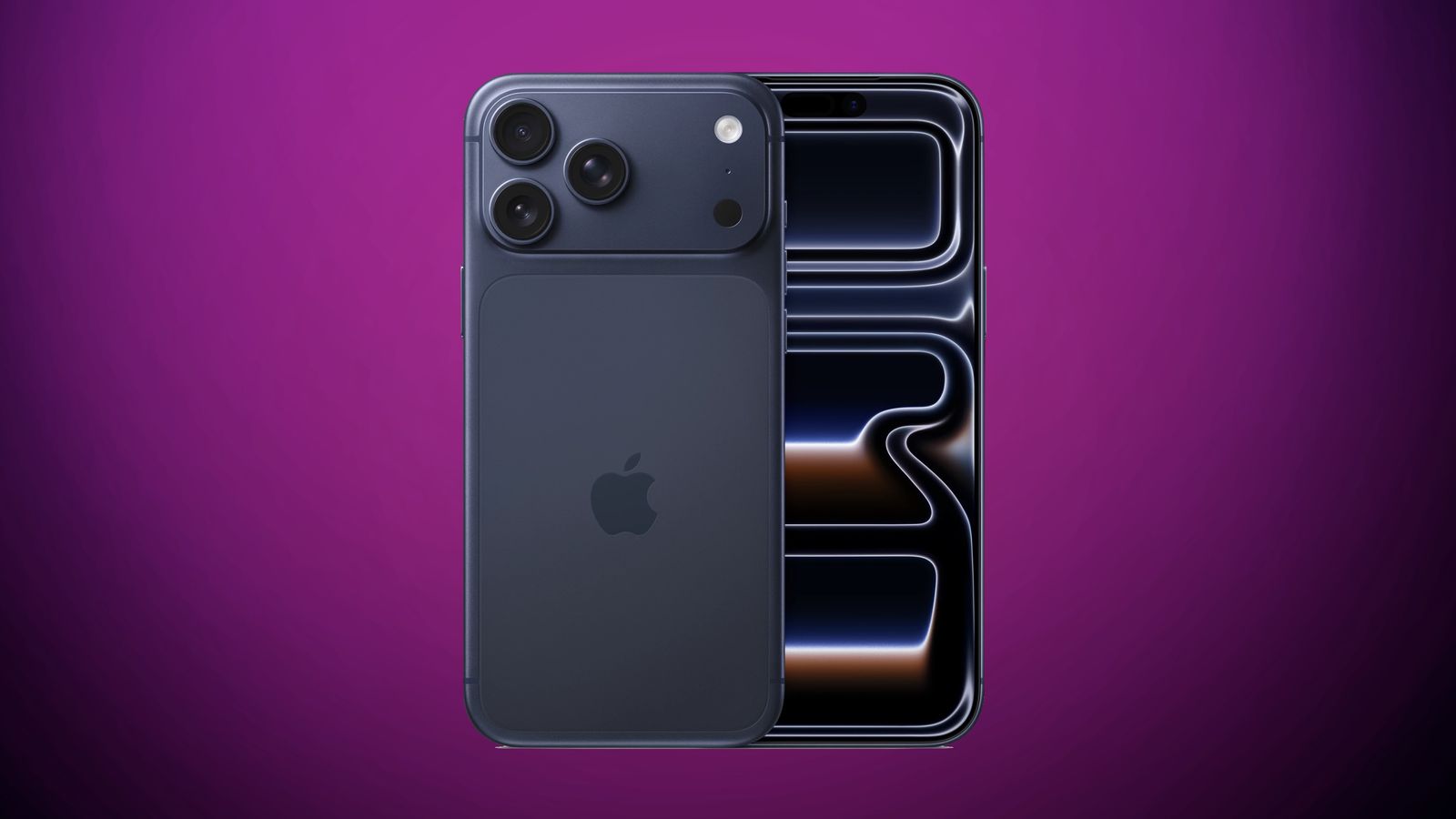
Until recently, Apple allowed those who bought an iPhone and financed it through T-Mobile or Verizon to get a device unlocked for any network—a loophole that some buyers exploited to get a phone free for use despite purchasing it on an installment plan. However, Apple has now decided to close this loophole, so that iPhones financed through these two carriers will remain locked to their networks until the full value is paid off, whereas this was previously only applied to devices financed through AT&T. A "locked" phone means it only works with the network through which it was purchased, which can cause problems when traveling due to the inability to activate an additional eSIM from another network. Although Apple did not explain the reason for this change, it appears to be a preventive measure to prevent the sale of devices whose installments have not been fully paid. Note that devices purchased with cash or via installments using an Apple Card remain unlocked from the moment of purchase, and devices financed through carriers are unlocked as soon as their value is paid in full.
Apple’s 2026 Back-to-School Offer

Apple has launched its annual back-to-school offer in several Asian countries such as China, India, Singapore, and Thailand, where university students and teachers receive a free gift when purchasing an eligible Mac or iPad. Gifts vary by country and include four AirTags, AirPods 4, an Apple Pencil Pro, or an Apple gift card, with the possibility of getting discounts on some accessories. The offer runs until August 27, but does not include devices such as the MacBook Neo or iPad mini, and is expected to arrive later in the United States, Canada, and Europe.
Apple’s New Smart Home Plan for 2026
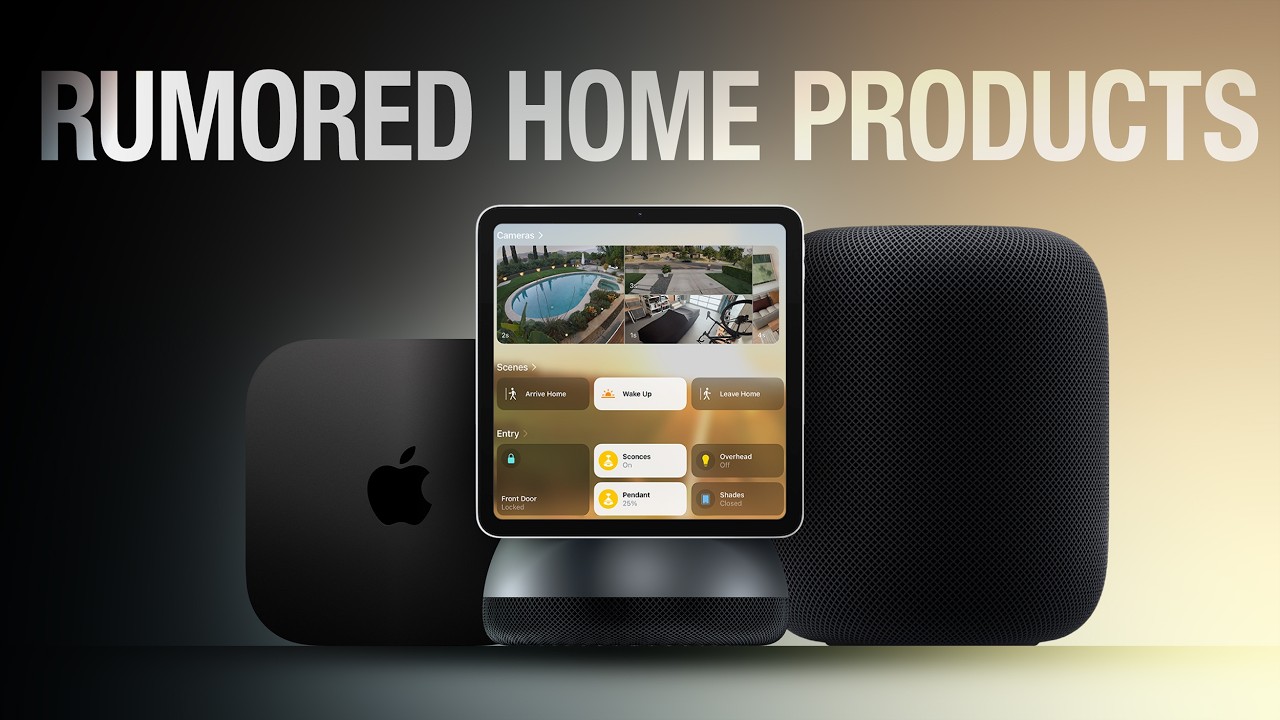
As the "Siri" smart device nears launch within Apple’s new systems, the company is preparing to roll out a range of smart home devices designed to work with it. Leading the way is the "Home Hub," which resembles an iPad with a 7-inch square screen and comes with a wall-mount or speaker base option. It includes a camera for video calls, facial recognition, and person detection, and is expected to start at around $350. In addition, a new version of the "Apple TV 4K" will receive a more powerful processor that supports AI features and possibly a new connectivity chip supporting Wi-Fi 7 networks. Apple is also preparing to update the "HomePod" and "HomePod mini" speakers with faster processors and better sound quality, along with new colors for the small version. The company is also working on designing its own security camera that may support features like 4K recording and smart event summarization. Although the launch date is not yet confirmed, Apple is expected to unveil these devices either during its September event alongside the new iPhones, or at a separate event dedicated to the smart home during October.
OnePlus Withdraws from US and European Markets
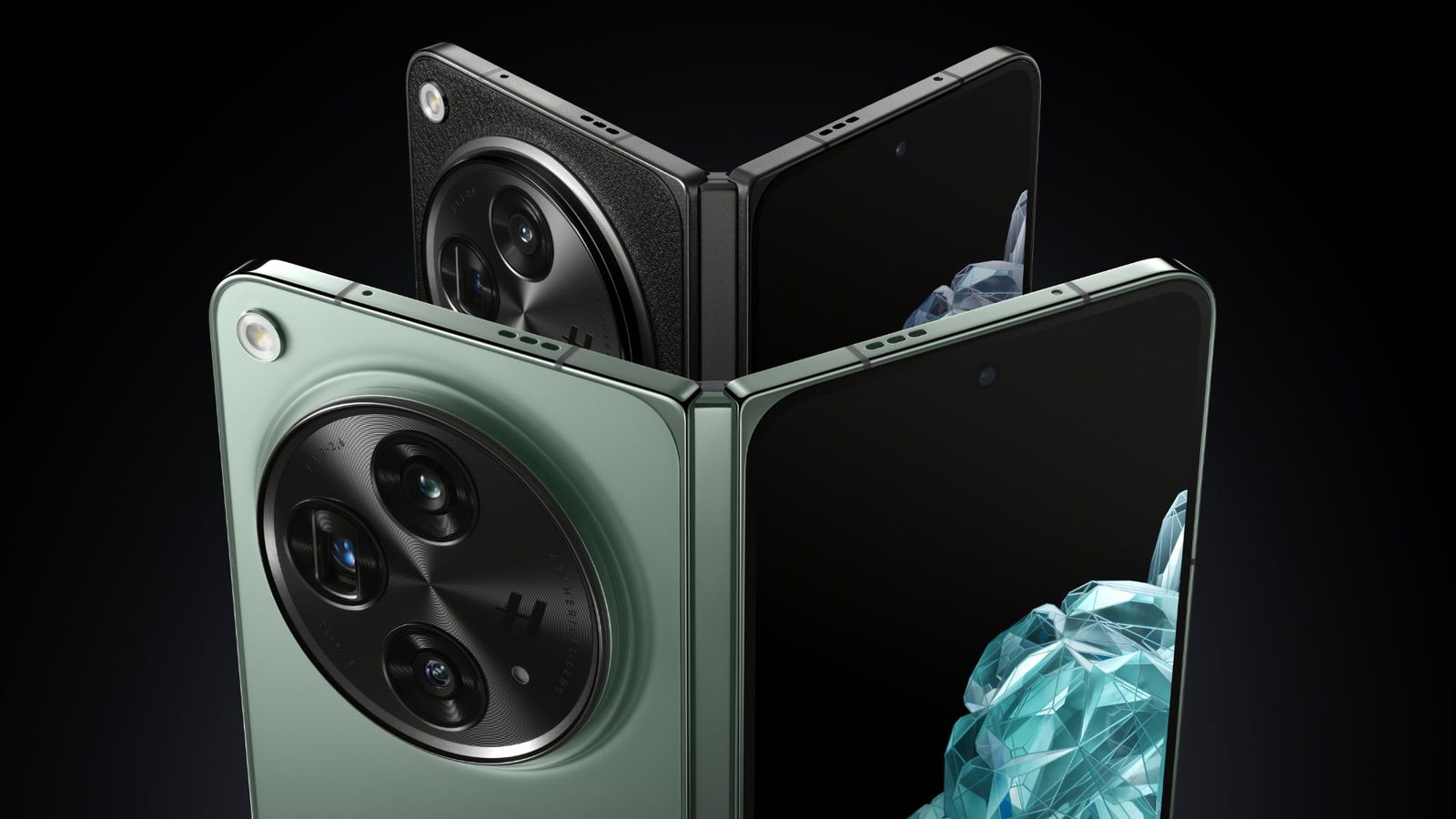
A Bloomberg report revealed that "OnePlus," wholly owned by the Chinese company Oppo, is preparing to withdraw from the smartphone markets in the United States and Europe as part of a broader restructuring plan that also includes the withdrawal of the "Realme" brand, also owned by Oppo, from the Chinese market. This change could begin as early as this week, with the OnePlus withdrawal gradually extending to the rest of the world, including India, during 2027.
In its early years, OnePlus gained wide popularity among Android enthusiasts thanks to its strong performance and competitive prices that were hundreds of dollars cheaper than Apple and Samsung products. However, its influence has declined significantly in recent years, while Apple and Samsung continue to dominate the US market with market shares of 20% and 22% respectively during the second quarter of 2026, while OnePlus lags far behind smaller competitors like Motorola and Google. In China, Oppo comes behind Huawei and Apple, amidst a general decline in smartphone sales of 4.3% due to the memory chip price hike crisis that affected most manufacturers except Apple and Huawei, which achieved growth. Reports indicate that Chinese brands like Oppo are under more pressure from this crisis compared to Apple and Samsung due to their lower profit margins.
Apple Seeks to Acquire AI Chip Manufacturers

Reports indicate that Apple plans to acquire companies specializing in AI chips with the goal of reducing its reliance on Nvidia chips, which it currently uses via Google Cloud to run complex tasks like the "Gemini" model powering the new "Siri," especially after delays in its own server chip. The company is showing a shift in its financial strategy following a massive acquisition deal early in the year and abandoning its cash-debt balance policy, giving it greater flexibility for larger future deals, especially with upcoming leadership changes and the expansion of the chip executive’s powers. At the same time, Apple is also working on developing its own server chips in collaboration with Broadcom, although they will not fully compete with Nvidia before 2029.
European Union Backtracks on Requiring Apple to Make Smartwatch and Headphone Batteries Removable
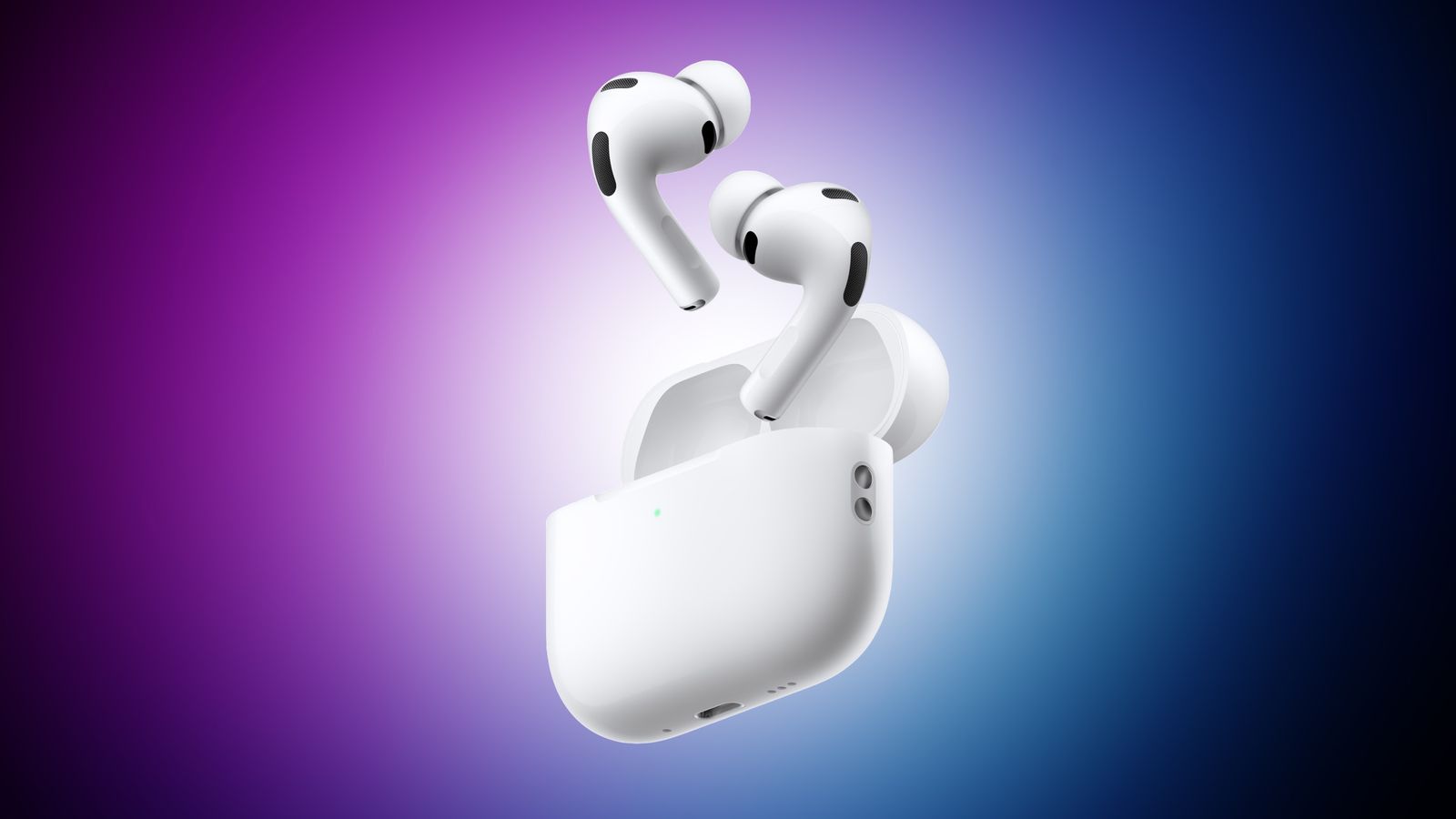
The European Commission has decided to add the "Apple Watch" and "AirPods" to the list of exemptions from the European Battery Regulation, which generally required electronic devices sold in the region to have batteries that users can replace themselves, with the aim of extending device life and facilitating material recycling. This exemption was granted for safety reasons, as opening small, tightly sealed devices could expose them to water leaks if not resealed correctly—the same reason that previously led to the exemption of products like electric toothbrushes. These new exemptions also include Meta smart glasses, following months of pressure from US officials. As for the iPhone, it was already exempt from this requirement due to its long battery life and water resistance, as Apple provides a battery replacement service through its stores, authorized service providers, or the Self Service Repair program, unlike some companies like Nintendo, which announced that it will release a version of the "Switch 2" in Europe with a replaceable battery to comply with the law. Note that this decision still requires approval from the European Parliament and the European Council before it enters into force, ahead of the broader implementation of the law in 2027.
Lego Considers Manufacturing a Set Inspired by the iMac G3
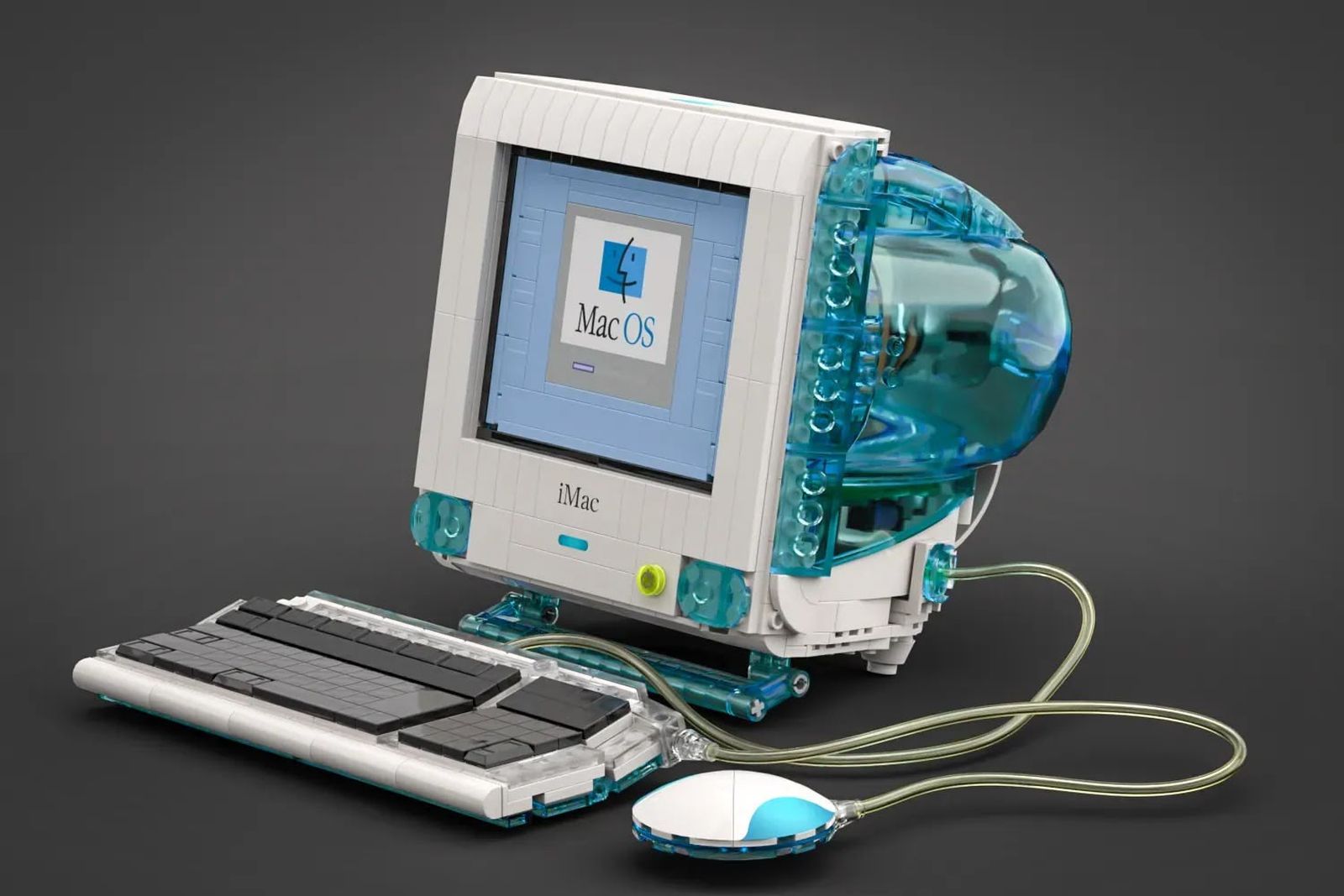
Lego announced that the project to redesign the iMac G3, submitted by a fan via the "Lego Ideas" platform, has moved to the "standby" stage. This means that the idea has not yet been rejected, and there is still a possibility of turning it into an official Lego set. The "Lego Ideas" platform allows fans to suggest designs for future sets, and any idea that receives 10,000 votes enters the evaluation phase by the specialized Lego team. A fan had designed in August 2025 a miniature version of the iMac G3, which Apple launched in 1998 in the distinctive blue color known as "Bondi Blue," including fine details like the circular mouse, matching keyboard, and even internal components like the CRT screen and the circuit board. The design succeeded in gathering the required number of votes, and its arrival now at the "standby" stage means that Lego needs extra time to study it, and perhaps to contact Apple for permission to use the design, which is considered a relatively positive indicator, as most rejected ideas are excluded early on, while some projects that went through the same standby phase later turned into actual products. Ideas can remain in this stage for three review cycles before a final decision is made regarding them.
Apple Factories Are Now Ready to Manufacture the Glass iPhone 20
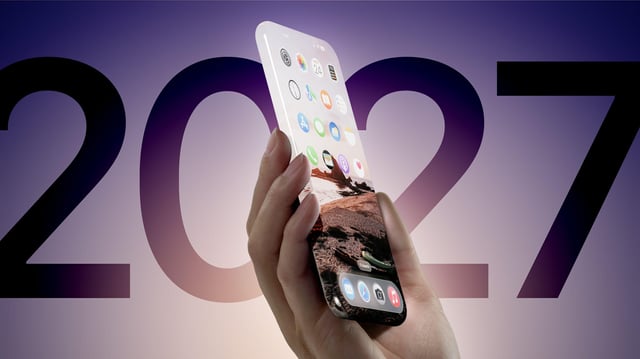
A well-known leaker on the "Weibo" platform reported that Apple’s supply chain factories have finished preparation work in readiness for the production of the "iPhone 20," which is said to adopt an all-glass design to mark the 20th anniversary of the iPhone launch. They explained that the expected manufacturing quality will be close to the level of the first generation of the "iPhone Air," and that one of the factories involved has already finished renovation work and is waiting for actual production to begin, without revealing the name of the supplier responsible. This news confirms previous reports that spoke of Apple’s intention to design a fully curved glass phone without any openings in the screen, with glass edges wrapping around all sides of the device, to be released in September 2027. Note that the same leaker had previously questioned reports that spoke of the possibility of Apple abandoning aluminum in favor of liquid metal or an improved titanium alloy in the Pro models, confirming that aluminum will remain the only practical choice for phones with straight edges for a long time to come, while the door remains open for the use of a different material in the design of the curved iPhone 20 specifically. These 20th-anniversary models are expected to reach the market in the fall of 2027, after the launch of the iPhone 18, iPhone 18e, and iPhone Air 2 in the spring of the same year.
New iPad mini May Come with a 60Hz OLED Screen
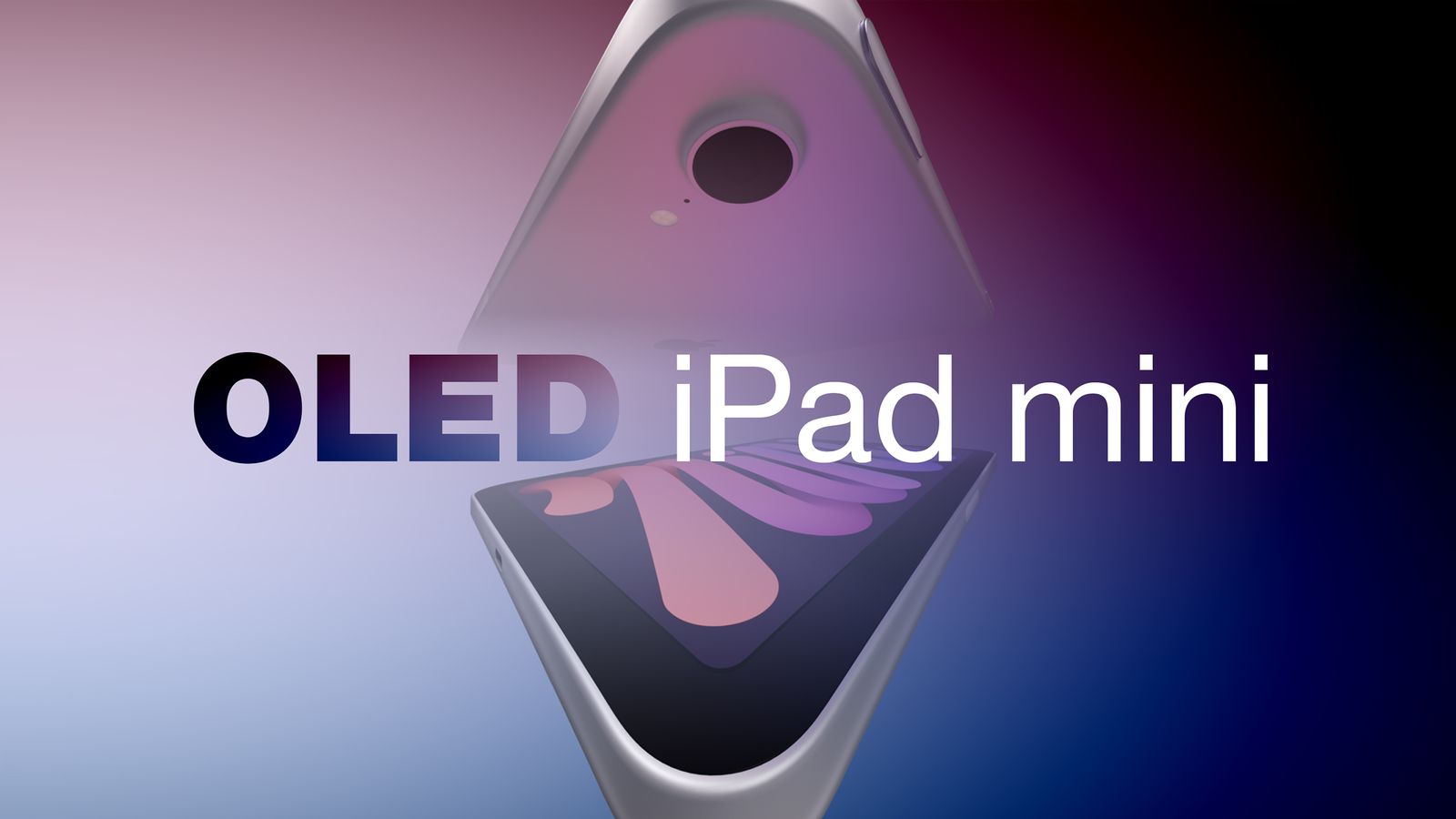
Recent leaks indicate that Apple will use an 8.4-inch OLED screen with a fixed 60Hz refresh rate in the next generation of the iPad mini, expected to be launched at the end of 2026. This may disappoint some users who were expecting ProMotion 120Hz technology as in the iPad Pro and iPhone 17, but the new screen will still offer important advantages such as clearer colors, higher contrast, and lower power consumption compared to current LCD screens. The device is said to be in production at Samsung factories, and there is still a possibility that some details are inaccurate until the official announcement.
iPhone 17 Helps Apple Excel Despite the Smartphone Market Decline in China
Apple succeeded in achieving remarkable growth of 24.4% in iPhone shipments within the Chinese market during the second quarter of 2026, becoming the fastest-growing brand in a market that saw a general decline of 4.3% to about 66 million devices, in the fifth consecutive quarterly decline. Apple and Huawei were the only two companies to achieve growth, as Apple’s market share rose from 13.9% to 18.1%, while Huawei led with growth of 19.4% and a market share that reached 22.6%, while Xiaomi declined sharply by 21.7%. Experts attribute this disparity to how companies handled the rise in memory component costs, as most Android companies raised their prices while Apple and Huawei maintained their prices while offering specific promotional offers.
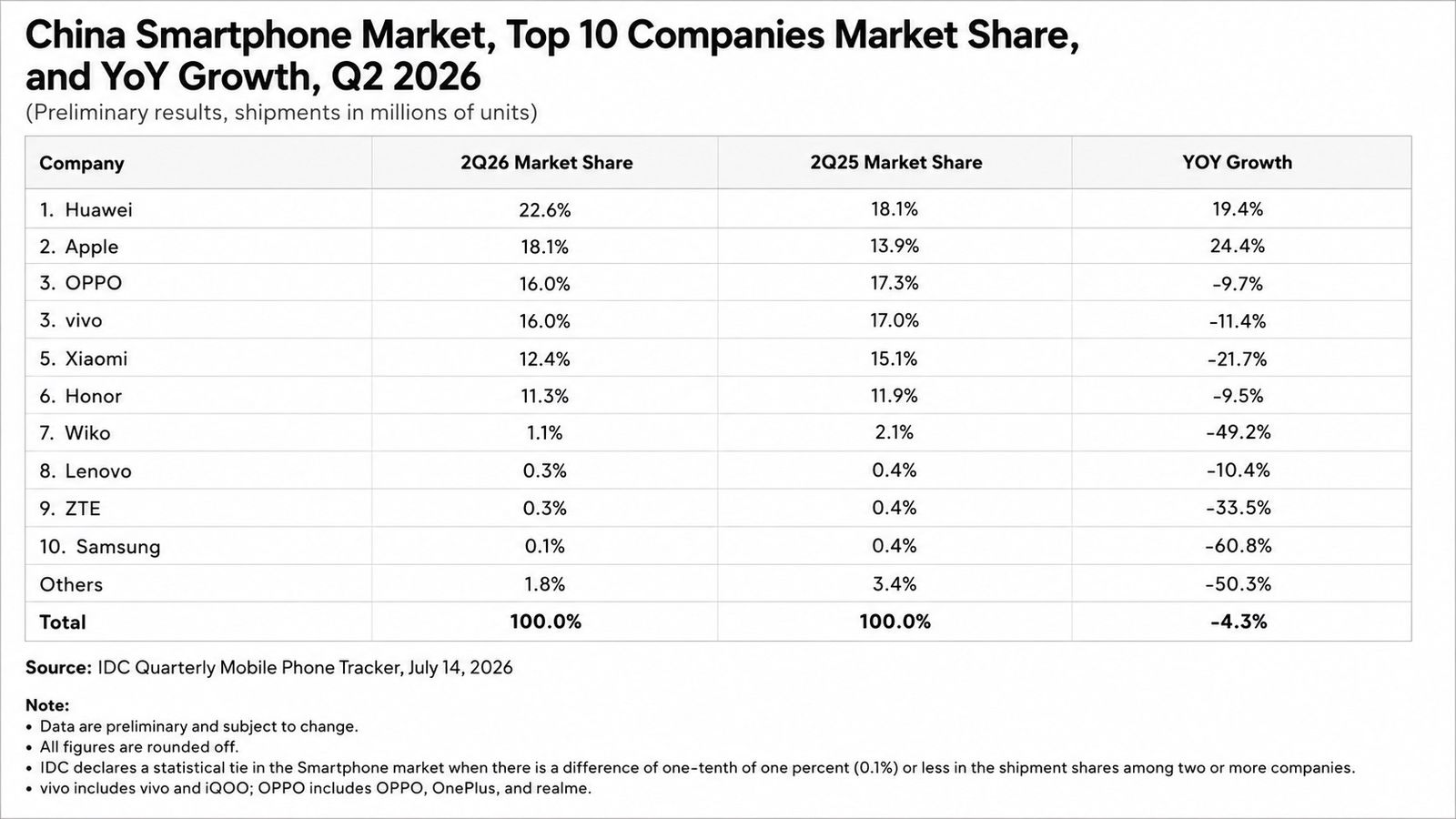
Apple’s early warnings of future price hikes also helped push some hesitant buyers to purchase iPhone 17 devices sooner. Despite this growth, experts expect the Chinese market decline to worsen to about 20% during the second half of the year, with storage component prices not expected to stabilize before 2027, and no real market recovery before 2028 or 2029, considering the current decline in demand to be temporary and related to the postponement of upgrade cycles rather than a move away from buying smartphones.
WhatsApp Tests an Alternative to iCloud on iPhone
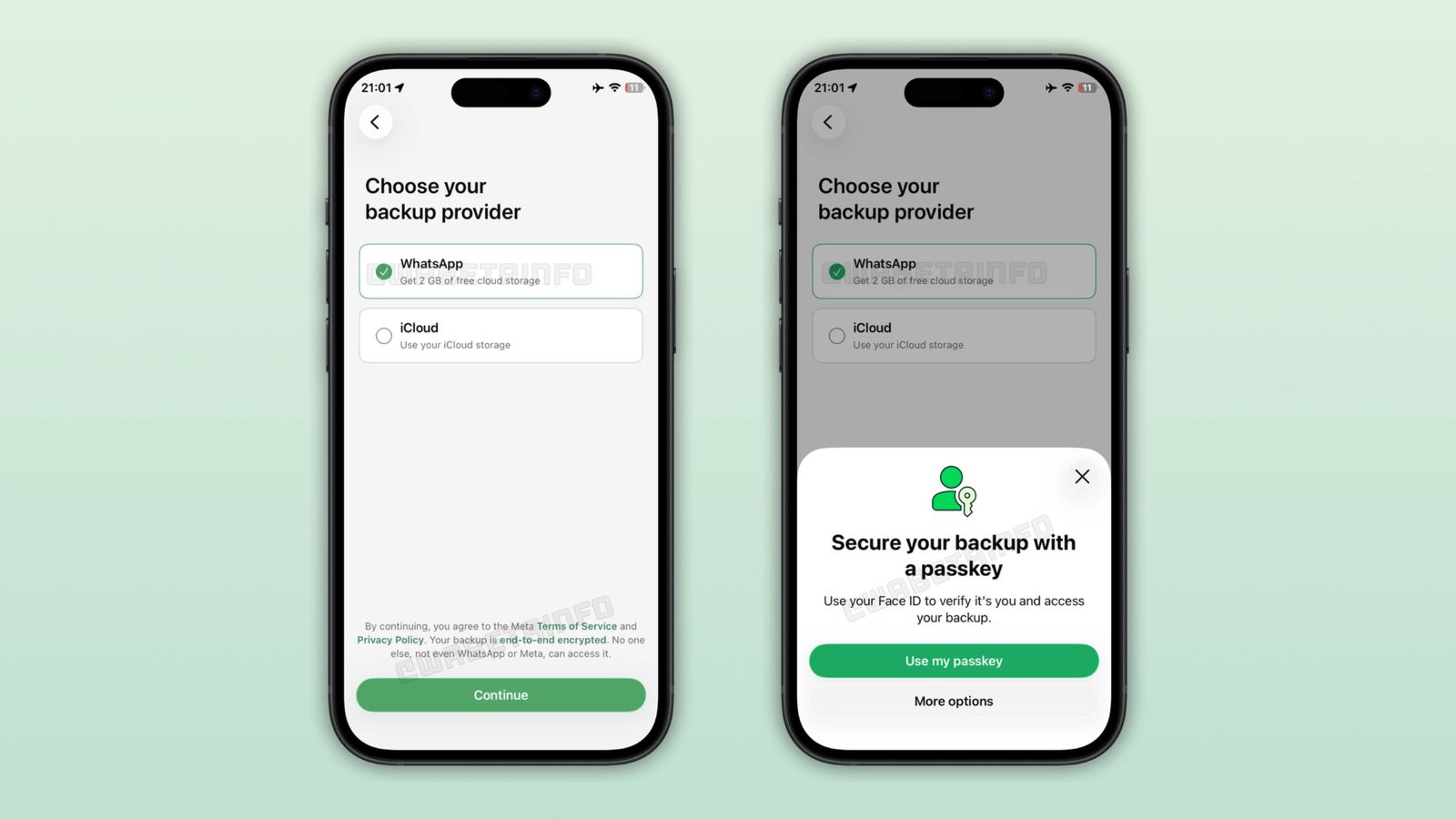
A beta version of WhatsApp revealed that the app is working on providing its own cloud storage option for backing up conversations on iPhones, to be an alternative to iCloud for the first time. The service will give users 2GB for free, with paid plans starting from 50GB for about $0.99 per month, in addition to larger options such as 1TB. The feature will provide stronger protection thanks to default end-to-end encryption (E2EE), which is superior to iCloud, which requires manual activation of the advanced protection feature. However, WhatsApp has not yet specified the official launch date for this service.
iOS 26.6 Will Warn You About Malicious iMessages
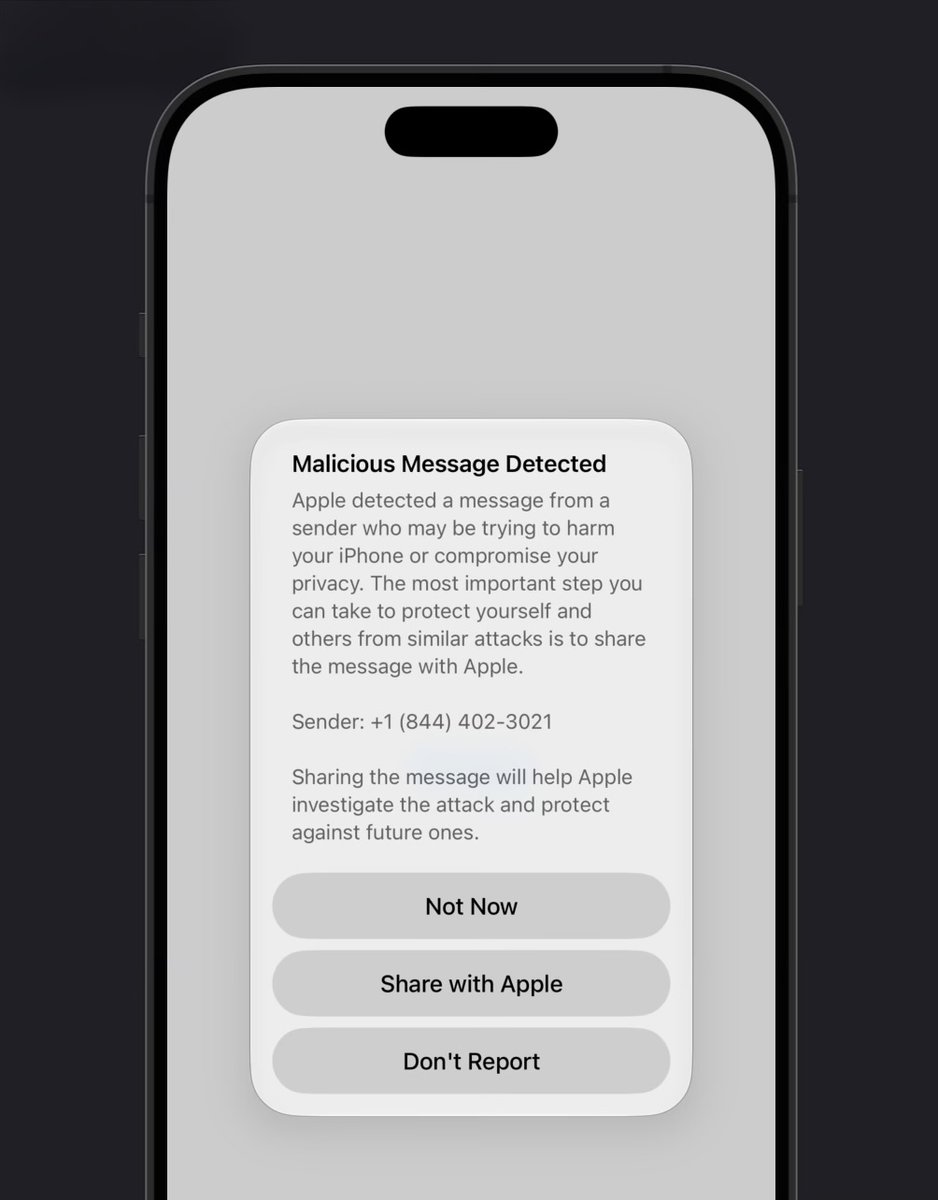
Apple is working on adding a new alert in the iOS 26.6 update that warns users when they receive iMessages that may be harmful or intended to compromise privacy. The alert will display options such as "Report to Apple" or "Not Now," with the possibility of it reappearing later, to help the company combat future attacks. This step comes after a series of previous vulnerabilities in the Messages app, where Apple added protection systems such as BlastDoor, "Lockdown Mode," and the Contact Key Verification feature, and now it seeks to further enhance security before the expected release of the update at the end of July.
iPhone Price Stability Gives Apple Global Supremacy
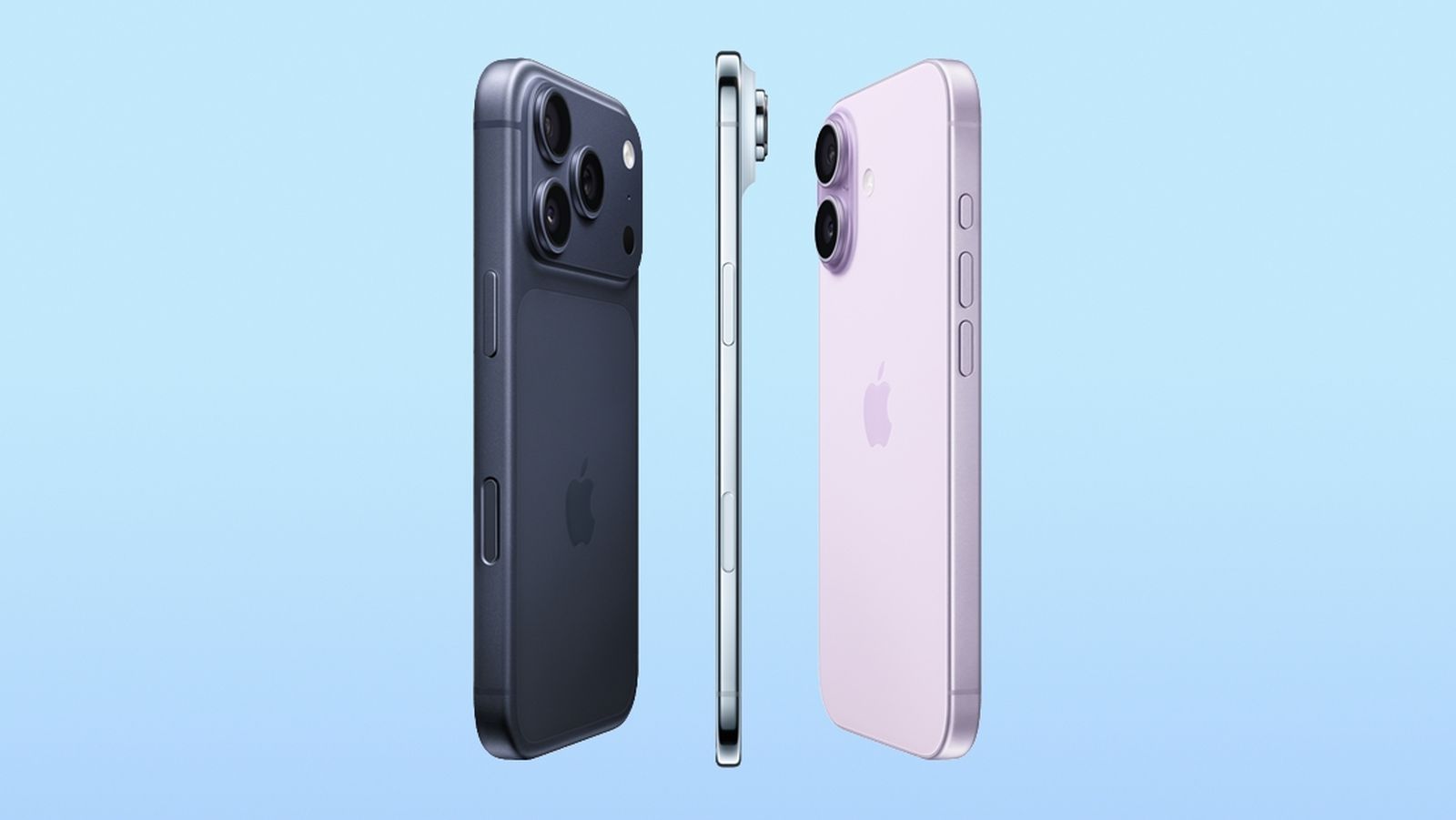
Apple achieved a new record by capturing 20% of the global smartphone market share in the second quarter of 2026, despite a 4% drop in global shipments due to the memory chip shortage crisis. This success is due to a strong upgrade cycle for the iPhone 17, in addition to Apple maintaining stable prices while competing companies were forced to raise theirs. With the continuation of the component crisis and rising memory costs, experts expect pressure on the market to increase over the coming months, which may leave fewer options for users looking for low-priced devices, especially with the approaching launch of the iPhone 18 series.
Apple Plans to Support Meta Accessories with Seamless Pairing Feature
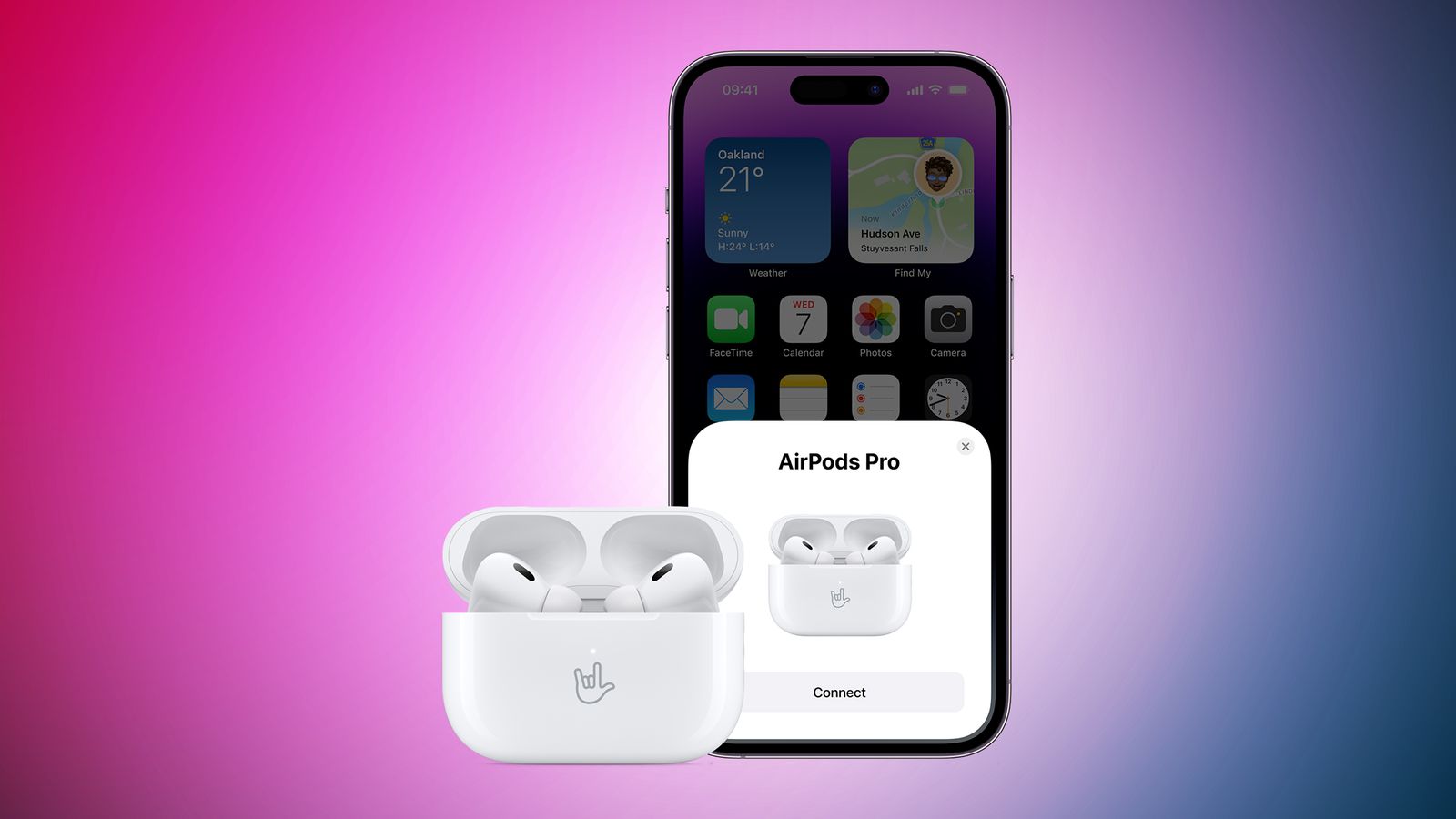
Apple is developing a new API that will allow peripherals such as Ray-Ban Meta glasses and Quest virtual reality headsets to pair automatically across all Apple devices, just as it does with AirPods and the Apple Watch. This step comes in response to a request submitted by Meta under the European Digital Markets Act, as users want the device paired with an iPhone or iPad to be directly available on other devices without additional steps. This feature is expected to be completed by the spring of 2027 as part of the iOS 27.x update, but it will initially be available only within the European Union, while the discussion is still ongoing about the possibility of expanding it globally.
Miscellaneous News
◉ Jamf Threat Labs warned of a malicious program called CrashStealer that masquerades as an official Apple tool to collect passwords and sensitive data from Mac devices. This malware is capable of stealing browser data, password managers like 1Password and LastPass, as well as cryptocurrency wallets, through a fake application signed by Apple called Werkbit. Although Apple has stopped this application and revoked its permissions, experts confirm that the malware could return in other ways, so users are advised to avoid any application that claims to be "CrashReporter" or requests the system password immediately upon launching, because Apple’s original tool is already built into the system and does not require a separate download.
◉ Apple announced a new policy for ads within the Maps app, where it will block ads for certain categories such as home services (like maintenance, plumbing, and electrical), bail bond services, and cryptocurrency ATMs. The company also rejects ads related to drugs, tobacco, weapons, or violent and misleading content, in addition to political ads or those that attack Apple products themselves. These restrictions aim to make ads safer and more relevant to users, with the assurance that location data or user interaction with ads will not be linked to their personal account and will not be shared with third parties.
◉ Chinese authorities announced their approval for the launch of Apple’s AI system, Apple Intelligence, making it available for the first time on iPhones in the country. The system will rely on models from Alibaba and Baidu to provide features such as text and image generation across iOS, iPadOS, macOS, and visionOS systems. Although an official launch date has not been set, the approval means its appearance will be soon with Apple’s usual fall update cycle, which may help the company boost its growth in the Chinese market, where iPhone shipments recently rose by 24%.
◉ OpenAI is preparing to launch its first device, which is a portable smart speaker powered by AI and without a screen, aiming to be a "human companion" inside the home. The device relies on ChatGPT and the GPT-Live feature for voice interaction, as it can control smart home devices, play media, reply to messages, and learn from the user to become more personal and context-aware. It features a rechargeable battery, a camera to understand the surrounding environment, and mechanical parts that move to enhance the feeling that it is "alive." However, the project is facing a legal crisis with Apple, which accuses OpenAI of stealing trade secrets, which could affect the expected launch date in 2027.
◉ Apple shares have risen 15% since their worst day in the market in over a year, adding about $600 billion to its value and returning to record levels at $315.32. This rise came while investors feel anxious about the massive spending on AI data centers, while Apple’s decision not to enter this competition and instead focus on using Google Gemini models to support Siri and Apple Intelligence features is now seen as a strategic advantage. Despite the pressure resulting from rising memory chip prices and the increase in some of its product prices, the expectations for the launch of a foldable iPhone in September helped boost market confidence, making Apple the best-performing among the seven tech giants this year.
◉ A Wall Street Journal report revealed that Apple faced pressure from the White House last year to use Intel factories to produce some of its chips, during negotiations to obtain an exemption from proposed 100% tariffs on semiconductor imports. President Trump and Commerce Secretary Howard Lutnick urged Tim Cook to cooperate with Intel, and subsequently, Trump announced that Apple would begin using chips produced by the company inside some of its products. Although Apple will continue to rely primarily on the Taiwanese company TSMC, this step is considered part of the US administration’s efforts to support Intel, which has incurred large losses in the factory sector recently. So far, Apple has not specified any details about the type of chips or when they will appear in its devices.

◉ A new report stated that Apple is working on developing two new versions of its smart stylus, the Apple Pencil, expected to be released with upcoming iPad Pro devices in 2027. The first version will be a low-cost edition equipped with a USB-C port, while the second version will be an improved Apple Pencil Pro. Expectations indicate that these pens may come with new replaceable battery systems to meet European Union requirements, but there are no confirmed details yet about the design or additional features.
Sources:
1 | 2 | 3 | 4 | 5 | 6 | 7 | 8 | 9 | 10 | 11 | 12 | 13 | 14 | 15 | 16 | 17 | 18 | 19 | 20 | 21 | 22
Leave a Reply